
Best Protein to Gain Muscle
When it comes to building muscle, protein is often heralded as the cornerstone of any effective regimen. You may already know that protein plays a crucial role in muscle repair and growth, but understanding its importance can help you optimize your fitness journey. As you engage in resistance training or any form of exercise that challenges your muscles, tiny tears occur in the muscle fibers.
This is where protein steps in, acting as the building block that repairs and strengthens those fibers, leading to muscle hypertrophy. Without adequate protein intake, your body may struggle to recover, which can hinder your progress and leave you feeling fatigued. Moreover, protein is not just about muscle repair; it also plays a vital role in overall health and wellness.
It supports various bodily functions, including hormone production, immune response, and enzyme activity. As you embark on your muscle-building journey, it’s essential to recognize that protein is not merely a supplement but a fundamental nutrient that fuels your body. By ensuring you consume enough protein, you set the stage for not only muscle gain but also improved performance and recovery.
Key Takeaways
- Protein is essential for muscle gain and repair
- Whey protein is the most popular and effective for muscle building
- Casein protein provides slow-release amino acids for steady muscle growth
- Soy protein is a plant-based alternative for muscle gain
- Pea protein is a vegan-friendly option for muscle building
Whey Protein: The King of Muscle Building
Whey protein has earned its reputation as the king of muscle-building supplements for good reason. Derived from milk during the cheese-making process, whey protein is a complete protein that contains all nine essential amino acids necessary for muscle growth. When you consume whey protein, it is rapidly digested and absorbed by your body, making it an ideal choice for post-workout nutrition.
This quick absorption means that your muscles receive the nutrients they need right when they need them most, promoting recovery and growth. In addition to its fast-acting properties, whey protein is rich in branched-chain amino acids (BCAAs), particularly leucine, which plays a pivotal role in stimulating muscle protein synthesis. This means that incorporating whey protein into your diet can significantly enhance your muscle-building efforts.
Whether you choose to mix it into a smoothie or shake it up with water after a workout, whey protein offers a convenient and effective way to meet your daily protein needs.
Casein Protein: Slow and Steady Muscle Growth
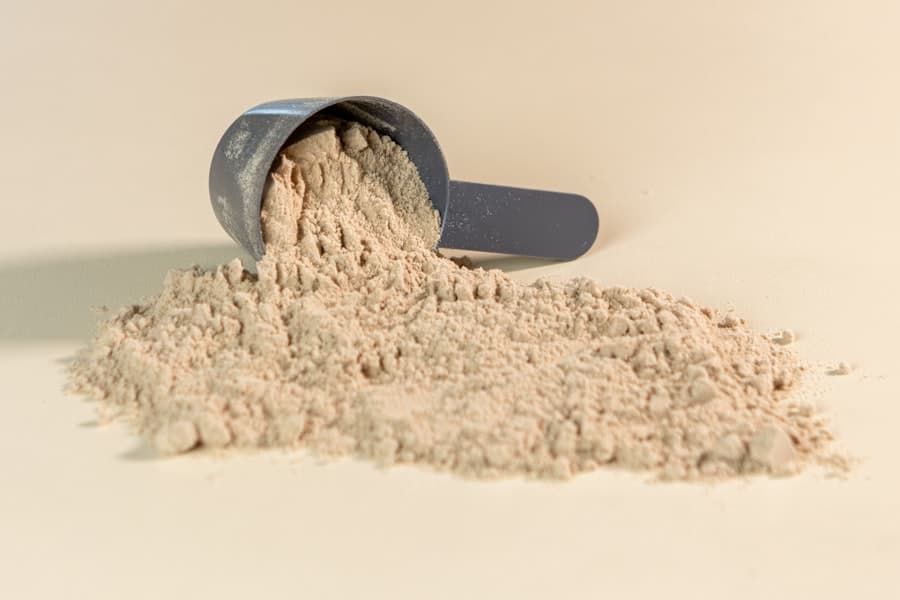
While whey protein is known for its rapid absorption, casein protein takes a different approach by providing a slow and steady release of amino acids into your bloodstream. Derived from milk, casein forms a gel-like substance in your stomach, which prolongs digestion and keeps your body supplied with amino acids for an extended period. This makes casein an excellent option for those looking to support muscle growth overnight or during extended periods without food.
Incorporating casein protein into your routine can be particularly beneficial if you’re aiming for sustained muscle repair and growth. Many athletes and fitness enthusiasts choose to consume casein before bedtime to ensure their muscles receive a steady supply of nutrients while they sleep. By doing so, you can maximize recovery and minimize muscle breakdown overnight, setting yourself up for success in your training sessions the following day.
Soy Protein: A Plant-Based Alternative for Muscle Gain
For those who prefer plant-based options, soy protein stands out as a powerful alternative for muscle gain. Derived from soybeans, this protein source is unique in that it contains all essential amino acids, making it a complete protein similar to animal-based options. If you’re following a vegetarian or vegan diet, incorporating soy protein can help you meet your protein requirements without compromising on quality.
In addition to its complete amino acid profile, soy protein has been shown to effectively support muscle growth. Research indicates that soy protein can stimulate muscle protein synthesis to a similar extent as whey protein, making it an excellent choice for individuals seeking to build muscle mass. Whether you opt for soy protein powder or incorporate whole soy foods, such as tofu and edamame, into your meals, you’ll be fueling your body with a nutrient-rich source of protein that supports your fitness goals.
Pea Protein: A Vegan-Friendly Option for Muscle Building
Pea protein has gained popularity in recent years as a vegan-friendly option for individuals seeking to build muscle without relying on animal products. Made from yellow split peas, this plant-based protein is not only rich in essential amino acids but also boasts a high digestibility rate. This means that your body can efficiently absorb and utilize the nutrients found in pea protein, making it an excellent addition to your diet.
One of the standout features of pea protein is its high content of branched-chain amino acids (BCAAs), particularly arginine and leucine. These amino acids play a crucial role in promoting muscle growth and recovery. By incorporating pea protein into your post-workout routine or daily meals, you can ensure that you’re providing your muscles with the necessary building blocks for optimal development.
Whether you choose pea protein powder or enjoy dishes made with peas, this versatile option can help you achieve your muscle-building goals.
Egg White Protein: A Complete Protein Source for Muscle Growth
Egg white protein is another excellent source of high-quality protein that deserves recognition in the realm of muscle building. As one of the most bioavailable proteins available, egg white provides all essential amino acids while being low in calories and fat. This makes it an ideal choice for those looking to increase their protein intake without adding unnecessary calories to their diet.
In addition to its impressive amino acid profile, egg white protein is known for its ability to support muscle recovery and growth effectively. The high leucine content found in egg whites plays a significant role in stimulating muscle protein synthesis, making it a valuable addition to your post-workout nutrition plan. Whether you enjoy egg whites scrambled or blended into a smoothie, this complete protein source can help you reach your fitness goals while maintaining a clean and nutritious diet.
Beef Protein: A High-Quality Source of Amino Acids for Muscle Development
Beef protein is often overlooked in the world of muscle-building supplements, but it offers numerous benefits worth considering. Derived from beef sources, this protein is rich in essential amino acids and provides a robust profile of nutrients that support muscle development. One of the key advantages of beef protein is its high creatine content, which can enhance strength and power during workouts.
Incorporating beef protein into your diet can be particularly beneficial if you’re looking for a nutrient-dense option that supports overall health while promoting muscle growth. Whether you choose beef protein powder or enjoy lean cuts of beef in your meals, you’ll be fueling your body with high-quality amino acids that contribute to optimal performance and recovery.
Hemp Protein: A Nutrient-Dense Option for Muscle Building
Hemp protein is another plant-based option that has gained traction among fitness enthusiasts seeking to build muscle naturally. Made from hemp seeds, this protein source is not only rich in essential amino acids but also packed with healthy fats, fiber, vitamins, and minerals. This nutrient-dense profile makes hemp protein an excellent choice for those looking to support their overall health while pursuing their fitness goals.
One of the unique features of hemp protein is its high content of omega-3 fatty acids, which are known for their anti-inflammatory properties. This can be particularly beneficial for athletes who experience soreness or inflammation after intense workouts. By incorporating hemp protein into your diet—whether through smoothies or baked goods—you can enjoy a wholesome source of nutrition that supports both muscle growth and overall well-being.
Rice Protein: A Hypoallergenic Choice for Muscle Gain
Rice protein is often recommended as a hypoallergenic alternative for individuals who may be sensitive to dairy or soy products. Made from brown rice, this plant-based protein provides a good source of essential amino acids while being easily digestible. While rice protein may not be a complete protein on its own, it can be effectively combined with other plant-based proteins to create a balanced amino acid profile.
For those seeking an alternative source of protein that won’t cause digestive discomfort or allergic reactions, rice protein can be an excellent choice. Incorporating rice protein powder into smoothies or baked goods allows you to boost your daily protein intake without compromising on quality or taste. By combining rice protein with other sources, such as pea or hemp protein, you can create a well-rounded approach to meeting your muscle-building needs.
Combining Different Protein Sources for Optimal Muscle Growth
To maximize your muscle-building potential, consider incorporating various protein sources into your diet. Each type of protein offers unique benefits and amino acid profiles that can complement one another effectively. For instance, pairing fast-digesting whey or casein with slower-digesting options, such as pea or hemp, can provide both immediate and sustained amino acid release throughout the day.
By diversifying your protein sources, you not only enhance the quality of your nutrition but also ensure that you’re meeting all essential amino acid requirements. This approach enables you to leverage the strengths of each protein type while mitigating any potential weaknesses. Whether you’re crafting smoothies with multiple types of protein powder or enjoying meals that incorporate various sources, such as legumes and grains, combining proteins can lead to optimal muscle growth and recovery.
Choosing the Best Protein for Your Individual Needs and Goals
Ultimately, selecting the best protein source for your individual needs and goals requires careful consideration of various factors such as dietary preferences, allergies, and fitness objectives. If you’re focused on rapid recovery post-workout, whey or casein may be ideal choices due to their quick absorption rates. On the other hand, if you’re following a vegan lifestyle or have dietary restrictions, plant-based options like pea or soy may better suit your needs.
It’s also essential to consider how much protein you require based on your activity level and goals. As a general guideline, aim for approximately 1.6 to 2.2 grams of protein per kilogram of body weight if you’re looking to build muscle effectively. By understanding your unique requirements and preferences, you can make informed decisions about which proteins will best support your journey toward achieving your fitness goals.
Whether you’re drawn to animal-based proteins like whey and egg whites or prefer plant-based options like pea and hemp, there are numerous choices available to help you build muscle effectively. By understanding the unique benefits each type offers and tailoring them to fit your individual needs, you’ll be well on your way to achieving optimal muscle growth and overall health.
If you are looking to maximize muscle stimulation, incorporating rest-pause sets into your workout routine can be highly beneficial. This technique is discussed in detail in the article Incorporating Rest-Pause Sets for Maximum Muscle Stimulation. Additionally, if you are interested in building muscle without using weights, the article “How to Build Muscle Without Weights” outlines effective strategies. For those looking to improve their form and technique in the gym, the article Form and Technique Tips provides valuable insights to help you achieve your fitness goals.
FAQs
What is the best protein for gaining muscle?
The best protein for gaining muscle is generally considered to be whey protein. Whey protein is a complete protein that is rapidly absorbed by the body, making it an ideal choice for post-workout muscle recovery and growth.
How does protein help in gaining muscle?
Protein is essential for muscle growth and repair. When you consume protein, it provides the building blocks (amino acids) necessary for muscle protein synthesis, which is the process of building new muscle tissue.
Are there other types of protein that are good for gaining muscle?
In addition to whey protein, other types of protein that are beneficial for muscle gain include casein protein, soy protein, and pea protein. Each type of protein has its own unique benefits and may be suitable for different individuals, depending on their dietary restrictions or preferences.
How much protein should I consume to gain muscle?
The general recommendation for protein intake to gain muscle is around 1.6 to 2.2 grams of protein per kilogram of body weight per day for individuals engaging in regular resistance training. However, individual protein needs may vary based on factors such as age, gender, and activity level.
Can I get enough protein from food alone to gain muscle?
It is possible to get enough protein from food alone to gain muscle. Still, for some individuals, especially those with higher protein needs, it may be challenging to consume enough protein solely from whole foods. In such cases, protein supplements can be a convenient and effective way to meet protein requirements.
RELATED TOPICS ABOUT Best Protein to Gain Muscle:
Best Amount Of Protein To Gain Muscle,
Best Protein For Building Muscle Supplement,
Best Protein For Muscle Gain At Home,
Best Protein For Muscle Gain Australia,
Best Protein For Muscle Gain In Women,
Best Protein Intake To Gain Muscle,
Best Protein Shake To Gain Muscle And Lose Weight,
Best Protein Snacks To Gain Muscle,
Best Protein To Gain Muscle,
Best Protein To Gain Muscle And Weight,
Best Protein To Put On Muscle,
Best Source Of Protein To Gain Muscle,
Best Whey Protein To Increase Muscle,
The Best Protein Shake To Gain Muscle,
What Is Best Protein To Gain Muscle,
What’s The Best Protein To Gain Muscle
==========
Content 10/10/G