Best Protein Powder to Gain Muscle
When it comes to building muscle, protein is often hailed as the cornerstone of any effective fitness regimen. You may already know that protein plays a crucial role in muscle repair and growth, but understanding its importance can help you optimize your gains. As you engage in resistance training, your muscle fibers undergo stress and micro-tears.
This is where protein comes into play; it provides the essential amino acids needed to repair and rebuild those fibers, leading to increased muscle mass over time. Without adequate protein intake, you may find it challenging to achieve your desired results, regardless of how hard you train. Incorporating protein powder into your diet can be a convenient and effective way to ensure you meet your daily protein requirements.
For many individuals, especially those with busy lifestyles, consuming enough protein through whole foods alone can be a daunting task. Protein powders provide a quick and easy solution, enabling you to supplement your diet without the need for extensive meal preparation. By understanding the importance of protein powder, you can make informed choices that align with your fitness goals and help you maximize your muscle-building potential.
Key Takeaways
- Protein powder is essential for muscle growth and repair, as it provides the necessary building blocks for muscle development.
- There are various types of protein powders available for muscle gain, including whey, casein, soy, pea, and egg white protein.
- Whey protein is the most popular choice for muscle gain due to its fast absorption and high levels of essential amino acids.
- Casein protein is a slow-release option that can aid in muscle recovery and prevent muscle breakdown during periods of fasting, such as overnight.
- Soy protein, pea protein, and egg white protein are plant-based and vegan-friendly alternatives for muscle building, each with its own unique benefits.
Types of Protein Powders for Muscle Gain
As you explore the world of protein powders, you’ll discover a variety of options tailored to different dietary preferences and fitness goals. Each type of protein powder has its unique benefits and characteristics, making it essential to choose one that aligns with your specific needs. The most common types include whey, casein, soy, pea, and egg white protein.
Each of these options offers distinct advantages, whether you’re looking for rapid absorption or a slow-release source of protein. Whey protein is often the go-to choice for many athletes and fitness enthusiasts due to its high biological value and fast absorption rate. However, if you’re seeking a plant-based alternative, soy and pea proteins are excellent options that provide essential amino acids without the use of animal products.
Casein protein, on the other hand, is known for its slow digestion, making it ideal for overnight recovery. By understanding the various types of protein powders available, you can make an informed decision that best suits your muscle gain journey.
Whey Protein: The Most Popular Choice for Muscle Gain

Whey protein has earned its reputation as one of the most popular protein supplements on the market, and for good reason. Derived from milk during the cheese-making process, whey is a complete protein that contains all nine essential amino acids necessary for muscle growth. Its rapid absorption rate makes it particularly effective for post-workout recovery, allowing your muscles to receive the required nutrients almost immediately after exercise.
This quick delivery system can help reduce muscle soreness and promote faster recovery times. In addition to its muscle-building benefits, whey protein is also rich in branched-chain amino acids (BCAAs), which play a vital role in stimulating muscle protein synthesis. If you’re looking to enhance your workout performance and support muscle growth, incorporating whey protein into your routine can be a game-changer.
Whether you prefer shakes, smoothies, or even baking with whey powder, this versatile supplement can easily fit into your daily diet while helping you achieve your fitness goals.
Casein Protein: A Slow-Release Option for Muscle Recovery
While whey protein is celebrated for its rapid absorption, casein protein offers a different approach to muscle recovery. Casein is also derived from milk but is digested much more slowly than whey. This slow-release characteristic makes casein an excellent option for providing a steady supply of amino acids over an extended period.
If you’re looking for a protein source to consume before bed or during extended periods without food, casein can help prevent muscle breakdown and support recovery while you sleep. The gradual release of amino acids from casein can be particularly beneficial for those engaged in intense training regimens or those who struggle to consume enough protein throughout the day. By incorporating casein into your diet, you can ensure that your muscles receive a continuous supply of nutrients, promoting optimal recovery and growth.
Whether mixed into a nighttime shake or used in recipes like overnight oats, casein protein can be a valuable addition to your muscle gain strategy.
Soy Protein: A Plant-Based Alternative for Muscle Building
For those seeking a plant-based option, soy protein is an excellent choice for building muscle. Derived from soybeans, this protein source is not only rich in essential amino acids but also boasts several health benefits. Soy protein has been shown to support heart health and may even help lower cholesterol levels.
As a complete protein source, it provides all the necessary building blocks for muscle growth, making it an ideal option for both vegetarians and vegans. In addition to its nutritional profile, soy protein is versatile and can be easily incorporated into a variety of recipes. Whether blended into smoothies or used in baking, soy protein can help you meet your daily protein needs while supporting your fitness goals.
If you’re looking for a sustainable and effective way to build muscle without animal products, soy protein may be the perfect fit for your dietary preferences.
Pea Protein: A Vegan-Friendly Option for Muscle Gain
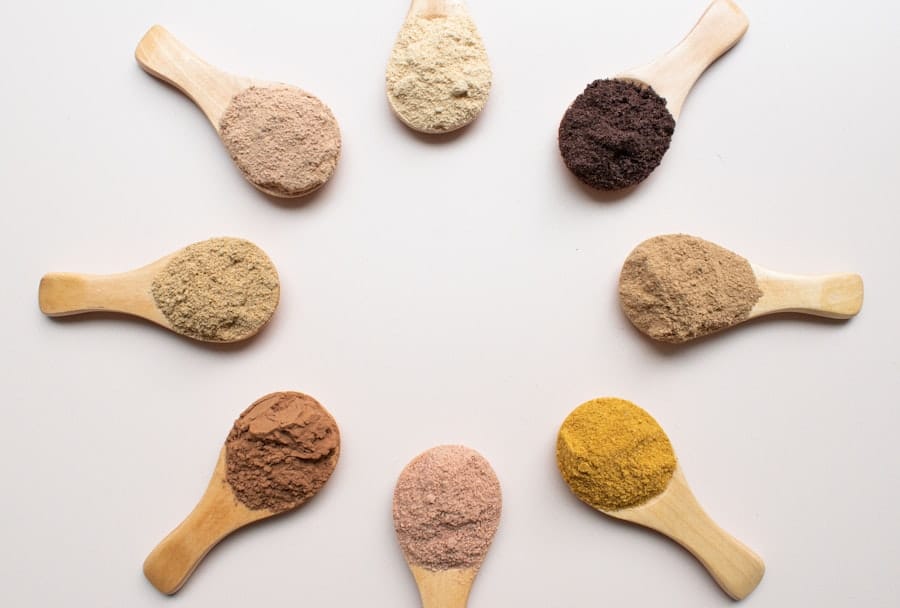
Pea protein has gained popularity in recent years as a vegan-friendly alternative that offers numerous benefits for muscle gain. Made from yellow split peas, this plant-based protein is not only rich in essential amino acids but also easily digestible. If you’re sensitive to dairy or looking to reduce your intake of animal products, pea protein can provide an effective solution without compromising on quality.
One of the standout features of pea protein is its high content of branched-chain amino acids (BCAAs), which are crucial for muscle recovery and growth. Additionally, pea protein is often hypoallergenic, making it suitable for individuals with food sensitivities or allergies. By incorporating pea protein into your diet, you can enjoy a nutritious and effective supplement that supports your muscle-building efforts while aligning with your dietary choices.
Egg White Protein: A Complete Protein Source for Muscle Growth
Egg white protein is another excellent option for those seeking a complete source of protein without the fat found in whole eggs. Rich in essential amino acids and low in calories, egg white protein is an ideal choice for individuals seeking to build muscle while maintaining a healthy weight. This high-quality protein source is easily digestible and has been shown to support muscle recovery effectively.
Incorporating egg white protein into your routine can be as simple as mixing it into shakes or using it in cooking and baking. Its versatility allows you to enjoy the benefits of this complete protein source in various ways while ensuring that you’re fueling your body with the nutrients it needs for optimal muscle growth. If you’re searching for an alternative to dairy-based proteins or plant-based options, egg white protein may be the perfect fit for your fitness journey.
Choosing the Best Protein Powder for Your Fitness Goals
With numerous options available, selecting the best protein powder for your fitness goals can be overwhelming. To make an informed decision, consider factors such as dietary restrictions, taste preferences, and specific fitness objectives. For instance, if you’re looking to build muscle quickly after workouts, whey or casein may be ideal due to their absorption rates.
On the other hand, if you’re following a vegan diet or have lactose intolerance, plant-based options like pea or soy protein could be more suitable. Additionally, pay attention to the ingredient list when choosing a protein powder. Opt for products with minimal additives and fillers to ensure you’re getting a high-quality supplement that aligns with your health goals.
By taking the time to evaluate your options and understand what each type of protein powder offers, you can select one that best supports your journey toward muscle gain.
How to Incorporate Protein Powder into Your Muscle Gain Routine
Incorporating protein powder into your daily routine doesn’t have to be complicated; there are numerous ways to enjoy this versatile supplement while enhancing your muscle gain efforts. One of the simplest methods is to mix it into smoothies or shakes after a workout. This allows you to replenish lost nutrients quickly while enjoying a delicious treat.
You can also experiment with adding protein powder to oatmeal or yogurt for an extra boost at breakfast or as a snack. Another creative way to utilize protein powder is by incorporating it into baked goods, such as muffins or pancakes. This not only enhances their nutritional value but also makes it easier to meet your daily protein requirements without feeling like you’re relying solely on supplements.
By finding enjoyable ways to integrate protein powder into your meals and snacks, you’ll be more likely to stick with your routine and achieve your muscle gain goals.
The Role of Protein Timing in Muscle Gain
While total daily protein intake is crucial for muscle gain, timing can also play a significant role in optimizing results. Consuming protein shortly after workouts can help kickstart the recovery process by providing your muscles with the necessary nutrients they need to repair and grow stronger. Aim to consume a source of protein within 30 minutes to two hours post-exercise for maximum effectiveness.
Additionally, spreading your protein intake throughout the day can further enhance muscle synthesis. Instead of consuming large amounts of protein in one sitting, try incorporating smaller doses at regular intervals—this could mean having a serving of protein powder with each meal or snack. By paying attention to both timing and distribution of your protein intake, you can create an environment conducive to muscle growth.
Potential Side Effects and Precautions When Using Protein Powder for Muscle Gain
While protein powders can be beneficial for muscle gain, it’s essential to be aware of potential side effects and take necessary precautions when using them. Some individuals may experience digestive discomfort or bloating when consuming certain types of protein powders, especially those derived from dairy, such as whey or casein. If you notice any adverse reactions after using these products, consider switching to plant-based alternatives such as pea or soy proteins.
It’s also important not to rely solely on supplements for your nutritional needs; whole foods should remain the foundation of your diet. Overconsumption of protein powder can lead to excessive calorie intake or nutrient imbalances if not appropriately managed. Always consult with a healthcare professional or registered dietitian before making significant changes to your diet or supplement regimen—this ensures that you’re making choices that align with your individual health needs and fitness goals.
Understanding the importance of protein powder in muscle gain is crucial as you navigate your fitness journey. With various types available—each offering unique benefits—you have the opportunity to select one that aligns with your dietary preferences and goals. By incorporating these supplements thoughtfully into your routine, considering factors such as timing and potential side effects, you can optimize your muscle-building efforts effectively.
If you are looking to gain muscle, it is essential to consider how much protein you are consuming. According to a recent article on musclesbuilder.tips, individuals who weigh 75 kg may need a specific amount of protein to build muscle effectively. Additionally, for women looking to build muscle, a particular strategy is outlined in another article on the same site, titled “How to Build Muscle as a Woman.” For those interested in achieving muscle gain results in a shorter period, the article “Muscle Gain in a Month” provides valuable insights and tips. By combining the right amount of protein intake with effective muscle-building techniques, individuals can efficiently achieve their muscle gain goals.
FAQs
What is protein powder, and how does it help in gaining muscle?
Protein powder is a dietary supplement commonly used by athletes and fitness enthusiasts to increase their protein intake. Protein is essential for muscle growth and repair, and consuming protein powder can help individuals meet their daily protein requirements, which is crucial for gaining muscle.
What are the different types of protein powder available for gaining muscle?
There are several types of protein powder available, including whey protein, casein protein, soy protein, and pea protein. Whey protein is the most popular and is quickly absorbed by the body, making it ideal for post-workout consumption. Casein protein is slower to digest, making it a good option for a nighttime protein source. Soy protein and pea protein are suitable for individuals who are lactose intolerant or have dietary restrictions.
How much protein powder should I consume to gain muscle?
The amount of protein powder needed to gain muscle depends on various factors, including body weight, activity level, and fitness goals. As a general guideline, it is recommended to consume 0.7 to 1 gram of protein per pound of body weight per day for muscle gain. This can be achieved by combining protein-rich foods with protein powder.
Are there any potential side effects of consuming protein powder?
When consumed in moderation, protein powder is generally safe for most people. However, excessive consumption of protein powder can lead to digestive issues, including bloating, gas, and stomach cramps. It is essential to follow the recommended dosage and drink plenty of water when consuming protein powder to avoid potential side effects.
Can protein powder be used as a meal replacement for gaining muscle?
While protein powder can be a convenient and quick source of protein, it is not recommended as a complete meal replacement for gaining muscle. Whole foods provide essential nutrients and a variety of macronutrients that are important for overall health and muscle growth. Protein powder should be used as a supplement to a balanced diet rather than a substitute for meals.
RELATED TOPICS ABOUT Best Protein Powder to Gain Muscle:
Best Protein Powder To Put On Muscle,
Best Protein Shake To Put On Muscle,
Best Protein To Buy To Build Muscle,
The Best Protein Drink To Build Muscle,
The Best Protein Powder To Build Muscle,
The Best Protein Powder To Gain Muscle,
The Best Protein Shake To Gain Muscle,
What Protein Powder Is Good For Muscle Gain,
What Protein Powder To Use For Muscle Gain,
What The Best Protein Supplement To Gain Muscle,
Which Protein Powder Is Best For Gaining Muscle
==========
Content 10/10/G