When it comes to building lean muscle, protein is your best ally. This macronutrient plays a crucial role in muscle repair and growth, making it essential for anyone looking to enhance their physique. As you engage in resistance training or any form of exercise that challenges your muscles, tiny tears occur in the muscle fibers.
Protein helps to repair these tears, leading to muscle hypertrophy, which is the increase in muscle size. Without adequate protein intake, your body may struggle to recover from workouts, hindering your progress and potentially leading to muscle loss. Moreover, protein is not just about muscle repair; it also contributes to overall body composition.
A diet rich in protein can help you maintain a healthy weight by promoting satiety, which means you feel fuller for longer. This can be particularly beneficial if you’re trying to lose fat while preserving lean muscle mass. By understanding the importance of protein, you can make informed dietary choices that align with your fitness goals, ensuring that you provide your body with the necessary building blocks for optimal performance and recovery.
Key Takeaways
- Protein is essential for building and maintaining lean muscle mass.
- There are various types of protein powders available, including whey, casein, and plant-based options.
- Whey protein is considered the gold standard for lean muscle building due to its fast absorption and high amino acid content.
- Casein protein is a slow-release muscle builder, providing a steady supply of amino acids over time.
- Plant-based protein powders offer a vegan-friendly option for those looking to build lean muscle without animal products.
Types of Protein Powders Available
In the world of fitness and nutrition, protein powders have become increasingly popular due to their convenience and effectiveness. There are several types of protein powders available on the market, each with its unique benefits and characteristics. The most common types include whey, casein, soy, pea, and hemp protein.
Each of these options caters to different dietary preferences and needs, allowing you to choose one that aligns with your lifestyle. Whey protein is derived from milk and is known for its rapid absorption rate, making it ideal for post-workout recovery. On the other hand, casein protein is also milk-based but digests more slowly, providing a steady release of amino acids over time.
For those following a plant-based diet, soy protein offers a complete amino acid profile, while pea and hemp proteins are excellent alternatives that are rich in essential nutrients. Understanding the various types of protein powders available will empower you to select the one that best suits your dietary preferences and fitness objectives.
Whey Protein: The Gold Standard for Lean Muscle

Whey protein has earned its reputation as the gold standard for muscle building due to its high biological value and rapid absorption rate. When you consume whey protein, your body quickly breaks it down into amino acids, which are then utilized for muscle repair and growth. This makes it an excellent choice for post-workout supplementation when your muscles are in dire need of nutrients to recover effectively.
Additionally, whey protein is rich in branched-chain amino acids (BCAAs), particularly leucine, which plays a pivotal role in stimulating muscle protein synthesis. This means that incorporating whey protein into your diet can significantly enhance your ability to build lean muscle mass. Whether you prefer shakes, smoothies, or even baking with whey protein powder, its versatility makes it easy to integrate into your daily routine.
Casein Protein: The Slow-Release Muscle Builder
While whey protein is celebrated for its quick absorption, casein protein takes a different approach by providing a slow and steady release of amino acids into your bloodstream. This characteristic makes casein an excellent option for those looking to support muscle recovery overnight or during extended periods without food. By consuming casein before bed or during long intervals between meals, you can ensure that your muscles receive a continuous supply of nutrients.
The slow-digesting nature of casein also helps to reduce muscle breakdown during periods of fasting or calorie restriction. This can be particularly beneficial if you’re trying to lose fat while maintaining lean muscle mass. By incorporating casein protein into your diet, you can create a balanced approach to muscle building that complements your overall nutrition strategy.
Plant-Based Protein: A Vegan-Friendly Option for Lean Muscle
As more individuals adopt plant-based diets for health or ethical reasons, plant-based protein powders have gained popularity as viable alternatives to traditional animal-based proteins. Options like pea protein, brown rice protein, and hemp protein offer unique benefits while catering to those who prefer vegan-friendly sources of nutrition. These plant-based proteins can provide essential amino acids necessary for muscle growth and repair.
Pea protein, in particular, has emerged as a favorite among fitness enthusiasts due to its high digestibility and rich amino acid profile. It is also hypoallergenic, making it suitable for individuals with lactose intolerance or dairy allergies. By choosing plant-based protein powders, you can still achieve your fitness goals while adhering to a vegan lifestyle, proving that building lean muscle doesn’t have to come at the expense of your dietary choices.
Choosing the Right Protein Powder for Your Fitness Goals
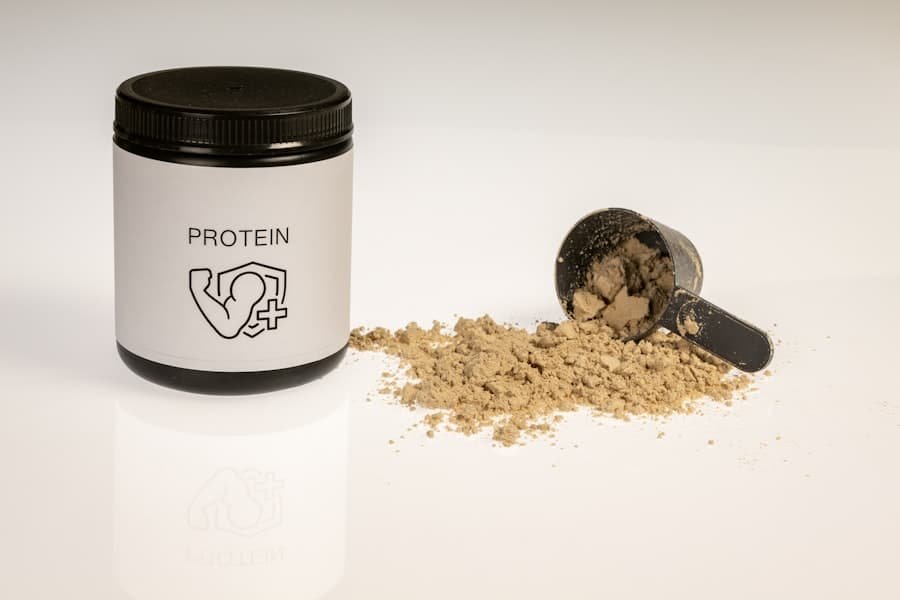
Selecting the right protein powder requires careful consideration of your individual fitness goals and dietary preferences. If you’re focused on building lean muscle mass and require quick recovery after workouts, whey protein may be your best bet due to its rapid absorption properties. Conversely, if you’re looking for sustained muscle support throughout the day or during fasting periods, casein protein could be more suitable.
For those following a vegan diet or seeking plant-based options, consider the amino acid profiles of different plant proteins. Combining various sources can help ensure you’re getting all essential amino acids necessary for optimal muscle growth. Ultimately, understanding your specific needs will guide you in making an informed decision about which protein powder aligns best with your fitness aspirations.
How to Incorporate Protein Powder into Your Diet for Lean Muscle
Incorporating protein powder into your diet can be both simple and enjoyable. One of the most popular methods is blending it into smoothies or shakes alongside fruits and vegetables for a nutrient-packed meal replacement or post-workout recovery drink. You can experiment with different flavors and ingredients to find combinations that suit your taste preferences.
Additionally, consider adding protein powder to recipes such as oatmeal, pancakes, or baked goods. This not only boosts the protein content but also enhances the overall nutritional value of your meals. By creatively integrating protein powder into various dishes, you can ensure that you’re meeting your daily protein requirements while enjoying delicious food.
The Role of Protein Timing in Muscle Building
While total daily protein intake is crucial for muscle growth, the timing of your protein consumption can also play a significant role in optimizing results. Consuming protein shortly after your workout can enhance recovery by providing your muscles with the necessary nutrients they need to repair and grow. Aim to consume a source of protein within 30 minutes to two hours post-exercise for maximum benefits.
Furthermore, spreading your protein intake throughout the day can help maintain a positive nitrogen balance in your body, which is essential for muscle growth. Instead of consuming large amounts of protein in one sitting, consider dividing your intake into smaller portions across meals and snacks. This approach ensures a steady supply of amino acids for muscle repair and growth throughout the day.
Key Factors to Consider When Selecting a Protein Powder for Lean Muscle
When choosing a protein powder specifically for lean muscle development, several key factors should guide your decision-making process. First and foremost, consider the source of the protein—whether it’s animal-based or plant-based—and how it aligns with your dietary preferences and restrictions. Additionally, pay attention to the amino acid profile; complete proteins containing all essential amino acids are ideal for muscle building.
Another important aspect is the presence of additional ingredients such as sugars or fillers that may detract from the overall quality of the product. Opt for powders with minimal additives and those that prioritize high-quality ingredients. Lastly, consider taste and mixability; a product that tastes good and blends well will encourage consistent use and help you stay on track with your fitness goals.
Top Brands and Products for Lean Muscle Protein Powder
With numerous brands on the market offering various protein powders, it can be overwhelming to choose the right one. Some top brands known for their quality and effectiveness include Optimum Nutrition’s Gold Standard Whey, which is widely regarded as one of the best whey proteins available due to its taste and mixability. For those seeking plant-based options, Orgain Organic Protein offers a delicious blend of pea and brown rice proteins that cater to vegan diets without compromising on taste.
Another noteworthy mention is Dymatize Nutrition’s ISO100 Hydrolyzed Whey Protein Isolate, which is known for its fast absorption rate and high-quality formulation. When selecting a product, consider reading reviews and checking nutritional labels to ensure you’re making an informed choice that aligns with your goals.
Tips for Maximizing the Benefits of Protein Powder for Lean Muscle
To truly maximize the benefits of protein powder in your quest for lean muscle development, consistency is key. Make it a habit to incorporate protein into every meal and snack throughout the day to meet your daily requirements effectively. Additionally, pairing your protein intake with carbohydrates post-workout can enhance recovery by replenishing glycogen stores and promoting muscle repair.
Stay hydrated as well; water plays a vital role in nutrient transport and overall performance during workouts. Lastly, remember that while protein powder can be an excellent supplement, it should complement a well-rounded diet rich in whole foods such as lean meats, fish, legumes, fruits, and vegetables. By adopting these practices, you’ll be well on your way to achieving your lean muscle goals while enjoying the journey along the way.
When considering the best protein powder for lean muscle, it’s essential to understand the broader context of muscle-building strategies. One crucial aspect is the concept of progressive overload, which involves gradually increasing the stress placed on muscles during training to stimulate growth. For more insights on how to effectively implement this technique in your workout routine, you can read the related article on progressive overload. This approach, combined with the right protein supplementation, can significantly enhance your muscle-building efforts.
FAQs
What is protein powder and its benefits for lean muscle?
Protein powder is a dietary supplement that provides a concentrated source of protein, which is essential for building and repairing muscle tissue. It can help support lean muscle growth, improve muscle recovery, and aid in weight management.
What are the different types of protein powder for lean muscle?
There are several types of protein powder, including whey protein, casein protein, soy protein, pea protein, and hemp protein. Each type has its own unique benefits and is suitable for different dietary preferences and needs.
How to choose the best protein powder for lean muscle?
When choosing the best protein powder for lean muscle, consider factors such as the protein source, amino acid profile, added ingredients, and personal dietary restrictions. It’s important to select a high-quality protein powder that aligns with your fitness goals and lifestyle.
What are the key features to look for in a protein powder for lean muscle?
Key features to look for in a protein powder for lean muscle include a high protein content per serving, a complete amino acid profile, minimal added sugars and artificial ingredients, and third-party testing for quality and purity.
How to incorporate protein powder into a lean muscle-building diet?
Protein powder can be incorporated into a lean muscle-building diet by mixing it with water, milk, or a smoothie, and consuming it as a post-workout shake or as a protein-rich snack throughout the day. It can also be used in recipes to boost the protein content of meals and snacks.