
Best Meal Plan to Support Muscle Growth
When you embark on a journey to build muscle, understanding the significance of nutrition is paramount. Nutrition serves as the foundation upon which your muscle-building efforts are built. Without the proper nutrients, your body may struggle to recover from workouts, repair muscle fibers, and ultimately grow stronger.
You might find that your training sessions yield less than optimal results if you neglect the role of nutrition in your regimen. It’s not just about lifting weights; it’s about fueling your body with the right components to support that effort. Moreover, nutrition is not a one-size-fits-all approach.
Your individual needs may vary based on factors such as age, gender, activity level, and specific fitness goals. By taking the time to understand what your body requires, you can tailor your diet to maximize muscle growth. This means paying attention to macronutrients—proteins, carbohydrates, and fats—as well as micronutrients, such as vitamins and minerals.
Each plays a unique role in your overall health and muscle development, making it essential to adopt a holistic view of nutrition in your fitness journey.
Key Takeaways
- Proper nutrition is essential for muscle growth and overall health.
- Protein plays a crucial role in muscle building and repair.
- Carbohydrates are essential for fueling workouts and aiding in recovery.
- Fats are essential for hormone production and overall health.
- Micronutrients support muscle function and aid in recovery.
The Role of Protein in Muscle Building
Protein is often hailed as the cornerstone of muscle building, and for good reason. When you engage in resistance training, you create tiny tears in your muscle fibers. Protein is crucial for repairing these tears and facilitating muscle growth.
As you consume protein-rich foods, your body breaks them down into amino acids, which are then used to rebuild and strengthen your muscles. This process is known as muscle protein synthesis, and it’s vital for anyone looking to increase their muscle mass. To optimize muscle growth, you should aim to consume an adequate amount of protein throughout the day.
This doesn’t mean you need to rely solely on protein shakes; whole food sources, such as chicken, fish, eggs, legumes, and dairy, can provide the necessary building blocks for your muscles. Additionally, spreading your protein intake across multiple meals can enhance muscle protein synthesis more effectively than consuming it all at once. By prioritizing protein in your diet, you lay the groundwork for substantial gains in strength and size.
Carbohydrates: Fueling Your Workouts and Recovery
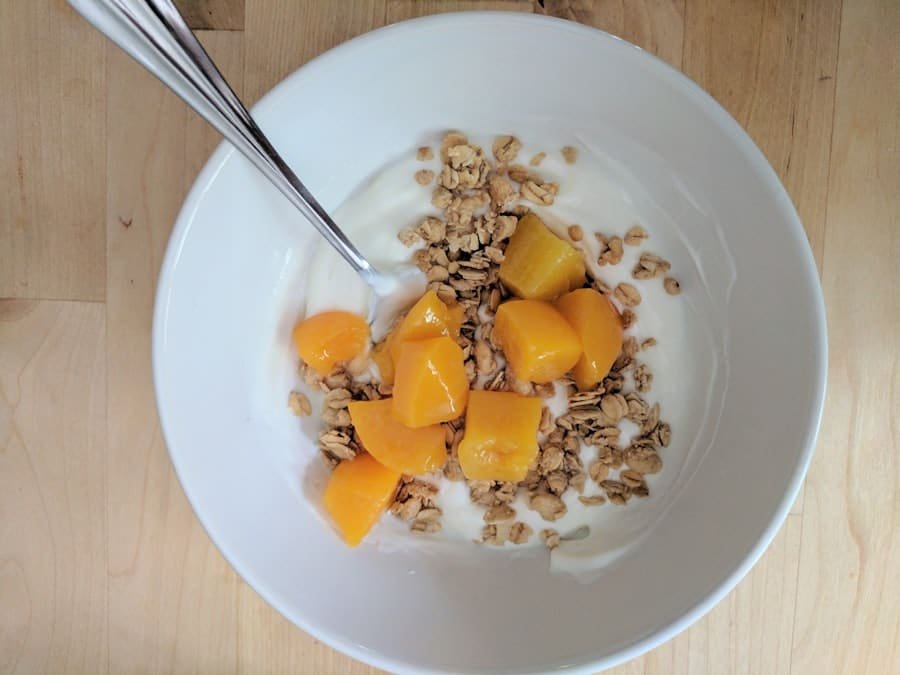
While protein is essential for muscle repair, carbohydrates play a critical role in fueling your workouts and aiding recovery. When you engage in intense physical activity, your body primarily relies on glycogen—stored carbohydrates—as its energy source. Without sufficient carbohydrate intake, you may experience fatigue and struggle to perform at your best during workouts.
This can hinder your progress and limit your ability to build muscle effectively. Incorporating complex carbohydrates into your diet can provide sustained energy for your training sessions. Foods like whole grains, fruits, and vegetables not only supply energy but also offer essential vitamins and minerals that support overall health.
Post-workout, replenishing glycogen stores with carbohydrates is equally essential. Consuming a combination of protein and carbohydrates after exercise can enhance recovery by promoting muscle repair and restoring energy levels. By understanding the role of carbohydrates in your nutrition plan, you can ensure that you have the energy needed to push through challenging workouts and recover effectively.
Fats: Essential for Hormone Production and Overall Health
Fats are often misunderstood in the context of muscle growth, but they are an essential component of a balanced diet. Healthy fats play a crucial role in hormone production, including testosterone and growth hormone—both of which are vital for muscle development. When you consume adequate amounts of healthy fats, you support these hormonal processes that contribute to muscle growth and overall well-being.
Incorporating sources of healthy fats into your diet can also provide additional benefits beyond hormone production. Foods such as avocados, nuts, seeds, and olive oil are rich in omega-3 fatty acids and monounsaturated fats, which promote heart health and reduce inflammation. This is particularly important for athletes who subject their bodies to intense stress during training.
By including healthy fats in your meal plan, you not only support muscle growth but also enhance your overall health and recovery.
Micronutrients: Supporting Muscle Function and Recovery
While macronutrients often take center stage in discussions about nutrition for muscle growth, micronutrients should not be overlooked. Vitamins and minerals play a vital role in various bodily functions that support muscle function and recovery. For instance, calcium is essential for muscle contraction, while magnesium helps with energy production and muscle relaxation.
A deficiency in these micronutrients can lead to decreased performance and hindered recovery. To ensure you’re getting a wide range of micronutrients, focus on consuming a colorful variety of fruits and vegetables. Each color typically represents different vitamins and minerals that contribute to overall health.
Additionally, consider incorporating whole foods, such as nuts, seeds, and lean meats, into your diet to enhance your micronutrient intake further. By prioritizing micronutrients alongside macronutrients, you create a well-rounded nutritional approach that supports optimal muscle function and recovery.
Timing Your Meals for Optimal Muscle Growth

Optimizing Performance and Recovery
Eating a balanced meal or snack that contains both protein and carbohydrates before and after workouts can help optimize performance and recovery. This practice ensures that your body has the necessary fuel during exercise while also providing the nutrients needed for repair afterward.
Maintaining a Steady Supply of Amino Acids
Spreading your meals throughout the day can help maintain a steady supply of amino acids in your bloodstream. This approach can prevent periods of low nutrient availability that may hinder muscle growth.
Supporting Continuous Muscle Repair and Growth
Aim for regular meals every three to four hours to keep your metabolism active and support continuous muscle repair and growth. By being mindful of meal timing, you can maximize the effectiveness of your nutrition plan in achieving your muscle-building goals.
Pre-Workout Nutrition: Fueling Your Workouts for Maximum Performance
Pre-workout nutrition is crucial for setting yourself up for success during training sessions. Consuming a meal or snack rich in carbohydrates and moderate in protein about 30 minutes to an hour before exercising can provide the energy needed to perform at your best. Carbohydrates will fuel your muscles while protein will help prevent muscle breakdown during intense workouts.
It’s also important to consider individual preferences when planning pre-workout meals. Some people may prefer solid foods, such as oatmeal or a banana with nut butter, while others might opt for a smoothie or protein shake for convenience. Experimenting with different options can help you find what works best for your body and energy levels.
By prioritizing pre-workout nutrition, you set yourself up for maximum performance during training sessions.
Post-Workout Nutrition: Replenishing Nutrients and Supporting Recovery
After an intense workout, your body enters a critical recovery phase where proper nutrition plays a vital role in replenishing nutrients and supporting muscle repair. Consuming a post-workout meal or snack that combines protein and carbohydrates within 30 minutes to two hours after exercising can significantly enhance recovery outcomes. This combination helps replenish glycogen stores while providing the amino acids necessary for muscle repair and recovery.
Consider options such as a protein shake with fruit or a balanced meal that includes lean protein sources alongside whole grains and vegetables. The key is to ensure that you’re providing your body with the nutrients it needs to recover effectively from the demands of exercise. By prioritizing post-workout nutrition, you not only support immediate recovery but also set the stage for future training sessions.
The Importance of Hydration for Muscle Growth
Hydration is often an overlooked aspect of nutrition when it comes to muscle growth, yet it plays a crucial role in overall performance and recovery. Water is essential for various bodily functions, including nutrient transport, temperature regulation, and lubrication of joints. Dehydration can lead to decreased performance during workouts and hinder recovery processes afterward.
To ensure optimal hydration levels, aim to drink water consistently throughout the day rather than waiting until you feel thirsty. During workouts, consider consuming electrolyte-rich beverages if you’re engaging in prolonged or intense exercise sessions to replenish lost fluids and minerals. By prioritizing hydration as part of your nutrition plan, you create an environment conducive to muscle growth and overall health.
Creating a Balanced Meal Plan for Muscle Growth
Crafting a balanced meal plan that supports muscle growth requires careful consideration of macronutrient ratios and thoughtful food choices. Begin by determining your daily caloric needs, taking into account factors such as age, weight, activity level, and fitness goals. Once you have established this baseline, focus on incorporating adequate amounts of protein, carbohydrates, and healthy fats into each meal.
Aim for meals that include lean protein sources, such as chicken or tofu, paired with complex carbohydrates like quinoa or sweet potatoes, alongside plenty of colorful vegetables. This approach ensures that you’re not only meeting macronutrient needs but also providing essential vitamins and minerals that support overall health. Regularly reassessing your meal plan based on progress will help you stay on track toward achieving your muscle-building goals.
Supplementing Your Meal Plan for Enhanced Muscle Growth
While whole foods should form the foundation of your nutrition plan, supplements can play a supportive role in enhancing muscle growth when used appropriately. Protein powders are popular among those seeking to increase their protein intake conveniently; however, it’s essential to choose high-quality products that contain minimal additives and sugars. Other supplements, such as creatine monohydrate, have been shown to enhance strength gains when combined with resistance training programs.
Additionally, branched-chain amino acids (BCAAs) may help reduce muscle soreness after workouts when taken around training sessions. Before incorporating any supplements into your routine, consider consulting with a healthcare professional or registered dietitian to ensure they align with your individual needs and goals. Understanding the multifaceted role of nutrition in muscle growth is crucial for anyone seeking to optimize their fitness journey.
By focusing on macronutrients such as protein, carbohydrates, and fats, while also considering micronutrients and hydration strategies, you can create a comprehensive approach that supports optimal performance and recovery. Whether you’re just starting or looking to refine your existing regimen, prioritizing nutrition will undoubtedly pave the way for achieving significant gains in strength and size.
If you are looking to build muscle, it is essential to consider how much protein you are consuming. According to a recent article on musclesbuilder.Tips: Protein is necessary for muscle growth and repair. In addition to following a proper meal plan, incorporating enough protein into your diet can help support your muscle-building goals. Additionally, another interesting read on the website discusses whether running can actually help build muscle. Check out this article to learn more about the relationship between running and muscle growth.
FAQs
What is the importance of a meal plan to support muscle growth?
A meal plan is crucial for supporting muscle growth because it ensures the body receives the necessary nutrients, including protein, carbohydrates, and fats, to repair and rebuild muscle tissue after exercise.
What should a meal plan to support muscle growth include?
A meal plan designed to support muscle growth should include a balanced combination of protein, carbohydrates, and healthy fats. It should also include a variety of fruits, vegetables, and whole grains to provide essential vitamins and minerals.
How many meals should be included in a meal plan to support muscle growth?
It is recommended to have 4-6 meals per day to support muscle growth and recovery. This includes three main meals and 1-3 snacks to ensure a steady supply of nutrients throughout the day.
What are some good sources of protein for a meal plan to support muscle growth?
Good sources of protein for a meal plan to support muscle growth include lean meats, poultry, fish, eggs, dairy products, legumes, and plant-based protein sources such as tofu and tempeh.
How can a meal plan to support muscle growth be tailored to individual needs?
A meal plan to support muscle growth can be tailored to individual needs by adjusting portion sizes and macronutrient ratios based on factors such as body weight, activity level, and specific fitness goals. It is recommended to consult with a nutritionist or dietitian for personalized guidance.
RELATED TOPICS ABOUT Best Meal Plan to Support Muscle Growth:
Best Food For Growing Muscles,
Best Meal Plan For Building Muscle,
Best Meal Plan To Gain Muscle,
Best Muscle Growth Diet,
Best Nutrition Plan For Building Muscle,
Best Prep Meals For Building Muscle,
Female Nutrition For Building Muscle,
How Much Should I Eat To Gain Muscle,
Meal Prep Guide For Building Muscle
==========
Content 10/10/G