When it comes to building muscle, nutrition plays a pivotal role that cannot be overlooked. You might spend hours in the gym lifting weights and pushing your limits, but without the right fuel, your efforts may not yield the results you desire. Nutrition is the foundation upon which muscle growth is built.
It provides your body with the essential nutrients it needs to repair and grow muscle tissue after intense workouts. The right balance of macronutrients—proteins, carbohydrates, and fats—along with vitamins and minerals, can significantly enhance your performance and recovery. Moreover, understanding the importance of nutrition allows you to tailor your diet to meet your specific fitness goals.
Whether you aim to bulk up, tone down, or simply maintain your current physique, the food you consume directly impacts your progress. By prioritizing a well-rounded diet, you can optimize your workouts and ensure that your body has the necessary resources to recover effectively. This holistic approach to muscle building not only enhances physical performance but also contributes to overall health and well-being.
Key Takeaways
- Proper nutrition is essential for muscle building and recovery
- Protein-rich foods like lean meats, eggs, and dairy are crucial for muscle growth
- Carbohydrates provide energy for workouts and aid in muscle recovery
- Healthy fats from sources like avocados and nuts support muscle repair and growth
- Nutrient-dense vegetables like spinach and broccoli are important for muscle recovery
- Hydration is key for muscle building and overall performance
- Pre and post-workout nutrition plays a significant role in muscle growth
- Supplements like whey protein and creatine can support muscle building efforts
Protein-Rich Foods for Muscle Growth
Protein is often hailed as the cornerstone of muscle building, and for good reason. It is the primary macronutrient responsible for repairing and building muscle fibers that are broken down during exercise. To maximize muscle growth, you should incorporate a variety of protein-rich foods into your diet.
Lean meats such as chicken, turkey, and fish are excellent sources of high-quality protein. These foods not only provide the necessary amino acids for muscle repair but also come packed with essential nutrients that support overall health. In addition to animal sources, plant-based proteins can also play a significant role in your muscle-building journey.
Foods like lentils, chickpeas, quinoa, and tofu are rich in protein and can be easily integrated into your meals. By diversifying your protein sources, you not only ensure that you are getting a complete amino acid profile but also introduce a range of vitamins and minerals that support muscle function and recovery. Aim to include protein in every meal and snack to keep your muscles fueled and ready for growth.
Carbohydrates for Energy and Recovery
While protein is crucial for muscle repair, carbohydrates are equally important for providing the energy needed to power through intense workouts. When you engage in resistance training or high-intensity exercises, your body relies on glycogen stores—carbohydrates stored in your muscles—for energy. Without adequate carbohydrate intake, you may find yourself feeling fatigued and unable to perform at your best.
Therefore, incorporating complex carbohydrates such as whole grains, fruits, and vegetables into your diet is essential for sustaining energy levels. Post-workout, carbohydrates play a vital role in recovery as well. After an intense training session, your glycogen stores are depleted, and consuming carbohydrates helps replenish them.
This process not only aids in recovery but also prepares your body for future workouts. Pairing carbohydrates with protein in your post-workout meal can further enhance recovery by promoting muscle repair while restoring energy levels. By understanding the importance of carbohydrates in your diet, you can ensure that you have the energy needed to push through challenging workouts and recover effectively afterward.
Healthy Fats for Muscle Repair and Growth
Healthy fats are often misunderstood in the context of muscle building; however, they are essential for overall health and play a significant role in muscle repair and growth. Fats provide a concentrated source of energy that can be beneficial during prolonged workouts or when you’re trying to increase caloric intake for muscle gain. Incorporating sources of healthy fats such as avocados, nuts, seeds, and olive oil into your diet can help support hormone production, including testosterone, which is crucial for muscle growth.
Additionally, healthy fats contribute to the absorption of fat-soluble vitamins (A, D, E, and K), which are vital for various bodily functions including immune health and bone strength. By including a moderate amount of healthy fats in your diet, you can create a balanced nutritional profile that supports both muscle growth and overall well-being. Remember that while fats are important, moderation is key; aim to include them as part of a well-rounded diet that prioritizes protein and carbohydrates.
Nutrient-Dense Vegetables for Muscle Recovery
Vegetables often take a backseat in discussions about muscle building, but they are incredibly important for recovery and overall health. Nutrient-dense vegetables provide essential vitamins, minerals, and antioxidants that help combat inflammation caused by intense workouts. Leafy greens like spinach and kale are rich in iron and calcium, which are crucial for muscle function and recovery.
Additionally, colorful vegetables such as bell peppers and carrots are packed with antioxidants that help reduce oxidative stress on the body. Incorporating a variety of vegetables into your meals not only enhances their nutritional value but also adds fiber, which aids digestion and keeps you feeling full longer. This is particularly beneficial if you’re trying to manage your weight while building muscle.
Aim to fill half your plate with vegetables at each meal to ensure you’re getting a wide range of nutrients that support recovery and overall health. By prioritizing nutrient-dense vegetables in your diet, you can create a solid foundation for muscle growth.
Hydration and its Role in Muscle Building
Hydration is often an overlooked aspect of nutrition when it comes to muscle building; however, it plays a critical role in performance and recovery. Water is essential for nearly every bodily function, including nutrient transport and temperature regulation during exercise. Dehydration can lead to decreased strength, endurance, and overall performance in the gym.
Therefore, it’s crucial to stay adequately hydrated before, during, and after workouts. In addition to plain water, you can also hydrate through foods with high water content such as fruits and vegetables. Electrolytes lost through sweat during intense workouts should also be replenished; consider incorporating electrolyte-rich beverages or foods like bananas or coconut water into your post-workout routine.
By prioritizing hydration as part of your nutrition strategy, you can enhance your performance in the gym while supporting optimal recovery afterward.
Pre and Post-Workout Nutrition for Muscle Growth
Timing your nutrition around workouts can significantly impact your muscle-building efforts. Pre-workout nutrition is essential for fueling your body with the energy it needs to perform at its best. A balanced meal or snack containing carbohydrates and protein consumed about 30 minutes to an hour before exercising can provide the necessary energy boost while preventing muscle breakdown during workouts.
Consider options like a banana with peanut butter or Greek yogurt with berries to fuel your training session effectively. Post-workout nutrition is equally important as it helps kickstart the recovery process. Consuming a meal or snack rich in protein and carbohydrates within 30 minutes after exercising can optimize muscle repair and replenish glycogen stores.
This could be a protein shake with fruit or grilled chicken with sweet potatoes—both excellent choices for post-workout recovery. By paying attention to pre- and post-workout nutrition, you can maximize your gains while ensuring that your body has what it needs to recover efficiently.
Supplements to Support Muscle Building
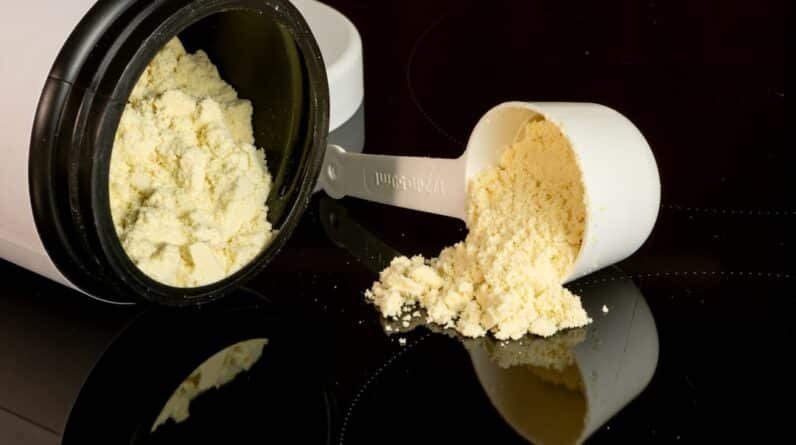
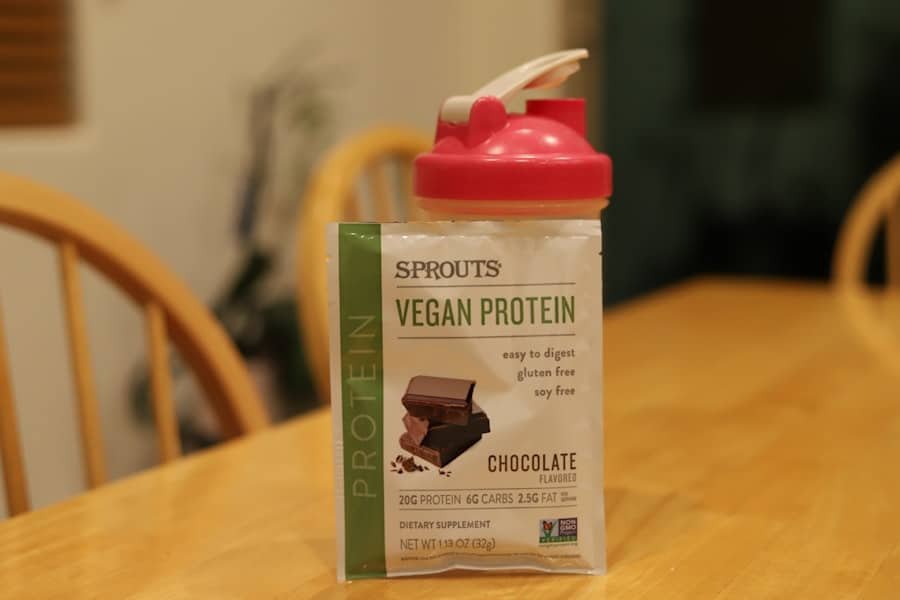
While whole foods should always be the foundation of your nutrition plan, certain supplements can provide additional support for muscle building when used appropriately. Protein powders are among the most popular supplements; they offer a convenient way to increase protein intake without having to prepare elaborate meals. Whey protein is particularly effective due to its fast absorption rate post-workout.
Other supplements worth considering include creatine, which has been shown to enhance strength and power output during high-intensity training sessions. Branched-chain amino acids (BCAAs) may also aid in reducing muscle soreness and promoting recovery when taken before or after workouts. However, it’s essential to approach supplementation with caution; always consult with a healthcare professional or nutritionist before adding new supplements to your regimen.
By strategically incorporating supplements into a well-rounded diet, you can further support your muscle-building goals while ensuring optimal health. In conclusion, nutrition is an integral part of any successful muscle-building program. By focusing on a balanced intake of protein-rich foods, carbohydrates for energy, healthy fats for repair, nutrient-dense vegetables for recovery, proper hydration, strategic pre- and post-workout nutrition, and appropriate supplementation when necessary, you can create a comprehensive approach that maximizes your efforts in the gym.
Remember that consistency is key; by making informed dietary choices over time, you’ll set yourself up for long-term success in achieving your fitness goals.
If you are looking to maximize your muscle building efforts, it is important to not only focus on the best foods for muscle building but also incorporate compound exercises into your workout routine. Compound exercises, as discussed in this article, target multiple muscle groups at once, allowing for more efficient muscle growth. By combining a diet rich in muscle-building foods with compound exercises, you can achieve optimal results in your fitness journey.
FAQs
What are the best foods for muscle building?
Some of the best foods for muscle building include lean proteins such as chicken, turkey, fish, and tofu, complex carbohydrates like brown rice, quinoa, and sweet potatoes, healthy fats from sources like avocados, nuts, and olive oil, and plenty of fruits and vegetables for essential vitamins and minerals.
Why are lean proteins important for muscle building?
Lean proteins are important for muscle building because they provide the necessary amino acids for muscle repair and growth. They also have a high thermic effect, meaning they require more energy to digest, which can aid in fat loss and muscle preservation.
How do complex carbohydrates contribute to muscle building?
Complex carbohydrates provide a sustained source of energy for workouts and help replenish glycogen stores in the muscles after exercise. This can improve performance and recovery, ultimately supporting muscle growth.
What role do healthy fats play in muscle building?
Healthy fats are important for hormone production, including testosterone, which is essential for muscle growth. They also aid in nutrient absorption and provide a concentrated source of energy for intense workouts.
Why are fruits and vegetables important for muscle building?
Fruits and vegetables provide essential vitamins, minerals, and antioxidants that support overall health and muscle function. They also contribute to a well-balanced diet that can optimize performance and recovery.