
Engaging in regular physical activity is one of the most effective ways to enhance your cardiovascular health. When you commit to a consistent exercise routine, you strengthen your heart, improve circulation, and lower your risk of heart disease. As your heart becomes more efficient at pumping blood, you may notice that everyday activities become easier, and your overall energy levels increase.
This improvement in cardiovascular function can lead to a longer, healthier life, allowing you to enjoy activities you love without the burden of fatigue or breathlessness. Moreover, aerobic exercises such as running, cycling, or swimming can significantly lower your blood pressure and cholesterol levels. These activities help to clear out the arteries and improve blood flow, reducing the risk of heart attacks and strokes.
By incorporating these exercises into your routine, you not only enhance your heart health but also contribute to better overall well-being. You may find that as your cardiovascular fitness improves, you feel more motivated to maintain an active lifestyle, creating a positive feedback loop that reinforces your commitment to health.
Key Takeaways
- Regular exercise can improve cardiovascular health and reduce the risk of heart disease.
- Strength training can increase muscle mass and endurance, leading to improved overall strength and stamina.
- Flexibility and mobility exercises can enhance range of motion and reduce the risk of injury.
- Exercise, combined with a balanced diet, can help with weight loss and improve body composition.
- Joining a fitness community can provide support, motivation, and accountability for reaching fitness goals.
Increased Strength and Endurance
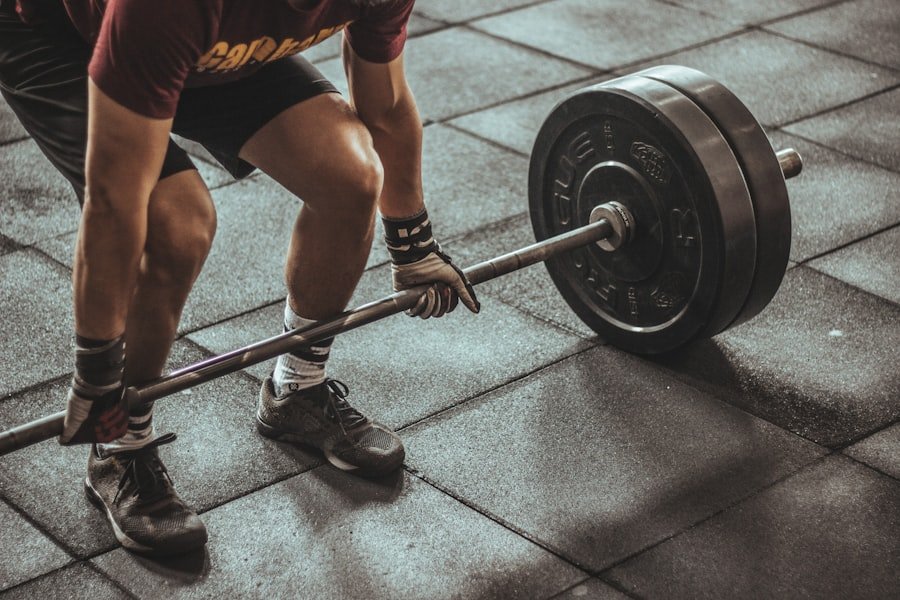
As you embark on a fitness journey, one of the most rewarding aspects is witnessing the increase in your strength and endurance. Strength training exercises, such as weightlifting or bodyweight workouts, challenge your muscles and stimulate growth. You may start with lighter weights or simpler movements, but as you progress, you’ll find that you can lift heavier and perform more complex exercises with ease.
This newfound strength not only enhances your physical appearance but also boosts your confidence and self-esteem. Endurance is another critical component of fitness that you can develop through consistent training. Activities like running, cycling, or participating in group fitness classes can significantly improve your stamina over time.
As you push your limits, you’ll notice that tasks that once left you breathless become manageable. This increase in endurance allows you to engage in longer workouts or participate in activities that require sustained effort, such as hiking or playing sports. The sense of accomplishment that comes from achieving new personal bests can be incredibly motivating and encourage you to set even higher goals.
Enhanced Flexibility and Mobility
Flexibility and mobility are essential components of overall fitness that often get overlooked. When you prioritize stretching and mobility exercises in your routine, you may find that your range of motion improves significantly. This enhancement can lead to better performance in various physical activities and reduce the risk of injury.
Incorporating practices like yoga or Pilates can help you develop a deeper awareness of your body while promoting relaxation and stress relief. As you work on your flexibility, you’ll likely notice improvements in your posture and alignment as well. Better posture not only contributes to a more confident appearance but also alleviates discomfort associated with prolonged sitting or standing.
By dedicating time to flexibility training, you create a more balanced body that can move efficiently through daily tasks and physical challenges alike. This newfound mobility can enhance your quality of life, making it easier to engage in activities you enjoy without discomfort or limitations.
Weight Loss and Body Composition
If weight loss is one of your goals, regular exercise is a powerful tool in achieving it. When you engage in physical activity, you burn calories, which can help create a calorie deficit necessary for weight loss. Combining cardiovascular exercises with strength training can be particularly effective, as building muscle increases your resting metabolic rate.
This means that even when you’re not exercising, your body continues to burn calories more efficiently. In addition to weight loss, exercise plays a crucial role in improving body composition. As you lose fat and gain muscle through consistent training, you’ll notice changes in how your body looks and feels.
This transformation can lead to increased confidence and a more positive self-image. It’s important to remember that everyone’s journey is unique; focusing on how you feel rather than just the numbers on a scale can help maintain motivation and foster a healthier relationship with your body.
Community and Support
One of the most enriching aspects of engaging in fitness activities is the sense of community and support that often accompanies it. Whether you join a local gym, participate in group classes, or engage in outdoor activities with friends, being part of a fitness community can provide motivation and encouragement. Surrounding yourself with like-minded individuals who share similar goals can create a positive environment where everyone uplifts one another.
Additionally, having a support system can help you stay accountable to your fitness goals. When you’re part of a community, you’re more likely to show up for workouts and push through challenges together. Celebrating each other’s successes fosters camaraderie and strengthens bonds, making the journey toward better health more enjoyable.
You may find that these connections extend beyond the gym or workout space, leading to lasting friendships built on shared experiences and mutual encouragement.
Mental Health Benefits
The mental health benefits of regular exercise are profound and well-documented. When you engage in physical activity, your body releases endorphins—often referred to as “feel-good” hormones—that can elevate your mood and reduce feelings of anxiety or depression. You may find that after a workout, you’re not only physically invigorated but also mentally refreshed, ready to tackle the challenges of the day.
Moreover, exercise provides an excellent outlet for stress relief. As you focus on your movements and breathe deeply during workouts, you may experience a meditative state that allows you to clear your mind and let go of daily worries. This mental clarity can lead to improved focus and productivity in other areas of your life.
By prioritizing physical activity as part of your routine, you’re investing in both your physical health and mental well-being.
Functional Fitness
Functional fitness refers to exercises that mimic everyday movements, helping you perform daily tasks with greater ease and efficiency. By incorporating functional training into your routine, you’re not just working out for aesthetics; you’re preparing your body for real-life challenges. Activities like squatting, lifting, pushing, and pulling are fundamental movements that enhance your ability to navigate daily life.
As you develop functional strength, you’ll likely notice improvements in how you carry groceries, play with children, or engage in hobbies like gardening or sports. This practical approach to fitness ensures that you’re not only building muscle but also enhancing your overall quality of life. The confidence gained from knowing that you’re physically capable of handling everyday tasks can be incredibly empowering.
Variety and Challenge
One of the keys to maintaining motivation in any fitness journey is variety and challenge. Engaging in different types of workouts keeps things fresh and exciting while preventing boredom from setting in. Whether it’s trying out new classes at the gym, exploring outdoor activities like hiking or kayaking, or experimenting with different workout styles like HIIT or dance fitness, mixing things up can reignite your passion for exercise.
Additionally, challenging yourself with new goals or workouts can lead to significant progress over time. Setting benchmarks for yourself—whether it’s running a certain distance or mastering a new skill—can provide a sense of accomplishment that fuels your desire to keep pushing forward. Embracing variety not only enhances physical fitness but also keeps your mind engaged and eager for new experiences.
Time Efficiency
In today’s fast-paced world, finding time for exercise can be challenging. However, incorporating efficient workouts into your routine can yield significant results without requiring hours at the gym. High-Intensity Interval Training (HIIT) is one such approach that allows you to maximize calorie burn and improve cardiovascular fitness in shorter sessions.
By alternating between intense bursts of activity and brief rest periods, you can achieve an effective workout in as little as 20-30 minutes. Moreover, focusing on compound movements during strength training—exercises that work multiple muscle groups simultaneously—can save time while delivering excellent results. By prioritizing efficiency in your workouts, you’ll find it easier to fit exercise into your busy schedule without sacrificing effectiveness.
This time-efficient approach allows you to maintain consistency while balancing other commitments in your life.
Injury Prevention and Rehabilitation
Regular exercise plays a crucial role in injury prevention by strengthening muscles, improving flexibility, and enhancing overall body awareness. When you engage in physical activity consistently, you’re less likely to experience injuries related to weakness or imbalances within the body. Incorporating strength training alongside cardiovascular workouts helps build resilience against common injuries associated with sports or daily activities.
For those recovering from injuries, exercise is often an essential component of rehabilitation. Working with a qualified trainer or physical therapist can help tailor a program that addresses specific needs while promoting healing and recovery. By gradually reintroducing movement into your routine under professional guidance, you’ll be better equipped to regain strength and mobility safely.
Sport-Specific Training
If you’re passionate about a particular sport or activity, engaging in sport-specific training can take your performance to the next level. Tailoring your workouts to mimic the demands of your chosen sport allows you to develop skills that directly translate into improved performance on the field or court. Whether it’s agility drills for soccer players or strength training for runners, focusing on sport-specific movements enhances both skill level and confidence.
Additionally, sport-specific training fosters a deeper understanding of the mechanics involved in your chosen activity. By honing in on techniques relevant to your sport, you’ll not only improve performance but also reduce the risk of injury associated with improper form or overexertion. This targeted approach ensures that you’re not just working hard but working smart—maximizing results while enjoying the process of becoming a better athlete.
In conclusion, embracing an active lifestyle offers numerous benefits that extend far beyond physical appearance. From improved cardiovascular health to enhanced mental well-being and community support, each aspect contributes to a holistic approach to fitness that enriches every facet of life. By prioritizing regular exercise and exploring various forms of movement, you’re investing in yourself—creating a healthier, happier version of you ready to tackle whatever challenges come your way.
CrossFit training in Frisco, TX, offers numerous benefits, including improved strength, endurance, and overall fitness. For those interested in understanding how to maximize their training results, a related article on optimal training frequency and intensity can provide valuable insights. You can read more about it in this article. This resource will help you tailor your workouts to achieve the best possible outcomes from your CrossFit experience.
FAQs
What is Crossfit training?
Crossfit training is a high-intensity fitness program that incorporates elements of weightlifting, aerobic exercise, and bodyweight movements. It is designed to improve overall fitness and performance.
What are the benefits of Crossfit training?
Some benefits of Crossfit training include improved strength, endurance, flexibility, and agility. It also promotes fat loss, muscle gain, and overall physical fitness.
Is Crossfit training suitable for beginners?
Yes, Crossfit training can be scaled to accommodate individuals of all fitness levels, including beginners. Trainers can modify workouts to match the abilities of each participant.
Are there any risks associated with Crossfit training?
Like any form of exercise, there are potential risks associated with Crossfit training, such as overtraining, improper form, and injury. It is important to work with a qualified trainer and listen to your body to minimize these risks.
How often should I do Crossfit training?
The frequency of Crossfit training can vary depending on individual fitness goals and abilities. It is recommended to start with 3-4 sessions per week and adjust as needed based on recovery and progress.
Can Crossfit training help with weight loss?
Yes, Crossfit training can be an effective tool for weight loss due to its high-intensity nature and focus on functional movements. When combined with a balanced diet, it can help individuals achieve their weight loss goals.