
As you age, your body undergoes numerous changes, one of which is the gradual loss of muscle mass and strength, a condition known as sarcopenia. This phenomenon typically begins in your thirties and accelerates after the age of 60. Sarcopenia is not merely a natural part of aging; it can significantly impact your quality of life, leading to increased frailty, reduced mobility, and a higher risk of falls and injuries.
Understanding sarcopenia is crucial for you as it empowers you to take proactive steps to mitigate its effects. The implications of sarcopenia extend beyond physical limitations. You may find that decreased muscle mass affects your metabolism, making it more challenging to maintain a healthy weight.
Additionally, the loss of strength can hinder your ability to perform daily activities, from climbing stairs to carrying groceries. This decline can lead to a cycle of inactivity, further exacerbating muscle loss and increasing the risk of chronic diseases. Recognizing the signs of sarcopenia early on can help you take action to preserve your muscle health and overall well-being.
Key Takeaways
- Sarcopenia is the age-related loss of muscle mass and strength, which can lead to decreased mobility and increased risk of falls in older adults.
- Resistance training is crucial for combating sarcopenia, as it helps to build and maintain muscle mass and strength.
- When tailoring exercise programs for older adults, it’s important to consider their individual needs, abilities, and any existing health conditions.
- Nutritional strategies, such as consuming adequate protein and essential nutrients, are essential for supporting muscle building in older adults.
- Rest and recovery are crucial for muscle building in older adults, as it allows the body to repair and grow muscle tissue.
The Importance of Resistance Training for Combatting Sarcopenia
One of the most effective strategies for combating sarcopenia is engaging in resistance training. This form of exercise involves using weights or resistance bands to challenge your muscles, promoting growth and strength. As you incorporate resistance training into your routine, you stimulate muscle fibers, encouraging them to adapt and grow stronger.
This is particularly important for you as it not only helps counteract the effects of sarcopenia but also enhances your overall physical function. Resistance training offers numerous benefits beyond muscle building. It can improve your bone density, reduce the risk of osteoporosis, and enhance your balance and coordination.
These factors are vital for maintaining independence as you age. By committing to a regular resistance training program, you can experience increased energy levels, improved mood, and a greater sense of accomplishment. The key is to start at a level that feels comfortable for you and gradually increase the intensity as your strength improves.
Tailoring Exercise Programs for Older Adults: Considerations and Recommendations
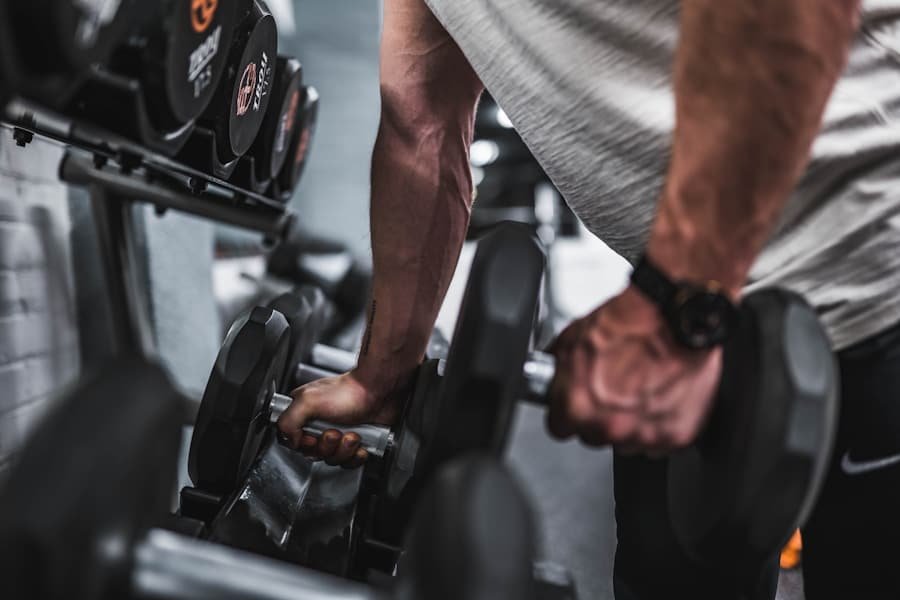
When designing an exercise program tailored specifically for older adults, several considerations come into play. First and foremost, it’s essential to assess your current fitness level and any pre-existing health conditions. Consulting with a healthcare professional or a certified trainer can provide valuable insights into what types of exercises are safe and effective for you.
This personalized approach ensures that you engage in activities that align with your capabilities while still challenging you enough to promote muscle growth. In addition to safety considerations, variety is crucial in keeping your exercise routine engaging. Incorporating different forms of exercise—such as aerobic activities, flexibility training, and balance exercises—can enhance your overall fitness while preventing boredom.
Aim for a balanced program that includes resistance training at least two to three times per week, complemented by cardiovascular exercises like walking or swimming. Remember that consistency is key; finding activities you enjoy will make it easier for you to stick with your program over time.
Nutritional Strategies to Support Muscle Building in Older Adults
Nutrition plays a pivotal role in supporting muscle building as you age. To effectively combat sarcopenia, it’s essential to focus on consuming adequate protein, which serves as the building block for muscle repair and growth. Aim to include high-quality protein sources in each meal, such as lean meats, fish, eggs, dairy products, legumes, and nuts.
Research suggests that older adults may require more protein than younger individuals to achieve the same muscle-building effects, so be mindful of your intake. In addition to protein, consider incorporating nutrient-dense foods rich in vitamins and minerals that support muscle health. Foods high in omega-3 fatty acids, such as fatty fish and flaxseeds, have been shown to have anti-inflammatory properties that can aid muscle recovery.
Furthermore, ensure you’re consuming enough calories to fuel your workouts and daily activities; under-eating can hinder your progress in building muscle mass. Staying hydrated is equally important; water plays a vital role in overall health and can impact your performance during exercise.
The Role of Rest and Recovery in Muscle Building for Older Adults
While exercise is crucial for building muscle, rest and recovery are equally important components of any fitness regimen. As you engage in resistance training or other forms of exercise, your muscles experience tiny tears that need time to heal and grow stronger. For older adults, adequate rest becomes even more critical due to the natural decline in recovery capacity that occurs with age.
Prioritizing rest days allows your body to repair itself and adapt to the stresses placed upon it. Incorporating active recovery strategies can also enhance your overall recovery process. Gentle activities such as walking, stretching, or yoga can promote blood flow and reduce muscle soreness without placing additional strain on your body.
Additionally, consider implementing restorative practices like adequate sleep and stress management techniques into your routine. Quality sleep is essential for muscle recovery and overall health; aim for 7-9 hours per night to support your fitness goals effectively.
The Benefits of Functional Training for Older Adults with Sarcopenia

Functional training focuses on exercises that mimic everyday movements, making it particularly beneficial for older adults dealing with sarcopenia. By incorporating functional exercises into your routine, you can improve your strength, balance, and coordination in ways that directly translate to daily activities. For instance, movements like squats, lunges, and step-ups can enhance your ability to navigate stairs or get up from a seated position with ease.
Moreover, functional training emphasizes core stability and flexibility, both of which are essential for maintaining mobility as you age. Engaging in these types of exercises can help reduce the risk of falls—a significant concern for older adults—and improve your overall quality of life. By focusing on functional movements, you’re not just building muscle; you’re also enhancing your ability to perform daily tasks independently and confidently.
The Potential Role of Supplements in Combating Sarcopenia in Older Adults
While a well-balanced diet should be your primary source of nutrients, certain supplements may offer additional support in combating sarcopenia. Protein supplements, such as whey protein or plant-based alternatives, can help you meet your protein needs more easily if you’re struggling to consume enough through food alone. Additionally, creatine supplementation has been shown to enhance muscle mass and strength gains when combined with resistance training.
Other supplements worth considering include vitamin D and omega-3 fatty acids. Vitamin D plays a crucial role in muscle function and bone health; many older adults are deficient in this essential nutrient due to limited sun exposure or dietary intake. Omega-3 fatty acids have anti-inflammatory properties that may aid muscle recovery and support overall health.
However, it’s essential to consult with a healthcare professional before starting any new supplement regimen to ensure safety and efficacy.
The Importance of Consistency and Patience in Muscle Building for Older Adults
Building muscle as an older adult requires consistency and patience; results may not be immediate but will come with dedication over time. Establishing a regular exercise routine is vital; aim for at least 150 minutes of moderate-intensity aerobic activity each week alongside resistance training sessions. Tracking your progress can help keep you motivated; celebrate small victories along the way—whether it’s lifting heavier weights or completing an additional set.
It’s also important to remember that everyone’s journey is unique; factors such as genetics, previous activity levels, and overall health can influence how quickly you see results. Embrace the process and focus on the positive changes you’re making in your life rather than solely on physical outcomes. By cultivating a mindset centered on growth and improvement, you’ll find greater enjoyment in your fitness journey while effectively combating sarcopenia and enhancing your quality of life as you age.
Are There Specific Muscle-building Techniques for Older Adults to Combat Muscle Loss-sarcopenia? This article explores the importance of macronutrients in muscle-building for older adults. It discusses how protein, carbohydrates, and fats play a crucial role in maintaining muscle mass and combating sarcopenia. For more information on the role of macronutrients in muscle-building, check out this related article.
FAQs
What is sarcopenia?
Sarcopenia is the age-related loss of muscle mass, strength, and function. It is a natural part of the aging process, but it can be exacerbated by factors such as sedentary lifestyle, poor nutrition, and certain medical conditions.
Why is muscle loss a concern for older adults?
Muscle loss can lead to decreased strength, mobility, and independence, making older adults more susceptible to falls, fractures, and other health issues. It can also contribute to a decline in overall health and quality of life.
Are there specific muscle-building techniques for older adults to combat sarcopenia?
Yes, there are specific muscle-building techniques that can help older adults combat muscle loss. These include resistance training, such as weightlifting or using resistance bands, as well as incorporating adequate protein intake and maintaining a balanced diet.
How does resistance training help combat muscle loss in older adults?
Resistance training helps older adults build and maintain muscle mass, strength, and function. It can also improve bone density, balance, and overall physical performance, reducing the risk of falls and fractures.
What are some considerations for older adults when engaging in muscle-building exercises?
Older adults should start with light weights and gradually increase the intensity as they build strength. It’s important to use proper form and technique to prevent injury. Consulting with a healthcare professional or a certified trainer is recommended to develop a safe and effective exercise program.