
When it comes to fitness and exercise, recovery is a crucial component that often gets overlooked. You may find yourself caught up in the intensity of your workouts, but understanding the difference between active and passive recovery can significantly enhance your performance and overall well-being. Active recovery involves engaging in low-intensity activities that promote blood flow and help your muscles recover without putting them under significant strain.
This could mean going for a light jog, cycling at a leisurely pace, or even participating in a gentle yoga session. The key here is to keep your body moving while allowing it to recuperate. On the other hand, passive recovery is all about rest and relaxation.
This method allows your body to recover without any physical exertion. You might think of passive recovery as taking a break from all forms of exercise, allowing your muscles to repair themselves fully. This could involve simply lying on the couch, taking a nap, or indulging in a spa day.
Both active and passive recovery have their unique benefits, and understanding how they work can help you tailor your recovery strategy to suit your individual needs.
Key Takeaways
- Active recovery involves low-intensity exercise to promote blood flow and aid in muscle recovery, while passive recovery involves rest and relaxation.
- Benefits of active recovery include improved circulation, reduced muscle soreness, and enhanced flexibility and mobility.
- Examples of active recovery techniques include walking, yoga, swimming, and light cycling.
- Passive recovery allows the body to rest and repair itself, leading to reduced fatigue and improved performance.
- Examples of passive recovery techniques include massage, foam rolling, stretching, and taking a hot bath.
Benefits of Active Recovery
Engaging in active recovery can provide numerous benefits that go beyond just muscle repair. One of the most significant advantages is improved circulation. When you participate in low-intensity activities, your heart rate increases slightly, which helps pump blood throughout your body.
This enhanced blood flow delivers essential nutrients to your muscles, aiding in the recovery process and reducing soreness. You may notice that after a session of active recovery, you feel less stiff and more energized, allowing you to bounce back more quickly for your next workout. Another benefit of active recovery is its positive impact on mental health.
After an intense workout, you might feel mentally drained or fatigued. Engaging in light activities can help lift your mood and reduce stress levels. The endorphins released during physical activity can create a sense of well-being, making you feel more relaxed and focused.
This mental clarity can be particularly beneficial if you’re preparing for another challenging workout or need to tackle daily tasks with renewed energy.
Examples of Active Recovery Techniques

There are various techniques you can incorporate into your active recovery routine, each tailored to different preferences and fitness levels. One popular method is walking or light jogging. If you’ve just completed a strenuous workout, consider taking a brisk walk around your neighborhood or jogging at a comfortable pace.
This not only helps with muscle recovery but also allows you to enjoy the outdoors and clear your mind. Another effective technique is swimming. The buoyancy of water reduces the impact on your joints while providing resistance that can help strengthen your muscles.
Swimming at a leisurely pace can be incredibly refreshing and serves as an excellent way to engage in active recovery without overexerting yourself. Additionally, yoga is an excellent option for active recovery. Gentle yoga poses can improve flexibility, promote relaxation, and help alleviate muscle tension, making it a holistic approach to recovery.
Benefits of Passive Recovery
While active recovery has its perks, passive recovery also plays an essential role in your overall fitness journey. One of the primary benefits of passive recovery is that it allows your body to fully rest and repair itself. When you engage in intense workouts, microscopic tears occur in your muscle fibers.
Passive recovery gives your body the time it needs to heal these tears, leading to stronger muscles over time. You may find that taking a day off from exercise allows you to return to your routine feeling rejuvenated and ready to tackle new challenges. Moreover, passive recovery can help prevent burnout.
Constantly pushing yourself without adequate rest can lead to fatigue and decreased motivation. By incorporating periods of passive recovery into your routine, you allow yourself the mental space to recharge. This can lead to improved focus and enthusiasm when you return to your workouts.
You might discover that taking time off not only benefits your physical health but also enhances your overall enjoyment of fitness.
Examples of Passive Recovery Techniques
There are several techniques you can employ for effective passive recovery, each designed to help you unwind and rejuvenate. One of the simplest methods is taking a nap or ensuring you get enough sleep at night. Sleep is vital for muscle repair and overall health, so prioritizing quality rest can significantly enhance your recovery process.
You may find that even a short power nap can leave you feeling refreshed and ready to take on the world. Another popular technique is indulging in activities that promote relaxation, such as reading a book or watching a movie. These activities allow your mind to shift gears and take a break from the demands of physical exertion.
Additionally, consider treating yourself to a massage or spa day. Professional massages can alleviate muscle tension and improve circulation, making them an excellent choice for passive recovery. You might find that these moments of indulgence not only help your body recover but also provide a much-needed mental escape.
When to Use Active Recovery
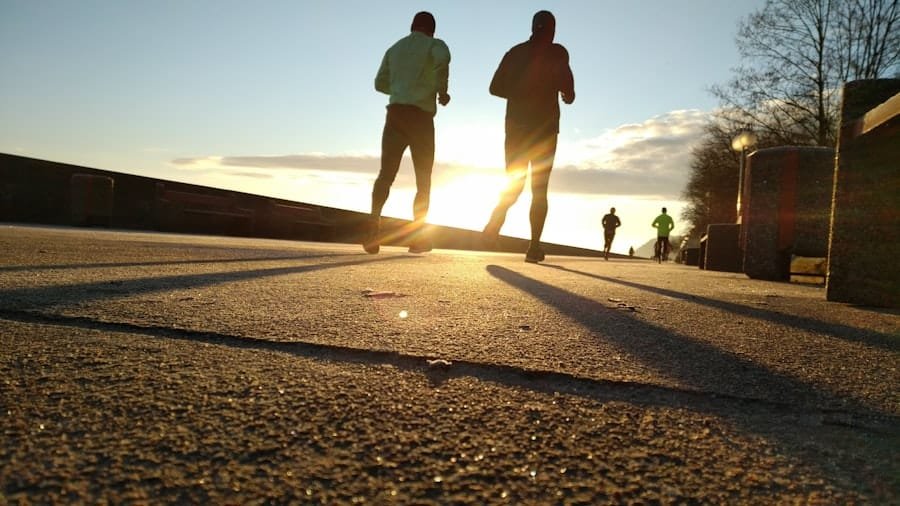
Knowing when to incorporate active recovery into your routine is essential for maximizing its benefits. Generally speaking, active recovery is most beneficial after intense workouts or competitions when your muscles are fatigued but not injured. If you’ve just completed a heavy lifting session or an intense cardio workout, engaging in light activity the following day can help alleviate soreness and stiffness while promoting blood flow.
Additionally, consider using active recovery on days when you feel mentally drained but not physically exhausted. If you’re struggling with motivation but still want to maintain some level of activity, light exercises like walking or stretching can keep you engaged without overwhelming you. This approach allows you to stay connected to your fitness routine while giving your body the chance to recover adequately.
When to Use Passive Recovery
Passive recovery should be prioritized when you’re feeling particularly fatigued or if you’ve experienced an injury during your workouts. If you’re dealing with soreness that feels more intense than usual or if you’re experiencing pain in specific areas, it may be time to take a break from physical activity altogether. Allowing yourself this time off will enable your body to heal properly and prevent further injury.
Moreover, consider incorporating passive recovery into your routine after particularly grueling training cycles or competitions. If you’ve just completed a marathon or an intense training block, giving yourself several days of rest can be incredibly beneficial for both physical and mental recovery. During these periods, focus on nourishing your body with healthy foods and ensuring you’re getting enough sleep to support the healing process.
Combining Active and Passive Recovery Techniques
The most effective recovery strategy often involves a combination of both active and passive techniques tailored to your individual needs and circumstances. For instance, after an intense week of training, you might choose to engage in active recovery activities like light jogging or yoga on one day while dedicating the following day entirely to passive recovery methods such as napping or enjoying a leisurely day at home. By alternating between these two approaches, you create a balanced recovery plan that addresses both physical and mental aspects of fitness.
You may find that this combination not only enhances your overall performance but also keeps you motivated and engaged in your fitness journey. Ultimately, understanding how to effectively integrate both active and passive recovery techniques will empower you to listen to your body and make informed decisions about your training regimen. In conclusion, both active and passive recovery play vital roles in maintaining optimal health and performance levels.
By understanding their unique benefits and knowing when to implement each technique, you can create a personalized recovery strategy that supports your fitness goals while promoting overall well-being. Whether you’re engaging in light activities or indulging in well-deserved rest, prioritizing recovery will ultimately lead you toward greater success in your fitness journey.
When it comes to maximizing muscle growth, recovery plays a crucial role. In the debate between active vs passive recovery, it’s important to consider all factors that can affect muscle growth. One related article that delves into the importance of protein intake for muscle gain can be found here. Understanding how protein consumption impacts muscle recovery and growth can help individuals make informed decisions about their recovery strategies. Additionally, having a well-rounded muscle gain diet plan, like the one outlined in this article, can further optimize the recovery process and support muscle growth. By considering all aspects that affect muscle growth, individuals can tailor their recovery methods to achieve their fitness goals effectively.
FAQs
What is active recovery?
Active recovery refers to engaging in low-intensity exercise or movement following a strenuous workout or physical activity. This can include activities such as walking, yoga, or light stretching.
What is passive recovery?
Passive recovery involves resting and allowing the body to recover without engaging in any physical activity. This can include activities such as sitting or lying down, and may also involve techniques such as ice baths or massage.
What are the benefits of active recovery?
Active recovery can help improve blood flow, reduce muscle soreness, and promote the removal of waste products from the muscles. It can also help maintain flexibility and range of motion, and may aid in mental relaxation and stress reduction.
What are the benefits of passive recovery?
Passive recovery allows the body to rest and repair itself, promoting muscle recovery and reducing the risk of overtraining. It can also help reduce inflammation and provide a mental break from intense physical activity.
When should I use active recovery?
Active recovery is beneficial for promoting blood flow and reducing muscle stiffness after a workout. It can be particularly useful for athletes who want to maintain their fitness level while allowing their muscles to recover.
When should I use passive recovery?
Passive recovery is beneficial when the body is fatigued or when muscles are particularly sore or inflamed. It is also useful for allowing the body to fully rest and recover after a period of intense physical activity.