When you embark on the journey of transforming your body, it’s essential to grasp the fundamental principles of muscle gain and fat loss. At its core, muscle gain occurs when you create a positive energy balance, meaning you consume more calories than you burn, while fat loss requires a negative energy balance, where you burn more calories than you take in. This duality can seem contradictory, but with the right approach, you can achieve both simultaneously.
Understanding how your body utilizes energy and how muscle and fat interact is crucial for your success. To effectively navigate this process, you need to recognize that muscle gain and fat loss are influenced by various factors, including your diet, exercise routine, and overall lifestyle. Muscle is metabolically active tissue, meaning it burns calories even at rest, while fat serves as an energy reserve.
Therefore, increasing your muscle mass can enhance your metabolism, making it easier to shed unwanted fat. However, achieving this balance requires a strategic approach that combines proper nutrition and a well-structured workout regimen tailored to your specific goals.
Key Takeaways
- Understanding the basics of muscle gain and fat loss is essential for achieving optimal results in body composition.
- Nutrition plays a crucial role in simultaneous muscle gain and fat loss, emphasizing the importance of a balanced diet.
- Designing a proper workout routine that includes both strength training and cardio is key for achieving muscle gain and fat loss simultaneously.
- Incorporating high-intensity interval training (HIIT) into your workout routine can be effective for fat loss.
- Balancing cardio and strength training is important for achieving optimal results in muscle gain and fat loss.
The Importance of Nutrition for Simultaneous Muscle Gain and Fat Loss
Nutrition plays a pivotal role in your quest for muscle gain and fat loss. To build muscle, your body needs adequate protein to repair and grow muscle fibers after workouts. Aim for a protein intake that supports your training regimen—generally around 1.6 to 2.2 grams of protein per kilogram of body weight is recommended for those looking to gain muscle.
However, it’s not just about protein; you also need to ensure that you’re consuming enough healthy fats and carbohydrates to fuel your workouts and recovery. Balancing macronutrients is essential for achieving your goals. While protein is crucial for muscle repair, carbohydrates provide the energy necessary for high-intensity workouts.
Healthy fats support hormone production and overall health. By focusing on whole foods—lean meats, whole grains, fruits, vegetables, nuts, and seeds—you can create a nutrient-dense diet that supports both muscle growth and fat loss. Remember that the quality of your food choices can significantly impact your results; prioritize nutrient-rich options over processed foods.
Designing a Proper Workout Routine for Muscle Gain and Fat Loss
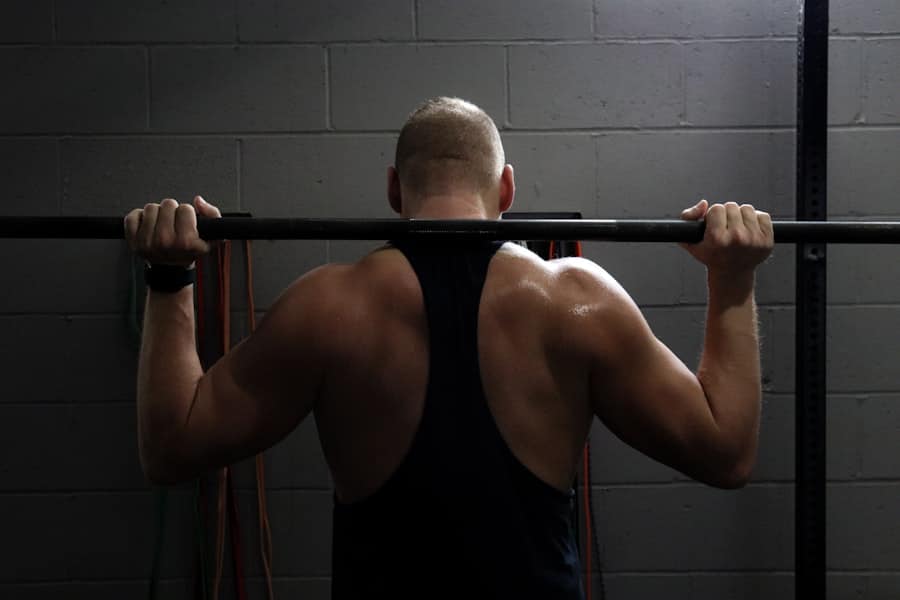
Creating an effective workout routine is vital for achieving simultaneous muscle gain and fat loss. Your program should include a mix of strength training and cardiovascular exercises tailored to your fitness level and preferences. Strength training is essential for building muscle mass; aim for at least three to four sessions per week, focusing on compound movements like squats, deadlifts, bench presses, and rows.
These exercises engage multiple muscle groups, maximizing your workout efficiency. Incorporating progressive overload into your strength training routine is key to continuous improvement. This means gradually increasing the weight or resistance you use over time to challenge your muscles further.
Additionally, don’t neglect cardiovascular exercise; it plays a crucial role in burning calories and improving heart health. Strive for a balanced approach that includes both strength training and cardio to optimize your results while keeping your workouts enjoyable.
Incorporating High-Intensity Interval Training (HIIT) for Fat Loss
High-Intensity Interval Training (HIIT) has gained popularity as an effective method for fat loss while preserving muscle mass. This training style involves short bursts of intense exercise followed by brief recovery periods. HIIT workouts can be completed in a relatively short amount of time, making them an efficient option for those with busy schedules.
The intensity of these workouts elevates your heart rate, leading to increased calorie burn during and after the session due to the afterburn effect. Incorporating HIIT into your routine can enhance your overall fitness level while promoting fat loss. You can choose from various exercises such as sprinting, cycling, or bodyweight movements like burpees and jump squats.
Aim for two to three HIIT sessions per week, ensuring you allow adequate recovery time between sessions. This approach not only helps in shedding fat but also keeps your workouts exciting and varied.
Balancing Cardio and Strength Training for Optimal Results
Finding the right balance between cardio and strength training is crucial for achieving optimal results in muscle gain and fat loss. While cardio is effective for burning calories and improving cardiovascular health, strength training is essential for building lean muscle mass. To strike this balance, consider scheduling your workouts strategically throughout the week.
For instance, you might dedicate specific days to strength training while incorporating shorter cardio sessions on alternate days. It’s important to listen to your body and adjust your routine based on how you feel. If you find that you’re feeling fatigued or not recovering adequately from strength sessions, consider reducing the frequency or intensity of your cardio workouts.
Conversely, if you’re not seeing the desired results in fat loss, you may need to increase the duration or intensity of your cardio sessions. The key is to create a routine that complements both aspects of your fitness journey without overwhelming yourself.
The Role of Rest and Recovery in Simultaneous Muscle Gain and Fat Loss
The Importance of Recovery in Muscle Growth
When you engage in strength training, you create micro-tears in your muscle fibers. It’s during the recovery phase that these fibers repair and grow stronger. Without adequate rest, you risk overtraining, which can lead to fatigue, decreased performance, and even injury.
Incorporating Rest Days into Your Routine
Incorporating rest days into your routine is essential for allowing your muscles to recover fully. Aim for at least one or two rest days per week where you engage in light activities like walking or stretching rather than intense workouts.
Prioritizing Sleep for Optimal Recovery
Additionally, prioritize sleep as it plays a significant role in recovery and overall health. Aim for seven to nine hours of quality sleep each night to support hormonal balance and muscle repair.
Tracking Progress and Making Adjustments as Needed
Tracking your progress is an essential part of any fitness journey focused on simultaneous muscle gain and fat loss. By keeping a record of your workouts, nutrition, and body measurements, you can identify patterns that help you understand what works best for you. Consider using a journal or fitness app to log your daily activities, including exercises performed, weights lifted, meals consumed, and any changes in body composition.
Regularly assessing your progress allows you to make informed adjustments to your routine as needed. If you find that you’re not gaining muscle or losing fat as expected, it may be time to reevaluate your nutrition or workout plan. Don’t be afraid to experiment with different strategies until you find what works best for your body.
Remember that progress may not always be linear; patience and consistency are key components of long-term success.
Managing Stress and Sleep for Better Muscle Gain and Fat Loss
Stress management is often an overlooked aspect of achieving simultaneous muscle gain and fat loss. Chronic stress can lead to elevated cortisol levels, which may hinder muscle growth and promote fat storage, particularly around the abdominal area. Incorporating stress-reducing practices into your daily routine can significantly impact your results.
Consider activities such as yoga, meditation, or deep breathing exercises to help manage stress levels effectively. In addition to managing stress, prioritizing sleep is crucial for optimal performance in both training and recovery. Lack of sleep can negatively affect hormone levels related to appetite regulation and muscle recovery.
Aim for consistent sleep patterns by establishing a bedtime routine that promotes relaxation before sleep. By addressing both stress and sleep quality, you create an environment conducive to achieving your fitness goals.
Avoiding Common Mistakes that Hinder Simultaneous Muscle Gain and Fat Loss
As you pursue simultaneous muscle gain and fat loss, it’s important to be aware of common mistakes that could hinder your progress. One prevalent error is focusing solely on one goal at a time—either gaining muscle or losing fat—rather than finding a balance between the two. This all-or-nothing mindset can lead to frustration and stagnation in results.
Another mistake is neglecting proper nutrition in favor of excessive exercise. While working out is essential, without adequate fuel from a balanced diet, you may struggle to achieve either goal effectively. Additionally, be cautious of falling into the trap of comparing yourself to others; everyone’s body responds differently to training and nutrition strategies.
Focus on your unique journey rather than external benchmarks.
Understanding the Role of Genetics in Muscle Gain and Fat Loss
Genetics play a significant role in how your body responds to exercise and nutrition when it comes to muscle gain and fat loss. Some individuals may find it easier to build muscle due to their genetic predisposition toward higher levels of fast-twitch muscle fibers or favorable hormone profiles. Conversely, others may struggle with fat loss despite their best efforts due to genetic factors influencing metabolism or fat distribution.
While genetics can influence your results, they do not dictate them entirely. Understanding how your body responds can help you tailor your approach more effectively. Instead of viewing genetics as a limitation, consider them as a starting point from which you can work toward optimizing your fitness journey through consistent effort and informed choices.
Seeking Professional Guidance and Support for Simultaneous Muscle Gain and Fat Loss
Finally, seeking professional guidance can be invaluable in achieving simultaneous muscle gain and fat loss effectively. A certified personal trainer or nutritionist can provide personalized advice tailored to your specific goals, helping you navigate the complexities of diet and exercise more efficiently. They can assess your current fitness level, design a customized workout plan, and offer nutritional guidance that aligns with your objectives.
Additionally, surrounding yourself with a supportive community can enhance motivation and accountability throughout your journey. Whether it’s joining a fitness class or finding an online support group, connecting with others who share similar goals can provide encouragement during challenging times. Remember that seeking help is not a sign of weakness; rather, it demonstrates a commitment to achieving lasting results on your path toward better health and fitness.
If you’re looking to gain muscle and lose fat simultaneously, you may want to consider incorporating cardiovascular exercise into your routine. According to a recent article on musclesbuilder.tips, cardiovascular exercise can help improve your overall fitness level and aid in muscle building. Additionally, advanced muscle building techniques, as discussed in another article on the same site here, can also be beneficial in achieving your fitness goals. And don’t forget to calculate your protein intake using the helpful calculator provided in this article here to ensure you’re getting the necessary nutrients for muscle growth.
FAQs
What is the concept of gaining muscle and losing fat at the same time?
The concept of gaining muscle and losing fat at the same time, also known as body recomposition, involves building muscle mass while simultaneously reducing body fat percentage.
Is it possible to gain muscle and lose fat at the same time?
Yes, it is possible to gain muscle and lose fat at the same time, especially for beginners or those returning to exercise after a break. However, the rate of progress may vary for each individual.
What are the key factors in gaining muscle and losing fat simultaneously?
The key factors in gaining muscle and losing fat simultaneously include following a balanced diet with adequate protein intake, engaging in resistance training, incorporating cardiovascular exercise, and ensuring sufficient rest and recovery.
How does nutrition play a role in gaining muscle and losing fat at the same time?
Nutrition plays a crucial role in body recomposition, as it is important to consume enough protein to support muscle growth while maintaining a caloric deficit to promote fat loss.
What type of exercise is recommended for gaining muscle and losing fat simultaneously?
A combination of resistance training, such as weightlifting, and cardiovascular exercise, such as HIIT or steady-state cardio, is recommended for gaining muscle and losing fat simultaneously.
How important is rest and recovery in the process of gaining muscle and losing fat at the same time?
Rest and recovery are essential for muscle growth and fat loss. It is important to allow the body to recover between workouts and ensure adequate sleep for optimal results.