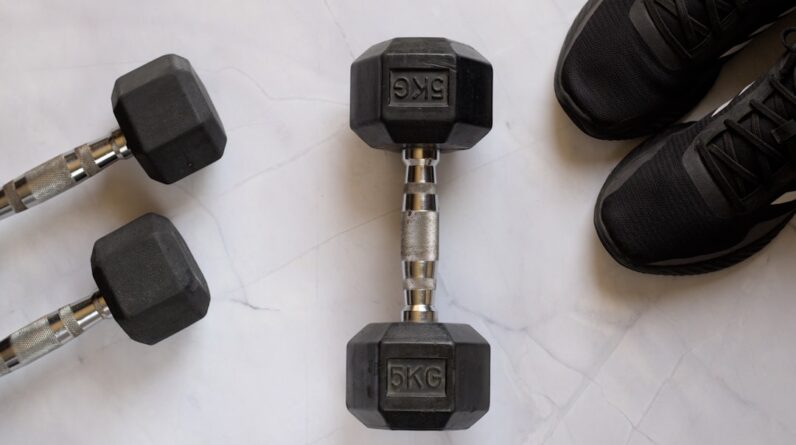
When embarking on a fitness journey, you may find that having a structured workout plan is crucial to your success. A well-thought-out plan serves as a roadmap, guiding you through your fitness goals and helping you stay focused on your objectives. Without a clear plan, it’s easy to become overwhelmed or lose motivation, leading to inconsistent workouts and minimal progress.
By establishing a workout plan, you create a framework that not only outlines your exercises but also sets the tone for your commitment to muscle building. Moreover, a workout plan allows you to track your progress over time. You can see how far you’ve come, which can be incredibly motivating.
It also helps you identify areas where you may need to adjust your approach. Whether you’re aiming to increase strength, build muscle mass, or improve endurance, having a plan in place ensures that you are consistently working towards your goals. This structured approach can help you stay accountable and make your fitness journey more enjoyable and rewarding.
Key Takeaways
- Having a workout plan is important for achieving fitness goals
- Setting realistic goals is crucial for muscle building success
- A balanced workout routine should include both compound and isolation exercises
- Focusing on progressive overload is key for muscle growth
- Proper rest, nutrition, and tracking progress are essential for muscle building
Setting Realistic Goals for Muscle Building
As you begin to formulate your workout plan, setting realistic goals is essential. You might be tempted to aim for rapid muscle gain or extraordinary strength increases, but it’s important to remember that muscle building is a gradual process. By setting achievable goals, you can maintain motivation and avoid disappointment.
Consider breaking down your larger objectives into smaller, manageable milestones. For instance, instead of aiming to lift a certain weight within a month, focus on increasing your lifting capacity by a small percentage each week. Additionally, it’s vital to consider your individual circumstances when setting goals.
Factors such as your current fitness level, body type, and lifestyle can all influence how quickly you can build muscle. By taking these elements into account, you can create personalized goals that are both challenging and attainable. This tailored approach not only enhances your chances of success but also fosters a sense of accomplishment as you reach each milestone along the way.
Designing a Balanced Workout Routine

Creating a balanced workout routine is key to achieving optimal results in muscle building. You should aim to incorporate various types of exercises that target different muscle groups while also considering the importance of cardiovascular fitness and flexibility. A well-rounded routine typically includes strength training, aerobic exercises, and stretching.
This balance not only promotes muscle growth but also enhances overall health and reduces the risk of injury. When designing your routine, think about how often you want to work out each week and how you can effectively split your workouts. For example, you might choose to focus on upper body exercises one day and lower body exercises the next.
Alternatively, you could opt for full-body workouts that engage multiple muscle groups in each session. Whatever approach you choose, ensure that your routine includes adequate variety to keep things interesting and prevent plateaus in your progress.
Incorporating Compound and Isolation Exercises
To maximize your muscle-building potential, it’s essential to incorporate both compound and isolation exercises into your workout routine. Compound exercises, such as squats, deadlifts, and bench presses, engage multiple muscle groups simultaneously and are highly effective for building overall strength and mass. These movements mimic real-life activities and promote functional fitness, making them an excellent foundation for any workout plan.
On the other hand, isolation exercises target specific muscles and allow for more focused development. Movements like bicep curls or tricep extensions can help refine particular areas and enhance muscle definition. By combining both types of exercises in your routine, you can achieve a balanced approach that promotes both strength and aesthetics.
This dual strategy not only helps in building muscle but also contributes to improved performance in compound lifts.
Focusing on Progressive Overload
One of the most critical principles in muscle building is progressive overload. This concept revolves around gradually increasing the demands placed on your muscles during workouts. You might achieve this by increasing the weight you lift, adding more repetitions or sets, or reducing rest time between sets.
The key is to consistently challenge your muscles so they adapt and grow stronger over time. As you implement progressive overload into your routine, it’s important to listen to your body. While pushing yourself is essential for growth, overdoing it can lead to injury or burnout.
Striking the right balance between challenging yourself and allowing for adequate recovery is crucial for long-term success. By carefully monitoring your progress and making incremental adjustments, you can ensure that you’re continually moving forward in your muscle-building journey.
Including Proper Rest and Recovery

Why Rest Days are Essential
Without sufficient rest, you may hinder your progress and increase the risk of injury. To optimize recovery, consider incorporating rest days into your weekly routine. These days allow your muscles to recuperate and rebuild, ultimately leading to better performance in subsequent workouts.
Recovery Strategies Beyond Rest
Additionally, pay attention to other recovery strategies such as proper sleep, hydration, and nutrition. Prioritizing these elements will not only enhance your muscle-building efforts but also improve your overall well-being.
Optimizing Your Recovery for Better Results
Nutrition and Supplementation for Muscle Growth
Nutrition plays a pivotal role in muscle building; what you eat directly impacts your ability to gain strength and size. A balanced diet rich in protein is essential for muscle repair and growth. Aim to include high-quality protein sources such as lean meats, fish, eggs, dairy products, legumes, and nuts in your meals.
Additionally, don’t forget about carbohydrates and healthy fats; they provide the energy needed for intense workouts and support overall health. While whole foods should be the cornerstone of your nutrition plan, some individuals may benefit from supplementation. Protein powders can be a convenient way to meet your daily protein needs, especially post-workout when your muscles are primed for nutrient absorption.
Other supplements like creatine or branched-chain amino acids (BCAAs) may also support muscle growth and recovery when used appropriately. However, it’s essential to consult with a healthcare professional before adding any supplements to ensure they align with your individual needs.
Tracking Progress and Making Adjustments
Tracking your progress is an invaluable practice that allows you to assess how well you’re meeting your goals. You might consider keeping a workout journal or using fitness apps to log your exercises, weights lifted, sets completed, and even how you feel during each session. This data not only provides insight into your progress but also helps identify patterns or areas where adjustments may be necessary.
As you monitor your progress over time, be open to making changes to your workout plan if needed. If you find that you’re no longer seeing improvements or feel stagnant in your routine, it may be time to switch things up—whether that means altering the exercises you’re doing or adjusting the intensity of your workouts. Flexibility in your approach will keep things fresh and engaging while ensuring that you’re continually challenging yourself.
Avoiding Overtraining and Injury
While dedication is vital in any fitness journey, it’s equally important to recognize the signs of overtraining and injury. Pushing yourself too hard without adequate rest can lead to fatigue, decreased performance, and even long-term injuries that could set back your progress significantly. Pay attention to how your body feels; if you’re experiencing persistent soreness or fatigue that doesn’t subside with rest, it may be time to reevaluate your training intensity.
To avoid overtraining, prioritize recovery strategies such as active rest days—engaging in light activities like walking or yoga can promote blood flow without putting additional strain on your muscles. Additionally, ensure that you’re incorporating variety into your workouts; this not only helps prevent overuse injuries but also keeps things interesting and enjoyable.
Consistency and Patience in Muscle Building
Building muscle is not an overnight process; it requires consistency and patience. You may find yourself eager for quick results but remember that sustainable progress takes time. Establishing a regular workout schedule and sticking to it is crucial for long-term success.
Even on days when motivation wanes or life gets busy, committing to at least a short workout can help maintain momentum. Patience is equally important; there will be ups and downs along the way as you navigate through plateaus or setbacks. Embrace the journey rather than fixating solely on the end goal.
Celebrate small victories—whether it’s lifting heavier weights or noticing changes in your physique—as these moments will keep you motivated throughout the process.
Seeking Professional Guidance and Support
Finally, don’t hesitate to seek professional guidance if you’re feeling uncertain about any aspect of your fitness journey. Personal trainers can provide valuable insights into proper form, exercise selection, and program design tailored specifically for you. They can also help keep you accountable while offering encouragement along the way.
Additionally, consider joining fitness communities or finding workout partners who share similar goals. Surrounding yourself with supportive individuals can enhance motivation and make the process more enjoyable. Whether through online forums or local gyms, connecting with others who are on their own fitness journeys can provide inspiration and camaraderie as you work towards building muscle together.
In conclusion, embarking on a muscle-building journey requires careful planning and dedication across various aspects of fitness—from setting realistic goals to prioritizing nutrition and recovery. By understanding the importance of a structured workout plan and remaining consistent in your efforts while being patient with yourself along the way, you’ll be well on your way to achieving the results you desire.
If you’re looking to build muscle, it’s important to understand the myths surrounding bulking and cutting cycles. Check out this informative article on bulking and cutting myths to ensure you’re following the most effective workout plan. Additionally, for skinny individuals looking to pack on muscle, this article on muscle building for skinny individuals provides valuable tips and strategies. And don’t forget to calculate your protein intake with this helpful protein calculator for muscle gain to optimize your muscle-building efforts.
FAQs
What is the recommended workout plan to build muscle?
The recommended workout plan to build muscle typically includes a combination of resistance training, such as weightlifting, and cardiovascular exercise. It is important to focus on compound exercises that target multiple muscle groups, and to gradually increase the intensity and weight over time.
How often should I work out to build muscle?
For optimal muscle growth, it is recommended to work out at least 3-4 times per week, with a day of rest in between each session to allow for muscle recovery. Consistency and dedication to a regular workout schedule are key factors in building muscle.
What are some key exercises for building muscle?
Key exercises for building muscle include squats, deadlifts, bench presses, shoulder presses, pull-ups, and rows. These compound exercises engage multiple muscle groups and are effective for building overall strength and muscle mass.
Should I incorporate cardio into my muscle-building workout plan?
While the primary focus of a muscle-building workout plan is resistance training, incorporating some cardiovascular exercise can help improve overall fitness and endurance. It is recommended to include 20-30 minutes of moderate-intensity cardio, such as running or cycling, 2-3 times per week.
How important is nutrition in a muscle-building workout plan?
Nutrition plays a crucial role in muscle building, as it provides the necessary fuel and nutrients for muscle growth and recovery. It is important to consume an adequate amount of protein, carbohydrates, and healthy fats, as well as stay hydrated to support muscle development.