
When it comes to building muscle, protein is often heralded as the cornerstone of any effective regimen. You may already know that protein plays a crucial role in muscle repair and growth, but understanding how protein powder fits into this equation can elevate your fitness journey. Protein powder serves as a convenient and efficient way to increase your daily protein intake, especially when you have a busy lifestyle or struggle to meet your nutritional needs through whole foods alone.
By supplementing with protein powder, you can ensure that your muscles receive the necessary building blocks—amino acids—that they require for recovery and growth after intense workouts. Moreover, protein powder can be particularly beneficial for those who engage in resistance training or high-intensity workouts. When you push your muscles to their limits, tiny tears occur in the muscle fibers.
This is a natural part of the muscle-building process, as your body repairs these tears by synthesizing new muscle proteins. Consuming protein powder post-workout can help expedite this recovery process, allowing you to bounce back faster and continue making progress toward your fitness goals. In essence, protein powder acts as a powerful ally in your quest for muscle gain, providing you with the nutrients needed to fuel your workouts and support recovery.
Key Takeaways
- Protein powder is a convenient and effective way to increase protein intake for muscle gain.
- Whey protein is the most popular choice for muscle building due to its fast absorption and high amino acid content.
- Casein protein provides a slow-release option for sustained muscle growth, making it ideal for nighttime consumption.
- Soy protein offers a plant-based alternative for muscle building, suitable for vegetarians and vegans.
- Pea protein is a vegan-friendly option for muscle gain, providing a complete amino acid profile and easy digestibility.
Whey Protein: The Most Popular Choice for Muscle Building
Whey protein has gained immense popularity among fitness enthusiasts and athletes alike, and for good reason. As a byproduct of cheese production, whey protein is a complete protein that contains all nine essential amino acids necessary for muscle repair and growth. Its rapid absorption rate makes it an ideal post-workout supplement, allowing your body to quickly utilize the amino acids for recovery.
If you’re looking to maximize your muscle-building potential, incorporating whey protein into your routine could be a game-changer. In addition to its muscle-building benefits, whey protein is also known for its ability to promote satiety, making it easier for you to manage your appetite and maintain a healthy diet. Whether you’re trying to bulk up or lean out, whey protein can help you achieve your goals without compromising on taste or convenience.
With a variety of flavors available, you can easily find a whey protein powder that suits your palate, making it an enjoyable addition to your daily routine.
Casein Protein: A Slow-Release Option for Sustained Muscle Growth
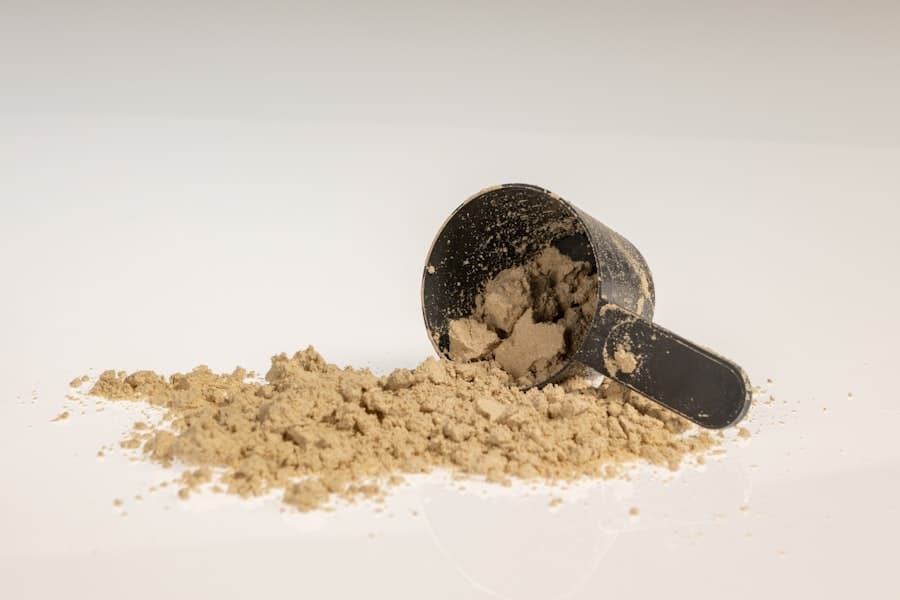
While whey protein is celebrated for its quick absorption, casein protein offers a different approach to muscle building. Derived from milk, casein is a slow-digesting protein that provides a steady release of amino acids over an extended period. This makes it an excellent option for those looking to support muscle growth during periods of fasting, such as overnight while you sleep.
By consuming casein protein before bed, you can provide your muscles with a continuous supply of nutrients, promoting recovery and growth while you rest. Incorporating casein into your diet can also help you feel fuller for longer periods, which can be beneficial if you’re trying to manage your weight or reduce snacking between meals. The slow-release nature of casein means that it can help stabilize blood sugar levels and curb hunger pangs, making it easier for you to stick to your nutrition plan.
Whether you’re using it as a nighttime snack or as part of your post-workout routine, casein protein can be an effective tool in your muscle-building arsenal.
Soy Protein: A Plant-Based Alternative for Muscle Building
For those who prefer plant-based options, soy protein stands out as a powerful alternative for muscle building. Derived from soybeans, this complete protein contains all essential amino acids, making it an excellent choice for vegans and vegetarians looking to support their fitness goals. Soy protein has been shown to promote muscle growth effectively, making it comparable to animal-based proteins like whey and casein.
In addition to its muscle-building properties, soy protein offers several health benefits. It is rich in antioxidants and has been linked to improved heart health and reduced cholesterol levels. If you’re looking to diversify your protein sources while still reaping the benefits of muscle gain, incorporating soy protein into your diet can be a smart move.
Whether you choose soy protein isolate or textured soy protein, you’ll find that this versatile ingredient can easily fit into smoothies, baked goods, or savory dishes.
Pea Protein: A Vegan-Friendly Option for Muscle Gain
Pea protein has emerged as another popular plant-based option for those seeking to build muscle without animal products. Made from yellow split peas, this protein source is not only rich in essential amino acids but also boasts a high digestibility rate. This means that your body can efficiently absorb and utilize the nutrients found in pea protein, making it an effective choice for muscle recovery and growth.
One of the standout features of pea protein is its hypoallergenic nature, making it suitable for individuals with dietary restrictions or sensitivities. Unlike some other plant-based proteins, pea protein is free from common allergens such as gluten and dairy. This makes it an excellent option for those who may struggle with traditional protein powders.
Additionally, pea protein is often praised for its earthy flavor profile, which can complement various recipes and smoothies without overpowering other ingredients.
Hemp Protein: A Nutrient-Dense Choice for Muscle Development
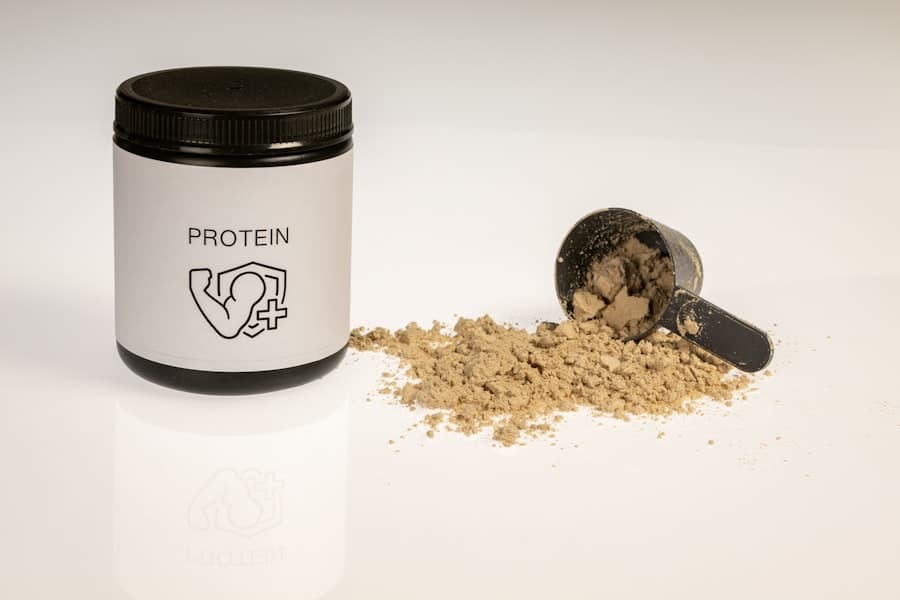
Hemp protein is another plant-based option that deserves attention when discussing muscle gain. Derived from hemp seeds, this protein source is not only rich in essential amino acids but also packed with healthy fats, fiber, vitamins, and minerals. The unique nutrient profile of hemp protein makes it an excellent choice for those looking to support overall health while building muscle.
Incorporating hemp protein into your diet can provide additional benefits beyond just muscle growth. The omega-3 and omega-6 fatty acids found in hemp seeds contribute to heart health and may help reduce inflammation in the body. This can be particularly beneficial for athletes who experience soreness or discomfort after intense workouts.
With its nutty flavor and versatile nature, hemp protein can easily be added to smoothies, oatmeal, or baked goods, allowing you to enjoy its benefits without sacrificing taste.
Egg White Protein: A High-Quality Source for Muscle Recovery
Egg white protein is often overlooked but is one of the highest-quality sources of protein available. Rich in essential amino acids and low in fat and carbohydrates, egg white protein provides a clean source of nutrition that supports muscle recovery and growth. If you’re looking for a complete protein that is easily digestible and free from common allergens, egg white protein could be an excellent addition to your supplement regimen.
One of the key advantages of egg white protein is its versatility. It can be used in various recipes—from shakes and smoothies to baked goods—making it easy to incorporate into your daily routine. Additionally, egg white protein has been shown to promote satiety, helping you feel full longer and potentially aiding in weight management efforts.
By choosing egg white protein as part of your post-workout nutrition strategy, you can ensure that your muscles receive the support they need for optimal recovery.
Blended Protein Powders: Combining Different Protein Sources for Optimal Muscle Gain
If you’re unsure which type of protein powder is best for you, blended protein powders offer a solution by combining multiple sources into one convenient product. These blends often include a mix of whey, casein, soy, pea, or other proteins to provide a comprehensive amino acid profile that supports muscle growth from various angles. By choosing a blended protein powder, you can take advantage of the unique benefits each source offers while ensuring that you’re meeting your nutritional needs.
Blended protein powders are particularly useful if you’re looking for sustained energy throughout the day or during workouts. The combination of fast-acting proteins like whey with slow-digesting proteins like casein allows for both immediate recovery and prolonged support for muscle repair. This versatility makes blended powders an excellent choice for anyone serious about their fitness goals.
Choosing the Right Protein Powder for Your Fitness Goals
Selecting the right protein powder can feel overwhelming given the myriad options available on the market today. To make an informed decision, consider your specific fitness goals and dietary preferences. Are you looking to build muscle mass quickly?
Whey or blended proteins may be ideal due to their rapid absorption rates. If you’re focused on long-term muscle maintenance or weight management, casein or plant-based options like pea or hemp might be more suitable. Additionally, pay attention to any dietary restrictions you may have.
If you’re lactose intolerant or following a vegan diet, options like soy or pea protein will align better with your needs. Always read labels carefully to ensure that the product meets your nutritional requirements without unnecessary additives or fillers. By taking the time to evaluate your goals and preferences, you’ll be better equipped to choose a protein powder that complements your fitness journey.
How to Incorporate Protein Powder into Your Muscle-Building Routine
Incorporating protein powder into your daily routine doesn’t have to be complicated or time-consuming. One of the simplest ways is by adding it to smoothies or shakes post-workout; this allows you to quickly replenish lost nutrients while enjoying a delicious treat. You might also consider mixing it into oatmeal or yogurt for breakfast or snacks throughout the day.
Another creative way to use protein powder is by incorporating it into recipes such as pancakes, muffins, or energy bars. This not only enhances the nutritional value of these foods but also adds flavor and texture without compromising on taste. By finding enjoyable ways to include protein powder in your meals and snacks, you’ll be more likely to stick with your muscle-building regimen over time.
Potential Side Effects and Considerations When Using Protein Powder for Muscle Gain
While protein powders can be beneficial for muscle gain, it’s essential to be aware of potential side effects and considerations when incorporating them into your diet. Some individuals may experience digestive discomfort when consuming certain types of protein powders—especially those derived from dairy like whey or casein—due to lactose intolerance or sensitivity. If you notice bloating or gastrointestinal issues after consuming these products, consider switching to plant-based options like pea or soy proteins.
Additionally, it’s crucial not to rely solely on protein powders as your primary source of nutrition. Whole foods should still form the foundation of your diet since they provide essential vitamins, minerals, and other nutrients that supplements cannot fully replicate. Moderation is key; while it’s tempting to consume large amounts of protein powder in pursuit of quick results, excessive intake may lead to unwanted side effects such as kidney strain or dehydration over time.
In conclusion, understanding the various types of protein powders available can empower you on your journey toward muscle gain. By selecting the right option based on your dietary preferences and fitness goals—and incorporating it thoughtfully into your routine—you’ll be well on your way to achieving optimal results while enjoying the process along the way.
If you are looking to overcome plateaus and challenges in your muscle-building journey, you may want to check out this article on overcoming plateaus and challenges. It offers valuable tips and strategies to help you push past obstacles and continue making progress. Additionally, incorporating mindful eating and whole foods into your diet can also aid in natural muscle building. For more information on this topic, you can read the article on mindful eating and whole foods for natural muscle building. And if you are considering using supplements to help build muscle, be sure to read up on the best options in the article on build muscle supplements.
FAQs
What is protein powder?
Protein powder is a dietary supplement that is typically made from whey, casein, soy, or egg proteins. It is used to increase protein intake, which is essential for muscle growth and repair.
How does protein powder help in gaining muscle?
Protein powder provides the body with a concentrated source of protein, which is crucial for muscle growth and repair. It helps to support muscle recovery after exercise and promotes muscle protein synthesis.
What are the different types of protein powder?
The most common types of protein powder include whey protein, casein protein, soy protein, and egg protein. Each type has its own unique benefits and is suitable for different dietary preferences.
What should I look for in a protein powder for gaining muscle?
When choosing a protein powder for gaining muscle, it is important to look for a product that has a high protein content, contains essential amino acids, and is low in added sugars and artificial ingredients.
How should I use protein powder to gain muscle?
Protein powder can be consumed as a post-workout shake, added to smoothies, or used in baking recipes to increase protein intake. It is important to follow the recommended serving size and to consume protein powder as part of a balanced diet.
Are there any potential side effects of using protein powder?
When used as directed, protein powder is generally safe for most people. However, consuming excessive amounts of protein powder can lead to digestive issues, kidney problems, and an increased risk of dehydration. It is important to use protein powder in moderation and to stay hydrated.