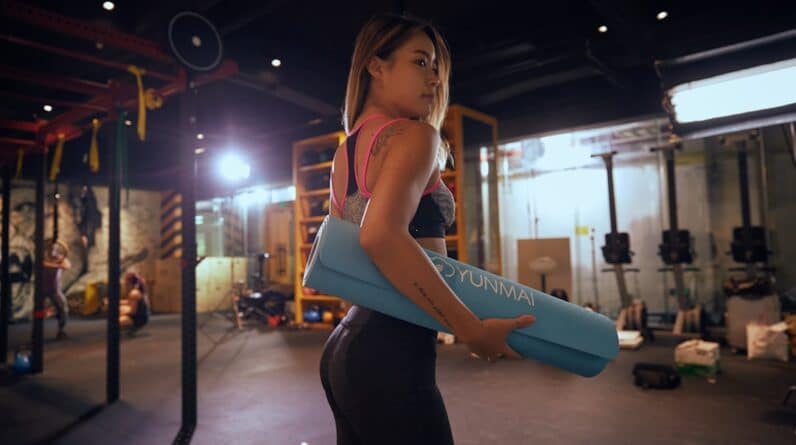
Pilates has gained immense popularity over the years, not just as a form of exercise but as a holistic approach to fitness that emphasizes core strength, flexibility, and overall body awareness. You may have heard about its benefits for improving posture and alleviating back pain, but what about its role in muscle building? While Pilates is often associated with low-impact workouts, it can be a powerful tool for developing lean muscle mass when practiced correctly.
This article will explore how Pilates can contribute to muscle building, the principles behind it, and how you can effectively incorporate it into your fitness routine. As you delve into the world of Pilates, you might find that it offers a unique blend of strength training and flexibility work. Unlike traditional weightlifting, which often focuses on isolating specific muscle groups, Pilates encourages the engagement of multiple muscles simultaneously.
This not only helps in building strength but also enhances your overall body awareness and coordination. By understanding the principles of Pilates and how they relate to muscle development, you can unlock a new dimension of fitness that complements your existing workout regimen.
Key Takeaways
- Pilates is a form of exercise that focuses on building strength and flexibility in the body.
- The principles of Pilates include concentration, control, centering, flow, precision, and breathing.
- Resistance in Pilates can be achieved through the use of equipment such as resistance bands and springs.
- Pilates helps activate and strengthen muscles through controlled movements and proper alignment.
- Targeted muscle groups in Pilates include the core, back, glutes, and upper body muscles.
Understanding the Principles of Pilates
At its core, Pilates is built on a set of principles that guide its practice. These principles include concentration, control, centering, flow, precision, and breathing. As you engage with these concepts, you will find that they are not just theoretical; they are practical tools that enhance your workout experience.
Concentration is essential in Pilates; it requires you to focus on your movements and the muscles you are engaging. This heightened awareness can lead to more effective workouts and better muscle activation. Control is another fundamental principle that sets Pilates apart from other forms of exercise.
Each movement is performed with intention and precision, allowing you to engage your muscles fully without relying on momentum. This controlled approach not only helps in building strength but also minimizes the risk of injury. As you practice Pilates, you will learn to move with purpose, which can translate into improved performance in other physical activities as well.
The Role of Resistance in Pilates
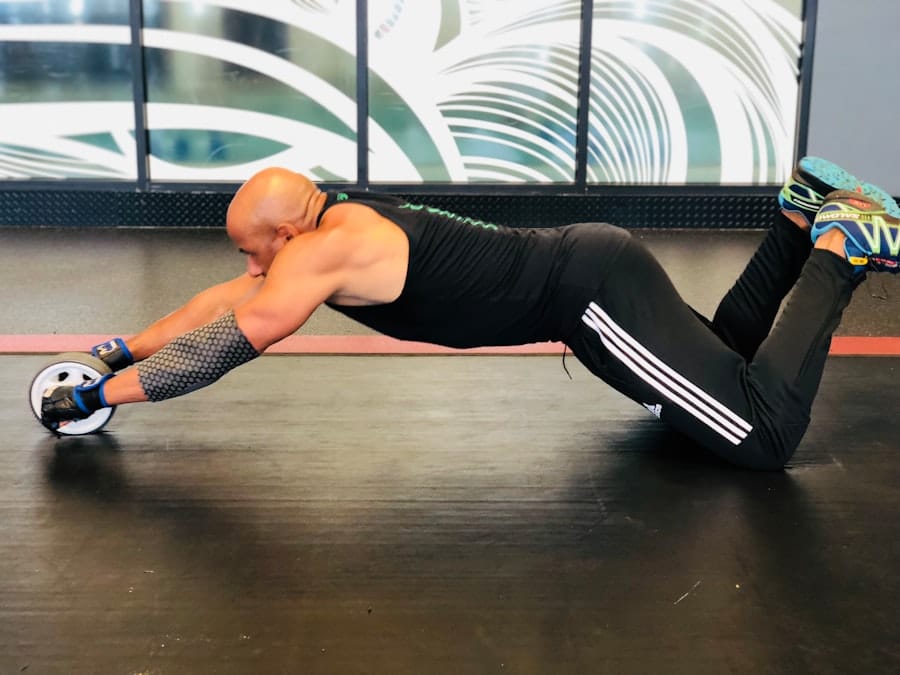
Resistance is a key component of muscle building, and Pilates incorporates various forms of resistance to challenge your muscles effectively. Whether you are using resistance bands, a reformer machine, or your own body weight, the principle remains the same: resistance creates tension in the muscles, leading to growth and strength development. You may find that Pilates offers a unique way to experience resistance training without the need for heavy weights.
Incorporating resistance into your Pilates routine allows you to target specific muscle groups while maintaining proper form. The reformer, for instance, provides adjustable resistance levels that can be tailored to your fitness level and goals. This adaptability makes Pilates an excellent choice for individuals at any stage of their fitness journey.
As you progress, you can increase the resistance to continue challenging your muscles and promoting growth.
Pilates and Muscle Activation
One of the most significant benefits of Pilates is its ability to activate deep stabilizing muscles that are often neglected in traditional strength training. As you engage in various Pilates exercises, you will notice that many movements require you to activate your core muscles, including the transverse abdominis and pelvic floor. This deep muscle activation not only supports your spine but also enhances overall stability and strength.
Moreover, Pilates encourages the use of slow, controlled movements that promote muscle engagement throughout the entire range of motion. This focus on muscle activation can lead to improved neuromuscular connections, allowing you to recruit more muscle fibers during your workouts. As a result, you may find that your overall strength improves, making it easier to perform other exercises and daily activities.
Targeted Muscle Groups in Pilates
Pilates is known for its ability to target specific muscle groups effectively. You may have noticed that many exercises focus on the core, glutes, hips, and back—areas that are crucial for overall strength and stability. By concentrating on these muscle groups, Pilates helps create a balanced physique while also addressing common areas of weakness or tightness.
For instance, exercises like the Hundred or the Teaser engage your core while also working your arms and legs. Similarly, movements such as the Bridge or Leg Circles target the glutes and hips, promoting strength in these essential areas. By incorporating a variety of exercises that focus on different muscle groups, you can ensure a well-rounded approach to muscle building through Pilates.
Comparing Pilates with Traditional Strength Training
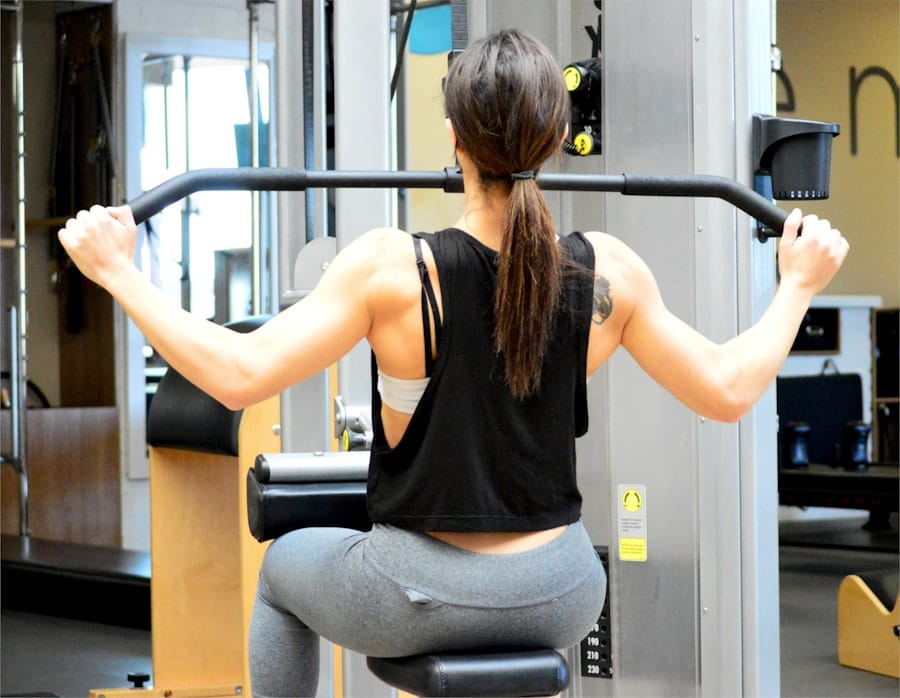
Traditional Strength Training: Building Bulk and Strength
Traditional strength training often involves lifting weights or using machines to isolate specific muscles for hypertrophy (muscle growth). While this method can be effective for building bulk and strength, it may not always promote functional movement or flexibility.
Pilates: A Holistic Approach to Fitness
On the other hand, Pilates emphasizes functional strength through controlled movements that engage multiple muscle groups simultaneously. This holistic approach not only builds muscle but also improves flexibility and balance.
A Comprehensive Fitness Experience
You might find that incorporating both methods into your routine can provide a comprehensive fitness experience that enhances your overall performance.
The Benefits of Building Muscle through Pilates
Building muscle through Pilates offers numerous benefits beyond just aesthetics. As you develop lean muscle mass, you may notice improvements in your metabolism, which can aid in weight management and fat loss. Additionally, increased muscle strength contributes to better posture and alignment, reducing the risk of injury during daily activities or other forms of exercise.
Moreover, Pilates promotes body awareness and mindfulness in movement. As you build muscle through this practice, you will likely develop a deeper connection with your body and its capabilities. This newfound awareness can lead to improved performance in other physical activities and a greater appreciation for your body’s strength and resilience.
The Importance of Proper Form and Technique in Pilates
Proper form and technique are paramount in Pilates to ensure safety and effectiveness during your workouts. As you engage in various exercises, focusing on alignment and control will help you maximize muscle activation while minimizing the risk of injury. You may find that working with a certified instructor or following guided classes can significantly enhance your understanding of proper form.
Additionally, maintaining proper technique allows you to engage the intended muscle groups fully. For example, if you’re performing a plank incorrectly, you may not activate your core effectively or could place unnecessary strain on your lower back. By prioritizing form over quantity or speed, you will cultivate a more effective practice that yields better results in terms of muscle building.
Incorporating Pilates into a Muscle-Building Routine
If you’re looking to incorporate Pilates into your existing muscle-building routine, consider starting with two to three sessions per week alongside your traditional strength training workouts. This combination allows you to benefit from both methods while providing variety in your fitness regimen. You might choose to focus on Pilates on days when you’re looking for active recovery or when you’re seeking a low-impact workout.
As you integrate Pilates into your routine, pay attention to how it complements your other workouts. You may find that the increased core strength and flexibility gained from Pilates enhance your performance in weightlifting or other high-intensity activities. Additionally, using Pilates as a warm-up or cool-down can help prepare your muscles for more strenuous exercises while promoting recovery afterward.
The Role of Nutrition in Muscle Building with Pilates
While exercise is crucial for building muscle through Pilates, nutrition plays an equally important role in supporting your goals. To maximize muscle growth and recovery, ensure you’re consuming a balanced diet rich in protein, healthy fats, and complex carbohydrates. Protein is particularly vital for repairing and building muscle tissue after workouts; consider incorporating sources like lean meats, legumes, dairy products, or plant-based proteins into your meals.
Hydration is another essential aspect of nutrition that should not be overlooked. Staying well-hydrated supports optimal performance during workouts and aids in recovery afterward. As you engage in Pilates and other forms of exercise, make sure you’re drinking enough water throughout the day to keep your body functioning at its best.
The Overall Impact of Pilates on Muscle Development
In conclusion, Pilates offers a unique approach to muscle building that emphasizes core strength, flexibility, and overall body awareness. By understanding its principles and incorporating it into your fitness routine alongside traditional strength training methods, you can experience significant benefits in terms of muscle development and functional movement. The controlled movements and focus on proper form ensure that you engage the right muscles effectively while minimizing the risk of injury.
As you embark on this journey with Pilates, remember that consistency is key. With dedication and mindful practice, you’ll likely discover newfound strength and resilience within yourself—both physically and mentally. Embrace the holistic nature of Pilates as it complements your fitness goals and enhances your overall well-being.
If you are interested in learning more about how to build muscle mass, you may want to check out this article on musclesbuilder.tips. Lastly, if you are interested in incorporating protein into your muscle gain journey, you may find this article on musclesbuilder.tips helpful.
FAQs
What is Pilates?
Pilates is a form of exercise that focuses on strengthening the body, with an emphasis on core strength, flexibility, and overall body awareness. It was developed by Joseph Pilates in the early 20th century.
Does Pilates build muscle?
Yes, Pilates can help build muscle, especially in the core, arms, and legs. The exercises in Pilates use resistance and body weight to strengthen and tone muscles.
How does Pilates build muscle?
Pilates builds muscle by using controlled movements and resistance to target specific muscle groups. The exercises focus on engaging and activating muscles to improve strength and tone.
Is Pilates suitable for muscle building for everyone?
Pilates can be suitable for muscle building for most people, but it may not be the best option for those looking to bulk up significantly. It is more effective for toning and strengthening muscles rather than building large amounts of muscle mass.
What are the benefits of building muscle through Pilates?
Building muscle through Pilates can improve overall strength, posture, and flexibility. It can also help with injury prevention and rehabilitation, as well as enhancing athletic performance in other activities.