Embarking on a journey to gain muscle is an exciting endeavor that requires not just dedication in the gym but also a well-structured diet plan. You may find that your efforts in lifting weights and performing exercises can be significantly enhanced by what you put on your plate. A gain muscle diet plan is not merely about consuming more food; it’s about consuming the right types of food that will fuel your body, support recovery, and promote muscle growth.
Understanding the intricacies of nutrition can be the key to unlocking your potential and achieving your fitness goals. As you delve into the world of muscle gain, you will discover that nutrition plays a pivotal role in your success. It’s essential to recognize that every meal you consume can either propel you toward your goals or hinder your progress.
This article will guide you through the fundamental aspects of a gain muscle diet plan, helping you to make informed choices that align with your fitness aspirations. By understanding the importance of nutrition, macronutrients, meal timing, and hydration, you will be better equipped to create a diet that complements your training regimen.
Key Takeaways
- Proper nutrition is essential for muscle gain and overall health.
- Protein, carbohydrates, and fats are the key macronutrients for muscle growth.
- Protein plays a crucial role in muscle building and repair.
- Choosing the right carbohydrates is important for energy and muscle recovery.
- Healthy fats should be incorporated into a muscle gain diet for optimal results.
Understanding the Importance of Nutrition for Muscle Gain
The Consequences of Inadequate Nutrition
Without adequate nutrition, your body may struggle to recover from workouts, leading to fatigue and diminished performance over time. Moreover, the right nutrition can enhance your energy levels, allowing you to push harder during workouts and maximize your results.
Creating an Environment Conducive to Muscle Growth
When you prioritize a balanced diet rich in essential nutrients, you create an environment conducive to muscle growth. This means not only focusing on calorie intake but also ensuring that you are consuming a variety of foods that supply vitamins, minerals, and other nutrients necessary for optimal health and performance.
Making Informed Choices for Muscle Gain
By understanding the importance of nutrition, you can make choices that support your muscle gain journey effectively.
Macronutrients: Protein, Carbohydrates, and Fats for Muscle Growth

To build muscle effectively, it’s crucial to understand the role of macronutrients: protein, carbohydrates, and fats. Each of these macronutrients plays a unique role in supporting muscle growth and overall health. As you embark on your muscle gain journey, you will need to strike a balance between these three components to ensure that your body has everything it needs to thrive.
Protein is often hailed as the most important macronutrient for muscle growth. It provides the building blocks—amino acids—that your body requires to repair and build new muscle tissue. Carbohydrates serve as the primary source of energy for your workouts, fueling your performance and helping you push through challenging sessions.
Fats, while often misunderstood, are essential for hormone production and overall health. They provide a concentrated source of energy and help with the absorption of fat-soluble vitamins. By understanding how these macronutrients work together, you can create a diet that supports your muscle-building goals.
The Role of Protein in Muscle Building
When it comes to gaining muscle, protein is undoubtedly at the forefront of nutritional considerations. As you engage in resistance training, tiny tears occur in your muscle fibers. Your body requires protein to repair these tears and build stronger muscles in their place.
This process is known as muscle protein synthesis, and it is essential for growth. To optimize this process, it’s important to consume an adequate amount of protein daily. You may want to aim for a protein intake of around 1.6 to 2.2 grams per kilogram of body weight, depending on your activity level and goals.
Incorporating high-quality protein sources such as lean meats, fish, eggs, dairy products, legumes, and plant-based proteins can help you meet this requirement. Additionally, spreading your protein intake throughout the day—rather than consuming it all in one meal—can further enhance muscle protein synthesis and support recovery.
Choosing the Right Carbohydrates for Energy and Muscle Recovery
Carbohydrates are often misunderstood in the realm of fitness and nutrition. While some may view them as detrimental to weight loss or muscle gain, they are actually vital for providing energy during workouts and aiding in recovery afterward. As you work toward building muscle, it’s essential to choose the right types of carbohydrates that will fuel your body effectively.
Opt for complex carbohydrates such as whole grains, fruits, vegetables, and legumes. These foods not only provide sustained energy but also contain fiber, vitamins, and minerals that contribute to overall health. Simple carbohydrates can also play a role in your diet—especially around workout times—by providing quick energy when needed.
Understanding when and how to incorporate these carbohydrates into your meals can help optimize your performance in the gym while supporting recovery afterward.
Incorporating Healthy Fats into Your Muscle Gain Diet
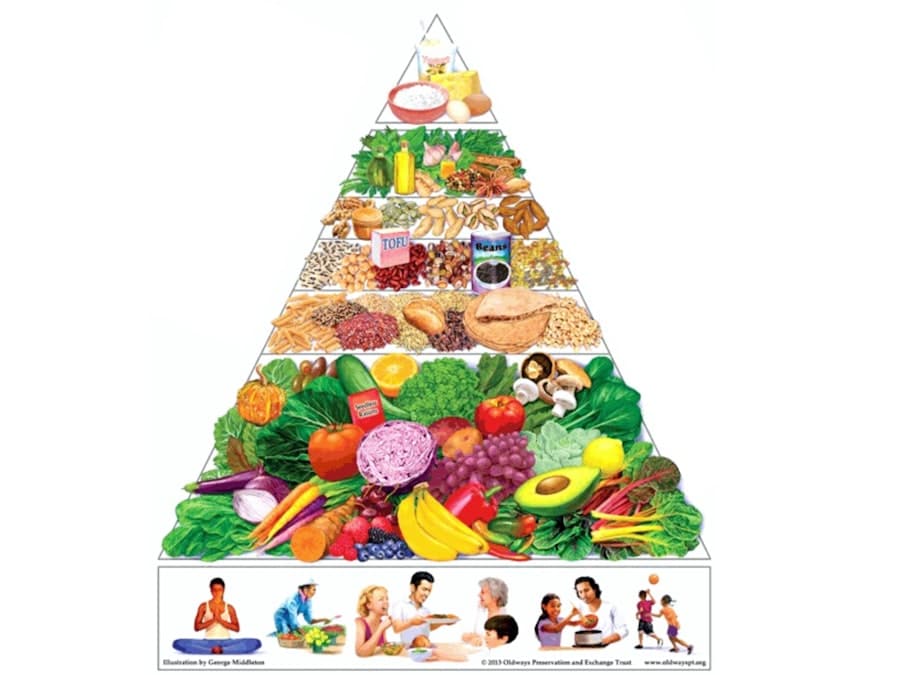
While protein and carbohydrates often take center stage in discussions about muscle gain, healthy fats should not be overlooked. Fats play a crucial role in hormone production, including testosterone—a hormone that is vital for muscle growth. Including healthy fats in your diet can help maintain hormonal balance while providing a concentrated source of energy.
You might consider incorporating sources of healthy fats such as avocados, nuts, seeds, olive oil, and fatty fish into your meals. These foods not only support overall health but also enhance the flavor and satisfaction of your meals. Remember that while fats are essential, they are also calorie-dense; therefore, moderation is key to ensuring that you meet your overall caloric needs without exceeding them.
Meal Timing and Frequency for Muscle Growth
Meal timing and frequency can significantly impact your muscle-building efforts. You may find that eating smaller meals more frequently throughout the day helps maintain energy levels and supports muscle recovery. This approach can prevent feelings of hunger while ensuring that your body receives a steady supply of nutrients.
Consider aiming for five to six meals per day that include a balance of protein, carbohydrates, and healthy fats. Additionally, timing your meals around workouts can enhance performance and recovery. Consuming a meal or snack containing protein and carbohydrates before and after workouts can help fuel your training sessions while promoting recovery afterward.
Pre- and Post-Workout Nutrition for Optimal Muscle Recovery
Pre- and post-workout nutrition are critical components of any gain muscle diet plan. Before hitting the gym, it’s important to fuel your body with the right nutrients to maximize performance. A meal or snack rich in carbohydrates and moderate in protein consumed about 30 minutes to an hour before working out can provide the energy needed for an effective session.
Post-workout nutrition is equally important as it aids in recovery and muscle repair. Consuming a combination of protein and carbohydrates within 30 minutes after exercising can help replenish glycogen stores and kickstart the recovery process. This could be a protein shake with a banana or a balanced meal containing lean protein and whole grains.
Hydration and its Impact on Muscle Growth
Hydration is often an overlooked aspect of nutrition when it comes to muscle gain. However, staying adequately hydrated is essential for optimal performance in the gym as well as for recovery afterward. Dehydration can lead to decreased strength, endurance, and overall performance during workouts.
As you work toward building muscle, aim to drink plenty of water throughout the day—especially before, during, and after exercise sessions. You might also consider incorporating electrolyte-rich beverages if you engage in intense workouts or sweat heavily. Proper hydration supports nutrient transport within the body and helps maintain optimal physiological function.
Supplements to Consider for Supporting Muscle Gain
While whole foods should always be the foundation of your diet, certain supplements can complement your efforts in gaining muscle. You may want to consider protein powders as a convenient way to meet your daily protein needs—especially if you struggle to consume enough through whole foods alone. Creatine is another popular supplement known for its ability to enhance strength and power during high-intensity workouts.
Additionally, branched-chain amino acids (BCAAs) may aid in reducing muscle soreness and promoting recovery when taken around workout times. However, it’s important to consult with a healthcare professional before adding any supplements to ensure they align with your individual needs.
Sample Gain Muscle Diet Plan and Meal Ideas
Creating a sample gain muscle diet plan can help you visualize how to incorporate all these elements into your daily routine effectively. For breakfast, consider oatmeal topped with berries and a scoop of protein powder or Greek yogurt with nuts and honey for added flavor and nutrients. For lunch, grilled chicken breast with quinoa and steamed broccoli makes for a balanced meal rich in protein and complex carbohydrates.
A mid-afternoon snack could include cottage cheese with pineapple or a smoothie made with spinach, banana, protein powder, and almond milk. Dinner might consist of salmon with sweet potatoes and asparagus—a meal packed with healthy fats, carbohydrates, and protein. Finally, don’t forget about pre- and post-workout snacks like a banana with almond butter or a protein shake with oats.
In conclusion, gaining muscle requires more than just lifting weights; it necessitates a comprehensive approach that includes proper nutrition tailored to support your goals. By understanding the importance of macronutrients, meal timing, hydration, and potential supplements, you can create an effective gain muscle diet plan that enhances your training efforts and promotes optimal results.
If you are looking to gain muscle, it is important to have a proper diet plan in place. One helpful resource is the article Build Muscle and Lose Fat Diet, which provides tips and guidelines on how to effectively fuel your body for muscle growth while also shedding excess fat. This article offers valuable insights on the importance of protein intake, meal timing, and nutrient balance to optimize your muscle-building efforts. By following a well-rounded diet plan like the one outlined in this article, you can support your workouts and achieve your muscle-building goals more effectively.
FAQs
What is a gain muscle diet plan?
A gain muscle diet plan is a structured eating plan designed to support muscle growth and development. It typically includes a balance of macronutrients such as protein, carbohydrates, and fats, as well as specific timing of meals and snacks to support muscle recovery and growth.
What are the key components of a gain muscle diet plan?
A gain muscle diet plan typically includes a high intake of protein to support muscle repair and growth, a moderate amount of carbohydrates to provide energy for workouts, and a healthy intake of fats for overall health and hormone regulation. It also involves proper hydration and adequate calorie intake to support muscle growth.
What are some examples of foods included in a gain muscle diet plan?
Foods commonly included in a gain muscle diet plan include lean proteins such as chicken, turkey, fish, and tofu, complex carbohydrates like brown rice, quinoa, and sweet potatoes, healthy fats from sources like avocados, nuts, and olive oil, and a variety of fruits and vegetables for essential vitamins and minerals.
How does a gain muscle diet plan support muscle growth?
A gain muscle diet plan supports muscle growth by providing the necessary nutrients and energy for muscle repair and development. Adequate protein intake supports muscle protein synthesis, while carbohydrates provide energy for workouts and replenish glycogen stores. Healthy fats support hormone production and overall health.
Is a gain muscle diet plan suitable for everyone?
A gain muscle diet plan is generally suitable for individuals who are looking to increase muscle mass and strength. However, it is important to consult with a healthcare professional or a registered dietitian before starting any new diet plan, especially for individuals with underlying health conditions or specific dietary needs.