Best Protein Powder to Gain Muscle and Weight
When it comes to building muscle and managing weight, protein plays a pivotal role in your diet. Protein is essential for repairing and building muscle tissue, a process that is particularly important after intense workouts. As you engage in resistance training or any form of exercise aimed at muscle growth, your body requires an adequate supply of protein to facilitate recovery and promote muscle hypertrophy.
This is where protein powder comes into play, serving as a convenient and effective way to meet your daily protein needs. In addition to muscle repair, protein also aids in weight management. It has a higher thermic effect compared to fats and carbohydrates, meaning your body burns more calories digesting protein.
Furthermore, protein can help you feel fuller for longer, reducing the likelihood of overeating. By incorporating protein powder into your diet, you can not only support your muscle-building efforts but also enhance your weight management strategy, making it a valuable tool in your nutritional arsenal.
Key Takeaways
- Protein powder is essential for muscle gain and weight management
- Choose the correct type of protein powder based on your goals and dietary restrictions
- Whey protein is the most popular choice for muscle building due to its fast absorption
- Casein protein is a slow-release option for sustained muscle growth and repair
- Plant-based protein powders are an excellent alternative for muscle gain and weight management for those with dietary restrictions
Choosing the Right Type of Protein Powder for Your Goals
Selecting the correct type of protein powder is crucial for aligning with your specific fitness goals. With a plethora of options available, it’s essential to consider factors such as your dietary preferences, any food intolerances, and the timing of your protein intake. For instance, if you are looking to build muscle quickly, you may lean towards fast-digesting proteins, such as whey.
On the other hand, if you prefer a slower release of amino acids, casein could be more suitable. Additionally, if you follow a vegan or vegetarian diet, plant-based protein powders made from sources such as peas, rice, or hemp can provide an excellent alternative. Each type of protein powder has its unique benefits and amino acid profiles, so understanding these differences will help you make an informed decision that aligns with your fitness objectives.
Take the time to evaluate your needs and preferences to ensure that the protein powder you choose effectively supports your journey.
Whey Protein: The Most Popular Choice for Muscle Building
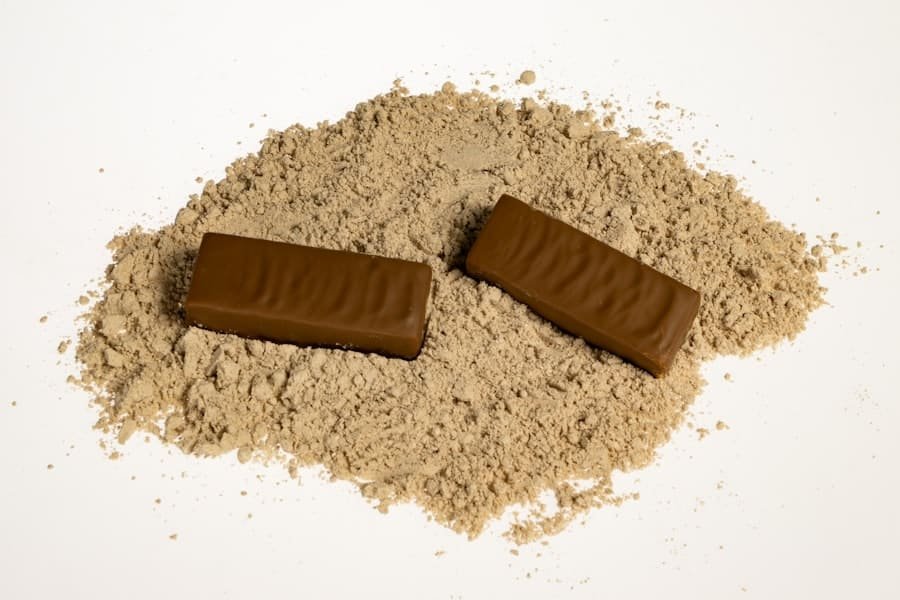
Whey protein is often hailed as the gold standard in protein supplementation, particularly for those focused on muscle building. Derived from milk during the cheese-making process, whey is rich in essential amino acids and boasts a high biological value, meaning the body easily absorbs it. This rapid absorption makes whey an ideal post-workout supplement, allowing your muscles to receive the necessary nutrients for recovery almost immediately after exercise.
Moreover, whey protein contains branched-chain amino acids (BCAAs), which are crucial for muscle repair and growth. Studies have shown that consuming whey protein can significantly enhance muscle protein synthesis when combined with resistance training. Its versatility also makes it easy to incorporate into various recipes, from smoothies to baked goods.
If you’re serious about building muscle and looking for a reliable protein source, whey protein should be at the top of your list.
Casein Protein: A Slow-Release Option for Sustained Muscle Growth
While whey protein is known for its quick absorption, casein protein offers a different advantage: slow digestion. This milk-derived protein forms a gel-like substance in your stomach, leading to a gradual release of amino acids into your bloodstream over several hours. This slow-release property makes casein an excellent option for those looking to sustain muscle growth throughout the day or overnight.
Incorporating casein into your diet can be particularly beneficial if you’re planning to go several hours without food, such as before bedtime. Consuming casein before sleep can help prevent muscle breakdown during the night and promote recovery while you rest. Whether you choose to mix it with water or add it to your evening snack, casein protein can be a strategic addition to your muscle-building regimen.
Plant-Based Protein Powders for Muscle Gain and Weight
For those who prefer plant-based options or have dietary restrictions, plant-based protein powders are an excellent choice for promoting muscle growth and supporting weight management. These powders are typically made from sources like pea, brown rice, hemp, or soy, providing a diverse range of amino acids that can support muscle growth. While some plant proteins may lack one or two essential amino acids, combining different sources can create a complete amino acid profile.
In addition to being effective for muscle gain, plant-based proteins often come with added health benefits. They are generally lower in calories and fat compared to animal-based proteins and are rich in fiber, which can aid digestion and promote a feeling of fullness. If you’re looking to build muscle while adhering to a plant-based diet, exploring various plant protein powders can help you find the right fit for your nutritional needs.
The Role of Amino Acids in Muscle Building and Weight Gain
The Importance of Essential Amino Acids
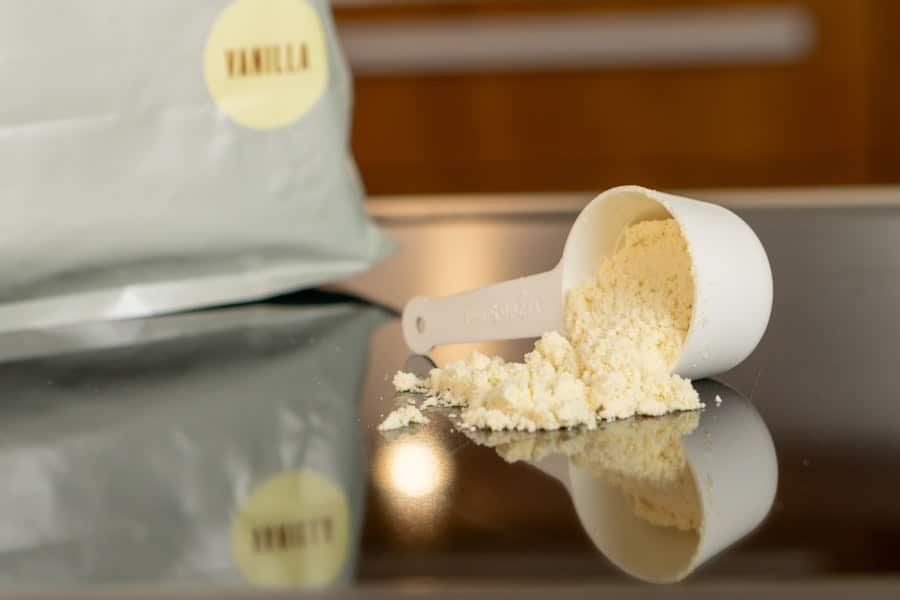
There are 20 different amino acids, of which nine are considered essential because the human body cannot produce them naturally. These essential amino acids must be obtained through a balanced diet or supplements. Among these essential amino acids, leucine stands out for its crucial role in stimulating muscle protein synthesis.
How Amino Acids Support Muscle Growth
When you consume protein powder, it breaks down into amino acids that are then utilized by the body for various functions, including repairing damaged tissues and supporting metabolic processes. Ensuring an adequate supply of these essential amino acids is vital for maximizing muscle-building potential.
Choosing the Right Protein Powder
By selecting high-quality protein powders that contain a complete amino acid profile, you can effectively support your body’s needs during periods of intense training. This helps to ensure that your muscles receive the necessary building blocks for optimal growth and repair.
How to Incorporate Protein Powder into Your Diet for Optimal Results
Incorporating protein powder into your daily routine doesn’t have to be complicated. One of the simplest ways is to mix it with water or milk for a quick shake after your workout. However, there are numerous creative ways to incorporate protein powder into your daily routine.
You can add it to smoothies for an extra nutrient boost or mix it into oatmeal or yogurt for breakfast. Baking with protein powder is another excellent option; consider adding it to pancakes or muffins for a delicious, nutritious treat. Timing is also essential when it comes to maximizing the benefits of protein powder.
Consuming it shortly after workouts can help kickstart recovery by providing your muscles with the necessary nutrients they need to repair and grow. Additionally, spreading your protein intake throughout the day can help maintain a positive nitrogen balance in your body, which is essential for muscle growth. By being mindful of how and when you consume protein powder, you can optimize its effects on your fitness journey.
Protein Powder and Exercise: Maximizing Muscle Gain and Weight Increase
To truly maximize the benefits of protein powder in conjunction with exercise, it’s essential to understand how they work together synergistically. Engaging in resistance training creates micro-tears in your muscle fibers; this is where protein comes into play, aiding in muscle repair and growth. Consuming protein powder after workouts provides your muscles with the necessary building blocks to recover effectively.
Moreover, combining resistance training with adequate protein intake can lead to greater increases in lean muscle mass compared to exercise alone. It’s essential to tailor your workout routine to include both strength training and cardiovascular exercises, while ensuring that you meet your daily protein requirements through supplementation or whole foods. By adopting a balanced approach that combines exercise and nutrition, you’ll be well on your way to achieving your muscle gain and weight management goals.
The Importance of Quality and Purity in Protein Powder Selection
Not all protein powders are created equal; therefore, quality and purity should be at the forefront of your selection process. When choosing a protein powder, look for products that have undergone third-party testing to ensure they meet safety and quality standards. This testing can help verify that the product contains what it claims on the label without harmful additives or contaminants.
Additionally, pay attention to the ingredient list; opt for powders with minimal ingredients and avoid those with excessive fillers or artificial sweeteners. A high-quality protein powder should provide a good balance of essential amino acids without unnecessary additives that could detract from its nutritional value. By prioritizing quality and purity in your selection process, you can feel confident that you’re making a wise investment in your health and fitness journey.
Protein Powder Myths and Misconceptions: Debunking Common Misbeliefs
As with any popular supplement, numerous myths surround protein powder, which can lead to confusion. One common misconception is that consuming excessive amounts of protein will automatically lead to increased muscle mass; however, this isn’t necessarily true. Your body has a limit on how much protein it can utilize at one time; therefore, spreading out your intake throughout the day is more effective than consuming large amounts in one sitting.
Another myth is that all protein powders are created equal; this couldn’t be further from the truth. Different types of protein powders serve different purposes based on their absorption rates and amino acid profiles. Understanding these differences will help you make informed choices that align with your fitness goals rather than falling prey to misleading information.
The Best Protein Powder for Muscle Gain and Weight: Recommendations and Reviews
When it comes to selecting the best protein powder for muscle gain and weight management, several options stand out based on user reviews and nutritional profiles. For those seeking fast absorption post-workout, whey protein isolate is often recommended due to its high purity and low lactose content. Brands like Optimum Nutrition Gold Standard Whey have garnered positive feedback for their taste and effectiveness.
For individuals seeking plant-based options, Orgain Organic Protein offers a blend of pea and brown rice proteins that provides a complete amino acid profile, free from artificial ingredients. Additionally, if you’re interested in casein protein for sustained release overnight, Dymatize Elite Casein is frequently praised for its smooth texture and digestibility.
Ultimately, the best choice will depend on your personal preferences and dietary needs; however, exploring these highly-rated options can help guide you toward making an informed decision that supports your fitness journey effectively.
If you are looking to gain muscle and weight, it is essential to consider the type of training you are doing. Strength training and hypertrophy training are two popular methods that can help you achieve your goals. For more information on the differences between these two types of training, refer to this article on strength training versus hypertrophy training.
Additionally, structuring your workouts to target different muscle groups can also be beneficial in maximizing muscle growth. To learn more about how to structure your workouts effectively, read this article on structuring workouts for different muscle groups. Building muscle endurance is another important aspect of gaining muscle and weight. To discover tips on how to improve your muscle endurance, check out this article on how to build muscle endurance.
FAQs
What is protein powder?
Protein powder is a dietary supplement that is typically made from whey, casein, soy, or egg proteins. It is used to supplement protein intake and aid in muscle recovery and growth.
How does protein powder help in gaining muscle and weight?
Protein powder provides the body with the necessary building blocks (amino acids) to repair and build muscle tissue. It also helps in increasing overall protein intake, which is essential for muscle growth and weight gain.
What are the different types of protein powder available?
The most common types of protein powder include whey protein, casein protein, soy protein, and egg protein. Each type has its own unique benefits and is suitable for different dietary preferences.
How should protein powder be consumed for muscle and weight gain?
Protein powder can be consumed as a post-workout shake, added to smoothies, or used in baking recipes. It is essential to follow the recommended serving size and to drink it as part of a balanced diet.
Are there any side effects of consuming protein powder?
When consumed in moderation, protein powder is generally safe for most people. However, excessive consumption may lead to digestive issues such as bloating and discomfort. It is essential to follow the recommended dosage and stay hydrated.
Is protein powder suitable for everyone?
Protein powder is suitable for most individuals, including athletes, bodybuilders, and those seeking to increase their protein intake. However, individuals with certain medical conditions or allergies should consult a healthcare professional before using protein powder.
RELATED TOPICS ABOUT Best Protein Powder to Gain Muscle and Weight:
Best Protein Powder For Building Muscle And Losing Fat,
Best Protein Powder For Gaining Weight And Muscle,
Best Protein Powder To Build Muscle,
Best Protein Powder To Gain Muscle,
Best Protein Powder To Gain Muscle And Lose Fat,
Top Best Protein Powder For Building Muscle
===========
Content 10/10/G