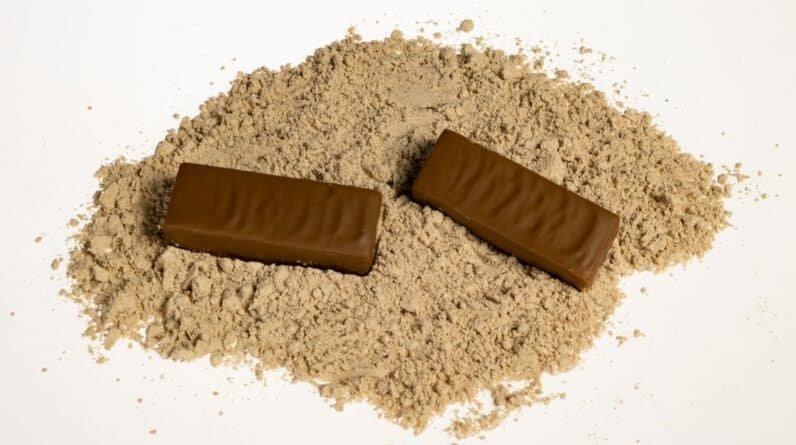
When it comes to achieving your fitness goals, protein powder can be a powerful ally in your journey toward muscle gain and fat loss. Protein is a crucial macronutrient that plays a vital role in building and repairing muscle tissues. When you engage in resistance training or high-intensity workouts, your muscles undergo stress and micro-tears.
This is where protein comes into play; it helps repair these tears, leading to muscle growth and increased strength. By supplementing your diet with protein powder, you can ensure that your body has the necessary building blocks to recover effectively and grow stronger. In addition to supporting muscle growth, protein powder can also aid in fat loss.
When you consume protein, it has a higher thermic effect compared to fats and carbohydrates, meaning your body burns more calories digesting it. Furthermore, protein helps you feel fuller for longer, which can reduce overall calorie intake and curb cravings. By incorporating protein powder into your diet, you can create a balanced approach that not only promotes muscle gain but also supports your fat loss efforts.
Key Takeaways
- Protein powder plays a crucial role in muscle gain and fat loss by providing the necessary building blocks for muscle growth and aiding in satiety and calorie control.
- When choosing the best protein powder for muscle gain and fat loss, factors to consider include protein source, quality, digestibility, and personal dietary preferences.
- Whey protein is considered the top choice for muscle gain and fat loss due to its high protein content, fast absorption, and ability to promote muscle protein synthesis.
- Casein protein is a slow-release option that can support sustained muscle growth and fat loss, making it ideal for use before bedtime or between meals.
- Plant-based protein powders can also be effective for muscle gain and fat loss, offering a variety of options for individuals with dietary restrictions or preferences.
Factors to Consider When Choosing the Best Protein Powder for Muscle Gain and Fat Loss
Understanding Protein Sources
Different types of protein powders come from various sources, such as whey, casein, soy, pea, and rice. Each type has its unique benefits and drawbacks, so it’s essential to choose one that aligns with your dietary preferences and fitness goals. For instance, if you’re looking for a fast-absorbing protein to support post-workout recovery, whey protein might be your best bet.
Protein Content and Nutrient Profile
Another critical factor is the protein content per serving. You want to ensure that the protein powder you choose provides a sufficient amount of protein to support your muscle-building and fat-loss goals. Look for products that offer at least 20 grams of protein per serving. Additionally, consider the presence of other nutrients such as carbohydrates, fats, vitamins, and minerals.
Watch Out for Additives and Fillers
Some protein powders are fortified with additional ingredients that can enhance their effectiveness, while others may contain fillers or added sugars that could hinder your progress.
Whey Protein: The Top Choice for Muscle Gain and Fat Loss

Whey protein is often hailed as the gold standard when it comes to protein supplements for muscle gain and fat loss. Derived from milk during the cheese-making process, whey protein is a complete protein that contains all nine essential amino acids necessary for muscle repair and growth. Its rapid absorption rate makes it an ideal choice for post-workout recovery, allowing your muscles to receive the nutrients they need promptly.
Moreover, research has shown that whey protein can significantly enhance muscle protein synthesis, making it particularly effective for those looking to build muscle mass. Its high leucine content—a branched-chain amino acid known for its role in stimulating muscle growth—further solidifies its reputation as a top choice among athletes and fitness enthusiasts alike. Additionally, whey protein has been linked to improved fat loss due to its ability to promote satiety and increase metabolic rate.
Casein Protein: A Slow-Release Option for Sustained Muscle Growth and Fat Loss
While whey protein is known for its quick absorption, casein protein offers a different advantage: slow digestion. Casein is also derived from milk but forms a gel-like substance in the stomach, leading to a gradual release of amino acids into the bloodstream over several hours. This slow-release property makes casein an excellent option for those looking to sustain muscle growth throughout the day or overnight.
Incorporating casein protein into your routine can be particularly beneficial if you’re aiming for long-term muscle retention or if you have extended periods between meals. For example, consuming casein before bedtime can provide your body with a steady supply of amino acids while you sleep, promoting recovery and muscle growth during this critical time. Additionally, like whey, casein has been shown to support fat loss by enhancing feelings of fullness and reducing overall calorie intake.
Plant-Based Protein Powders for Muscle Gain and Fat Loss
If you follow a vegan or vegetarian diet or have lactose intolerance, plant-based protein powders can be an excellent alternative to traditional dairy-based options. These powders are derived from various sources such as peas, brown rice, hemp, and soy. While they may not always contain all essential amino acids in one source like whey or casein, many brands offer blends that combine different plant proteins to create a complete amino acid profile.
Plant-based proteins can also provide additional health benefits beyond just muscle gain and fat loss. For instance, they are often rich in fiber, which aids digestion and promotes satiety. Furthermore, many plant-based proteins are lower in calories and fat compared to their animal-based counterparts, making them an appealing option for those looking to lose weight while still supporting their fitness goals.
As with any supplement, it’s essential to read labels carefully to ensure you’re choosing a high-quality product without unnecessary additives.
The Importance of Protein Quality and Digestibility for Muscle Gain and Fat Loss
Measuring Protein Quality
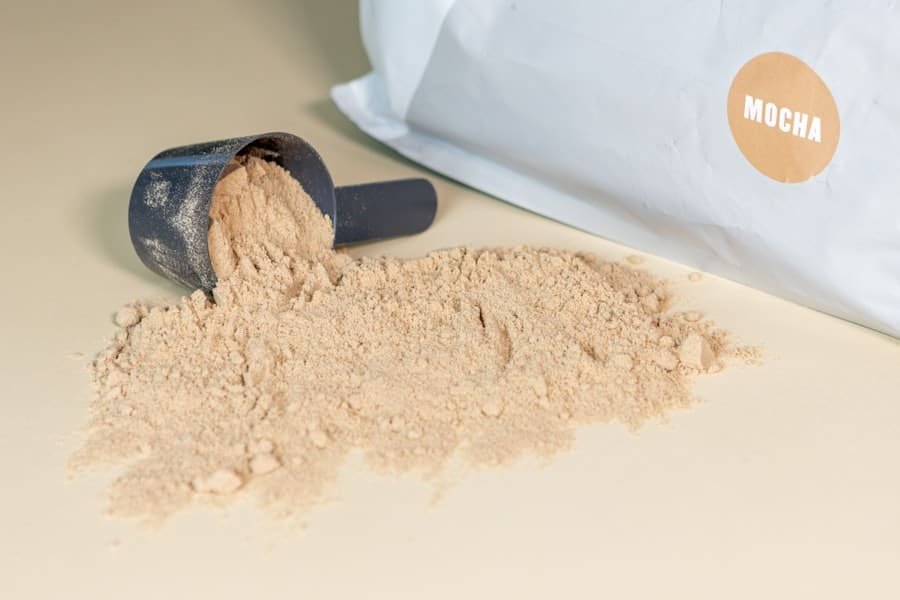
The biological value (BV) of a protein source measures how efficiently your body can utilize it; a higher BV indicates better quality. Whey protein typically boasts a high BV score, making it an excellent choice for muscle gain.
Digestibility: A Crucial Factor
Digestibility is another important factor; if your body struggles to break down a protein source, you may not reap its full benefits. Some individuals may experience digestive discomfort with certain types of protein powders due to lactose intolerance or sensitivities to specific ingredients.
Mitigating Digestive Issues
Opting for easily digestible options like hydrolyzed whey or plant-based proteins can help mitigate these issues while still providing the necessary nutrients for muscle growth and fat loss.
The Role of BCAAs and Other Amino Acids in Muscle Gain and Fat Loss
Branched-chain amino acids (BCAAs) are essential components of protein that play a significant role in muscle gain and fat loss. Comprising leucine, isoleucine, and valine, BCAAs are known for their ability to stimulate muscle protein synthesis and reduce exercise-induced muscle soreness. Incorporating BCAAs into your routine—either through whole food sources or supplements—can enhance your recovery process after intense workouts.
In addition to BCAAs, other amino acids also contribute to muscle growth and fat loss. For example, glutamine helps with recovery and immune function while arginine supports blood flow and nutrient delivery to muscles during exercise. When choosing a protein powder, look for products that contain a balanced profile of amino acids to maximize their effectiveness in supporting your fitness goals.
How to Incorporate Protein Powder into Your Muscle Gain and Fat Loss Plan
Integrating protein powder into your daily routine doesn’t have to be complicated; there are numerous ways to enjoy its benefits without feeling like you’re consuming supplements all day long. One of the simplest methods is mixing it into smoothies or shakes post-workout. This allows you to combine it with fruits, vegetables, and other nutrient-dense ingredients for a delicious recovery drink.
You can also add protein powder to various recipes beyond shakes. Consider incorporating it into oatmeal or yogurt for breakfast or using it as an ingredient in baked goods like muffins or pancakes. This versatility makes it easy to increase your protein intake throughout the day while enjoying a variety of flavors and textures.
Protein Powder Recipes for Muscle Gain and Fat Loss
If you’re looking for creative ways to incorporate protein powder into your meals, here are a couple of recipes that can help you achieve your muscle gain and fat loss goals: 1. **Protein-Packed Smoothie**: Blend together one scoop of whey or plant-based protein powder with one banana, a handful of spinach, one tablespoon of almond butter, and unsweetened almond milk until smooth. This nutrient-dense smoothie provides a balanced mix of carbohydrates, healthy fats, and protein—perfect for post-workout recovery.
2. **Protein Pancakes**: Combine one cup of oats, one scoop of protein powder, two eggs, half a banana (mashed), and a splash of almond milk in a bowl. Cook on a non-stick skillet until golden brown on both sides.
These pancakes are not only delicious but also provide sustained energy throughout the morning.
Tips for Maximizing Muscle Gain and Fat Loss with Protein Powder
To get the most out of your protein powder supplementation, consider these tips: First, timing matters; consuming protein shortly after your workout can enhance recovery and muscle growth. Aim for 20-30 grams of high-quality protein within 30 minutes post-exercise. Second, balance is key; while protein is essential for muscle gain and fat loss, it’s important not to neglect other macronutrients like carbohydrates and fats.
A well-rounded diet will support overall health and performance. Lastly, stay consistent; incorporating protein powder into your daily routine will yield better results over time than sporadic use. Track your intake and adjust as needed based on your progress toward your fitness goals.
Potential Side Effects and Considerations When Using Protein Powder for Muscle Gain and Fat Loss
While protein powder can be beneficial for many individuals seeking muscle gain and fat loss, it’s essential to be aware of potential side effects or considerations associated with its use. Some people may experience digestive discomfort such as bloating or gas when consuming certain types of protein powders—especially those containing lactose or artificial sweeteners. Additionally, excessive protein intake can lead to kidney strain over time if you have pre-existing kidney issues or consume significantly more than your body requires.
It’s crucial to listen to your body and consult with a healthcare professional if you have any concerns about incorporating protein powder into your diet. In conclusion, understanding the role of protein powder in muscle gain and fat loss is vital for anyone looking to enhance their fitness journey. By considering factors such as type, quality, digestibility, and timing while incorporating it into your daily routine through various recipes and strategies, you can effectively support your goals while enjoying the process along the way.
If you’re looking to build muscle and lose fat, you may also be interested in incorporating a vegetarian muscle gain diet into your routine. This article on musclesbuilder.tips provides valuable information on how to optimize your diet for muscle growth while following a vegetarian lifestyle. Additionally, learning how to build muscle by flexing can be a helpful technique to enhance muscle definition and strength. Check out this article on musclesbuilder.tips for tips on how to incorporate flexing into your workout routine. Lastly, nutrient timing is another important factor to consider when trying to maximize muscle gain and fat loss. This article on musclesbuilder.tips explains the importance of timing your nutrient intake for optimal results.
FAQs
What is protein powder?
Protein powder is a dietary supplement that is typically made from whey, casein, soy, or egg proteins. It is used to increase protein intake, which is essential for muscle growth and repair.
How does protein powder help in gaining muscle?
Protein powder provides the body with the necessary amino acids needed for muscle growth and repair. It helps in increasing muscle protein synthesis, which is essential for gaining muscle mass.
Can protein powder help in losing fat?
Yes, protein powder can help in losing fat. It can increase satiety and reduce overall calorie intake, which can aid in weight loss. Additionally, protein requires more energy to digest, which can boost metabolism and promote fat loss.
What is the best protein powder for gaining muscle and losing fat?
The best protein powder for gaining muscle and losing fat is typically one that is high in protein content, low in added sugars and fats, and easily digestible. Whey protein is often considered one of the best options for this purpose.
How should protein powder be consumed for best results?
Protein powder can be consumed either before or after a workout to support muscle growth and recovery. It can also be consumed as a part of a balanced diet to meet daily protein requirements. It is important to follow the recommended dosage and not exceed daily protein intake limits.
Are there any potential side effects of consuming protein powder?
Consuming protein powder in moderation is generally safe for most people. However, excessive intake may lead to digestive issues, kidney problems, or an increased risk of certain chronic diseases. It is important to consult a healthcare professional before starting any new supplement regimen.