
Best Protein Powder to Gain Muscle and Lose Weight
When it comes to achieving your fitness goals, whether they involve building muscle or shedding pounds, protein powder can play a pivotal role. Protein is an essential macronutrient that your body requires for various functions, including muscle repair and growth. By supplementing your diet with protein powder, you can ensure that you meet your daily protein needs, which is particularly important if you engage in regular exercise.
This supplement can help you recover from workouts more effectively, allowing you to push harder and achieve better results over time. Moreover, protein powder can be a valuable tool in weight loss. When you consume adequate protein, it can help you feel fuller for longer, reducing the likelihood of overeating.
This satiety effect can be particularly beneficial if you are trying to create a calorie deficit to lose weight. Additionally, protein has a higher thermic effect compared to fats and carbohydrates, meaning your body burns more calories digesting it. By incorporating protein powder into your diet, you can support both muscle gain and weight loss simultaneously, making it a versatile addition to your nutritional strategy.
Key Takeaways
- Protein powder can play a crucial role in both muscle gain and weight loss.
- Choosing the correct type of protein powder is essential for achieving your fitness goals.
- Whey protein is considered the gold standard for muscle building due to its fast absorption.
- Casein protein provides a slow-release option for sustained muscle growth and repair.
- Plant-based protein powders are ideal for vegans and vegetarians looking to supplement their protein intake.
Choosing the Right Type of Protein Powder for Your Goals
Selecting the correct type of protein powder is crucial for aligning with your specific fitness objectives. With a plethora of options available on the market, it can be overwhelming to determine which one best suits your needs. If your primary goal is muscle gain, you might want to consider protein powders that are rich in branched-chain amino acids (BCAAs), as these are known to promote muscle synthesis.
On the other hand, if weight loss is your focus, look for protein powders that are low in calories and sugar while still providing a substantial amount of protein per serving. Additionally, consider any dietary restrictions or preferences you may have. For instance, if you are lactose intolerant or following a vegan diet, plant-based protein powders, such as those made from pea or hemp protein, could be ideal choices.
Understanding your goals and dietary needs will help you navigate the available options and select a protein powder that complements your lifestyle and supports your results.
Whey Protein: The Gold Standard for Muscle Building
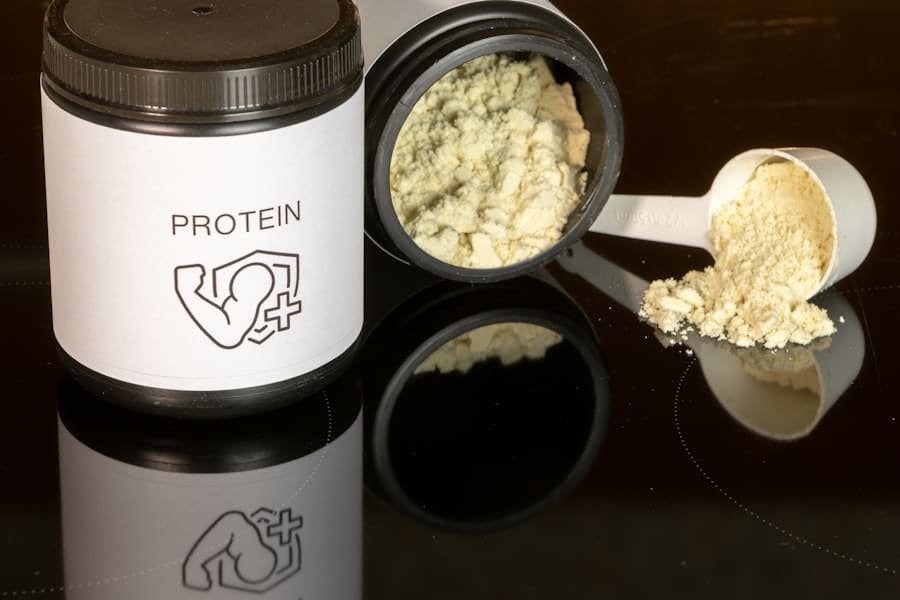
Whey protein is often regarded as the gold standard for muscle building. Derived from milk during the cheese-making process, whey protein is a complete protein that contains all nine essential amino acids necessary for muscle repair and growth. Its rapid absorption rate makes it an excellent post-workout option, allowing your muscles to receive the required nutrients promptly after exercise.
This quick delivery system can significantly enhance recovery and promote muscle hypertrophy. In addition to its muscle-building benefits, whey protein has also been shown to support fat loss. Its high protein content can help you feel satiated, reducing cravings and aiding in weight management.
Furthermore, studies have indicated that whey protein may help preserve lean muscle mass during weight loss, ensuring that the majority of the weight lost comes from fat rather than muscle. By incorporating whey protein into your routine, you can effectively support both muscle gain and fat loss.
Casein Protein: A Slow-Release Option for Sustained Muscle Growth
While whey protein is known for its rapid absorption, casein protein offers a different advantage: slow and steady release of amino acids into the bloodstream. This makes casein an excellent option for individuals seeking to maintain muscle growth over an extended period. When consumed before bed or during long periods without food, casein can provide a steady supply of nutrients to your muscles, helping to prevent catabolism (muscle breakdown) during fasting periods.
The slow-digesting nature of casein also means that it can help keep you feeling full for more extended periods, making it a great addition to your diet if you’re trying to manage your weight. By incorporating casein protein into your routine, especially at night or between meals, you can support muscle recovery while also helping to curb hunger pangs throughout the day.
Plant-Based Protein Powders for Vegans and Vegetarians
For those following a vegan or vegetarian lifestyle, plant-based protein powders offer an excellent alternative to traditional animal-based proteins. Options such as pea protein, brown rice protein, and hemp protein provide a variety of amino acids that can support muscle growth and recovery. While some plant-based proteins may not be complete proteins on their own, combining different sources can ensure you receive all essential amino acids necessary for optimal health.
In addition to being suitable for those with dietary restrictions, plant-based protein powders often come with added health benefits. Many are rich in fiber, vitamins, and minerals that contribute to overall well-being. By choosing plant-based options, you not only support your fitness goals but also align with ethical and environmental considerations that may be important to you.
The Benefits of Adding Protein Powder to Your Diet for Weight Loss
Regulating Hunger Hormones
One of the primary benefits of protein powder is its ability to promote satiety. When you consume enough protein, it helps regulate hunger hormones and keeps you feeling full longer, which can prevent unnecessary snacking and overeating.
Boosting Metabolism
Moreover, protein has a higher thermic effect than fats or carbohydrates, meaning that your body burns more calories digesting it. This metabolic boost can be beneficial when you’re trying to lose weight.
Preserving Lean Muscle Mass
Additionally, maintaining an adequate protein intake while losing weight helps preserve lean muscle mass, which is crucial for maintaining an active metabolism. By adding protein powder to your meals or snacks, you can enhance your weight loss journey while ensuring that you’re nourishing your body effectively.
How to Incorporate Protein Powder into Your Workout Routine for Maximum Results
To maximize the benefits of protein powder in your workout routine, timing and method of consumption are key factors to consider. Consuming protein powder shortly after your workout can significantly enhance recovery and muscle growth. This post-workout window is often referred to as the “anabolic window,” where your muscles are primed to absorb nutrients effectively.
Mixing your protein powder with water or milk and consuming it within 30 minutes after exercising can help replenish glycogen stores and kickstart the recovery process. Additionally, consider incorporating protein powder into pre-workout meals or snacks as well. Consuming a balanced meal with protein before exercising can provide the necessary fuel for optimal performance.
You might blend protein powder into smoothies or mix it into oatmeal for a nutritious breakfast that supports both energy levels and muscle recovery. By strategically incorporating protein powder into your workout routine, you can enhance your performance and achieve better results.
Tips for Using Protein Powder to Support Muscle Recovery and Repair
To effectively use protein powder for muscle recovery and repair, it’s essential to pay attention to dosage and timing. A standard recommendation is to consume around 20-30 grams of protein immediately after working out; however, individual needs may vary based on factors such as body weight and activity level. Experimenting with different amounts can help you find what works best for you in terms of recovery and satiety.
In addition to timing and dosage, consider pairing your protein powder with other nutrients that support recovery. For instance, adding carbohydrates after a workout can help replenish glycogen stores more effectively while enhancing the uptake of amino acids into the muscles. You can blend your protein powder with fruits like bananas or berries for added carbohydrates and antioxidants that support recovery.
By combining these elements thoughtfully, you can optimize your muscle recovery process.
Avoiding Common Pitfalls When Using Protein Powder for Muscle Gain and Weight Loss
While protein powder can be an effective tool in achieving your fitness goals, there are common pitfalls to be aware of to ensure you’re using it effectively. One major mistake is relying solely on protein powder as a source of nutrition rather than incorporating whole foods into your diet. While supplements can help fill nutritional gaps, they should not replace balanced meals rich in vitamins, minerals, and other essential nutrients.
Another pitfall is neglecting portion control when using protein powder. It’s easy to overconsume calories if you’re not mindful of how much you’re adding to smoothies or shakes. Be sure to measure out servings according to the recommended guidelines on the packaging and consider how they fit into your overall daily caloric intake.
By avoiding these common mistakes, you can maximize the benefits of your protein powder supplementation.
The Importance of Balanced Nutrition Alongside Protein Powder for Optimal Results
While protein powder offers numerous benefits for muscle gain and weight loss, it’s crucial to remember that balanced nutrition is key to achieving optimal results. Relying solely on supplements without considering other macronutrients—carbohydrates and fats—can hinder your progress. Each macronutrient plays a unique role in supporting overall health and performance; carbohydrates provide energy for workouts while healthy fats support hormone production and nutrient absorption.
Incorporating a variety of whole foods into your diet ensures that you’re getting a wide range of vitamins and minerals necessary for overall well-being. Aim for a variety of colorful fruits and vegetables, whole grains, lean proteins (including both animal and plant sources), and healthy fats such as avocados or nuts. By maintaining a balanced diet alongside your use of protein powder, you’ll create a solid foundation for achieving your fitness goals.
Finding the Best Protein Powder for Your Budget and Dietary Preferences
With numerous options available on the market today, finding the best protein powder that suits both your budget and dietary preferences is crucial. Start by determining what type of protein aligns with your goals—whether it’s whey, casein, or plant-based—and then explore various brands within that category. Look for products that offer high-quality ingredients without unnecessary fillers or additives.
Price points can vary significantly among different brands; however, it’s essential not to sacrifice quality for cost alone. Reading reviews and checking third-party testing certifications can help ensure you’re choosing a reputable product that delivers on its promises. Additionally, consider purchasing in bulk or looking for sales to save money while still investing in quality nutrition.
By taking these steps, you’ll be able to find a protein powder that meets both your financial constraints and dietary needs effectively.
If you are looking to build muscle and lose weight, it is essential to understand the time it takes to see results. According to a related article on MusclesBuilder.tips, the process of building muscle and losing weight can vary depending on factors such as diet, exercise routine, and genetics.
It is essential to have patience and consistency in your efforts to achieve your desired results. Additionally, utilizing online resources and home workout programs, as discussed in another article on MusclesBuilder.tips, can help you stay on track and make progress towards your fitness goals.
FAQs
What is protein powder?
Protein powder is a dietary supplement that is typically made from whey, casein, soy, or egg proteins. It is used to supplement protein intake and aid in muscle recovery and growth.
How does protein powder help in gaining muscle?
Protein powder provides the body with the necessary building blocks (amino acids) to repair and build muscle tissue. It also helps to increase muscle protein synthesis, leading to muscle growth when combined with resistance training.
Can protein powder help in losing weight?
Yes, protein powder can aid in weight loss by increasing satiety, reducing appetite, and preserving lean muscle mass. This can lead to a higher metabolic rate and greater fat loss.
What is the best protein powder for gaining muscle and losing weight?
The best protein powder for gaining muscle and losing weight is typically one that is low in calories and carbohydrates, high in protein content, and free from added sugars and artificial ingredients. Whey protein isolate and casein protein are popular choices for this purpose.
How should protein powder be consumed for the best results?
Protein powder can be consumed as a post-workout shake, added to smoothies, or used in baking recipes. It is essential to follow the recommended serving size and drink it as part of a balanced diet and exercise routine for optimal results.
RELATED TOPICS ABOUT Best Protein Powder to Gain Muscle and Lose Weight:
Best Protein Powder For Building Muscle And Losing Fat,
Best Protein Powder To Gain Muscle And Lose Fat,
Protein Powder To Gain Muscle And Lose Fat
==========
Content 10/10/G