When it comes to building muscle, protein is often hailed as the cornerstone of your diet. This macronutrient plays a crucial role in muscle repair and growth, making it essential for anyone looking to increase their strength and size. As you engage in resistance training or any form of exercise that challenges your muscles, tiny tears occur in the muscle fibers.
Protein is vital for repairing these tears, allowing your muscles to recover and grow stronger. Without adequate protein intake, you may find it challenging to achieve your muscle gain goals, as your body lacks the necessary building blocks to facilitate recovery and growth. Moreover, protein is not just about muscle repair; it also influences your overall body composition.
A higher protein intake can help you maintain lean muscle mass while promoting fat loss, which is particularly beneficial if you’re looking to improve your physique. By incorporating sufficient protein into your diet, you can enhance your metabolic rate, as protein has a higher thermic effect compared to fats and carbohydrates. This means that your body burns more calories digesting protein than it does with other macronutrients, making it a powerful ally in your muscle-building journey.
Key Takeaways
- Protein is essential for muscle gain as it provides the building blocks for muscle growth and repair.
- Your protein needs depend on factors such as body weight, activity level, and fitness goals.
- Exercise increases protein requirements, especially resistance training which can lead to muscle breakdown.
- Calculate your protein intake by multiplying your body weight in kilograms by 1.2-2.2 grams, depending on your activity level.
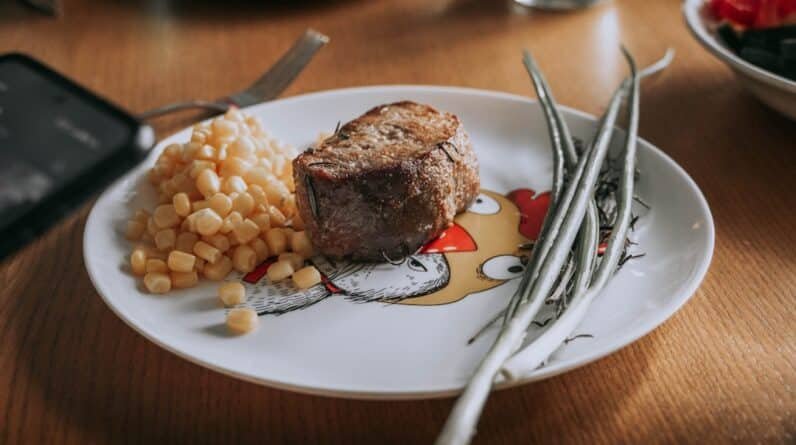
- The best sources of protein for muscle growth include lean meats, poultry, fish, eggs, dairy, and plant-based options like tofu and legumes.
- Timing protein intake around workouts can optimize muscle protein synthesis and recovery.
- Consuming too much protein can strain the kidneys and lead to dehydration, so it’s important to moderate intake.
- Protein is crucial for muscle recovery as it helps repair and rebuild muscle tissue after exercise.
- Individual factors such as age, gender, and metabolism should be considered when adjusting protein intake.
- Balancing protein intake with carbohydrates and fats is important for overall nutrition and energy needs.
- Consulting with a nutritionist or dietitian can provide personalized protein recommendations based on your specific needs and goals.
Determining your protein needs
Understanding how much protein you need is a critical step in your muscle-building journey. The general recommendation for those engaged in regular strength training is to consume between 1.6 to 2.2 grams of protein per kilogram of body weight. However, this range can vary based on several factors, including your age, sex, activity level, and specific fitness goals.
For instance, if you’re a beginner just starting with resistance training, you might find that the lower end of this spectrum suffices. Conversely, seasoned athletes or those aiming for significant muscle gain may need to push their intake closer to the upper limit. To determine your specific protein needs, start by calculating your body weight in kilograms.
If you’re more comfortable using pounds, remember that one kilogram is approximately 2.2 pounds. Once you have your weight in kilograms, multiply it by the recommended protein intake range that aligns with your goals. This calculation will give you a clearer picture of how much protein you should aim for daily to support your muscle growth effectively.
The role of exercise in protein requirements
Your exercise routine significantly influences your protein requirements. Engaging in resistance training or high-intensity workouts increases the demand for protein as your muscles undergo stress and require more nutrients for recovery. The type and intensity of your workouts will dictate how much protein you need.
For example, if you’re lifting heavy weights or performing high-volume training sessions, your muscles will experience more micro-tears, necessitating a higher protein intake to facilitate repair and growth. Additionally, the frequency of your workouts plays a role in determining your protein needs. If you’re training multiple times a week or incorporating different forms of exercise such as cardio and strength training, you’ll need to ensure that your protein intake is sufficient to support recovery from each session.
Balancing your exercise routine with adequate protein consumption will not only help you build muscle but also enhance your overall performance and endurance.
How to calculate your protein intake for muscle gain
Calculating your protein intake for muscle gain involves a straightforward process that can be tailored to fit your individual needs. Start by determining your body weight in kilograms and then decide on a target protein intake based on your activity level and goals. For instance, if you weigh 70 kilograms and aim for 1.8 grams of protein per kilogram, you would multiply 70 by 1.8, resulting in a daily protein target of 126 grams.
Once you’ve established your daily protein goal, consider how to distribute this intake throughout the day. It’s generally recommended to spread your protein consumption across meals and snacks to maximize muscle protein synthesis. Aim for around 20-30 grams of protein per meal, which can help stimulate muscle repair and growth effectively.
By planning your meals and snacks accordingly, you can ensure that you’re meeting your protein needs consistently while supporting your muscle-building efforts.
The best sources of protein for muscle growth
When it comes to selecting the best sources of protein for muscle growth, variety is key. Animal-based proteins such as chicken, turkey, beef, fish, and eggs are excellent choices due to their complete amino acid profiles. These proteins contain all nine essential amino acids that your body cannot produce on its own, making them highly effective for muscle repair and growth.
Incorporating these sources into your diet can help you meet your daily protein requirements while providing additional nutrients like iron and omega-3 fatty acids. Plant-based proteins are also valuable options for those who prefer vegetarian or vegan diets. Foods such as lentils, chickpeas, quinoa, tofu, and tempeh offer substantial amounts of protein while being rich in fiber and other essential nutrients.
While some plant-based proteins may lack one or more essential amino acids, combining different sources—such as rice and beans—can create a complete amino acid profile. By diversifying your protein sources, you can ensure that you’re not only meeting your protein needs but also enjoying a well-rounded diet.
Timing your protein intake for optimal muscle gain
Optimizing Post-Workout Nutrition
In addition to the post-workout window, it’s essential to consider your overall daily protein intake. Research suggests that spreading protein intake throughout the day can enhance muscle growth more effectively than consuming large amounts infrequently.
The Benefits of Regular Protein Intake
Consuming smaller amounts of protein at regular intervals, every three to four hours, can support continuous muscle repair and maintain stable energy levels throughout the day. This approach can lead to more effective muscle growth and recovery.
Maximizing Muscle Gain and Recovery
By timing your protein intake correctly, you can optimize your muscle gain and recovery. Aim to consume a source of protein within the optimal post-workout window and spread your intake throughout the day to support continuous muscle repair and growth.
Potential risks of consuming too much protein
While protein is essential for muscle gain, it’s important to recognize that consuming excessive amounts can lead to potential risks. One concern is the strain on your kidneys; high-protein diets can increase the workload on these organs as they filter out waste products from protein metabolism. For individuals with pre-existing kidney conditions, excessive protein intake may exacerbate health issues.
Additionally, focusing too heavily on protein at the expense of other macronutrients can lead to imbalances in your diet. Carbohydrates and fats play vital roles in providing energy and supporting overall health. Neglecting these nutrients can hinder performance during workouts and affect recovery times.
Striking a balance between all three macronutrients is crucial for optimal health and effective muscle gain.
The relationship between protein and muscle recovery
Protein plays an integral role in muscle recovery following intense workouts. After exercising, especially during resistance training sessions, your muscles undergo stress that leads to micro-tears. Consuming adequate amounts of protein helps repair these tears by providing the necessary amino acids required for rebuilding muscle fibers stronger than before.
Moreover, the timing of protein intake can further enhance recovery processes. Studies have shown that consuming a combination of carbohydrates and proteins post-workout can optimize glycogen replenishment while promoting muscle repair. This synergistic effect not only aids in recovery but also prepares you for subsequent workouts by ensuring that your muscles are adequately nourished.
Adjusting protein intake based on individual factors
Your individual factors play a significant role in determining how much protein you should consume for optimal muscle gain. Factors such as age, sex, body composition, and activity level can all influence your specific needs. For instance, older adults may require higher protein intakes to counteract age-related muscle loss known as sarcopenia.
Additionally, if you’re undergoing changes in body composition—such as losing fat while gaining muscle—you may need to adjust your protein intake accordingly. Monitoring how your body responds to different levels of protein can help you fine-tune your diet to achieve the best results based on your unique circumstances.
Balancing protein intake with other macronutrients
While prioritizing protein is essential for muscle gain, it’s equally important to balance it with carbohydrates and fats in your diet. Carbohydrates serve as the primary energy source during workouts; without sufficient carbs, you may experience fatigue and decreased performance levels. Including complex carbohydrates such as whole grains, fruits, and vegetables will provide sustained energy for both workouts and daily activities.
Fats also play a crucial role in hormone production and overall health. Healthy fats from sources like avocados, nuts, seeds, and olive oil contribute to nutrient absorption and support various bodily functions. By ensuring that you’re consuming an appropriate balance of all three macronutrients—proteins, carbohydrates, and fats—you’ll create a well-rounded diet that supports not only muscle gain but also overall health.
Consulting with a nutritionist or dietitian for personalized protein recommendations
Navigating the world of nutrition can be overwhelming, especially when it comes to determining the right amount of protein for muscle gain. Consulting with a nutritionist or registered dietitian can provide you with personalized recommendations tailored to your specific needs and goals. These professionals can assess factors such as your current dietary habits, activity level, and health status to create a customized plan that optimizes your nutrition for muscle growth.
Working with a nutrition expert can also help you identify any potential deficiencies in your diet and suggest strategies for improvement. Whether you’re looking to build muscle mass or simply maintain a healthy lifestyle, having professional guidance can make a significant difference in achieving sustainable results while ensuring that you’re meeting all of your nutritional needs effectively.
If you are looking to maximize your muscle gains, it is important to consider the role of genetics in muscle building. Genetics play a significant role in determining how easily you can build muscle and how quickly you can recover from workouts. Understanding your genetic predispositions can help you tailor your training and nutrition plan for optimal results. For more information on how sleep can impact muscle recovery, check out this article.
FAQs
What is protein intake?
Protein intake refers to the amount of protein consumed through food and supplements in a person’s diet.
Why is protein important for gaining muscle?
Protein is essential for muscle growth and repair. It provides the building blocks (amino acids) necessary for muscle tissue synthesis and recovery after exercise.
How much protein intake is needed to gain muscle?
The general recommendation for protein intake to gain muscle is 1.6 to 2.2 grams of protein per kilogram of body weight per day for individuals engaging in regular resistance training.
Can consuming more protein than recommended help in gaining muscle faster?
Consuming more protein than the recommended amount does not necessarily lead to faster muscle gain. The body can only utilize a certain amount of protein for muscle synthesis, and excess protein is typically used for energy or stored as fat.
What are good sources of protein for muscle gain?
Good sources of protein for muscle gain include lean meats, poultry, fish, eggs, dairy products, legumes, and plant-based protein sources such as tofu and tempeh.
Is it necessary to consume protein supplements for muscle gain?
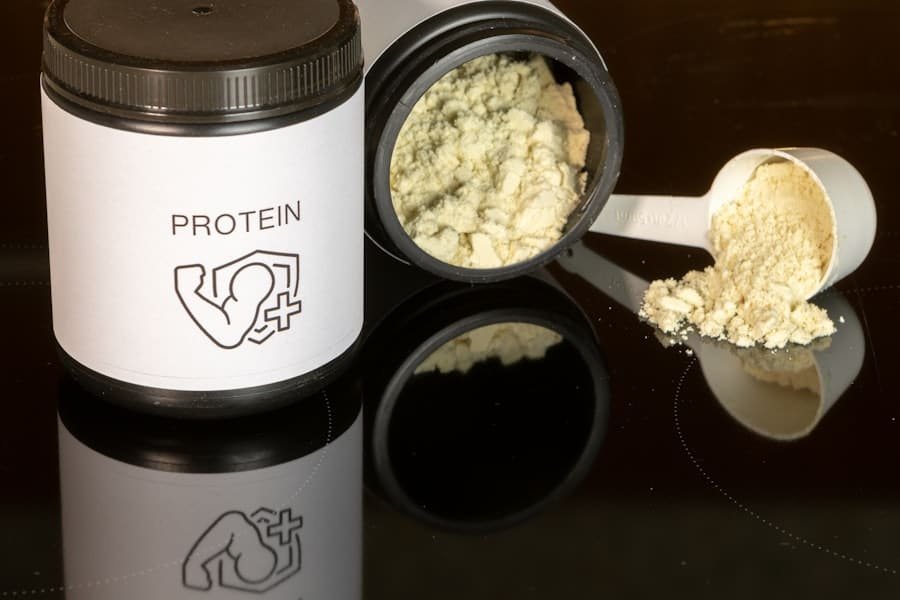
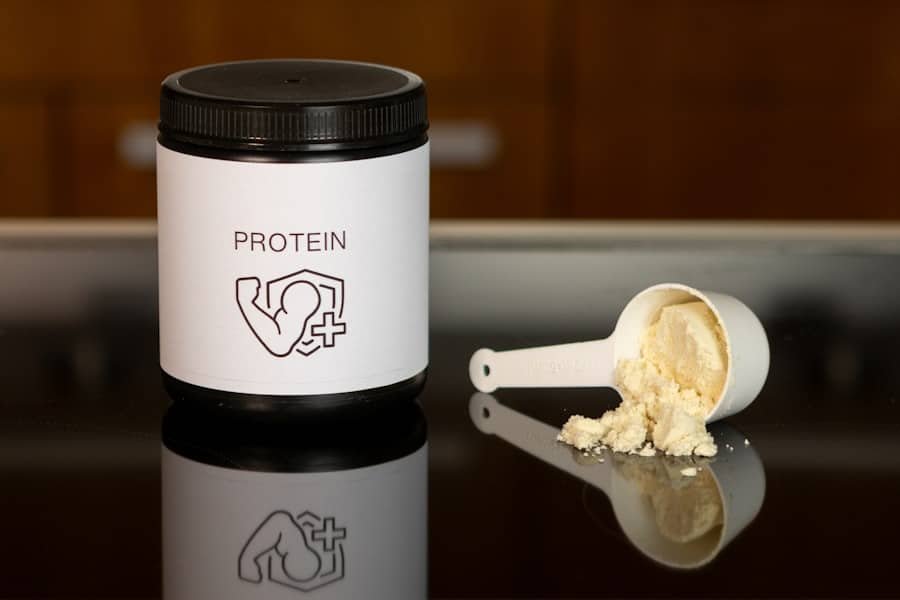
While it is possible to meet protein needs through whole food sources, protein supplements can be convenient for individuals who have difficulty meeting their protein requirements through diet alone, especially for those with higher protein needs.