
Best Coaching to Build Muscle After 50
As you reach the age of 50, you may notice changes in your body that can be disheartening. One of the most significant changes is the gradual loss of muscle mass, a condition known as sarcopenia. This natural decline can lead to decreased strength, balance issues, and an increased risk of falls and injuries.
However, understanding the importance of muscle building at this stage in life can empower you to take control of your health and well-being. Engaging in regular strength training can help counteract these effects, allowing you to maintain your independence and improve your quality of life. Building muscle after 50 is not just about aesthetics; it plays a crucial role in overall health.
Increased muscle mass can enhance your metabolism, making it easier to maintain a healthy weight. Additionally, stronger muscles support your joints and bones, reducing the risk of osteoporosis and fractures. By prioritizing muscle building, you are investing in your future self, ensuring that you remain active and vibrant as you age.
The benefits extend beyond physical health; they also encompass mental well-being, as regular exercise has been shown to reduce symptoms of anxiety and depression.
Key Takeaways
- Muscle building after the age of 50 is essential for maintaining strength, mobility, and overall health.
- Finding the right coaching program tailored to your age and fitness level is crucial for achieving safe and effective muscle building.
- Strength training for older adults offers numerous benefits, including improved bone density, metabolism, and balance.
- Common misconceptions about building muscle after 50 include the belief that it’s too late to start or that it’s unsafe.
- Nutrition plays a key role in muscle building for older adults, providing the necessary fuel and nutrients for growth and recovery.
Finding the Right Coaching Program for Your Age and Fitness Level
Research and Select a Program That Aligns with Your Goals
When embarking on a muscle-building journey after the age of 50, it’s crucial to find a coaching program tailored to your age and fitness level. With numerous options available, taking the time to research and select a program that aligns with your goals can make all the difference. Look for programs that emphasize safety, proper form, and gradual progression.
Working with a Qualified Coach
A qualified coach who understands the unique needs of older adults can provide invaluable guidance and support. Consider seeking out programs that offer personalized assessments to determine your current fitness level. This approach enables you to begin at a pace that feels comfortable while still being challenging enough to promote growth.
Finding Motivation and Community
Additionally, group classes designed for older adults can foster a sense of community and motivation. Surrounding yourself with like-minded individuals who share similar goals can enhance your experience and keep you accountable on your journey.
The Benefits of Strength Training for Older Adults
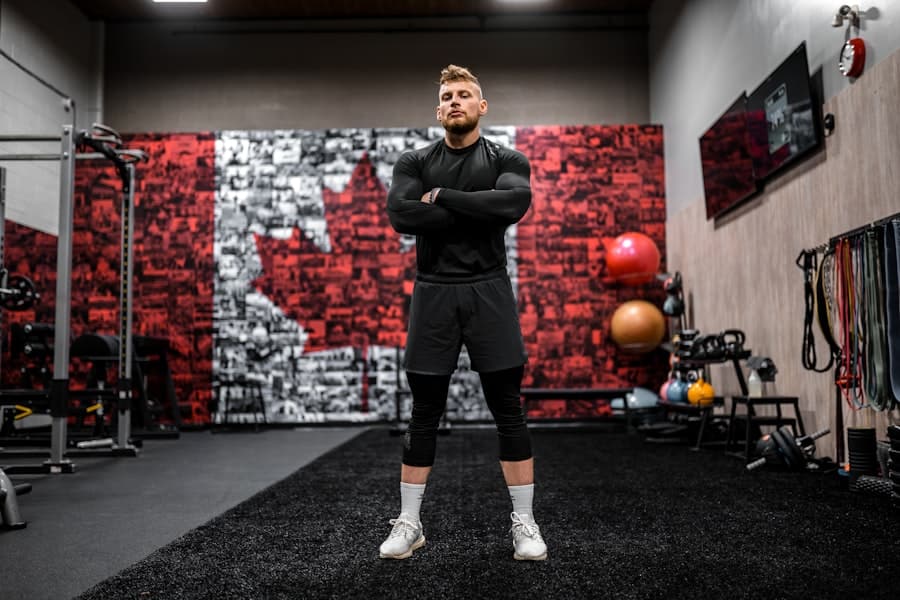
Strength training offers a multitude of benefits for older adults that extend far beyond muscle gain. One of the most significant advantages is improved functional strength, which translates into everyday activities such as lifting groceries, climbing stairs, or getting up from a chair. By enhancing your strength, you can maintain your independence and perform daily tasks with greater ease.
This newfound strength can also boost your confidence, allowing you to engage in social activities without fear of physical limitations. Moreover, strength training has been linked to improved bone density, a factor that becomes particularly important as you age. As you build muscle, you also stimulate bone growth, reducing the risk of osteoporosis and fractures.
Additionally, regular strength training can help regulate blood sugar levels, improve cardiovascular health, and enhance overall metabolic function. These benefits contribute to a healthier lifestyle and can even lead to a longer lifespan. By incorporating strength training into your routine, you are not only building muscle but also investing in your long-term health.
Common Misconceptions About Building Muscle After 50
Despite the numerous benefits of muscle building after 50, several misconceptions may deter you from pursuing this path. One common myth is that it’s too late to start strength training or that older adults cannot build muscle effectively. In reality, research has shown that individuals over 50 can still experience significant gains in muscle mass and strength with the right approach.
Your body is capable of adapting to new challenges at any age; it simply requires a tailored program that considers your unique needs and goals. Another misconception is that strength training is dangerous for older adults and may lead to injuries. While it’s true that safety should always be a priority, when performed correctly under professional guidance, strength training can be safe and beneficial.
Many injuries stem from improper form or overexertion rather than the activity itself. By focusing on proper technique and gradually increasing intensity, you can minimize the risk of injury while reaping the rewards of muscle building.
The Role of Nutrition in Muscle Building for Older Adults
Nutrition plays a crucial role in your muscle-building journey after the age of 50. As you age, your body’s nutritional needs change, making it essential to focus on a balanced diet that supports muscle growth and recovery. Protein is vital for building and repairing muscle tissue.
Aim to incorporate high-quality protein sources into each meal, such as lean meats, fish, eggs, dairy products, legumes, and nuts. Consuming protein-rich snacks after a workout can also aid in recovery and promote muscle synthesis. In addition to protein, don’t overlook the importance of other nutrients such as healthy fats and carbohydrates.
Healthy fats found in avocados, olive oil, and fatty fish support overall health and hormone production, while carbohydrates provide the energy needed for effective workouts. Staying hydrated is equally crucial; dehydration can hinder performance and recovery. By prioritizing nutrition alongside your strength training efforts, you create a solid foundation for building muscle and achieving your fitness goals.
Tailoring Workouts for Age-Related Changes in the Body
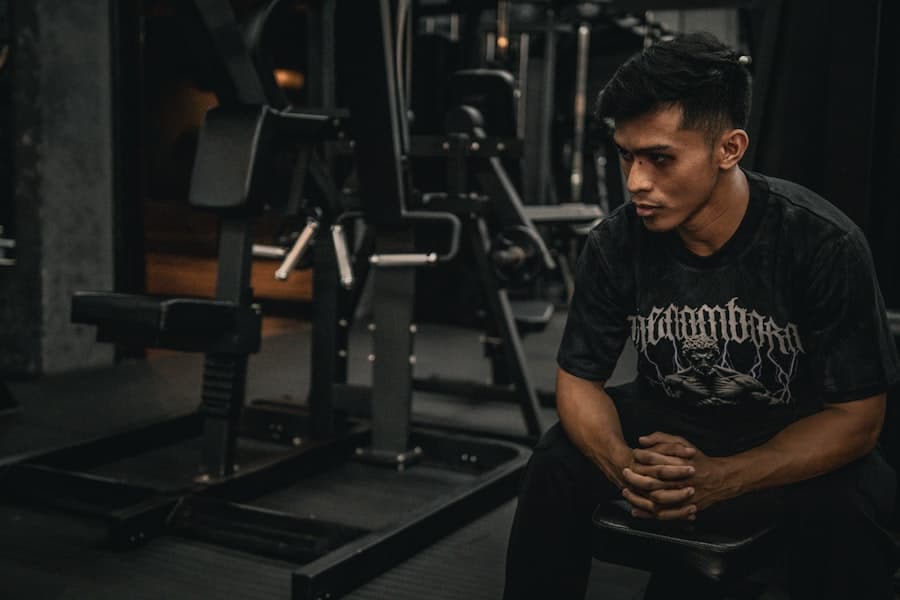
As you age, it’s essential to recognize that your body undergoes various changes that may affect your workout routine. Joint stiffness, decreased flexibility, and slower recovery times are common issues faced by older adults. Therefore, tailoring your workouts to accommodate these changes is vital for both safety and effectiveness.
Incorporating flexibility exercises such as stretching or yoga can enhance your range of motion and reduce the risk of injury during strength training sessions. Additionally, consider focusing on functional movements that mimic everyday activities. Exercises like squats, lunges, and push-ups not only build muscle but also improve your ability to perform daily tasks with ease.
It’s also wise to include balance training in your routine; exercises such as standing on one leg or using stability balls can enhance coordination and help prevent falls. By customizing your workouts to address age-related changes, you set yourself up for success while minimizing potential setbacks.
Overcoming Challenges and Injuries When Building Muscle After 50
Embarking on a muscle-building journey after the age of 50 may present challenges along the way, including potential injuries or setbacks. It’s crucial to approach these obstacles with resilience and a positive mindset. If you experience discomfort or pain during workouts, listen to your body and consult with a healthcare professional or coach before pushing through it.
Ignoring pain can lead to more significant injuries that could derail your progress. Moreover, consider adopting a proactive approach to injury prevention by incorporating warm-up routines before workouts and cooldown stretches afterward. These practices can enhance flexibility and reduce muscle soreness post-exercise.
If you do encounter an injury, remember that recovery is part of the process; allow yourself time to heal before returning to your routine. By addressing challenges head-on and prioritizing injury prevention strategies, you can continue building muscle safely and effectively.
Incorporating Recovery and Rest Days into Your Muscle Building Program
Recovery is an often-overlooked aspect of any fitness program, but it is especially crucial for older adults engaged in muscle building. Your muscles need time to repair and grow stronger after workouts; without adequate rest days, you risk overtraining and burnout. Incorporating recovery days into your routine allows your body to recuperate while still making progress toward your goals.
Consider scheduling at least one or two rest days each week, during which you engage in light activities such as walking or gentle stretching, rather than intense workouts. This approach keeps you active while giving your muscles the time they need to recover fully. Additionally, prioritize sleep as part of your recovery strategy; quality sleep is essential for muscle repair and overall well-being.
By valuing recovery as much as the workouts themselves, you set yourself up for sustainable success in building muscle after the age of 50.
Setting Realistic Goals and Expectations for Muscle Building After 50
As you embark on your muscle-building journey after the age of 50, it’s essential to set realistic goals and expectations for yourself. While it’s natural to aspire for significant changes in strength or physique, understanding that progress may be gradual is key to maintaining motivation over time. Instead of focusing solely on numbers or aesthetics, consider setting performance-based goals such as increasing the weight you lift or improving your endurance during workouts.
Additionally, celebrate small victories along the way; every step forward counts! Whether it’s completing an extra rep or feeling more energetic throughout the day, acknowledging these achievements can boost your confidence and keep you motivated on your journey. Remember that everyone’s body responds differently to exercise; comparing yourself to others may lead to frustration rather than inspiration.
By setting realistic goals tailored to your unique circumstances, you create a positive framework for success.
The Importance of Consistency and Patience in Muscle Building for Older Adults
Consistency is perhaps one of the most crucial factors in achieving success with muscle building after the age of 50. Establishing a regular workout routine helps reinforce healthy habits while promoting long-term results. Aim for at least two to three strength training sessions per week, incorporating cardiovascular exercise to achieve overall fitness.
The key is finding a schedule that works for you—one that strikes a balance between commitment and enjoyment. Patience is equally essential; building muscle takes time and dedication, regardless of age. You may not see immediate results, but trust that every workout contributes to your progress over time.
Embrace the journey rather than fixating solely on outcomes; this mindset shift can make the process more enjoyable and sustainable. By prioritizing consistency and patience in your approach to muscle building, you’ll cultivate resilience that serves you well beyond the gym.
Success Stories and Testimonials from Older Adults Who Have Built Muscle After 50
Hearing success stories from others who have embarked on similar journeys can be incredibly inspiring as you navigate your own path toward muscle building after 50. Many older adults have transformed their lives through strength training—improving their physical health while gaining confidence along the way. These testimonials often highlight not only physical changes but also emotional growth; individuals report feeling empowered by their newfound strength and resilience.
Consider seeking out local community groups or online forums where older adults share their experiences with fitness journeys. Engaging with these stories can motivate you during challenging times while reminding you that you’re not alone in this endeavor. Whether it’s someone who has overcome health challenges or achieved personal milestones through consistent effort, these narratives serve as powerful reminders of what’s possible when you commit to building muscle after 50.
Embarking on a muscle-building journey after the age of 50 is not only possible but also immensely rewarding. By understanding its importance, finding the right coaching program tailored to your needs, prioritizing nutrition, addressing misconceptions about aging bodies, customizing workouts for age-related changes, overcoming challenges with resilience, valuing recovery days alongside consistent effort—you’re setting yourself up for success! Remember: every step counts toward achieving those goals!
So embrace this opportunity wholeheartedly—your future self will thank you!
If you are looking for more advanced muscle-building techniques to complement the best coaching for building muscle after 50, consider this article on advanced muscle-building techniques. This article provides valuable insights into how to take your muscle-building efforts to the next level and achieve even better results. By incorporating these advanced techniques into your training regimen, you can maximize muscle stimulation and see significant gains in muscle mass and strength.
FAQs
What is the best coaching to build muscle after 50?
The best coaching to build muscle after 50 involves a combination of strength training, proper nutrition, and recovery techniques tailored to the specific needs and limitations of individuals in this age group.
Why is strength training essential for building muscle after 50?
Strength training is essential for building muscle after 50 because it helps to increase muscle mass, improve bone density, and boost metabolism. It also helps to counteract the natural loss of muscle mass and strength that occurs with aging.
What should a muscle-building workout program for individuals over 50 include?
A muscle-building workout program for individuals over 50 should incorporate a combination of resistance training exercises that target all major muscle groups, with a focus on maintaining proper form and technique. It should also include flexibility and mobility exercises to support joint health and prevent injury.
How does nutrition play a role in building muscle after 50?
Nutrition plays a crucial role in building muscle after 50 by providing the necessary nutrients for muscle repair and growth. A diet rich in protein, healthy fats, and complex carbohydrates, along with adequate hydration, is essential for supporting muscle development and recovery.
What are some common challenges faced by individuals over 50 when trying to build muscle?
Common challenges faced by individuals over 50 when trying to build muscle include age-related muscle loss, decreased recovery ability, and a higher risk of injury. Additionally, hormonal changes and metabolic slowdown can make it more challenging to build and maintain muscle mass.
How can a coach help individuals over 50 with their muscle-building goals?
A coach can help individuals over 50 with their muscle-building goals by designing a personalized workout program that takes into account their age, fitness level, and any existing health conditions. They can also provide guidance on proper nutrition, recovery strategies, and exercise modifications to accommodate any physical limitations.
RELATED TOPICS ABOUT Best Coaching to Build Muscle After 50:
Best Way To Build Muscle After 50, Building Muscle After 50,
Building Muscle After 50 – The Definitive Guide,
How To Build Muscle After 50 Female
==========
Content 10/10/G