When you embark on a journey to build muscle, one of the most critical components you need to consider is protein. This macronutrient plays a pivotal role in muscle development and recovery, making it essential for anyone looking to enhance their physique or athletic performance. As you delve into the world of fitness, understanding the significance of protein can empower you to make informed dietary choices that align with your muscle-building goals.
Protein is not just a dietary staple; it is the building block of your muscles. Composed of amino acids, protein helps repair and grow muscle fibers that are broken down during exercise. Whether you are lifting weights, engaging in high-intensity interval training, or participating in endurance sports, your body requires an adequate supply of protein to facilitate recovery and promote growth.
By grasping the fundamentals of protein and its relationship with muscle building, you can optimize your nutrition and training regimen for better results.
Key Takeaways
- Protein is essential for muscle building and repair, as it provides the necessary building blocks for muscle growth.
- Adequate protein intake is crucial for maximizing muscle growth, and it is important to consume protein from a variety of sources.
- Different sources of protein, such as lean meats, dairy, eggs, and plant-based options, can all contribute to muscle growth when consumed as part of a balanced diet.
- Timing of protein intake, such as consuming protein before and after workouts, can support muscle building and recovery.
- Protein supplements can be a convenient way to increase protein intake, but whole food sources should still be prioritized for overall health and nutrition.
The Role of Protein in Muscle Growth
As you engage in resistance training, your muscles undergo a process known as hypertrophy, where they increase in size and strength. This process is heavily reliant on protein. When you work out, tiny tears occur in your muscle fibers.
Your body responds by repairing these tears, and this is where protein comes into play. The amino acids derived from protein consumption are utilized to rebuild and strengthen these fibers, leading to increased muscle mass over time. Moreover, protein plays a crucial role in the synthesis of new muscle tissue.
This process, known as muscle protein synthesis (MPS), is stimulated by resistance training and is further enhanced by adequate protein intake. If you want to maximize your muscle growth, it’s essential to understand that simply consuming protein isn’t enough; the timing and quality of the protein you consume also matter significantly. By ensuring that you provide your body with the right amount of high-quality protein at strategic times, you can effectively support MPS and optimize your muscle-building efforts.
The Importance of Adequate Protein Intake for Muscle Building
To achieve your muscle-building goals, it’s vital to consume an adequate amount of protein daily. The general recommendation for those engaged in regular strength training is around 1.6 to 2.2 grams of protein per kilogram of body weight. This range can vary based on factors such as age, sex, activity level, and specific fitness goals.
By calculating your individual protein needs, you can tailor your diet to ensure that you are providing your body with the necessary nutrients for optimal muscle growth. Inadequate protein intake can hinder your progress and lead to suboptimal results. If you don’t consume enough protein, your body may struggle to repair and build muscle tissue effectively.
This can result in prolonged recovery times, increased fatigue, and even muscle loss over time. Therefore, prioritizing protein in your diet is not just beneficial; it’s essential for anyone serious about building muscle and improving overall fitness.
Different Sources of Protein for Muscle Growth
When it comes to meeting your protein needs, there are numerous sources available to choose from. Animal-based proteins, such as chicken, beef, fish, eggs, and dairy products, are often considered complete proteins because they contain all nine essential amino acids required for muscle growth. These sources are particularly beneficial for those looking to maximize their muscle-building potential due to their high biological value.
On the other hand, plant-based proteins can also be excellent options for muscle growth. Foods like lentils, chickpeas, quinoa, tofu, and tempeh provide substantial amounts of protein while also offering additional health benefits such as fiber and antioxidants. While plant-based proteins may not always contain all essential amino acids in sufficient quantities, combining different sources can help you achieve a complete amino acid profile.
By diversifying your protein sources, you can not only meet your nutritional needs but also enjoy a varied and balanced diet.
Protein Timing and Muscle Building
The timing of your protein intake can significantly influence your muscle-building results. Consuming protein around your workout sessions—both before and after—can enhance muscle recovery and growth. Pre-workout protein consumption helps prepare your muscles for the stress they are about to endure, while post-workout protein intake aids in recovery and promotes MPS.
Research suggests that consuming a source of protein within 30 minutes to two hours after exercising can maximize the benefits of your workout. This post-exercise window is often referred to as the “anabolic window,” during which your muscles are particularly receptive to nutrients. By strategically timing your protein intake around your workouts, you can create an optimal environment for muscle growth and recovery.
Protein Supplements for Muscle Growth
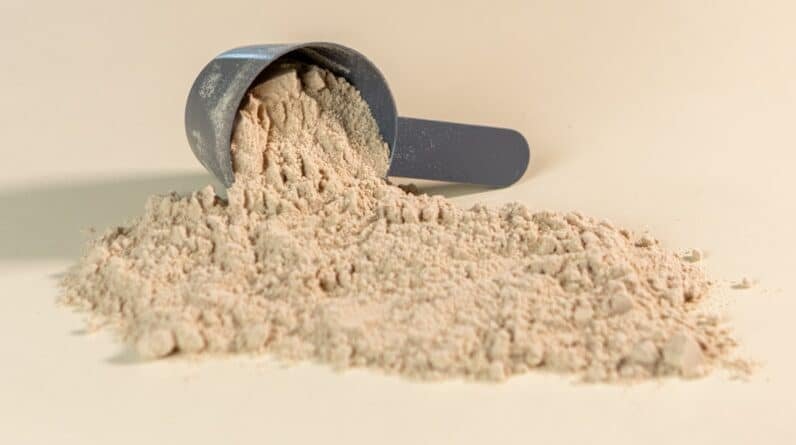
While whole food sources should be the foundation of your protein intake, supplements can be a convenient way to help you meet your daily requirements. Protein powders—such as whey, casein, soy, or pea protein—are popular among athletes and fitness enthusiasts due to their ease of use and quick absorption rates. These supplements can be particularly beneficial when you’re on the go or struggling to consume enough protein through food alone.
However, it’s important to choose high-quality supplements that align with your dietary preferences and goals. For instance, if you’re lactose intolerant or following a vegan diet, plant-based protein powders may be more suitable for you. While supplements can be helpful tools in your muscle-building arsenal, they should complement a well-rounded diet rather than replace whole food sources.
Protein and Muscle Recovery
Recovery is an integral part of any successful training program, and protein plays a vital role in this process. After an intense workout session, your muscles need time to repair and rebuild. Consuming adequate protein helps facilitate this recovery by providing the necessary amino acids for muscle repair and growth.
In addition to aiding in muscle recovery, protein also supports other aspects of post-exercise recovery. It helps replenish energy stores depleted during workouts and can reduce muscle soreness by minimizing the extent of muscle damage incurred during exercise. By prioritizing protein intake as part of your recovery strategy, you can enhance your overall performance and ensure that you’re ready for your next workout.
Maximizing Muscle Growth with Protein
In conclusion, understanding the importance of protein in muscle building is crucial for anyone looking to enhance their fitness journey. From its role in muscle growth and recovery to the various sources available and the timing of intake, every aspect contributes to maximizing your results. By ensuring that you consume adequate amounts of high-quality protein from diverse sources while strategically timing your intake around workouts, you can create an optimal environment for muscle development.
As you continue on your path toward achieving your fitness goals, remember that consistency is key. Make it a habit to prioritize protein in your diet while also focusing on overall nutrition and training strategies. With dedication and the right approach to protein intake, you’ll be well on your way to building the strong, muscular physique you’ve always desired.
If you are interested in learning more about macronutrient ratios for muscle building, check out this informative article here. Understanding the importance of protein in building lean muscle is crucial, but it is also essential to consider the overall balance of macronutrients in your diet. By incorporating supersets, giant sets, and dropsets into your workout routine, you can maximize muscle growth and strength. For those looking to bulk up and gain muscle mass, a muscle gainer supplement may be a helpful addition to your regimen.
FAQs
What is protein?
Protein is a macronutrient made up of amino acids that are essential for the growth and repair of tissues in the body.
How does protein help build lean muscle?
Protein provides the necessary building blocks (amino acids) for muscle growth and repair. It also helps to support muscle recovery after exercise.
How much protein do I need to build lean muscle?
The amount of protein needed to build lean muscle varies depending on factors such as body weight, activity level, and fitness goals. Generally, it is recommended to consume 0.8-1 gram of protein per pound of body weight per day for muscle building.
What are good sources of protein for building lean muscle?
Good sources of protein for building lean muscle include lean meats, poultry, fish, eggs, dairy products, legumes, and plant-based protein sources such as tofu and tempeh.
When is the best time to consume protein for muscle building?
Consuming protein throughout the day, especially after a workout, can help support muscle growth and repair. It is also beneficial to consume protein within 30 minutes to an hour after exercise to aid in muscle recovery.
Can I consume too much protein when trying to build lean muscle?
Consuming excessive amounts of protein can put strain on the kidneys and may lead to dehydration. It is important to consume protein in moderation and to maintain a balanced diet with a variety of nutrients.