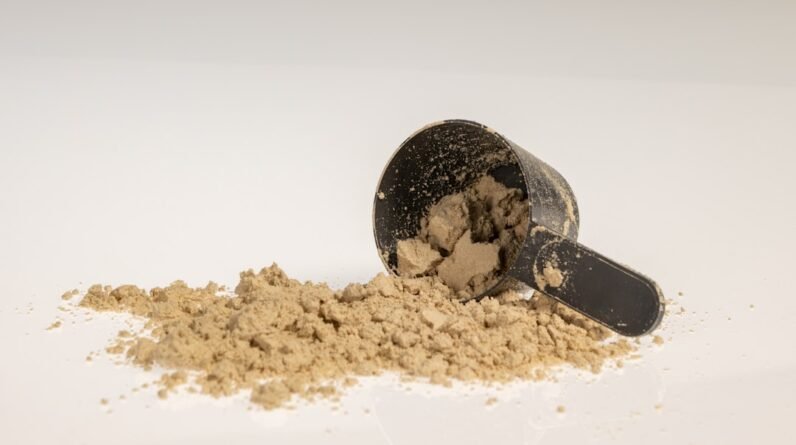
In the world of fitness and nutrition, low-carb protein powder has emerged as a popular supplement for those looking to enhance their muscle-building efforts while managing their carbohydrate intake. This type of protein powder is specifically formulated to provide a high protein content with minimal carbohydrates, making it an ideal choice for individuals following low-carb diets, such as ketogenic or paleo diets. By understanding the composition and purpose of low-carb protein powder, you can make informed decisions about how it fits into your dietary regimen.
Low-carb protein powders are typically derived from various sources, including whey, casein, egg whites, and plant-based proteins like pea or hemp. The primary goal of these supplements is to deliver essential amino acids that support muscle repair and growth without the added sugars and carbohydrates found in many traditional protein powders. This makes them particularly appealing for those who are not only focused on building lean muscle but also on maintaining a healthy weight or improving overall body composition.
By choosing a low-carb option, you can fuel your workouts effectively while adhering to your dietary preferences.
Key Takeaways
- Low-carb protein powder is a dietary supplement that provides a concentrated source of protein with minimal carbohydrates.
- Low-carb protein powder can help in building and maintaining lean muscle mass, aiding in muscle recovery, and supporting weight management.
- Types of low-carb protein powder include whey protein, casein protein, pea protein, and hemp protein, each with its own unique benefits.
- When choosing the best low-carb protein powder, consider factors such as protein content, ingredients, flavor, and dietary restrictions.
- Incorporating low-carb protein powder into your diet can be done through shakes, smoothies, baking, and cooking to increase protein intake and support muscle growth.
Benefits of Low-carb Protein Powder for Lean Muscle
One of the most significant advantages of incorporating low-carb protein powder into your diet is its ability to support lean muscle development. When you engage in resistance training or high-intensity workouts, your muscles undergo stress and micro-tears that require adequate protein for recovery and growth. Low-carb protein powder provides a concentrated source of protein that can help you meet your daily protein requirements without the excess carbohydrates that can hinder your fitness goals.
Additionally, low-carb protein powder can aid in muscle preservation during weight loss. When you reduce your caloric intake to shed pounds, there is a risk of losing muscle mass along with fat. By consuming a high-protein, low-carb supplement, you can help protect your muscle tissue while promoting fat loss.
This dual benefit makes low-carb protein powder an essential tool for anyone looking to achieve a leaner physique while maintaining strength and performance.
Types of Low-carb Protein Powder
When it comes to selecting a low-carb protein powder, you will find a variety of options available on the market. Each type has its unique benefits and characteristics, allowing you to choose one that aligns with your dietary preferences and fitness goals. Whey protein isolate is one of the most popular choices due to its high bioavailability and rapid absorption rate.
It is derived from milk and contains minimal carbohydrates, making it an excellent option for those looking to maximize their protein intake without excess carbs. Another option is casein protein, which is also milk-derived but digests more slowly than whey. This slow release of amino acids can be beneficial for muscle recovery during extended periods without food, such as overnight.
For those who prefer plant-based options, pea protein and hemp protein are excellent alternatives. Pea protein is rich in branched-chain amino acids (BCAAs), which are crucial for muscle growth, while hemp protein offers additional fiber and healthy fats. By exploring these various types of low-carb protein powders, you can find one that suits your taste preferences and dietary needs.
How to Choose the Best Low-carb Protein Powder
Selecting the right low-carb protein powder can be a daunting task given the plethora of options available. To make an informed choice, start by examining the ingredient list and nutritional profile. Look for a product that contains at least 20 grams of protein per serving with minimal carbohydrates—ideally less than 5 grams.
Additionally, pay attention to the presence of artificial sweeteners or fillers, as these can detract from the overall quality of the product. Another important factor to consider is the source of the protein. If you have dietary restrictions or allergies, such as lactose intolerance or a sensitivity to soy, opt for a protein powder that aligns with your needs.
For instance, if you’re vegan or vegetarian, plant-based proteins like pea or brown rice may be more suitable. Lastly, consider taste and mixability; read reviews or try sample sizes before committing to a larger container. By taking these factors into account, you can find a low-carb protein powder that not only meets your nutritional requirements but also enhances your overall dietary experience.
Incorporating Low-carb Protein Powder into Your Diet
Integrating low-carb protein powder into your daily routine can be both simple and enjoyable. One of the most common methods is to blend it into smoothies or shakes. Combine your favorite low-carb fruits, such as berries or avocados, with a scoop of protein powder and some unsweetened almond milk for a delicious post-workout recovery drink.
This not only boosts your protein intake but also provides essential nutrients that support overall health. You can also incorporate low-carb protein powder into various recipes to enhance their nutritional value. For example, consider adding it to oatmeal or yogurt for an extra protein punch at breakfast.
Alternatively, you can use it in baking recipes for low-carb muffins or pancakes, allowing you to enjoy treats without compromising your dietary goals. By being creative with how you use low-carb protein powder, you can ensure that it becomes a seamless part of your diet while keeping meals interesting and satisfying.
Low-carb Protein Powder and Weight Loss
Low-carb protein powder can play a significant role in weight loss efforts by promoting satiety and reducing cravings. High-protein diets have been shown to help individuals feel fuller for longer periods, which can lead to decreased overall caloric intake. By incorporating low-carb protein powder into your meals or snacks, you can help curb hunger pangs and maintain energy levels throughout the day.
Moreover, when combined with regular exercise, low-carb protein powder can enhance fat loss while preserving lean muscle mass. This is particularly important because muscle tissue burns more calories at rest compared to fat tissue. Therefore, by supporting muscle maintenance through adequate protein intake, you can boost your metabolism and improve your body composition over time.
As part of a well-rounded weight loss strategy that includes balanced nutrition and physical activity, low-carb protein powder can be an effective ally in achieving your goals.
Potential Side Effects of Low-carb Protein Powder
While low-carb protein powders offer numerous benefits, it’s essential to be aware of potential side effects that may arise from their consumption. Some individuals may experience digestive discomfort when consuming certain types of protein powders, particularly those derived from dairy like whey or casein. Symptoms may include bloating, gas, or diarrhea, especially if you are lactose intolerant or sensitive to dairy products.
Additionally, excessive consumption of protein powder can lead to an imbalance in nutrient intake if it replaces whole food sources of nutrition in your diet. It’s crucial to maintain a balanced approach by incorporating a variety of whole foods alongside your protein supplement. If you’re unsure about how much protein you should be consuming or if you’re experiencing adverse effects from your chosen product, consulting with a healthcare professional or registered dietitian can provide personalized guidance tailored to your needs.
Maximizing Lean Muscle Gains with Low-carb Protein Powder
In conclusion, low-carb protein powder serves as an invaluable tool for those seeking to maximize their lean muscle gains while adhering to a low-carbohydrate lifestyle. By understanding its benefits and incorporating it thoughtfully into your diet, you can support muscle recovery and growth while managing body composition effectively. With various types available on the market, you have the flexibility to choose a product that aligns with your dietary preferences and fitness goals.
As you embark on this journey toward improved health and fitness, remember that balance is key. While low-carb protein powder can enhance your nutritional intake, it should complement a well-rounded diet rich in whole foods. By combining this supplement with regular exercise and mindful eating practices, you can unlock your full potential and achieve the lean physique you’ve always desired.
Embrace the power of low-carb protein powder as part of your fitness strategy and watch as it transforms not only your body but also your overall approach to health and wellness.
If you are looking to optimize your protein intake for muscle gain, you may want to check out this article on protein intake for muscle gain. It provides valuable information on how much protein you should be consuming to support lean muscle growth. Additionally, if you are interested in building muscle while losing fat, you may find this article on building muscle and losing fat diet helpful. It offers tips on how to achieve a leaner physique through proper nutrition and exercise. And for more insights on the best way to build muscle, be sure to read this article on the best way to build muscle. It covers various strategies and techniques to help you reach your muscle-building goals effectively.
FAQs
What is low-carb protein powder?
Low-carb protein powder is a dietary supplement that provides a concentrated source of protein with minimal carbohydrates. It is designed to support muscle growth and repair while minimizing the intake of carbohydrates, making it suitable for low-carb or ketogenic diets.
How does low-carb protein powder help in building lean muscle?
Low-carb protein powder provides the essential building blocks (amino acids) for muscle growth and repair without adding excess carbohydrates. This can help individuals maintain a lean physique while supporting their muscle-building goals.
What are the benefits of using low-carb protein powder for lean muscle?
The benefits of using low-carb protein powder for lean muscle include supporting muscle recovery, promoting muscle growth, and aiding in maintaining a low-carb or ketogenic diet. It can also be a convenient way to increase protein intake without consuming additional carbohydrates.
Who can benefit from using low-carb protein powder?
Individuals who are following a low-carb or ketogenic diet, athletes, bodybuilders, and anyone looking to increase their protein intake while minimizing carbohydrate consumption can benefit from using low-carb protein powder.
How should low-carb protein powder be used for optimal results?
Low-carb protein powder can be used as a post-workout recovery drink, added to smoothies or recipes, or consumed as a snack between meals. It is important to follow the recommended serving size and to combine it with a balanced diet and regular exercise for optimal results.