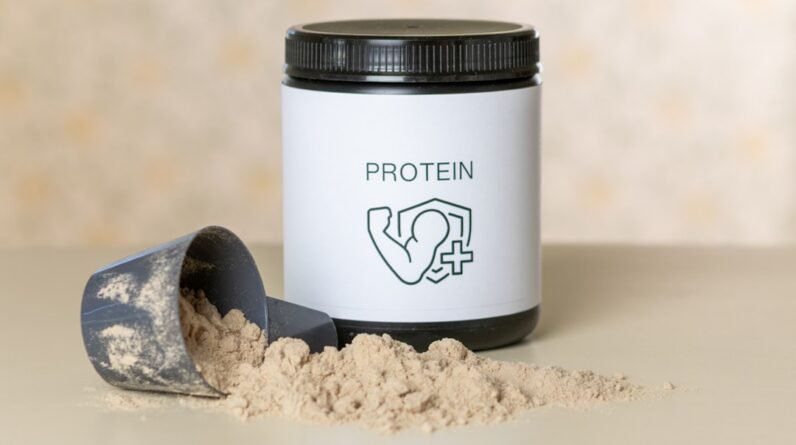
When it comes to building lean muscle, protein is often hailed as the cornerstone of your nutritional strategy. You may already know that protein plays a crucial role in muscle repair and growth, but understanding its importance can help you optimize your fitness journey. Every time you engage in resistance training or any form of exercise that challenges your muscles, tiny tears occur in the muscle fibers.
This is a natural part of the muscle-building process, and it’s where protein comes into play. By consuming adequate amounts of protein, you provide your body with the necessary building blocks—amino acids—to repair and rebuild those fibers stronger than before. Moreover, protein is not just about muscle repair; it also plays a significant role in muscle synthesis.
When you consume protein, your body breaks it down into amino acids, which are then used to create new proteins in your muscles. This process, known as muscle protein synthesis, is essential for gaining lean muscle mass. If you’re not consuming enough protein, your body may struggle to keep up with the demands of muscle repair and growth, leading to suboptimal results from your workouts.
Therefore, understanding how much protein you need and when to consume it can be pivotal in achieving your fitness goals.
Key Takeaways
- Protein is essential for building lean muscle and repairing muscle tissue after exercise.
- Whey protein is a fast-digesting protein that is ideal for post-workout muscle recovery and growth.
- Casein protein provides a slow-release of amino acids, making it perfect for overnight muscle repair and growth.
- Plant-based proteins like pea, hemp, and brown rice can be effective alternatives for building lean muscle.
- Egg protein is a complete protein source that contains all essential amino acids necessary for muscle development.
Whey Protein: The Ultimate Muscle-Building Supplement
Whey protein has gained immense popularity among fitness enthusiasts and athletes alike, and for good reason. As a fast-digesting protein derived from milk during the cheese-making process, whey protein is packed with essential amino acids that are crucial for muscle recovery and growth. When you consume whey protein, it quickly enters your bloodstream, providing your muscles with the nutrients they need right after a workout.
This rapid absorption makes it an ideal post-workout supplement, allowing you to kickstart the recovery process and maximize muscle gains. In addition to its quick absorption rate, whey protein is also rich in branched-chain amino acids (BCAAs), particularly leucine, which plays a vital role in stimulating muscle protein synthesis. This means that not only does whey help repair damaged muscles, but it also actively promotes the growth of new muscle tissue.
If you’re looking to enhance your workout results and support your lean muscle goals, incorporating whey protein into your diet can be a game-changer. Whether you choose to mix it into smoothies, shakes, or even baked goods, its versatility makes it easy to include in your daily routine.
Casein Protein: Slow-Release Fuel for Lean Muscle Growth
While whey protein is known for its rapid absorption, casein protein offers a different advantage: slow and steady release of amino acids into your bloodstream. Derived from milk, casein forms a gel-like substance in your stomach, which slows down digestion and provides a sustained release of nutrients over several hours. This makes casein an excellent option for those looking to support muscle growth during periods of fasting, such as overnight while you sleep.
By consuming casein before bed, you can ensure that your muscles receive a steady supply of amino acids throughout the night, promoting recovery and growth while you rest. Incorporating casein protein into your diet can also help curb hunger and support weight management. Because it digests slowly, it can keep you feeling full for longer periods, reducing the likelihood of unhealthy snacking between meals.
This can be particularly beneficial if you’re trying to maintain a lean physique while building muscle. Whether you opt for casein protein powder or choose whole food sources like cottage cheese or Greek yogurt, this slow-release protein can be an effective tool in your muscle-building arsenal.
Plant-Based Proteins: A Viable Option for Building Lean Muscle
If you follow a vegetarian or vegan lifestyle, you might wonder whether plant-based proteins can effectively support your muscle-building goals. The good news is that there are numerous plant-based protein sources that can provide the necessary amino acids for muscle growth. Options such as lentils, chickpeas, quinoa, and various nuts and seeds are not only rich in protein but also packed with essential nutrients that contribute to overall health.
By diversifying your protein sources, you can ensure that you’re getting a well-rounded intake of amino acids. One common concern with plant-based proteins is that they may lack one or more essential amino acids, making them incomplete proteins. However, by combining different sources—such as rice and beans or peanut butter on whole-grain bread—you can create a complete amino acid profile.
Additionally, many companies now offer plant-based protein powders that combine multiple sources to provide a complete protein option. These supplements can be an excellent way to ensure you’re meeting your protein needs while adhering to a plant-based diet.
Egg Protein: A Complete Protein Source for Lean Muscle Development
Eggs have long been regarded as one of the best sources of high-quality protein available. They contain all nine essential amino acids required for muscle growth and repair, making them a complete protein source. The bioavailability of egg protein is also impressive; your body can efficiently utilize the amino acids found in eggs for muscle synthesis.
Whether you prefer scrambled eggs for breakfast or hard-boiled eggs as a snack, incorporating eggs into your diet can significantly contribute to your lean muscle development. In addition to their protein content, eggs are rich in vitamins and minerals that support overall health and well-being. They contain nutrients like vitamin D, which plays a role in bone health and immune function, as well as choline, which is important for brain health.
By including eggs in your diet, you’re not only fueling your muscles but also providing your body with essential nutrients that support various bodily functions.
Beef Protein: A Natural Source of Muscle-Building Nutrients
Beef is another excellent source of high-quality protein that can aid in building lean muscle mass. Rich in essential amino acids and packed with nutrients like iron and zinc, beef provides the building blocks necessary for muscle repair and growth. The amino acid profile found in beef is particularly beneficial for those engaged in intense training regimens, as it supports recovery and enhances performance.
Moreover, beef contains creatine—a compound that has been shown to improve strength and increase lean muscle mass when combined with resistance training. If you’re looking to add variety to your protein sources while reaping the benefits of beef’s nutrient density, consider incorporating lean cuts into your meals. Whether grilled, roasted, or stir-fried, beef can be a delicious way to meet your protein needs while supporting your fitness goals.
Choosing the Best Protein for Your Lean Muscle Goals
With so many protein options available today, choosing the best one for your lean muscle goals can feel overwhelming. It’s essential to consider factors such as dietary preferences, lifestyle choices, and specific fitness objectives when making your decision. For instance, if you’re looking for quick post-workout recovery, whey protein might be your best bet due to its rapid absorption rate.
On the other hand, if you’re seeking sustained nourishment throughout the day or overnight recovery, casein could be more suitable. Additionally, if you follow a plant-based diet or have lactose intolerance issues, exploring plant-based proteins or egg proteins may be more aligned with your needs. It’s also worth considering how each type of protein fits into your overall dietary pattern—ensuring that you’re not only meeting your protein requirements but also consuming a balanced diet rich in vitamins and minerals from various food sources.
Tips for Maximizing Muscle Growth with the Right Protein Choices
To truly maximize muscle growth with the right protein choices, timing and quantity matter just as much as the type of protein you consume. Aim to distribute your protein intake evenly throughout the day rather than consuming large amounts at once. Research suggests that consuming around 20-30 grams of high-quality protein per meal can effectively stimulate muscle protein synthesis.
This means planning meals and snacks that include a source of protein at each sitting. Additionally, consider pairing your protein intake with carbohydrates post-workout to replenish glycogen stores and enhance recovery further. Carbohydrates help transport amino acids into the muscles more efficiently when consumed together with protein.
Lastly, don’t forget about hydration; staying well-hydrated supports overall performance and recovery processes. By understanding the importance of various types of proteins and how they contribute to building lean muscle mass, you can make informed choices that align with your fitness goals. Whether you prefer animal-based or plant-based options—or a combination of both—ensuring adequate protein intake will set you on the path toward achieving the lean physique you desire.
If you are looking to build lean muscle, it is important to consider natural muscle-building approaches. According to a recent article on musclesbuilder.tips, these methods can offer numerous benefits for those looking to improve their physique. Additionally, having a proper diet plan is crucial for muscle gain. A helpful resource for creating a lean muscle gain diet plan can be found in a PDF format on musclesbuilder.tips. By combining the right protein sources with a well-balanced diet, you can optimize your muscle-building efforts and achieve your fitness goals.
FAQs
What is the best protein for building lean muscle?
The best protein for building lean muscle is generally considered to be whey protein. Whey protein is a complete protein that is quickly absorbed by the body, making it ideal for post-workout recovery and muscle building.
How does protein help in building lean muscle?
Protein is essential for building lean muscle because it provides the necessary amino acids that are the building blocks of muscle tissue. Consuming adequate protein helps to repair and rebuild muscle fibers that are broken down during exercise, leading to muscle growth and development.
Are there other types of protein that are good for building lean muscle?
In addition to whey protein, other types of protein such as casein, soy, and pea protein can also be effective for building lean muscle. These proteins may be especially beneficial for individuals who are lactose intolerant or have dietary restrictions.
How much protein should I consume to build lean muscle?
The amount of protein needed to build lean muscle can vary depending on factors such as body weight, activity level, and fitness goals. As a general guideline, it is recommended to consume 0.7-1 gram of protein per pound of body weight per day for individuals looking to build lean muscle.
Can I get enough protein from food sources alone?
While it is possible to get enough protein from food sources alone, many individuals find it convenient to supplement their diet with protein powders such as whey protein to ensure they are meeting their protein needs for muscle building. It is important to consume a variety of protein-rich foods such as lean meats, dairy, eggs, and plant-based sources to support muscle growth.