When it comes to building muscle, protein is often hailed as the cornerstone of any effective diet. You may have heard that protein is essential for muscle repair and growth, and this is absolutely true. When you engage in resistance training or any form of exercise that challenges your muscles, tiny tears occur in the muscle fibers.
This is a natural part of the muscle-building process, and it’s during recovery that protein plays its most crucial role. By providing your body with adequate protein, you supply the necessary amino acids that help repair these tears, leading to stronger and larger muscles over time. Moreover, protein is not just about muscle repair; it also plays a significant role in muscle synthesis.
When you consume protein, your body breaks it down into amino acids, which are then used to build new proteins in your muscles. This process is known as muscle protein synthesis, and it is vital for anyone looking to increase their muscle mass. If you’re serious about your fitness goals, understanding the importance of protein will empower you to make informed dietary choices that support your muscle-building efforts.
Key Takeaways
- Protein is essential for muscle gain as it provides the building blocks for muscle growth and repair.
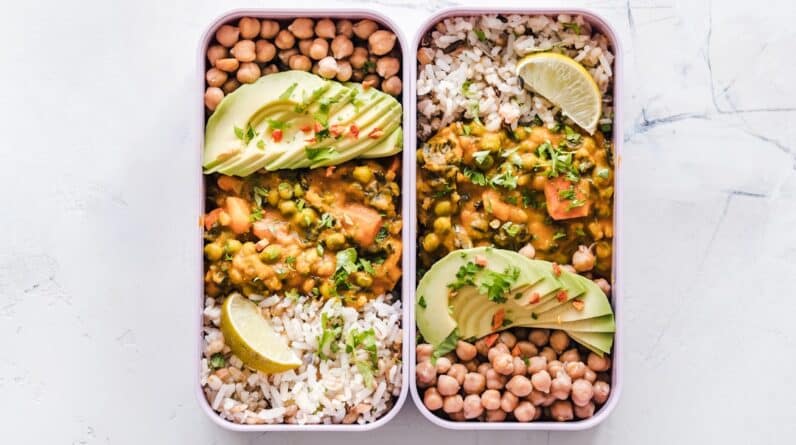
- Plan high protein meals by including a variety of lean protein sources such as chicken, fish, tofu, and legumes.
- Balancing macros is crucial for optimal muscle gain, aim for a balance of protein, carbohydrates, and healthy fats in each meal.
- Pre- and post-workout protein meals are important for fueling and repairing muscles, consider options like protein shakes or Greek yogurt with fruit.
- High protein snack ideas include nuts, hard-boiled eggs, and protein bars to keep you satisfied and support muscle growth throughout the day.
Planning Your High Protein Meals
To effectively incorporate protein into your diet, planning is key. You might find it helpful to start by determining your daily protein needs based on your weight, activity level, and fitness goals. A common recommendation for those looking to gain muscle is to consume approximately 1.6 to 2.2 grams of protein per kilogram of body weight.
Once you have a target in mind, you can begin to strategize how to meet that goal through your meals. Consider creating a weekly meal plan that includes a variety of high-protein foods. This not only helps you stay on track but also keeps your meals interesting and enjoyable.
You can include sources like chicken breast, fish, eggs, legumes, and dairy products. By diversifying your protein sources, you ensure that you’re not only meeting your protein needs but also getting a range of nutrients that support overall health. Additionally, preparing meals in advance can save you time during busy weekdays and help you resist the temptation of less nutritious options.
Incorporating Lean Protein Sources
When planning your high-protein meals, focusing on lean protein sources can be particularly beneficial. Lean proteins are those that provide a high amount of protein with relatively low levels of fat. This is important because while fats are essential for overall health, consuming too much can hinder your muscle gain goals if you’re not balancing them properly.
You might want to consider options like turkey breast, lean cuts of beef, fish such as salmon or tilapia, and plant-based sources like tofu or tempeh. Incorporating these lean proteins into your meals can be both delicious and satisfying. For instance, grilled chicken breast can be paired with a variety of vegetables and whole grains for a balanced meal.
Fish can be seasoned and baked for a quick dinner option that’s rich in omega-3 fatty acids, which are beneficial for heart health and may even aid in muscle recovery. By making lean proteins the centerpiece of your meals, you’ll not only support your muscle-building efforts but also promote overall well-being.
Balancing Macros for Optimal Muscle Gain
While protein is crucial for muscle gain, it’s important to remember that a balanced diet includes carbohydrates and fats as well. Carbohydrates serve as the primary energy source for your workouts, fueling your muscles during intense training sessions. Without adequate carbs, you may find yourself feeling fatigued and unable to perform at your best.
Therefore, balancing your macronutrients—proteins, carbohydrates, and fats—is essential for optimal muscle gain. You might consider a macronutrient ratio that supports your goals. A common approach for those looking to build muscle is to aim for a distribution of approximately 40% carbohydrates, 30% protein, and 30% fats.
This can vary based on individual preferences and responses to different diets, so it’s worth experimenting to find what works best for you. By ensuring that you’re consuming enough carbohydrates alongside your protein intake, you’ll provide your body with the energy it needs to power through workouts while still promoting muscle growth.
Pre- and Post-Workout Protein Meals
Timing your protein intake around your workouts can significantly impact your muscle-building results. Consuming protein before and after exercise helps maximize muscle recovery and growth. A pre-workout meal rich in protein can provide your muscles with the necessary amino acids they need during exercise, while a post-workout meal helps kickstart the recovery process.
For a pre-workout meal, consider options like Greek yogurt with fruit or a smoothie made with protein powder and spinach. These meals are not only high in protein but also provide carbohydrates to fuel your workout. After exercising, aim to consume a meal or snack within 30 minutes to two hours that includes both protein and carbohydrates.
A classic post-workout option could be a protein shake paired with a banana or a chicken wrap with whole grain tortillas. This combination will help replenish glycogen stores while providing the amino acids needed for muscle repair.
High Protein Snack Ideas
Snacking can be an excellent way to increase your overall protein intake throughout the day without feeling overly full from large meals. You might want to keep high-protein snacks on hand to help meet your daily goals while also curbing hunger between meals. Some great options include cottage cheese topped with fruit, hard-boiled eggs, or a handful of nuts mixed with seeds.
Another idea is to prepare homemade protein bars or energy bites using ingredients like oats, nut butter, and protein powder. These snacks are not only convenient but also customizable to suit your taste preferences. By incorporating high-protein snacks into your daily routine, you’ll find it easier to reach your protein targets while enjoying delicious treats that support your fitness journey.
Meal Prep Tips for a High Protein Diet
Meal prepping can be a game-changer when it comes to maintaining a high-protein diet. By dedicating some time each week to prepare meals in advance, you can ensure that you always have nutritious options readily available. Start by selecting recipes that are rich in protein and easy to prepare in bulk.
Dishes like stir-fries with chicken and vegetables or quinoa salads with beans can be made in large quantities and stored for the week ahead. When meal prepping, consider investing in quality containers that allow you to portion out meals easily. Labeling each container with the date can help you keep track of freshness as well.
Additionally, don’t hesitate to get creative with flavors and ingredients; this will keep your meals exciting and prevent boredom from setting in. With proper planning and preparation, sticking to a high-protein diet becomes much more manageable.
Tracking Your Progress and Adjusting Your Meal Plan
As you embark on your journey toward muscle gain through a high-protein diet, tracking your progress is essential for staying motivated and making necessary adjustments along the way. You might find it helpful to keep a food diary or use an app to log your daily intake of macronutrients. This will give you insight into whether you’re meeting your protein goals and how well-balanced your overall diet is.
Regularly assessing your progress—whether through measurements, photos, or strength gains—can help you determine if your current meal plan is effective or if adjustments are needed. If you’re not seeing the results you desire after several weeks, consider tweaking your macronutrient ratios or increasing your overall caloric intake slightly. Remember that building muscle takes time and consistency; being patient while making informed adjustments will ultimately lead you closer to achieving your fitness goals.
In conclusion, understanding the role of protein in muscle gain is just the beginning of an exciting journey toward improved strength and physique. By planning high-protein meals, incorporating lean sources of protein, balancing macronutrients, timing your intake around workouts, snacking wisely, meal prepping effectively, and tracking progress diligently, you’ll set yourself up for success in reaching your muscle-building aspirations. Embrace this journey with enthusiasm and commitment; the results will be well worth the effort!
If you are looking to build muscle but are short on time, you may want to check out this article on muscle building for busy individuals. It offers tips and strategies for incorporating muscle-building exercises into a hectic schedule. Additionally, if you are interested in building muscle while also losing fat, you may find this article on tips/training-volume-and-frequency/’>training volume and frequency. It delves into the importance of balancing these factors for optimal results.
FAQs
What is a high protein meal plan?
A high protein meal plan is a diet that focuses on consuming a higher amount of protein to support muscle growth and repair. It typically includes foods such as lean meats, poultry, fish, eggs, dairy products, legumes, and protein-rich plant foods.
How does a high protein meal plan support muscle gain?
Protein is essential for muscle growth and repair. Consuming a high amount of protein can help support muscle protein synthesis, which is the process of building and repairing muscle tissue. This can lead to increased muscle mass and strength when combined with regular resistance training.
What are some examples of high protein foods for a meal plan?
Examples of high protein foods include chicken breast, turkey, lean beef, fish, eggs, Greek yogurt, cottage cheese, tofu, lentils, chickpeas, and quinoa. Protein supplements such as whey protein powder can also be included in a high protein meal plan.
How much protein should be consumed in a high protein meal plan?
The amount of protein needed for muscle gain can vary depending on factors such as body weight, activity level, and fitness goals. However, a general guideline is to consume around 1.2 to 2.2 grams of protein per kilogram of body weight per day for individuals looking to build muscle.
What are the potential benefits of following a high protein meal plan?
Following a high protein meal plan can support muscle growth and repair, improve satiety and appetite control, aid in weight management, and help maintain overall health. Additionally, it can provide the necessary nutrients for optimal physical performance and recovery.