Establishing a home gym can be one of the most rewarding decisions you make for your health and fitness journey. One of the primary benefits is the convenience it offers. Imagine waking up in the morning, slipping into your workout gear, and stepping into your personal fitness space without the need to commute to a crowded gym.
This accessibility allows you to fit workouts into your schedule more easily, whether you prefer early morning sessions or late-night workouts. You can exercise whenever it suits you, eliminating the barriers that often prevent people from sticking to their fitness routines. Moreover, having a home gym can lead to significant cost savings over time.
While the initial investment in equipment may seem daunting, consider the long-term expenses associated with gym memberships, travel costs, and even the time spent commuting. Once you have your equipment set up, you can work out as often as you like without incurring additional fees. This financial freedom can motivate you to stay committed to your fitness goals, knowing that you are investing in your health rather than paying for a service that may not always meet your needs.
Key Takeaways
- Having a home gym saves time and money on commuting to a commercial gym
- Essential equipment for muscle gain includes dumbbells, barbells, and a bench
- Setting up your home gym requires a dedicated space with proper ventilation and lighting
- Creating a workout plan should include a balance of strength training and cardio exercises
- To maximize muscle gain, focus on proper nutrition, adequate rest, and progressive overload training
Essential Equipment for Muscle Gain
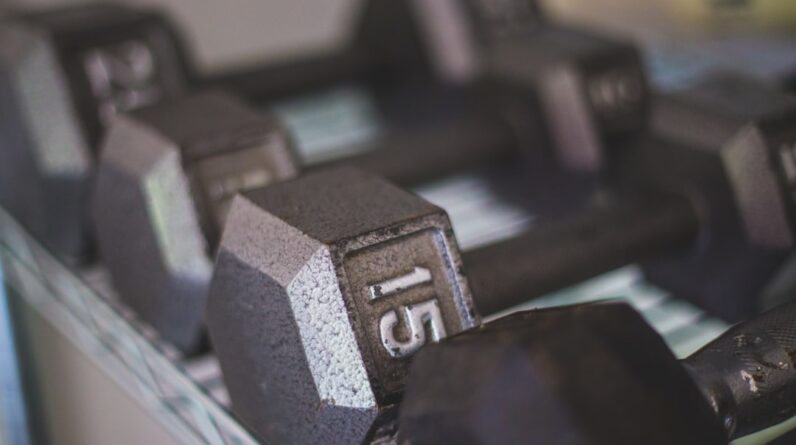
When it comes to building muscle at home, having the right equipment is crucial. You don’t need a vast array of machines; instead, focus on versatile tools that can help you target various muscle groups effectively. Free weights, such as dumbbells and kettlebells, are essential for strength training.
They allow for a range of exercises that can be adjusted to suit your fitness level. With just a few sets of dumbbells, you can perform countless exercises that engage multiple muscle groups, promoting overall strength and muscle gain. In addition to free weights, resistance bands are another excellent addition to your home gym.
They are incredibly versatile and can be used for both strength training and rehabilitation exercises. Resistance bands come in various levels of resistance, making them suitable for beginners and advanced users alike. Incorporating bands into your routine can enhance your workouts by providing constant tension on the muscles, which is essential for muscle growth.
Furthermore, they are lightweight and easy to store, making them a practical choice for any home gym setup.
Setting Up Your Home Gym
Creating an effective home gym requires careful planning and consideration of space. Start by identifying a suitable area in your home where you can dedicate time to your workouts. This could be a spare room, a corner of your living room, or even your garage.
Ensure that the space is well-ventilated and has enough room for movement. You want to create an environment that feels inviting and motivating, so consider adding personal touches like motivational posters or plants to enhance the atmosphere. Once you have designated your workout space, it’s time to organize your equipment efficiently.
Invest in storage solutions such as shelves or racks to keep your weights and accessories neatly arranged. This not only helps maintain a tidy environment but also makes it easier for you to access what you need during workouts. Additionally, consider incorporating a mirror into your setup; this allows you to monitor your form and technique while exercising, which is crucial for preventing injuries and maximizing effectiveness.
Creating a Workout Plan
A well-structured workout plan is essential for achieving muscle gain and overall fitness goals. Start by assessing your current fitness level and determining what specific goals you want to achieve—whether it’s building strength, increasing endurance, or enhancing flexibility. Once you have clear objectives in mind, outline a balanced routine that incorporates various types of exercises, including strength training, cardiovascular workouts, and flexibility training.
To ensure progress, aim to follow a progressive overload principle in your workout plan. This means gradually increasing the weight or resistance you use over time as your strength improves. Additionally, consider scheduling rest days into your plan; recovery is just as important as the workouts themselves when it comes to muscle growth.
By allowing your muscles time to repair and rebuild, you’ll set yourself up for long-term success in your fitness journey.
Tips for Maximizing Muscle Gain
To truly maximize muscle gain in your home gym, focus on several key strategies that can enhance your workouts. First and foremost, prioritize compound exercises in your routine. These movements engage multiple muscle groups simultaneously and are highly effective for building strength and mass.
Exercises like squats, deadlifts, bench presses, and pull-ups should be staples in your regimen. Not only do they promote muscle growth, but they also improve functional strength that translates into everyday activities. Another important aspect is nutrition; what you eat plays a significant role in muscle development.
Ensure that you’re consuming enough protein to support muscle repair and growth after workouts. Incorporate lean meats, dairy products, legumes, and protein supplements into your diet as needed. Additionally, stay hydrated before, during, and after workouts to optimize performance and recovery.
Remember that consistency is key; stick to your workout plan and nutrition guidelines diligently to see the best results over time.
Maintaining Your Home Gym Equipment
Once you’ve invested in home gym equipment, it’s essential to maintain it properly to ensure longevity and optimal performance. Regular cleaning is crucial; sweat and dust can accumulate on equipment over time, leading to wear and tear. Wipe down surfaces after each use with appropriate cleaning solutions to keep everything in good condition.
For machines or weights with moving parts, check for any signs of rust or damage periodically and lubricate them as needed. Additionally, consider creating a maintenance schedule for more extensive equipment like cardio machines or weight benches. This could involve checking cables on machines for fraying or ensuring that weights are securely fastened.
By taking proactive steps to care for your equipment, you’ll not only extend its lifespan but also create a safer workout environment for yourself.
Budget-Friendly Options for Home Gym Equipment
Building a home gym doesn’t have to break the bank; there are plenty of budget-friendly options available that can still provide an effective workout experience. Start by considering second-hand equipment; many people sell their gently used gear at significantly reduced prices through online marketplaces or local classifieds. You might find high-quality dumbbells, benches, or even cardio machines at a fraction of their original cost.
Another cost-effective approach is to focus on bodyweight exercises initially. You can achieve significant muscle gain using just your body weight through exercises like push-ups, squats, lunges, and planks. As you progress and feel ready to invest more into your home gym, consider adding versatile items like resistance bands or adjustable dumbbells that offer multiple weight options without taking up much space.
Finding the Best Deals on Home Gym Equipment
When you’re ready to purchase equipment for your home gym, finding the best deals can save you money while still allowing you to invest in quality items. Start by researching online retailers that specialize in fitness equipment; many offer seasonal sales or discounts on popular items. Signing up for newsletters from these retailers can also keep you informed about upcoming promotions or exclusive offers.
Don’t overlook local sporting goods stores or warehouse clubs; they often have clearance sections where you can find great deals on equipment that may be slightly older but still functional. Additionally, consider joining fitness forums or social media groups where members often share tips on where to find discounts or even sell their own equipment at lower prices. By being resourceful and patient in your search, you can build an impressive home gym without overspending.
In conclusion, establishing a home gym offers numerous benefits that can enhance both your physical health and overall well-being. By carefully selecting essential equipment, creating a structured workout plan, and maintaining your space effectively, you can maximize muscle gain while enjoying the convenience of working out at home. With budget-friendly options available and strategies for finding great deals on equipment, there’s no better time than now to embark on this rewarding fitness journey.
If you are looking to buy home gym equipment for muscle gain, you may also be interested in learning about the role of genetics in muscle building. This article discusses how genetics can play a significant role in determining an individual’s muscle-building potential. Understanding this aspect can help tailor your workout routine and equipment choices to maximize your gains. Check out the article here for more information.
FAQs
What are the benefits of buying home gym equipment for muscle gain?
Buying home gym equipment for muscle gain allows you to work out at your convenience, saves time and money on gym memberships, and provides privacy and comfort while exercising.
What types of home gym equipment are best for muscle gain?
Some of the best home gym equipment for muscle gain includes adjustable dumbbells, resistance bands, a pull-up bar, a weight bench, and a power rack for squats and bench presses.
How can I choose the right home gym equipment for muscle gain?
When choosing home gym equipment for muscle gain, consider your fitness goals, available space, budget, and the types of exercises you enjoy. It’s also important to invest in high-quality, durable equipment.
What are some tips for setting up a home gym for muscle gain?
When setting up a home gym for muscle gain, make sure to designate a dedicated space for your workouts, invest in proper flooring and ventilation, and organize your equipment for easy access and safety.
Are there any safety considerations when using home gym equipment for muscle gain?
It’s important to use proper form and technique when using home gym equipment to prevent injuries. Additionally, always warm up before exercising, use spotters for heavy lifts, and regularly inspect and maintain your equipment for safety.