When you think about building muscle mass, the convenience of home gym machines can’t be overstated. One of the primary benefits is the accessibility they provide. You can work out whenever it suits you, eliminating the need to travel to a gym.
This flexibility allows you to fit workouts into your schedule, whether it’s early in the morning or late at night. You can also avoid the distractions and crowds often found in commercial gyms, allowing you to focus entirely on your training. This uninterrupted environment can lead to more productive sessions, ultimately contributing to better muscle gains.
Moreover, home gym machines often come equipped with various features that can enhance your workout experience. Many machines allow for adjustable resistance levels, enabling you to progressively overload your muscles—a key principle in muscle growth. With the right equipment, you can target specific muscle groups effectively, ensuring a balanced development across your body.
Additionally, having your own machines means you can create a personalized workout routine that aligns with your fitness goals, whether that’s bulking up or toning down. The comfort of working out at home can also lead to increased motivation and consistency, both of which are crucial for achieving significant muscle mass.
Key Takeaways
- Home gym machines provide convenience and flexibility for building muscle mass at home
- Types of home gym machines for muscle mass include weight benches, power racks, and cable machines
- Consider your fitness goals and available space when choosing the right home gym machine
- Proper setup of your home gym includes ensuring adequate space, ventilation, and safety measures
- Effective workouts with home gym machines for muscle mass should include a mix of strength training and cardio exercises
Types of Home Gym Machines for Muscle Mass
When it comes to home gym machines designed for building muscle mass, there are several types to consider. Resistance machines are among the most popular options. These machines use weights or resistance bands to provide a controlled environment for strength training.
They often come with adjustable settings that allow you to modify the resistance according to your fitness level. Common examples include leg presses, chest presses, and lat pulldown machines. Each of these targets specific muscle groups, making them effective tools for muscle development.
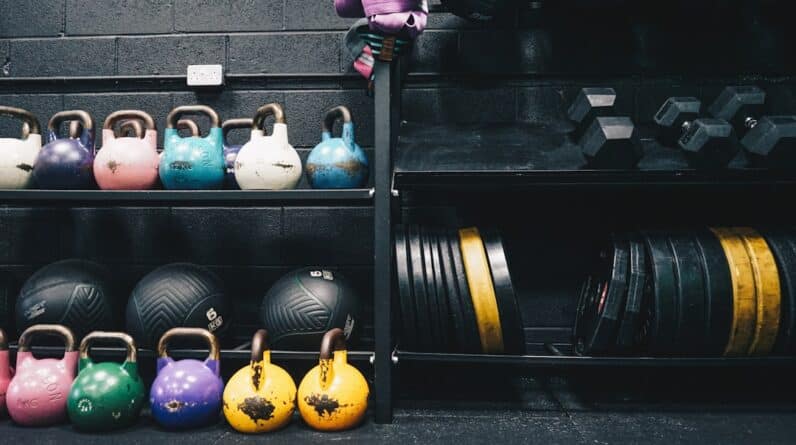
Another category worth exploring is free weights, which include dumbbells and kettlebells. While technically not machines, they are essential for any home gym focused on muscle mass. Free weights offer versatility and can be used in various exercises that engage multiple muscle groups simultaneously.
This compound movement approach is particularly effective for building strength and mass. Additionally, cable machines are another excellent option; they provide a unique range of motion that can help isolate muscles more effectively than traditional weights. By incorporating a mix of these types of equipment into your home gym, you can create a comprehensive workout regimen that promotes muscle growth.
Choosing the Right Home Gym Machine for Your Goals
Selecting the right home gym machine is crucial for achieving your specific fitness goals. Start by assessing what you want to accomplish—are you looking to bulk up, tone your body, or improve overall strength? If your primary goal is to increase muscle mass, consider machines that allow for heavy lifting and progressive overload.
Look for equipment that targets major muscle groups such as the chest, back, legs, and arms. Machines like the squat rack or bench press are excellent choices for those focused on building mass. Additionally, think about the space you have available in your home gym.
Some machines require more room than others, so it’s essential to choose equipment that fits comfortably within your designated workout area. If space is limited, consider multifunctional machines that combine several exercises into one unit. These can save space while still providing a comprehensive workout experience.
Finally, don’t forget to factor in your budget; while investing in quality equipment is important, there are plenty of options available at various price points that can still help you achieve your muscle-building goals.
Setting Up Your Home Gym for Muscle Mass
Creating an effective home gym setup requires careful planning and consideration of various factors. First and foremost, choose a dedicated space where you can consistently work out without interruptions. This could be a spare room, garage, or even a corner of your living room.
Ensure that the area is well-ventilated and has adequate lighting to create an inviting atmosphere that motivates you to train regularly. Once you have selected the space, it’s time to arrange your equipment strategically. Position larger machines against walls to maximize floor space and keep smaller items like dumbbells or resistance bands within easy reach.
Consider adding mirrors to your setup; they not only help with form checks but also create a more spacious feel in the room. Additionally, ensure that you have proper flooring—rubber mats or foam tiles can protect your floors while providing cushioning during workouts. By thoughtfully setting up your home gym, you create an environment conducive to building muscle mass effectively.
Effective Workouts with Home Gym Machines for Muscle Mass
To maximize muscle growth using home gym machines, it’s essential to incorporate effective workout routines into your regimen. Start with compound exercises that engage multiple muscle groups simultaneously; these movements are particularly beneficial for building mass. For instance, exercises like squats and deadlifts target the legs and core while also engaging the back and arms.
Incorporating these into your routine will help stimulate overall muscle growth. In addition to compound movements, don’t overlook isolation exercises that focus on specific muscles. Machines like the leg extension or bicep curl can help target particular areas for more defined results.
Aim for a balanced workout plan that includes both types of exercises—this will ensure that all major muscle groups are adequately trained. Furthermore, consider varying your rep ranges; lower reps with heavier weights can promote strength gains while higher reps with lighter weights can enhance endurance and hypertrophy. By mixing up your workouts and focusing on both compound and isolation exercises, you’ll be well on your way to achieving significant muscle mass.
Maintaining and Caring for Home Gym Machines
Proper maintenance of your home gym machines is vital for ensuring their longevity and optimal performance. Regular cleaning is essential; sweat and dust can accumulate on equipment over time, leading to wear and tear if not addressed. Wipe down surfaces after each use with a gentle cleaner or disinfectant to keep them in good condition.
Additionally, check for any loose bolts or parts periodically; tightening them can prevent potential accidents during workouts. Lubrication is another critical aspect of machine maintenance. Many machines have moving parts that require regular oiling to function smoothly.
Refer to the manufacturer’s guidelines for specific maintenance schedules and recommended products. By taking these simple steps to care for your equipment, you’ll not only extend its lifespan but also ensure a safe and effective workout experience.
Common Mistakes to Avoid with Home Gym Machines for Muscle Mass
While home gym machines offer numerous benefits for building muscle mass, there are common pitfalls that many individuals fall into. One frequent mistake is neglecting proper form during exercises. It’s easy to get caught up in lifting heavier weights without paying attention to technique, which can lead to injuries and hinder progress.
Always prioritize form over weight; if you’re unsure about your technique, consider consulting instructional videos or seeking advice from experienced lifters. Another common error is failing to incorporate variety into your workouts. Sticking to the same routine day in and day out can lead to plateaus in progress as your muscles adapt to the stress placed upon them.
To avoid this stagnation, regularly change up your exercises, rep ranges, and even rest periods. This not only keeps workouts interesting but also challenges your muscles in new ways, promoting continued growth.
Maximizing Results with Home Gym Machines for Muscle Mass
To truly maximize results with home gym machines for muscle mass, consistency is key. Establish a regular workout schedule that allows you to train each muscle group adequately throughout the week while also allowing time for recovery. Aim for at least three to four strength training sessions per week, ensuring that you’re progressively increasing weights or resistance as you become stronger.
In addition to consistency in training, pay attention to your nutrition as well. Consuming adequate protein is essential for muscle repair and growth; aim for a balanced diet rich in lean proteins, healthy fats, and complex carbohydrates. Staying hydrated is equally important; water plays a crucial role in overall performance and recovery.
By combining consistent workouts with proper nutrition and hydration strategies, you’ll set yourself up for success in achieving significant muscle mass through your home gym machines. In conclusion, investing in home gym machines tailored for muscle mass offers numerous advantages—from convenience and accessibility to targeted workouts and personalized routines. By understanding the types of equipment available, choosing wisely based on your goals, setting up an effective space, and maintaining consistency in both training and nutrition, you can achieve impressive results right from the comfort of your home.
If you are looking to build muscle mass at home, you may also be interested in reading about inspiring success stories of women in muscle building. These stories can provide motivation and guidance for your own fitness journey. Check out this article here to learn more about how women have achieved their muscle-building goals. Additionally, if you are over 60 and looking to gain muscle, there are specific strategies and exercises that can help you reach your goals. Read more about muscle gain after 60 here. And for those looking to enhance their muscle-building results, consider incorporating muscle-building supplements into your routine. Learn about the best supplements for faster results here.
FAQs
What are home gym machines for muscle mass?
Home gym machines for muscle mass are fitness equipment designed to help individuals build and strengthen their muscles at home. These machines typically target specific muscle groups and provide resistance to help users perform various strength training exercises.
What are the benefits of using home gym machines for muscle mass?
Using home gym machines for muscle mass can help individuals save time and money by eliminating the need for a gym membership. These machines also provide convenience and privacy for those who prefer to work out at home. Additionally, they allow users to perform a wide range of exercises to target different muscle groups.
What types of exercises can be performed with home gym machines for muscle mass?
Home gym machines for muscle mass can be used to perform exercises such as chest presses, lat pulldowns, leg extensions, bicep curls, tricep extensions, and more. These machines often come with adjustable settings to accommodate different fitness levels and exercise variations.
What should I consider when purchasing home gym machines for muscle mass?
When purchasing home gym machines for muscle mass, it’s important to consider the available space in your home, your fitness goals, and the specific muscle groups you want to target. Additionally, you should consider the quality, durability, and versatility of the machine to ensure it meets your needs.
Are home gym machines for muscle mass suitable for beginners?
Yes, home gym machines for muscle mass can be suitable for beginners, as many of them come with adjustable settings and provide guided exercises. However, it’s important for beginners to start with lighter weights and seek guidance from a fitness professional to ensure proper form and technique.