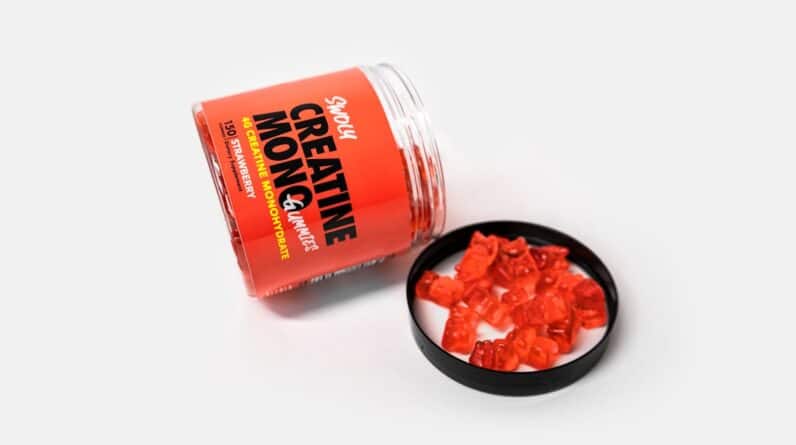
Creatine is a naturally occurring compound found in small amounts in certain foods and synthesized by the body, primarily in the liver, kidneys, and pancreas. It is composed of three amino acids: arginine, glycine, and methionine. You may have encountered creatine in various forms, such as creatine monohydrate, which is the most researched and widely used supplement among athletes and fitness enthusiasts.
This compound plays a crucial role in energy production, particularly during high-intensity exercise, making it a popular choice for those looking to enhance their physical performance. In addition to its natural presence in the body, creatine can be obtained from dietary sources, primarily red meat and fish. However, the amounts found in food are relatively small compared to what you might consume through supplementation.
As you delve deeper into the world of fitness and muscle growth, understanding creatine’s role can be pivotal. It not only supports energy production but also contributes to muscle recovery and growth, making it a staple in many workout regimens.
Key Takeaways
- Creatine is a naturally occurring compound in the body that plays a key role in energy production during high-intensity exercise.
- Creatine works for muscle growth by increasing the body’s ability to produce energy, leading to improved strength, power, and muscle mass.
- The benefits of creatine for muscle growth include enhanced muscle recovery, increased muscle mass, and improved exercise performance.
- To use creatine for muscle growth, it is recommended to take a loading phase of 20 grams per day for 5-7 days, followed by a maintenance phase of 3-5 grams per day.
- Potential side effects and risks of creatine use may include dehydration, muscle cramps, and gastrointestinal issues, but overall it is considered safe when used as directed.
How Does Creatine Work for Muscle Growth?
Creatine works primarily by increasing the availability of adenosine triphosphate (ATP), the energy currency of your cells. During high-intensity activities, your body relies on ATP for quick bursts of energy. When you supplement with creatine, you increase your muscle stores of phosphocreatine, which helps regenerate ATP more rapidly during intense exercise.
This means that you can perform more repetitions or sustain higher levels of effort for longer periods, ultimately leading to greater muscle stimulation and growth. Moreover, creatine has been shown to enhance cell signaling pathways that promote muscle protein synthesis. When you engage in resistance training, your muscles experience micro-tears that need to be repaired.
Creatine not only aids in the recovery process but also helps to increase the overall volume of training you can handle. This increased workload can lead to greater hypertrophy over time, as your muscles adapt to the stress placed upon them. By understanding how creatine functions at a cellular level, you can appreciate its significance in your muscle-building journey.
Benefits of Creatine for Muscle Growth
The benefits of creatine extend beyond mere energy production; they encompass a range of physiological effects that contribute to muscle growth. One of the most notable advantages is its ability to enhance strength and power output. When you incorporate creatine into your regimen, you may find that you can lift heavier weights or perform more repetitions than before.
This increase in strength not only boosts your confidence but also accelerates muscle growth through progressive overload. Additionally, creatine has been linked to improved recovery times. After an intense workout, your muscles need time to repair and grow stronger.
Creatine supplementation can reduce muscle soreness and inflammation, allowing you to return to your training routine more quickly. This means less downtime between workouts and more opportunities to stimulate muscle growth. Furthermore, creatine has been shown to increase water retention within muscle cells, leading to a fuller appearance and potentially enhancing muscle growth through cellular hydration.
How to Use Creatine for Muscle Growth
To maximize the benefits of creatine for muscle growth, it’s essential to understand how to use it effectively. The most common approach is to start with a loading phase, where you consume a higher dose of creatine for a short period—typically around 20 grams per day divided into four doses for five to seven days. This loading phase saturates your muscles with creatine quickly, allowing you to experience its benefits sooner.
After the loading phase, you can transition into a maintenance phase, where you take a lower dose of around 3 to 5 grams per day. This daily intake helps maintain elevated creatine levels in your muscles over time. It’s important to note that consistency is key; taking creatine at the same time each day can help establish a routine and ensure that your muscles remain saturated.
You may also consider mixing creatine with a carbohydrate source post-workout, as insulin spikes can enhance creatine uptake into muscle cells.
Potential Side Effects and Risks of Creatine Use
While creatine is generally considered safe for most individuals when used as directed, it’s essential to be aware of potential side effects and risks associated with its use. Some people may experience gastrointestinal discomfort, such as bloating or cramping, particularly during the loading phase when higher doses are consumed. To mitigate these effects, you might consider spreading out your doses throughout the day or opting for a lower dose from the start.
Another concern often raised about creatine is its impact on kidney function. While research has shown that creatine is safe for healthy individuals, those with pre-existing kidney conditions should consult a healthcare professional before starting supplementation. Staying well-hydrated while using creatine is also crucial, as it draws water into your muscles and may increase your overall fluid needs.
By being mindful of these factors, you can enjoy the benefits of creatine while minimizing any potential risks.
Creatine and Exercise Performance
Creatine’s impact on exercise performance is one of its most compelling attributes. Numerous studies have demonstrated that creatine supplementation can lead to significant improvements in strength, power output, and overall athletic performance. Whether you’re engaged in weightlifting, sprinting, or high-intensity interval training (HIIT), creatine can provide that extra edge needed to push through barriers and achieve new personal bests.
In addition to enhancing performance during short bursts of intense activity, creatine may also improve endurance in some individuals by allowing for quicker recovery between sets or sprints. This means that not only can you lift heavier weights or run faster but you may also be able to maintain a higher level of intensity throughout your workout sessions. As you incorporate creatine into your training routine, you’ll likely notice an increase in your overall performance capacity, which can translate into better results over time.
Creatine Dosage and Timing for Muscle Growth
Determining the right dosage and timing for creatine supplementation is crucial for optimizing its effects on muscle growth. As mentioned earlier, starting with a loading phase can help saturate your muscles quickly; however, if you prefer a more gradual approach, you can skip this phase altogether and simply take 3 to 5 grams daily from the outset. The key is consistency—making sure you take it every day will help maintain elevated levels in your muscles.
Timing can also play a role in maximizing the benefits of creatine. Many individuals find it beneficial to take creatine post-workout when your muscles are primed for nutrient uptake. Combining it with carbohydrates or protein can further enhance its absorption due to the insulin response triggered by these macronutrients.
However, some people prefer taking it at other times of the day; ultimately, what matters most is finding a routine that fits seamlessly into your lifestyle.
Is Creatine Effective for Muscle Growth?
In conclusion, creatine has proven itself as an effective supplement for promoting muscle growth and enhancing exercise performance. Its ability to increase ATP availability during high-intensity activities allows you to push harder in your workouts, leading to greater strength gains and muscle hypertrophy over time. The benefits extend beyond just energy production; improved recovery times and enhanced hydration within muscle cells contribute significantly to overall muscle development.
While it’s essential to be aware of potential side effects and risks associated with creatine use, most individuals can safely incorporate it into their fitness routines without adverse effects. By understanding how to use creatine effectively—through proper dosing and timing—you can harness its full potential for muscle growth. If you’re looking to take your training to the next level and achieve your fitness goals more efficiently, consider adding creatine supplementation to your regimen; it may just be the boost you need on your journey toward building a stronger physique.
If you are looking to build muscle, it is important to consider your calorie intake. A related article on building muscle with calories can be found here. This article discusses the importance of consuming enough calories to support muscle growth and provides tips on how to calculate your calorie needs. Additionally, for those over the age of 70 who are looking to build muscle, there is an article on the topic here. It is never too late to start strength training and see improvements in muscle mass. Another important aspect of building muscle is burning fat through workouts, which is discussed in an article found here. Incorporating both strength training and cardio into your routine can help you achieve your muscle-building goals while also reducing body fat.
FAQs
What is creatine?
Creatine is a naturally occurring compound that is found in small amounts in certain foods and is also produced by the body. It plays a key role in the production of energy during high-intensity, short-duration activities such as weightlifting and sprinting.
How does creatine work for muscle growth?
Creatine helps to increase the body’s ability to produce energy rapidly, which can lead to improved performance and muscle growth during high-intensity, short-duration activities. It also draws more water into the muscle cells, which can increase muscle volume and size.
Is creatine safe to use?
Creatine is considered safe for most people when used at recommended doses. However, some individuals may experience side effects such as stomach discomfort, muscle cramping, or dehydration. It is important to stay well-hydrated while using creatine.
Who can benefit from using creatine for muscle growth?
Creatine supplementation may benefit individuals who are engaged in high-intensity, short-duration activities such as weightlifting, sprinting, or high-intensity interval training. It may also be beneficial for older adults looking to maintain muscle mass and strength.
How should creatine be taken for muscle growth?
The typical dosage for creatine supplementation is 3-5 grams per day, taken consistently over time. Some individuals may choose to do a “loading phase” of 20 grams per day for 5-7 days to quickly saturate the muscles with creatine, followed by a maintenance phase of 3-5 grams per day.
Are there any potential risks or drawbacks to using creatine for muscle growth?
While creatine is generally considered safe, some individuals may experience side effects such as stomach discomfort, muscle cramping, or dehydration. It is important to use creatine as directed and to stay well-hydrated while using it. Additionally, individuals with pre-existing kidney or liver conditions should consult a healthcare professional before using creatine.