When you think about fitness, it’s easy to focus on the upper body—those biceps, triceps, and chest muscles often steal the spotlight. However, the importance of leg muscles cannot be overstated. Your legs are the foundation of your body, providing stability, strength, and mobility.
They play a crucial role in almost every physical activity you engage in, from walking and running to jumping and climbing stairs. Strong leg muscles not only enhance your athletic performance but also contribute to your overall health and well-being. Moreover, having well-developed leg muscles can significantly improve your posture and balance.
When your legs are strong, they support your spine and pelvis, reducing the risk of injuries and chronic pain. This is particularly important as you age; maintaining leg strength can help prevent falls and enhance your ability to perform daily activities. Additionally, strong leg muscles can boost your metabolism, as they are among the largest muscle groups in your body.
This means that by focusing on leg workouts, you can increase your calorie burn even at rest, making it an essential component of any fitness regimen.
Key Takeaways
- Strong leg muscles are essential for overall strength and stability in the body.
- Squats are a compound exercise that targets multiple muscles in the legs, including the quads, hamstrings, and glutes.
- Lunges are a unilateral exercise that helps improve balance and coordination while targeting the quads, hamstrings, and glutes.
- Deadlifts are a powerful exercise that targets the hamstrings, glutes, and lower back, promoting overall strength and stability.
- Leg press is a great exercise for targeting the quads, hamstrings, and glutes while providing support for the lower back.
Squats
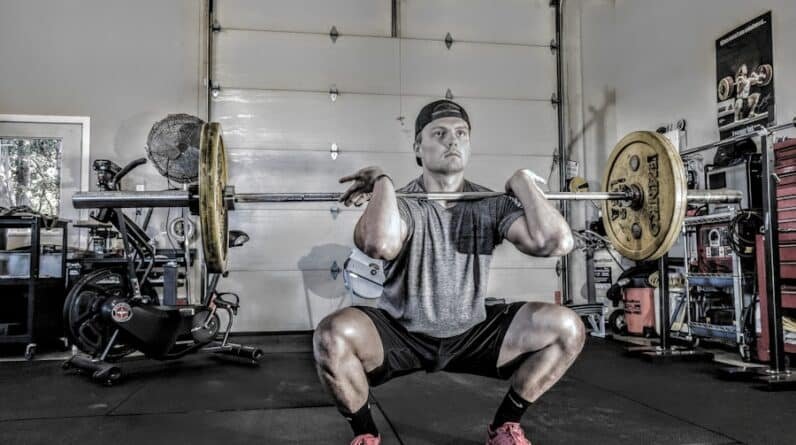
Squats are often hailed as one of the most effective exercises for building leg strength, and for good reason. This compound movement engages multiple muscle groups, including the quadriceps, hamstrings, glutes, and even your core. When you perform squats correctly, you not only strengthen your legs but also improve your overall functional fitness.
This means that everyday activities like sitting down or picking up objects become easier and safer. To get the most out of your squats, it’s essential to focus on proper form. Start by standing with your feet shoulder-width apart and your toes slightly pointed outward.
As you lower your body into a squat, keep your chest up and your back straight. Aim to lower yourself until your thighs are parallel to the ground, or as low as you can comfortably go without compromising your form. Incorporating variations such as goblet squats or sumo squats can also add diversity to your routine and target different muscle groups.
Lunges
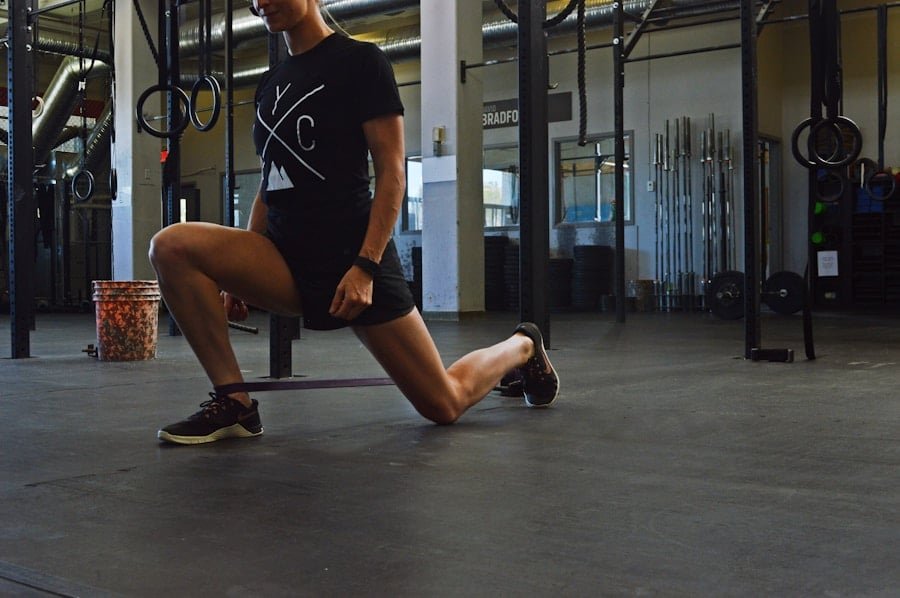
Lunges are another powerhouse exercise that can help you develop strong legs while also improving balance and coordination. This unilateral movement requires each leg to work independently, which can help correct muscle imbalances and enhance stability. Lunges primarily target the quadriceps, hamstrings, and glutes, making them an excellent addition to any leg workout.
There are various types of lunges you can incorporate into your routine. Forward lunges involve stepping forward with one leg while lowering your hips until both knees are bent at about a 90-degree angle. Reverse lunges, on the other hand, require you to step backward instead of forward, which can be easier on the knees for some individuals.
You can also try lateral lunges to target the inner thighs or walking lunges for a dynamic challenge. Regardless of the variation you choose, lunges are a fantastic way to build strength and endurance in your legs.
Deadlifts
Deadlifts are often considered a staple in strength training programs due to their effectiveness in building overall strength and power. While they primarily target the posterior chain—comprising the hamstrings, glutes, and lower back—they also engage the quads and core muscles. This makes deadlifts a comprehensive exercise that can contribute significantly to your leg development.
To perform a deadlift correctly, start by standing with your feet hip-width apart and a barbell positioned over the middle of your feet. Bend at the hips and knees to grasp the bar with both hands, keeping your back straight and chest up. As you lift the barbell off the ground, focus on driving through your heels and extending your hips forward.
It’s crucial to maintain proper form throughout the movement to avoid injury. Variations like sumo deadlifts or Romanian deadlifts can also be incorporated to target different muscle groups and keep your workouts fresh.
Leg Press
The leg press machine is a popular choice in many gyms for those looking to isolate their leg muscles effectively. This exercise allows you to lift heavy weights while providing support for your back, making it an excellent option for beginners or those recovering from injuries. The leg press primarily targets the quadriceps but also engages the hamstrings and glutes, making it a well-rounded exercise for leg development.
When using the leg press machine, it’s essential to adjust the seat and footplate according to your height for optimal comfort and effectiveness. Begin by placing your feet shoulder-width apart on the platform and slowly lower the weight by bending your knees while keeping your back pressed against the seat. Avoid locking out your knees at the top of the movement; instead, maintain a slight bend to keep tension on the muscles.
Incorporating different foot positions—such as wider stances or high foot placements—can help target various areas of your legs.
Step-ups
Step-ups are a functional exercise that mimics everyday movements like climbing stairs or getting in and out of vehicles. This exercise not only strengthens your legs but also improves balance and coordination. Step-ups primarily target the quadriceps and glutes while also engaging the hamstrings and calves, making them a versatile addition to any leg workout routine.
To perform a step-up correctly, find a sturdy bench or platform that is about knee height. Stand facing the platform with your feet hip-width apart. Step onto the platform with one foot, pressing through your heel as you lift your body up until both feet are on the platform.
Step back down with the same foot and repeat before switching sides. To increase the challenge, consider adding weights or performing lateral step-ups to engage different muscle groups.
Calf Raises
While often overlooked in leg workouts, calf raises are essential for developing strong calves and improving overall lower leg strength. The calf muscles play a crucial role in activities such as running, jumping, and even walking. Strong calves can enhance athletic performance while also contributing to better balance and stability.
Calf raises can be performed in various ways—standing or seated—and can be done with or without weights. For standing calf raises, find a sturdy surface for balance if needed. Stand with your feet hip-width apart and slowly raise your heels off the ground as high as possible before lowering them back down.
To target different areas of the calves, try variations like single-leg calf raises or using a step for greater range of motion.
Leg Extensions
Leg extensions are an isolation exercise that specifically targets the quadriceps muscles at the front of your thighs. This exercise is particularly beneficial for those looking to build muscle mass in their quads or improve knee stability. While leg extensions can be effective for muscle development, it’s essential to use them judiciously as they can place stress on the knee joint if performed incorrectly.
To perform leg extensions correctly, sit on a leg extension machine with your back against the pad and adjust it so that your knees align with the pivot point of the machine. Select an appropriate weight and extend your legs until they are straight while keeping your feet flexed. Slowly lower back down to the starting position without letting the weights touch down completely between repetitions.
Incorporating this exercise into your routine can help round out your leg workouts by focusing specifically on quad development. In conclusion, developing strong leg muscles is vital for overall fitness and functional movement. By incorporating exercises like squats, lunges, deadlifts, leg presses, step-ups, calf raises, and leg extensions into your routine, you can build strength, improve balance, and enhance athletic performance.
Remember that consistency is key; make these exercises a regular part of your workout regimen to reap their full benefits over time.
If you’re looking to build muscle in your legs, it’s important to not only focus on exercises but also on your diet. A great article to check out is Lean Muscle Gain Diet Plan PDF, which provides valuable information on how to fuel your body for muscle growth. By combining the best exercises with a proper diet, you can maximize your results and achieve your fitness goals.
FAQs
What are the best exercises to build muscles in the legs?
Some of the best exercises to build muscles in the legs include squats, lunges, deadlifts, leg presses, and calf raises.
How often should I do leg exercises to build muscle?
It is recommended to do leg exercises 2-3 times per week to build muscle. It is important to allow for adequate rest and recovery between workouts.
What are the benefits of building muscles in the legs?
Building muscles in the legs can improve overall strength, stability, and balance. It can also help with athletic performance, reduce the risk of injury, and enhance the overall appearance of the legs.
Should I use heavy weights when doing leg exercises?
Using heavy weights can be beneficial for building muscle in the legs, but it is important to use proper form and technique to avoid injury. It is also important to gradually increase the weight as strength improves.
Are bodyweight exercises effective for building leg muscles?
Yes, bodyweight exercises such as squats, lunges, and calf raises can be effective for building leg muscles, especially for beginners or those who do not have access to gym equipment.