
Body Dysmorphic Disorder (BDD) is a mental health condition that can significantly impact your perception of yourself. If you find yourself obsessively focusing on perceived flaws in your appearance, you may be experiencing symptoms of BDD. This disorder often leads to a distorted self-image, where you might see yourself as unattractive or flawed, even when others do not share this view.
The preoccupation with these perceived imperfections can consume your thoughts, leading to anxiety, depression, and social withdrawal. Understanding BDD is crucial for recognizing its effects on your life and the lives of those around you. The roots of BDD can be complex, often stemming from a combination of genetic, environmental, and psychological factors.
You may have experienced bullying or negative comments about your appearance during your formative years, which can contribute to the development of this disorder. Additionally, societal pressures and unrealistic beauty standards perpetuated by media can exacerbate feelings of inadequacy. Recognizing these influences is the first step toward understanding how they may have shaped your self-perception and contributed to the development of BDD.
Key Takeaways
- Body Dysmorphic Disorder (BDD) is a mental health condition characterized by obsessive preoccupation with perceived flaws in physical appearance.
- Individuals with BDD may be at risk of developing unhealthy behaviors related to muscle building, such as excessive exercise and steroid use, in an attempt to correct their perceived flaws.
- Seeking professional help and support from mental health professionals and support groups is crucial for individuals with BDD to address their concerns and develop healthy coping strategies.
- Setting realistic goals and expectations for physical appearance and fitness can help individuals with BDD avoid the pitfalls of extreme muscle building and focus on overall health and well-being.
- Embracing body positivity and self-acceptance, as well as incorporating mindfulness and self-care practices, can help individuals with BDD cultivate a healthy relationship with their bodies and minds. Finding a balanced approach to exercise and nutrition is essential for individuals with BDD to prioritize their overall well-being.
Recognizing the Risks of Muscle Building for Individuals with BDD
For individuals grappling with BDD, the pursuit of muscle building can present unique challenges and risks. While many people engage in weight training to improve their physical appearance and overall health, those with BDD may approach muscle building with an unhealthy mindset. You might find yourself fixated on achieving a specific body type or size, leading to excessive training and potentially harmful behaviors.
This obsession can overshadow the positive aspects of fitness, turning what should be a healthy pursuit into a source of stress and anxiety. Moreover, the desire to build muscle can lead to dangerous practices such as the use of performance-enhancing substances or extreme dieting. You may feel compelled to push your body beyond its limits in an attempt to achieve an idealized version of yourself that may not even exist.
This relentless pursuit can result in physical injuries, nutritional deficiencies, and mental health deterioration. Recognizing these risks is essential for ensuring that your fitness journey remains a positive and healthy experience rather than a detrimental obsession.
Seeking Professional Help and Support

If you suspect that you or someone you know may be struggling with BDD, seeking professional help is a vital step toward recovery. Mental health professionals can provide you with the tools and strategies needed to address the underlying issues associated with BDD. Therapy options such as cognitive-behavioral therapy (CBT) have proven effective in helping individuals challenge their distorted beliefs about their appearance.
By working with a therapist, you can learn to reframe negative thoughts and develop healthier coping mechanisms. In addition to therapy, support groups can offer a sense of community and understanding. Connecting with others who share similar experiences can help you feel less isolated in your struggles.
You may find comfort in knowing that you are not alone in your feelings and that others are navigating similar challenges. Building a support network of friends, family, and professionals can provide you with the encouragement and accountability needed to embark on your journey toward healing.
Setting Realistic Goals and Expectations
When it comes to fitness and body image, setting realistic goals is crucial for maintaining a healthy mindset. If you have BDD, it’s essential to approach goal-setting with care and consideration. Instead of focusing solely on aesthetic outcomes, consider setting performance-based goals that emphasize strength, endurance, or overall fitness levels.
For instance, you might aim to increase your lifting capacity or improve your cardiovascular endurance rather than fixating on how you look in the mirror. Additionally, it’s important to recognize that progress takes time. You may find yourself frustrated if you expect immediate results or drastic changes in your appearance.
Embracing the journey rather than fixating on the destination can help alleviate some of the pressure you place on yourself. Celebrate small victories along the way, whether it’s completing a challenging workout or feeling more energized throughout the day. By shifting your focus from appearance to performance and well-being, you can cultivate a healthier relationship with fitness.
Focusing on Overall Health and Well-being
Your overall health should be at the forefront of any fitness journey, especially if you are dealing with BDD. It’s essential to prioritize not just physical health but also mental and emotional well-being. Engaging in regular physical activity can boost your mood and reduce anxiety, but it’s important to find activities that you genuinely enjoy rather than those that feel like a chore.
Whether it’s dancing, hiking, or practicing yoga, discovering what brings you joy can make exercise feel less like a punishment and more like a celebration of what your body can do. Nutrition also plays a significant role in your overall health. Instead of adhering to restrictive diets or obsessively counting calories, focus on nourishing your body with balanced meals that include a variety of nutrients.
You might find it helpful to consult with a registered dietitian who can guide you in creating a sustainable eating plan that supports both your physical goals and mental health. Remember that food is not just fuel; it’s also an opportunity to connect with yourself and others through shared meals and experiences.
Embracing Body Positivity and Self-acceptance
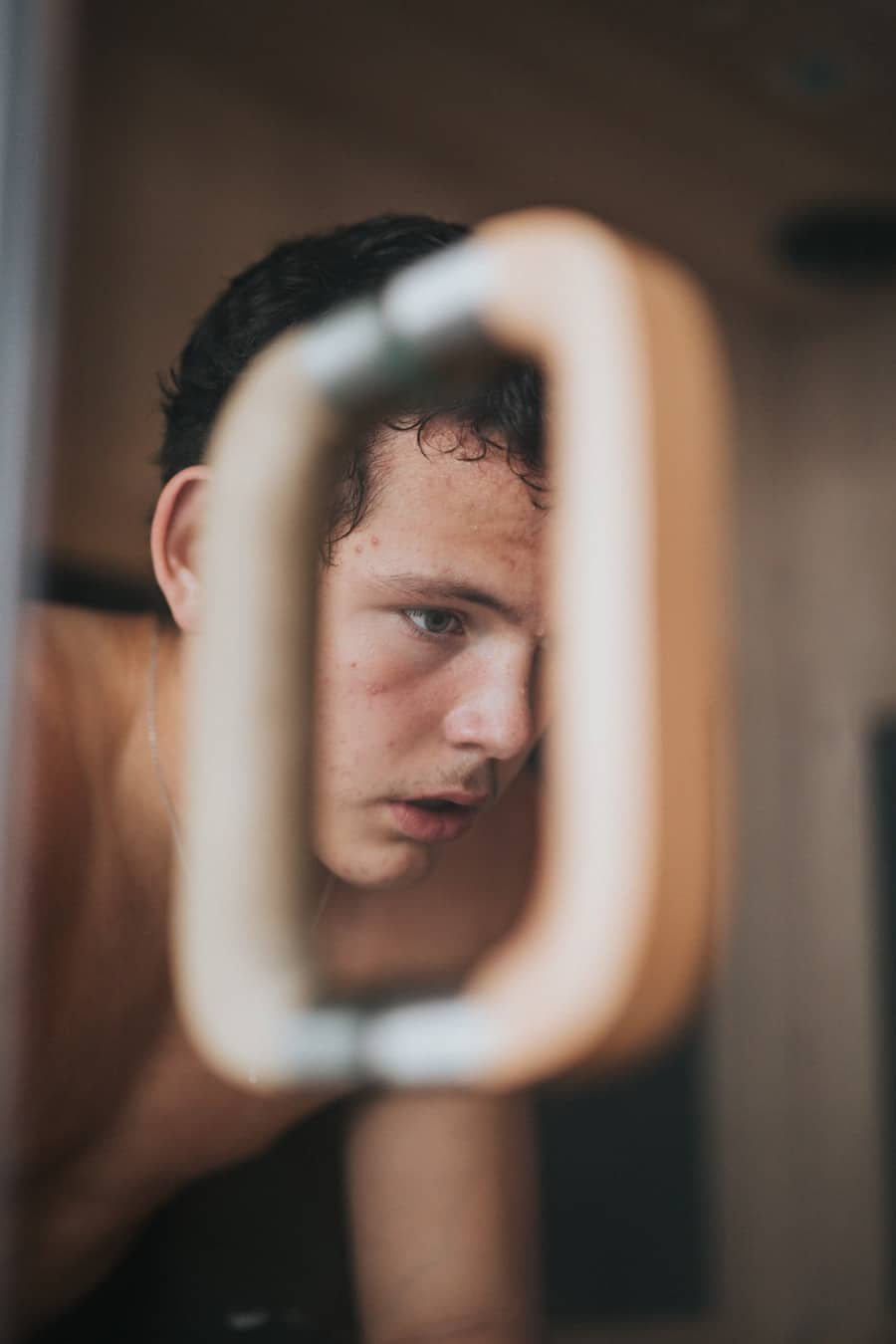
Embracing body positivity is a powerful step toward overcoming the challenges posed by BDD. It involves recognizing that all bodies are unique and worthy of respect, including your own. You may find it helpful to challenge societal beauty standards by surrounding yourself with diverse representations of beauty in media and art.
This exposure can help shift your perspective and encourage self-acceptance. Practicing self-compassion is another essential aspect of embracing body positivity. Instead of criticizing yourself for perceived flaws, try to treat yourself with kindness and understanding.
You might start by acknowledging the things you appreciate about your body—its strength, resilience, or ability to carry you through life’s challenges. By cultivating a more positive relationship with your body, you can begin to dismantle the negative beliefs associated with BDD.
Incorporating Mindfulness and Self-care Practices
Mindfulness practices can be incredibly beneficial for individuals dealing with BDD. Engaging in mindfulness allows you to become more aware of your thoughts and feelings without judgment. Techniques such as meditation, deep breathing exercises, or yoga can help ground you in the present moment and reduce anxiety related to body image concerns.
By incorporating these practices into your daily routine, you may find it easier to manage intrusive thoughts about your appearance. Self-care is equally important in nurturing your mental health. Taking time for yourself—whether through hobbies, relaxation techniques, or spending time in nature—can help recharge your emotional batteries.
You might consider creating a self-care routine that includes activities that bring you joy and fulfillment. Prioritizing self-care sends a powerful message to yourself: that you are deserving of love and care just as you are.
Finding a Balanced Approach to Exercise and Nutrition
Achieving balance in your approach to exercise and nutrition is essential for fostering a healthy relationship with both your body and mind. Rather than viewing exercise as a means to an end—such as achieving a certain look—try to see it as an opportunity for self-expression and enjoyment. Engaging in activities that make you feel good can help shift your focus away from appearance-based goals toward overall well-being.
Similarly, when it comes to nutrition, aim for balance rather than restriction. Allow yourself the freedom to enjoy a variety of foods without guilt or shame. This approach not only supports physical health but also promotes a healthier mindset around food.
You might find it helpful to practice intuitive eating—listening to your body’s hunger cues and eating mindfully rather than adhering strictly to external rules or diets. In conclusion, navigating Body Dysmorphic Disorder requires understanding its complexities while prioritizing mental health and well-being. By recognizing the risks associated with muscle building, seeking professional support, setting realistic goals, embracing body positivity, incorporating mindfulness practices, and finding balance in exercise and nutrition, you can embark on a journey toward healing and self-acceptance.
Remember that this journey is unique to you; be patient with yourself as you work toward cultivating a healthier relationship with your body and mind.
Individuals with Body Dysmorphic Disorder (BDD) may benefit from incorporating cardiovascular workouts into their muscle-building routine. Cardiovascular exercise not only helps improve overall health and fitness but can also aid in managing stress and anxiety, which are common symptoms of BDD. For more information on effective cardiovascular workouts and programs, check out this article. Additionally, focusing on macronutrients and following a muscle gain meal plan can help individuals with BDD approach muscle building in a healthy way. To learn more about the importance of macronutrients and how to create a muscle gain meal plan, visit this article.
FAQs
What is Body Dysmorphic Disorder (BDD)?
Body Dysmorphic Disorder (BDD) is a mental health condition characterized by an obsessive preoccupation with perceived flaws in one’s appearance, often leading to significant distress and impairment in daily functioning.
How does BDD affect individuals’ approach to muscle building?
Individuals with BDD may have a distorted perception of their body, leading them to obsess over specific aspects of their appearance, including muscle size and definition. This can result in unhealthy and excessive behaviors related to muscle building, such as over-exercising, extreme dieting, and the use of performance-enhancing substances.
What are some healthy approaches to muscle building for individuals with BDD?
It is important for individuals with BDD to seek professional help from mental health professionals, such as therapists and psychiatrists, to address the underlying issues contributing to their body image concerns. Additionally, working with a qualified fitness trainer or coach who understands BDD and can provide support and guidance in developing a balanced and sustainable muscle-building plan is crucial.
How can individuals with BDD maintain a healthy mindset while pursuing muscle building?
Individuals with BDD can benefit from practicing self-compassion, challenging negative thought patterns, and focusing on overall health and well-being rather than solely on physical appearance. Engaging in activities that promote mental and emotional well-being, such as mindfulness, yoga, and relaxation techniques, can also be helpful in maintaining a healthy mindset while pursuing muscle building.
What are some red flags that indicate an unhealthy approach to muscle building for individuals with BDD?
Red flags for an unhealthy approach to muscle building in individuals with BDD may include excessive preoccupation with body image, extreme dietary restrictions, compulsive exercise habits, and the use of performance-enhancing substances. Additionally, significant distress and impairment in daily functioning related to body image concerns should be addressed with professional help.