
When you think about muscle building, your mind might immediately jump to aesthetics or athletic performance. However, the relationship between muscle building and posture is profound and often overlooked. Good posture is not merely about standing tall; it involves a complex interplay of muscles that support your spine and maintain alignment.
As you engage in muscle-building exercises, you strengthen these crucial muscle groups, which can lead to improved posture. By developing a balanced physique, you create a foundation that supports your body’s natural alignment, reducing the strain on your spine and surrounding structures. Moreover, muscle building enhances your body awareness.
As you become more attuned to your muscles and how they function, you start to recognize the importance of maintaining proper alignment throughout your daily activities. This awareness can translate into better posture habits, both in and out of the gym. When you build strength in the right areas, you not only improve your physical appearance but also cultivate a sense of confidence that encourages you to stand taller and move with purpose.
Key Takeaways
- Building muscle can improve posture by providing support and stability to the spine and surrounding muscles.
- Muscle building can reduce the risk of back pain by strengthening the muscles that support the spine and improving overall posture.
- Core strength is crucial for improving posture as it helps to stabilize the spine and maintain proper alignment.
- Targeting specific muscle groups such as the back, shoulders, and core can help improve posture and reduce back pain.
- Muscle imbalances can contribute to poor posture and back pain, highlighting the importance of balanced strength training for posture improvement.
How Muscle Building Can Reduce the Risk of Back Pain
Back pain is a common complaint that affects millions of people worldwide, often stemming from poor posture and weak muscles. Engaging in muscle-building activities can significantly reduce your risk of developing back pain by fortifying the muscles that support your spine. When you strengthen your back, shoulders, and core, you create a more stable environment for your spine, which can alleviate pressure on the vertebrae and surrounding tissues.
This stability is essential for maintaining proper alignment and preventing injuries that can lead to chronic pain. Additionally, muscle building promotes better movement patterns. As you strengthen your muscles, you become more aware of how to move efficiently and safely.
This awareness helps you avoid movements that could strain your back or lead to injury. For instance, when lifting heavy objects, having a strong core and back allows you to use proper techniques, reducing the likelihood of overexertion or awkward movements that could result in pain. By prioritizing muscle building, you are not only investing in your physical appearance but also safeguarding your long-term health.
The Importance of Core Strength in Improving Posture
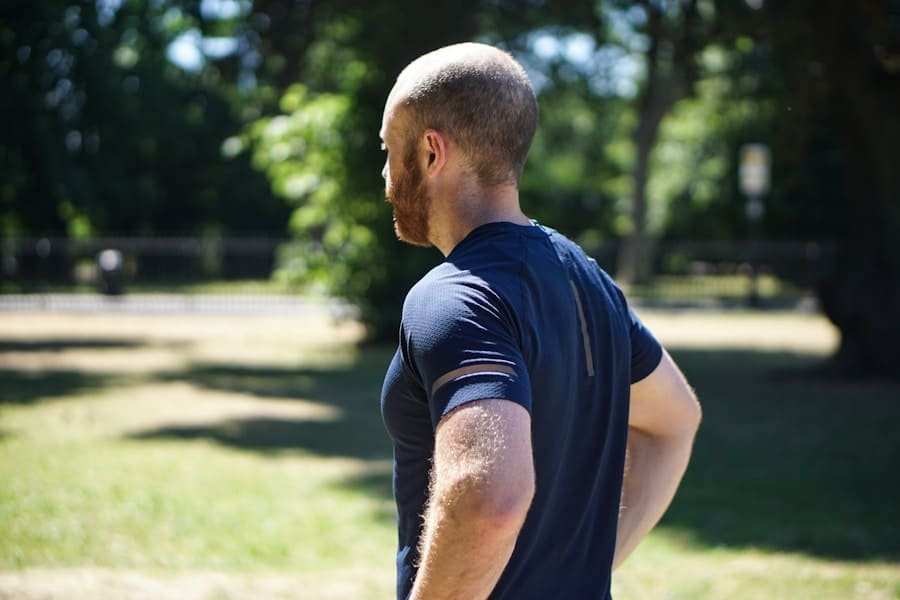
Core strength is often touted as a cornerstone of good posture, and for good reason. Your core comprises several muscles that work together to stabilize your spine and pelvis. When these muscles are weak, it can lead to poor posture, as other muscle groups may compensate for the lack of support.
By focusing on core strength through targeted exercises, you can create a solid foundation for your entire body. A strong core helps maintain an upright position while sitting or standing, reducing the risk of slouching or leaning. Incorporating core-strengthening exercises into your routine can also enhance your overall athletic performance.
A strong core allows for better transfer of power during physical activities, whether you’re running, lifting weights, or participating in sports. This improved performance not only contributes to better posture but also reduces the risk of injury. As you build core strength, you’ll find that everyday activities become easier and more efficient, further reinforcing the importance of maintaining good posture throughout your life.
Specific Muscle Groups to Target for Better Posture
To improve your posture effectively, it’s essential to target specific muscle groups that play a crucial role in maintaining alignment. The upper back muscles, including the rhomboids and trapezius, are vital for pulling your shoulders back and preventing rounded shoulders—a common issue in today’s sedentary lifestyle. Strengthening these muscles can help counteract the effects of prolonged sitting and promote a more open chest position.
Additionally, focusing on the muscles of the lower back is equally important. The erector spinae group runs along your spine and is responsible for extending and stabilizing it. By incorporating exercises that target these muscles, such as deadlifts or back extensions, you can enhance spinal support and reduce the risk of lower back pain.
Furthermore, don’t forget about the hip flexors and glutes; strong glutes help stabilize the pelvis and maintain proper alignment while sitting or standing. By addressing these specific muscle groups, you can create a well-rounded approach to improving your posture.
The Role of Muscle Imbalances in Poor Posture and Back Pain
Muscle imbalances are often at the root of poor posture and back pain. When certain muscles are overactive while others are underactive, it can lead to misalignment and discomfort. For example, if your chest muscles are tight and your upper back muscles are weak, it can result in rounded shoulders and a forward head position.
This imbalance not only affects your appearance but also places undue stress on your spine, leading to pain over time. Identifying and addressing these imbalances is crucial for achieving better posture and reducing back pain. A well-structured strength training program should include exercises that target both overactive and underactive muscle groups.
Stretching tight muscles while strengthening weak ones can help restore balance to your body. By taking a proactive approach to muscle imbalances, you can create a more harmonious relationship between your muscles and joints, ultimately leading to improved posture and reduced discomfort.
Incorporating Strength Training into a Posture Improvement Plan

Incorporating strength training into your posture improvement plan doesn’t have to be overwhelming. Start by setting realistic goals that align with your current fitness level and lifestyle. You might begin with two to three strength training sessions per week, focusing on compound movements that engage multiple muscle groups simultaneously.
Exercises like squats, lunges, push-ups, and rows are excellent choices for building overall strength while promoting good posture. As you progress, consider adding variety to your routine by incorporating resistance bands or free weights. These tools can enhance muscle engagement and challenge your stability, further contributing to improved posture.
Additionally, don’t forget to include flexibility training in your plan; stretching tight muscles is just as important as strengthening weak ones. By creating a balanced approach that combines strength training with flexibility work, you’ll be well on your way to achieving better posture and reducing the risk of back pain.
Other Benefits of Muscle Building for Posture and Back Health
Beyond improving posture and reducing back pain, muscle building offers a myriad of other benefits that contribute to overall health and well-being. For one, increased muscle mass boosts metabolism, making it easier for you to maintain a healthy weight. This is particularly important because excess weight can place additional strain on your spine and exacerbate postural issues.
Furthermore, engaging in regular strength training can enhance bone density—a crucial factor in preventing osteoporosis as you age. Strong bones support good posture by providing a solid framework for your body. Additionally, muscle building can improve balance and coordination, reducing the risk of falls and injuries as you grow older.
By investing time in building muscle, you’re not only working towards better posture but also fostering a healthier lifestyle that supports longevity.
Tips for Safely Building Muscle to Improve Posture and Reduce Back Pain
As you embark on your journey to build muscle for better posture and reduced back pain, safety should always be a priority. Start with proper warm-up routines to prepare your muscles for exercise; this can include dynamic stretches or light cardio to increase blood flow. When lifting weights or performing resistance exercises, focus on maintaining proper form rather than lifting heavy weights too soon.
Quality over quantity is key; using correct technique will help prevent injuries. Additionally, listen to your body as you progress through your strength training routine. If you experience pain or discomfort beyond typical muscle soreness, it may be a sign that you’re overdoing it or using improper form.
Don’t hesitate to seek guidance from a fitness professional if you’re unsure about specific exercises or techniques. By prioritizing safety and being mindful of your body’s signals, you’ll be able to build muscle effectively while improving your posture and reducing the risk of back pain in the long run. In conclusion, the relationship between muscle building and posture is intricate yet vital for overall health.
By understanding how strengthening specific muscle groups contributes to better alignment and reduces back pain risks, you can take proactive steps toward improving your posture through targeted strength training. Emphasizing core strength while addressing muscle imbalances will further enhance your efforts in achieving optimal posture. With dedication and a balanced approach to strength training, you’ll not only see improvements in how you stand but also experience greater comfort in daily activities—ultimately leading to a healthier lifestyle overall.
Can Muscle Building Improve Posture and Reduce the Risk of Back Pain? According to a recent article on musclesbuilder.tips, incorporating periodization techniques into your muscle building routine can help promote progressive muscle growth and potentially improve posture. Additionally, another article on the same website titled A Women’s Bodybuilding Beginner’s Guide discusses how muscle gain can also aid in weight loss, which can further reduce the risk of back pain by relieving pressure on the spine.
FAQs
What is the relationship between muscle building and posture?
Muscle building can improve posture by strengthening the muscles that support the spine and promote proper alignment. Strong muscles in the back, core, and shoulders can help maintain good posture and reduce the risk of slouching or hunching.
How can muscle building reduce the risk of back pain?
Muscle building can reduce the risk of back pain by strengthening the muscles that support the spine and help maintain proper alignment. Strong muscles in the back, core, and hips can provide better support for the spine, reducing the strain on the back and decreasing the likelihood of experiencing back pain.
What are some muscle building exercises that can improve posture and reduce the risk of back pain?
Exercises such as deadlifts, squats, planks, rows, and bridges can help strengthen the muscles that support the spine and promote good posture. Additionally, incorporating exercises that target the core, back, and shoulders can also contribute to improved posture and reduced risk of back pain.
Is muscle building suitable for everyone to improve posture and reduce the risk of back pain?
While muscle building can be beneficial for many individuals in improving posture and reducing the risk of back pain, it is important to consult with a healthcare professional or a certified fitness trainer before starting any new exercise program, especially for those with existing back issues or medical conditions.