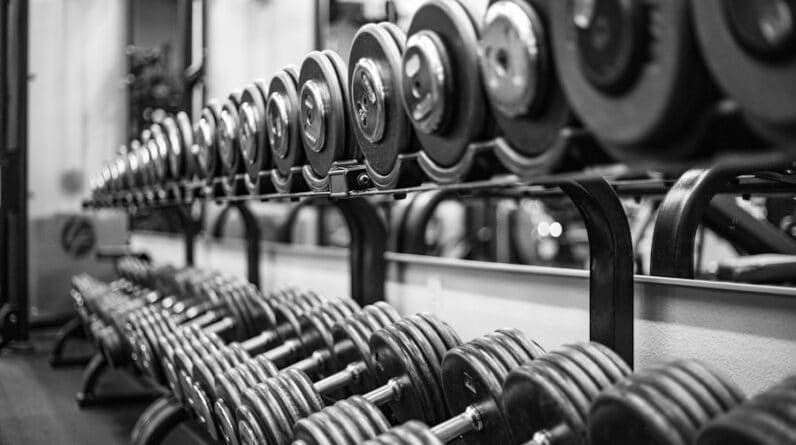
When it comes to strength training, the debate between free weights and machines is a topic that often sparks passionate discussions among fitness enthusiasts. As you step into a gym, you are greeted by a plethora of equipment, each designed to help you achieve your fitness goals. Free weights, such as dumbbells and barbells, offer a sense of freedom and flexibility, allowing you to perform a wide range of exercises.
On the other hand, machines provide a structured environment that can guide your movements and isolate specific muscle groups. Understanding the nuances of both options is essential for you to make informed decisions about your workout routine. As you embark on your fitness journey, it’s crucial to recognize that both free weights and machines have their unique advantages and disadvantages.
Your choice may depend on various factors, including your fitness level, personal preferences, and specific goals. Whether you are looking to build muscle, improve your overall strength, or enhance your athletic performance, knowing how each type of equipment can contribute to your objectives will empower you to create an effective training regimen tailored to your needs.
Key Takeaways
- Free weights and machines are both popular options for muscle building and strength training.
- Free weights offer benefits such as improved muscle activation and stabilization, while machines provide a more controlled and guided movement.
- Free weights are great for targeting multiple muscle groups and improving functional strength, while machines can be beneficial for isolating specific muscles and reducing the risk of injury.
- It’s important to consider injury prevention when choosing between free weights and machines, as proper form and technique are crucial for both types of equipment.
- Ultimately, the choice between free weights and machines should be based on individual goals, preferences, and accessibility to equipment.
Benefits of Free Weights for Muscle Building
One of the most significant advantages of using free weights is their ability to engage multiple muscle groups simultaneously. When you lift a dumbbell or barbell, you are not only targeting the primary muscles involved in the movement but also activating stabilizing muscles that support your joints. This compound engagement leads to more efficient muscle building and functional strength.
As you perform exercises like squats or deadlifts with free weights, you will notice that your core muscles are also engaged, providing a comprehensive workout that translates well into real-life activities. Moreover, free weights allow for a greater range of motion compared to machines. This increased mobility enables you to perform exercises in a way that mimics natural movements, which can enhance your overall athletic performance.
You may find that exercises like bench presses or overhead presses with free weights require more coordination and balance, ultimately leading to improved neuromuscular connections. This aspect of training not only builds muscle but also enhances your body’s ability to move efficiently in various situations.
Benefits of Machines for Muscle Building
While free weights have their merits, machines also offer distinct benefits that can be advantageous for muscle building. One of the primary advantages of using machines is their ability to provide guided movements. This feature is particularly beneficial for beginners who may be unfamiliar with proper lifting techniques.
Machines often come with instructions and fixed paths of motion, which can help you maintain correct form and reduce the risk of injury as you learn the basics of strength training. Additionally, machines allow for targeted isolation of specific muscle groups. If your goal is to focus on a particular area, such as your quadriceps or biceps, machines can provide the necessary support to ensure that those muscles are being effectively worked.
This isolation can be particularly useful during rehabilitation or when trying to correct muscle imbalances. By incorporating machines into your routine, you can strategically target areas that may need extra attention while still benefiting from overall muscle growth.
Differences in Muscle Activation and Stabilization
When comparing free weights and machines, one of the most notable differences lies in muscle activation and stabilization. Free weights require you to engage stabilizing muscles throughout your body as you lift. This engagement is crucial for maintaining balance and control during exercises.
For instance, when performing a squat with a barbell, your core, lower back, and even upper body must work together to stabilize the weight. This comprehensive activation not only builds strength but also enhances your body’s ability to perform functional movements in daily life. In contrast, machines often minimize the need for stabilization by providing a fixed path for movement.
While this can be beneficial for beginners or those recovering from injuries, it may not engage as many muscle fibers as free weights do. The reliance on machines can lead to a more isolated workout experience, which may not translate as effectively into real-world activities where balance and coordination are essential. Understanding these differences can help you tailor your training approach based on your goals and current fitness level.
Considerations for Injury Prevention
Injury prevention is a critical aspect of any fitness regimen, and both free weights and machines come with their own set of considerations in this regard. When using free weights, proper form is paramount. The freedom of movement can lead to improper lifting techniques if you are not careful, increasing the risk of strains or injuries.
It’s essential to start with lighter weights until you feel confident in your form and gradually progress as your strength improves. Additionally, incorporating warm-up exercises and cooldown stretches can further reduce the likelihood of injury. On the other hand, while machines provide a more controlled environment that can help prevent injuries due to improper form, they are not without risks.
Over-reliance on machines may lead to muscle imbalances if certain muscle groups are consistently neglected in favor of others. It’s important to maintain a balanced workout routine that incorporates both free weights and machines to ensure comprehensive development and minimize injury risks. By being mindful of these considerations, you can create a safer training environment for yourself.
Variety and Versatility in Training
Free Weights: Unparalleled Versatility
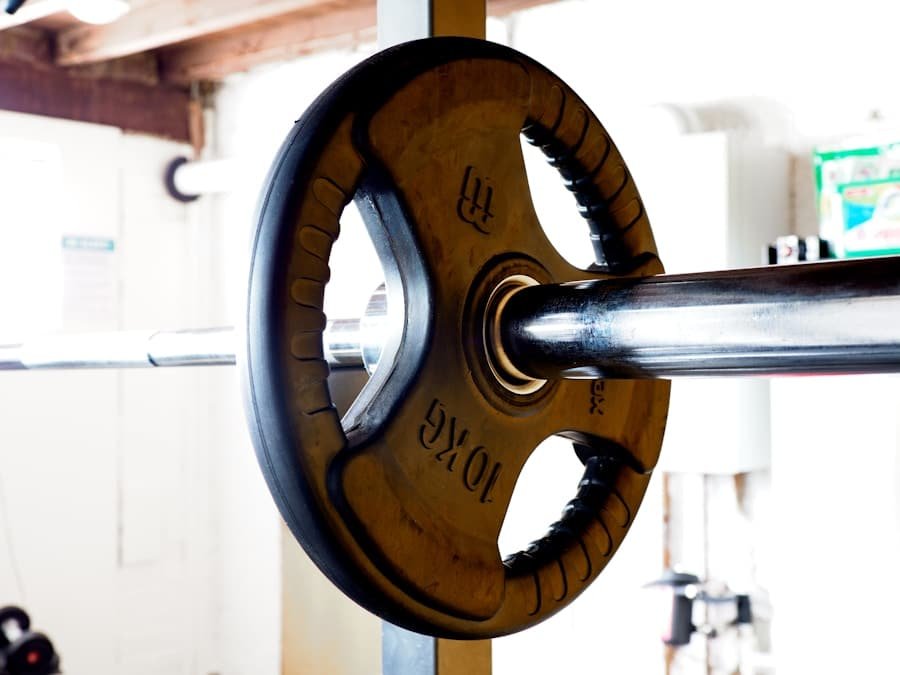
Free weights, such as dumbbells and barbells, offer an incredible range of exercise options. With just a few pieces of equipment, you can perform countless exercises that target different muscle groups from various angles. This versatility not only keeps your workouts fresh but also challenges your muscles in new ways, promoting growth and preventing plateaus.
Machines: Targeted Movements
While machines may not offer the same level of exercise variety as free weights, they do provide unique advantages. Many machines are designed for specific exercises that isolate certain muscles effectively. This targeted approach can be particularly useful for building strength in specific areas.
Combining Free Weights and Machines
To get the most out of your fitness training, consider incorporating both free weights and machines into your program. This combination allows you to enjoy the benefits of variety while still targeting specific muscle groups effectively. By mixing and matching different exercises and equipment, you can create a well-rounded routine that keeps your workouts engaging and prevents plateaus.
Cost and Accessibility
When considering your options between free weights and machines, cost and accessibility play significant roles in your decision-making process. Free weights tend to be more affordable than machines, making them an attractive option for those on a budget or those who prefer working out at home. A set of dumbbells or a barbell can provide an effective strength training solution without breaking the bank.
On the other hand, gym memberships often grant access to a wide range of machines that may not be feasible for home use due to space constraints or cost considerations. If you prefer the structured environment that machines provide or enjoy the social aspect of working out in a gym setting, investing in a membership may be worthwhile. Ultimately, evaluating your budget and accessibility will help guide your choice between free weights and machines.
Choosing the Right Equipment for Your Goals
In conclusion, both free weights and machines have their unique benefits when it comes to muscle building and overall fitness. Your choice should ultimately align with your personal goals, preferences, and current fitness level. If you seek functional strength and enjoy variety in your workouts, free weights may be the ideal option for you.
Conversely, if you prefer guided movements and targeted isolation of specific muscles, machines could be more suitable. As you navigate through your fitness journey, remember that there is no one-size-fits-all approach. Many successful training programs incorporate both free weights and machines to maximize results while minimizing injury risks.
By understanding the strengths and weaknesses of each type of equipment, you can create a balanced routine that aligns with your aspirations and keeps you motivated on your path toward achieving your fitness goals.
If you are interested in building muscle and burning fat, you may want to check out this article on musclesbuilder.tips. It provides valuable information on how to effectively build muscle while also burning fat through proper nutrition and exercise. Additionally, if you are concerned about your muscle turning into fat, there is another informative article on the same website titled musclesbuilder.tips. Lastly, if you are looking for a high-intensity workout to help with muscle building, consider reading about HIIT (High-Intensity Interval Training) in this article on musclesbuilder.tips.
FAQs
What are free weights?
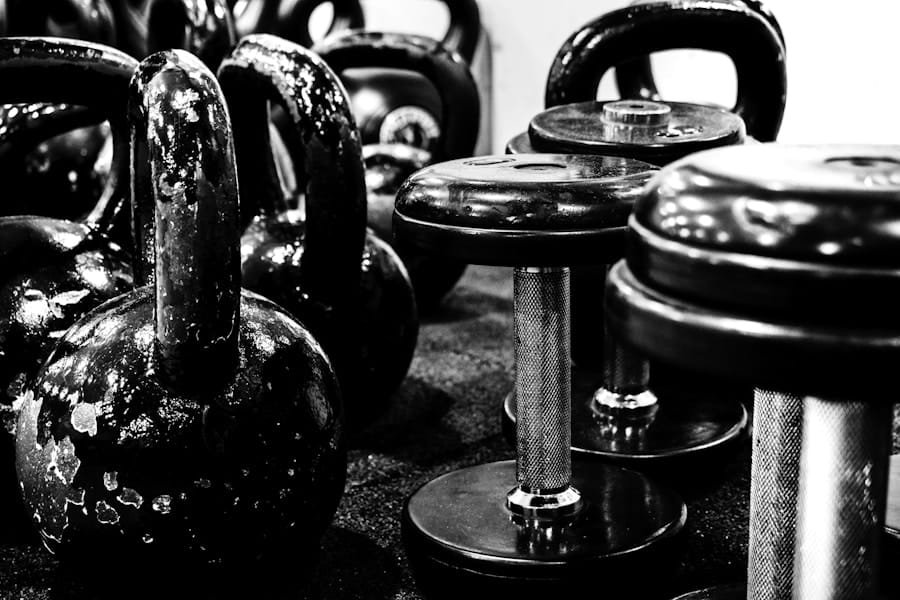
Free weights are pieces of exercise equipment that are not attached to any kind of machine or apparatus. They include dumbbells, barbells, kettlebells, and weight plates.
What are machines for muscle building?
Machines for muscle building are exercise equipment that have a specific range of motion and are often used for isolating specific muscle groups. They include leg press machines, chest press machines, and cable machines.
What are the differences between free weights and machines for muscle building?
The main differences between free weights and machines for muscle building are the range of motion, stability, and muscle activation. Free weights allow for a greater range of motion and require more stability and muscle activation to perform exercises, while machines often have a fixed range of motion and provide more stability.
Which is better for muscle building, free weights or machines?
Both free weights and machines can be effective for muscle building, but they each have their own advantages and disadvantages. Free weights are great for functional strength and overall muscle activation, while machines can be useful for isolating specific muscle groups and reducing the risk of injury.
Can free weights and machines be used together for muscle building?
Yes, incorporating both free weights and machines into a workout routine can provide a well-rounded approach to muscle building. Using free weights for compound movements and machines for isolation exercises can help target different muscle groups and improve overall strength and muscle development.