When you find yourself sidelined due to injury or prolonged inactivity, the importance of maintaining muscle mass cannot be overstated. Muscle mass plays a crucial role in your overall health, influencing everything from metabolism to functional strength. When you are unable to engage in your usual physical activities, your body can begin to lose muscle at an alarming rate.
This loss not only affects your physical appearance but can also lead to decreased strength, reduced mobility, and a longer recovery time once you are able to return to your regular routine. Understanding the significance of preserving muscle mass during these challenging times can empower you to take proactive steps toward maintaining your physical well-being. Moreover, maintaining muscle mass is essential for preventing complications that can arise from inactivity.
For instance, muscle atrophy can lead to a decline in bone density, increasing the risk of fractures and osteoporosis. Additionally, a decrease in muscle mass can negatively impact your metabolic rate, making it more difficult to manage weight and maintain energy levels. By prioritizing muscle preservation during periods of inactivity or recovery, you are not only safeguarding your physical health but also setting the stage for a smoother transition back to your active lifestyle.
Key Takeaways
- Maintaining muscle mass during inactivity or injury recovery is crucial for overall health and well-being.
- Nutrition strategies such as consuming adequate protein and essential nutrients are essential for supporting muscle mass during periods of inactivity or injury recovery.
- Resistance training techniques tailored to inactive or injured individuals can help preserve muscle mass and prevent muscle loss.
- Rest and recovery are important for muscle maintenance, allowing the body to repair and rebuild muscle tissue.
- Incorporating low-impact activities such as walking or swimming can help preserve muscle mass during periods of inactivity or injury recovery.
Nutrition Strategies to Support Muscle Mass
Nutrition plays a pivotal role in supporting muscle mass, especially during times of inactivity or recovery. To effectively maintain your muscle tissue, it is essential to focus on consuming adequate amounts of protein. Protein is the building block of muscle, and ensuring that you are getting enough can help mitigate the effects of muscle loss.
Aim for a balanced intake of high-quality protein sources such as lean meats, fish, dairy products, legumes, and plant-based proteins. Incorporating these foods into your meals can provide your body with the necessary amino acids it needs to repair and maintain muscle tissue. In addition to protein, it is vital to pay attention to your overall caloric intake.
During periods of inactivity, your energy expenditure may decrease significantly, which can lead to unwanted weight gain if you continue to consume the same number of calories as before. However, drastically cutting calories can also hinder muscle preservation. Instead, focus on a moderate caloric deficit while ensuring that you are still meeting your protein needs.
This balanced approach will help you maintain muscle mass while allowing your body to heal and recover.
Resistance Training Techniques for Inactive or Injured Individuals
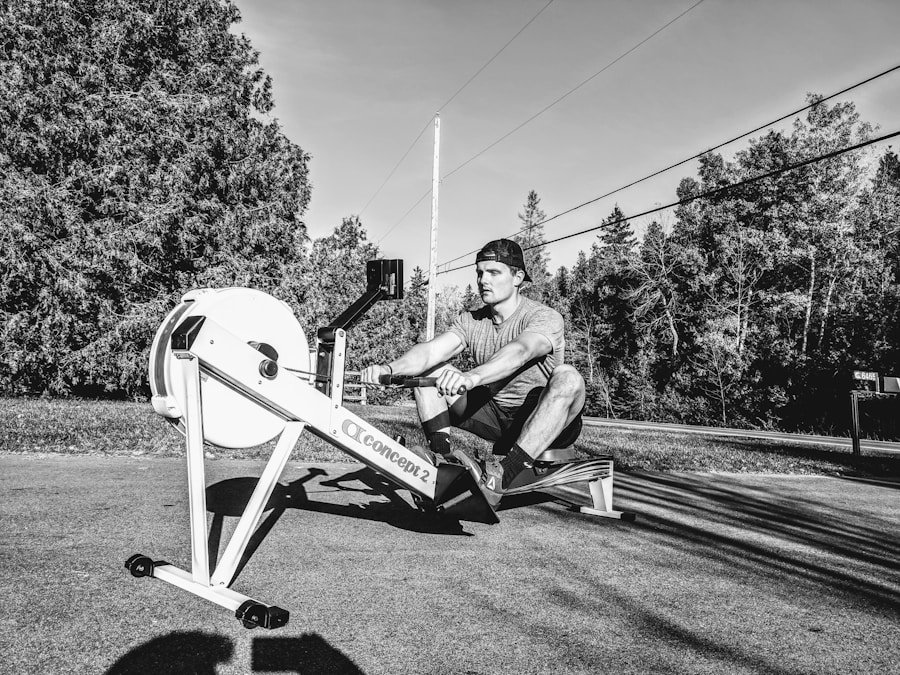
Even when faced with injury or inactivity, there are resistance training techniques that you can incorporate into your routine to help preserve muscle mass. Depending on the nature of your injury, you may need to modify traditional exercises or explore alternative methods that place less strain on your body. For instance, if you have a lower body injury, upper body resistance exercises can still be performed using resistance bands or light weights.
This allows you to engage your muscles without exacerbating your injury. Additionally, isometric exercises can be particularly beneficial during recovery. These exercises involve contracting your muscles without changing their length, which can help maintain strength without putting undue stress on injured areas.
For example, you might perform wall sits or static holds for various muscle groups. By incorporating these techniques into your routine, you can continue to stimulate muscle fibers and promote maintenance even when full-range movements are not possible.
Importance of Rest and Recovery for Muscle Maintenance
While it may seem counterintuitive, rest and recovery are integral components of maintaining muscle mass during periods of inactivity or injury recovery. When you allow your body adequate time to rest, it can focus on repairing damaged tissues and rebuilding muscle fibers. Overtraining or pushing yourself too hard during recovery can lead to further injury and setbacks, ultimately hindering your progress.
Embracing rest as a vital part of your routine will not only support muscle maintenance but also enhance your overall healing process. In addition to physical rest, mental recovery is equally important. Stress and anxiety about your injury or inactivity can take a toll on your body’s ability to heal.
Engaging in relaxation techniques such as meditation, deep breathing exercises, or gentle yoga can help alleviate stress and promote a sense of well-being. By prioritizing both physical and mental recovery, you create an environment conducive to muscle preservation and overall health.
Incorporating Low-Impact Activities to Preserve Muscle Mass
Incorporating low-impact activities into your routine is an effective way to preserve muscle mass while minimizing the risk of aggravating an injury. Activities such as swimming, cycling, or using an elliptical machine provide cardiovascular benefits while being gentle on the joints. These exercises allow you to maintain some level of physical activity without placing excessive strain on your body.
Engaging in low-impact activities not only helps preserve muscle mass but also supports cardiovascular health and enhances overall well-being. Moreover, low-impact activities can serve as a bridge between complete inactivity and more intense workouts once you are ready to resume your regular exercise routine. By gradually reintroducing movement through these gentler forms of exercise, you can help maintain muscle tone and strength while allowing your body the time it needs to heal properly.
This approach fosters a sense of accomplishment and motivation as you witness your progress over time.
Utilizing Physical Therapy and Rehabilitation Techniques
Physical therapy and rehabilitation techniques are invaluable resources for individuals recovering from injury or dealing with prolonged inactivity. A qualified physical therapist can assess your specific situation and develop a tailored program designed to address your unique needs while focusing on preserving muscle mass. Through targeted exercises and modalities such as electrical stimulation or ultrasound therapy, physical therapists can help stimulate muscle activity and promote healing.
Additionally, engaging in rehabilitation exercises under professional guidance ensures that you are performing movements safely and effectively. This structured approach not only aids in maintaining muscle mass but also helps prevent future injuries by addressing any underlying issues that may have contributed to your current condition. By actively participating in physical therapy, you empower yourself to take control of your recovery journey while safeguarding your muscle health.
Monitoring and Adjusting Caloric Intake During Inactivity or Recovery
Monitoring and adjusting your caloric intake during periods of inactivity or recovery is crucial for maintaining muscle mass while preventing unwanted weight gain. As mentioned earlier, your energy expenditure may decrease significantly when you are less active; therefore, it is essential to be mindful of how much you are consuming. Keeping a food diary or using a nutrition tracking app can help you stay accountable and ensure that you are meeting your nutritional needs without overindulging.
It’s important to remember that while reducing caloric intake may be necessary during this time, it should not come at the expense of essential nutrients required for recovery. Focus on nutrient-dense foods that provide vitamins and minerals alongside protein. This balanced approach will support both muscle maintenance and overall health as you navigate through periods of inactivity or injury recovery.
Psychological Strategies for Maintaining Muscle Mass During Periods of Inactivity or Injury Recovery
The psychological aspect of maintaining muscle mass during periods of inactivity or injury recovery is often overlooked but is equally important as physical strategies. It’s common to experience feelings of frustration or discouragement when faced with limitations in physical activity; however, adopting a positive mindset can significantly impact your ability to maintain muscle mass. Setting realistic goals for yourself during this time can help keep you motivated and focused on what you can achieve rather than what you cannot.
Additionally, surrounding yourself with a supportive network—whether it be friends, family, or fellow fitness enthusiasts—can provide encouragement and accountability throughout your recovery journey. Engaging in discussions about shared experiences or seeking advice from others who have faced similar challenges can foster resilience and determination. By cultivating a positive mental attitude and leaning on support systems, you empower yourself to navigate the complexities of inactivity or injury recovery while prioritizing the preservation of muscle mass.
In conclusion, maintaining muscle mass during periods of inactivity or injury recovery requires a multifaceted approach that encompasses nutrition, exercise strategies, rest, and psychological resilience. By understanding the importance of preserving muscle mass and implementing effective strategies tailored to your unique situation, you can navigate these challenging times with confidence and emerge stronger than before.
If you are looking for specific strategies for maintaining muscle mass during periods of inactivity or injury recovery, you may also be interested in learning about muscle building for beginners. This article provides valuable information on how to start building muscle effectively, which can be especially helpful when trying to prevent muscle loss during times of reduced activity. Additionally, incorporating a veg muscle gain diet, as discussed in this article, can also support muscle maintenance and growth. Remember, even during periods of inactivity, cardiovascular exercise can play a role in muscle building, as explained in this article.
FAQs
What are some strategies for maintaining muscle mass during periods of inactivity or injury recovery?
Some strategies for maintaining muscle mass during periods of inactivity or injury recovery include consuming adequate protein, engaging in low-impact exercises, incorporating resistance training, and getting enough rest and recovery.
How does consuming adequate protein help in maintaining muscle mass during periods of inactivity or injury recovery?
Consuming adequate protein is essential for maintaining muscle mass during periods of inactivity or injury recovery as it provides the necessary building blocks for muscle repair and growth. Aim for a protein intake of 1.2-2.0 grams per kilogram of body weight per day.
What are some low-impact exercises that can help maintain muscle mass during periods of inactivity or injury recovery?
Low-impact exercises such as swimming, cycling, and using an elliptical machine can help maintain muscle mass during periods of inactivity or injury recovery. These exercises are gentle on the joints and can help prevent muscle atrophy.
How does resistance training help in maintaining muscle mass during periods of inactivity or injury recovery?
Incorporating resistance training, such as using resistance bands or bodyweight exercises, can help maintain muscle mass during periods of inactivity or injury recovery. It helps stimulate muscle growth and prevents muscle loss.
Why is getting enough rest and recovery important for maintaining muscle mass during periods of inactivity or injury recovery?
Getting enough rest and recovery is important for maintaining muscle mass during periods of inactivity or injury recovery as it allows the muscles to repair and grow. Adequate sleep and rest days are essential for overall muscle health and recovery.