When faced with a medical condition or injury, the first step is to gain a comprehensive understanding of what you are dealing with. This knowledge is crucial, as it empowers you to make informed decisions about your health and fitness journey. You should take the time to research your specific condition, whether it’s a chronic issue like arthritis or a recent injury such as a sprain.
Understanding the nature of your condition will help you identify the limitations it imposes on your body and the types of activities that may exacerbate or alleviate your symptoms. Moreover, it’s essential to recognize that each individual’s experience with a medical condition can vary significantly. What works for one person may not work for you.
Therefore, you should pay attention to your body’s signals and how it responds to different movements and exercises. This self-awareness will be invaluable as you navigate your recovery or management plan. By understanding your condition, you can set realistic goals and expectations, which is vital for maintaining motivation and ensuring long-term success.
Key Takeaways
- Understand your medical condition or injury to make informed decisions about your exercise routine.
- Consult with a healthcare professional to get personalized advice and recommendations for your specific situation.
- Modify your exercise selection to avoid aggravating your condition and focus on activities that promote healing and strength.
- Adjust your training intensity to match your current capabilities and avoid pushing yourself too hard, risking further injury.
- Incorporate proper warm-up and cool-down routines to prepare your body for exercise and aid in recovery.
Consulting with a Healthcare Professional
Once you have a grasp of your medical condition or injury, the next step is to consult with a healthcare professional. This could be a physician, physical therapist, or another specialist who can provide you with tailored advice based on your specific situation. During this consultation, you should be open and honest about your symptoms, concerns, and any previous treatments you have tried.
This information will help the professional develop a personalized plan that addresses your needs. In addition to receiving guidance on managing your condition, consulting with a healthcare professional can also provide you with reassurance. It’s common to feel overwhelmed or anxious when dealing with health issues, but having an expert in your corner can alleviate some of that stress.
They can help clarify what is safe for you to do and what activities you should avoid. This professional insight is invaluable as you begin to modify your exercise routine and make necessary adjustments to your training regimen.
Modifying Your Exercise Selection
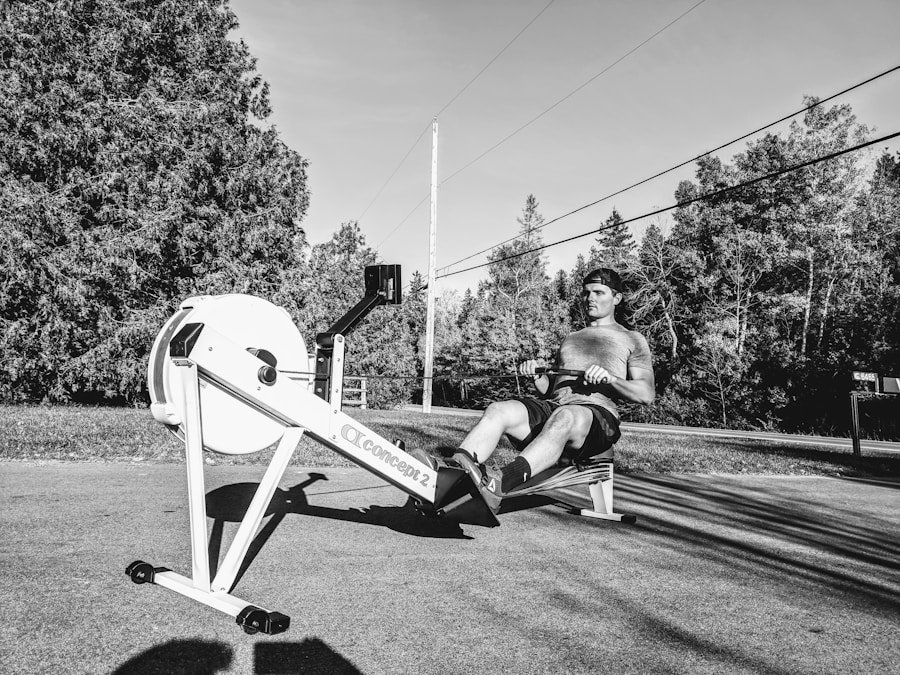
With a clear understanding of your medical condition and guidance from a healthcare professional, it’s time to modify your exercise selection. This step is crucial for ensuring that you remain active while minimizing the risk of aggravating your injury or condition. You should focus on low-impact exercises that are gentle on your body yet effective in maintaining fitness levels.
Activities such as swimming, cycling, or yoga can be excellent alternatives that allow you to stay active without putting undue stress on your joints or muscles. Additionally, consider incorporating strength training exercises that target specific muscle groups without straining the affected area. Resistance bands or bodyweight exercises can be particularly beneficial as they allow for controlled movements and can be adjusted based on your comfort level.
As you explore different exercise options, remember to listen to your body and make modifications as needed. The goal is to find activities that you enjoy and can sustain over time while accommodating your unique circumstances.
Adjusting Your Training Intensity
As you modify your exercise selection, it’s equally important to adjust your training intensity. You may need to start at a lower intensity than you are accustomed to, gradually increasing it as your body adapts and strengthens. This approach not only helps prevent further injury but also allows you to build confidence in your abilities.
You should aim for a balance between challenging yourself and respecting your body’s limits. Monitoring how you feel during and after workouts is essential in this process. If you experience pain or discomfort beyond normal muscle fatigue, it may be a sign that you need to dial back the intensity or modify the exercise further.
On the other hand, if you find that certain activities are becoming easier over time, it may be appropriate to gradually increase the intensity or duration of those exercises. This progressive approach will help ensure that you continue to make gains while prioritizing safety.
Incorporating Proper Warm-up and Cool-down
Incorporating proper warm-up and cool-down routines into your exercise regimen is vital for anyone, but especially for those managing a medical condition or injury. A thorough warm-up prepares your body for physical activity by increasing blood flow to the muscles and enhancing flexibility. You should spend at least 5-10 minutes engaging in dynamic stretches or light aerobic activities before diving into more intense workouts.
This practice not only reduces the risk of injury but also improves overall performance. Similarly, cooling down after exercise is just as important. A proper cool-down helps your heart rate gradually return to its resting state and aids in recovery by preventing muscle stiffness.
You might consider incorporating static stretches during this phase to enhance flexibility and promote relaxation. Taking the time for both warm-up and cool-down routines demonstrates a commitment to your health and well-being, setting a positive tone for each workout session.
Paying Attention to Pain and Discomfort
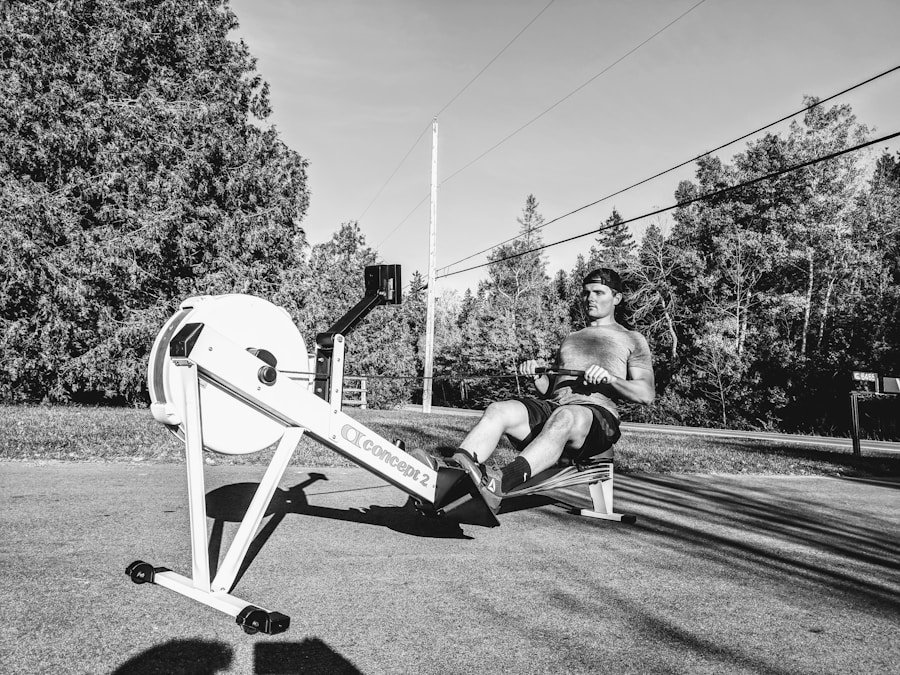
As you embark on this journey of modified exercise, it’s crucial to pay close attention to any pain or discomfort you may experience. While some soreness is normal after physical activity, sharp or persistent pain can indicate that something is wrong. You should differentiate between discomfort that signals muscle fatigue and pain that suggests potential injury.
If you find yourself experiencing unusual pain during specific movements, it’s essential to stop immediately and reassess what you’re doing. Listening to your body is an integral part of the recovery process. If certain exercises consistently cause discomfort, it may be time to modify them further or replace them with alternatives that are more suitable for your condition.
Keeping a journal of your workouts can help track patterns in pain or discomfort, allowing you to identify triggers and make informed decisions about your exercise routine moving forward.
Allowing for Adequate Rest and Recovery
Rest and recovery are often overlooked components of any fitness regimen, but they are especially critical when managing a medical condition or injury. Your body needs time to heal and adapt after workouts, so incorporating rest days into your schedule is essential. You should aim for at least one or two rest days each week, depending on the intensity of your workouts and how your body feels.
During these rest days, consider engaging in gentle activities such as walking or stretching rather than complete inactivity. Active recovery can promote blood flow and aid in muscle repair without putting additional strain on your body. Additionally, prioritize sleep and nutrition during this time; both play significant roles in recovery and overall well-being.
By allowing adequate rest and recovery, you set yourself up for long-term success in managing your condition while staying active.
Monitoring Progress and Making Further Adjustments
Finally, monitoring your progress is key to ensuring that you are on the right track with your modified exercise routine. Regularly assess how you feel physically and emotionally about your workouts. Are you experiencing less pain? Are you able to perform exercises with greater ease? Keeping track of these changes will help you recognize improvements over time, which can be incredibly motivating. As you monitor your progress, be open to making further adjustments as needed. Your body’s response to exercise may change over time, requiring modifications in intensity, duration, or type of activity. Don’t hesitate to consult with your healthcare professional if you notice significant changes in how you feel or if new symptoms arise. By staying proactive in monitoring your progress and making necessary adjustments, you can continue on the path toward improved health while effectively managing your medical condition or injury.
If you are looking to adapt your muscle-building routine due to a preexisting medical condition or injury, it is important to consult with a healthcare professional before making any changes. In addition, you may find the article “7-Day Muscle Gain Diet Plan” helpful in ensuring you are fueling your body properly to support your muscle-building goals. This article provides valuable information on nutrition and meal planning to optimize muscle growth. Remember, it is essential to prioritize your health and safety when modifying your workout routine.
FAQs
What are some common preexisting medical conditions or injuries that may affect a muscle-building routine?
Some common preexisting medical conditions or injuries that may affect a muscle-building routine include arthritis, osteoporosis, herniated discs, tendonitis, and ligament injuries.
How can I adapt my muscle-building routine if I have a preexisting medical condition or injury?
If you have a preexisting medical condition or injury, it is important to consult with a healthcare professional or physical therapist to develop a safe and effective muscle-building routine. This may involve modifying exercises, using lighter weights, incorporating more rest days, and focusing on proper form and technique.
What are some exercises that may be beneficial for individuals with preexisting medical conditions or injuries?
Exercises that may be beneficial for individuals with preexisting medical conditions or injuries include low-impact activities such as swimming, cycling, and using resistance bands. Additionally, bodyweight exercises, yoga, and Pilates can help improve strength and flexibility without putting excessive strain on the body.
Are there any specific precautions I should take when adapting my muscle-building routine with a preexisting medical condition or injury?
When adapting a muscle-building routine with a preexisting medical condition or injury, it is important to listen to your body and avoid pushing through pain. It is also crucial to warm up properly, use proper equipment and technique, and gradually progress the intensity of your workouts to prevent exacerbating the condition or injury.