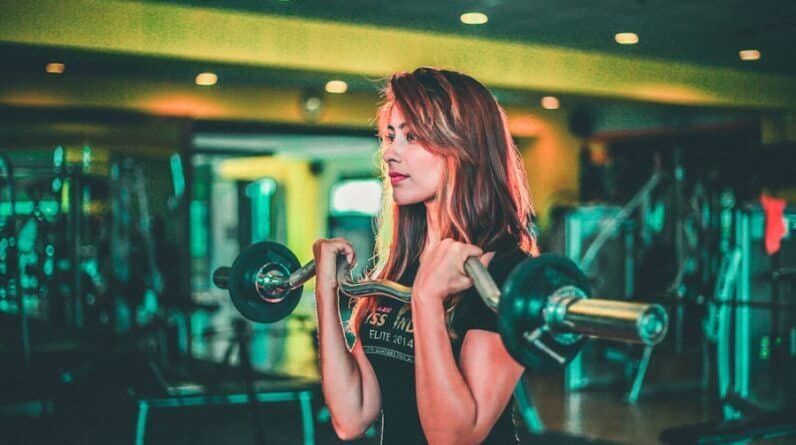
When you embark on a muscle-building journey, your body image often becomes a focal point of your experience. The process of lifting weights and seeing physical changes can significantly alter how you perceive yourself. As you gain muscle, you may find that your self-image improves, leading to a more positive outlook on your physical appearance.
This transformation can be empowering, as you witness the fruits of your labor manifest in the form of increased strength and definition. However, it’s essential to recognize that this relationship is complex; while muscle building can enhance body image for many, it can also lead to unrealistic expectations and dissatisfaction. As you engage in muscle-building activities, societal standards of beauty and fitness can heavily influence your perception.
You might find yourself comparing your progress to others, especially those who seem to achieve results more quickly or effortlessly. This comparison can create a distorted view of what is considered an ideal body, leading to feelings of inadequacy. It’s crucial to remember that everyone’s journey is unique, and the path to achieving your goals should be celebrated rather than compared.
Embracing your individual progress can foster a healthier relationship with your body image, allowing you to appreciate the strength and resilience that comes with muscle building.
Key Takeaways
- Muscle building can positively impact body image by promoting a sense of strength and confidence.
- Muscle building can boost self-esteem by providing a sense of accomplishment and mastery over one’s body.
- Social media plays a significant role in shaping body image in muscle building, often promoting unrealistic standards and ideals.
- Muscle building can have psychological benefits such as improved mood, reduced stress, and increased self-efficacy.
- However, muscle building can also have potential pitfalls on mental health, such as body dissatisfaction and disordered eating behaviors.
The Impact of Muscle Building on Self-esteem
Engaging in muscle building can have a profound impact on your self-esteem. As you commit to a consistent workout routine and witness tangible results, you may experience a boost in confidence that extends beyond the gym. The act of setting and achieving fitness goals can instill a sense of accomplishment, reinforcing the belief that you are capable of overcoming challenges.
This newfound confidence can permeate various aspects of your life, from personal relationships to professional endeavors, as you carry the lessons learned in the gym into other areas. However, it’s important to approach muscle building with a balanced mindset. While the physical changes can enhance self-esteem, they should not be the sole source of your self-worth.
Relying exclusively on external validation can lead to a precarious sense of self-esteem that fluctuates with your progress. Instead, focus on cultivating an internal sense of worth that is independent of your physical appearance. By recognizing the value of your efforts, discipline, and dedication, you can build a more resilient self-esteem that withstands the ups and downs of your fitness journey.
The Role of Social Media in Shaping Body Image in Muscle Building
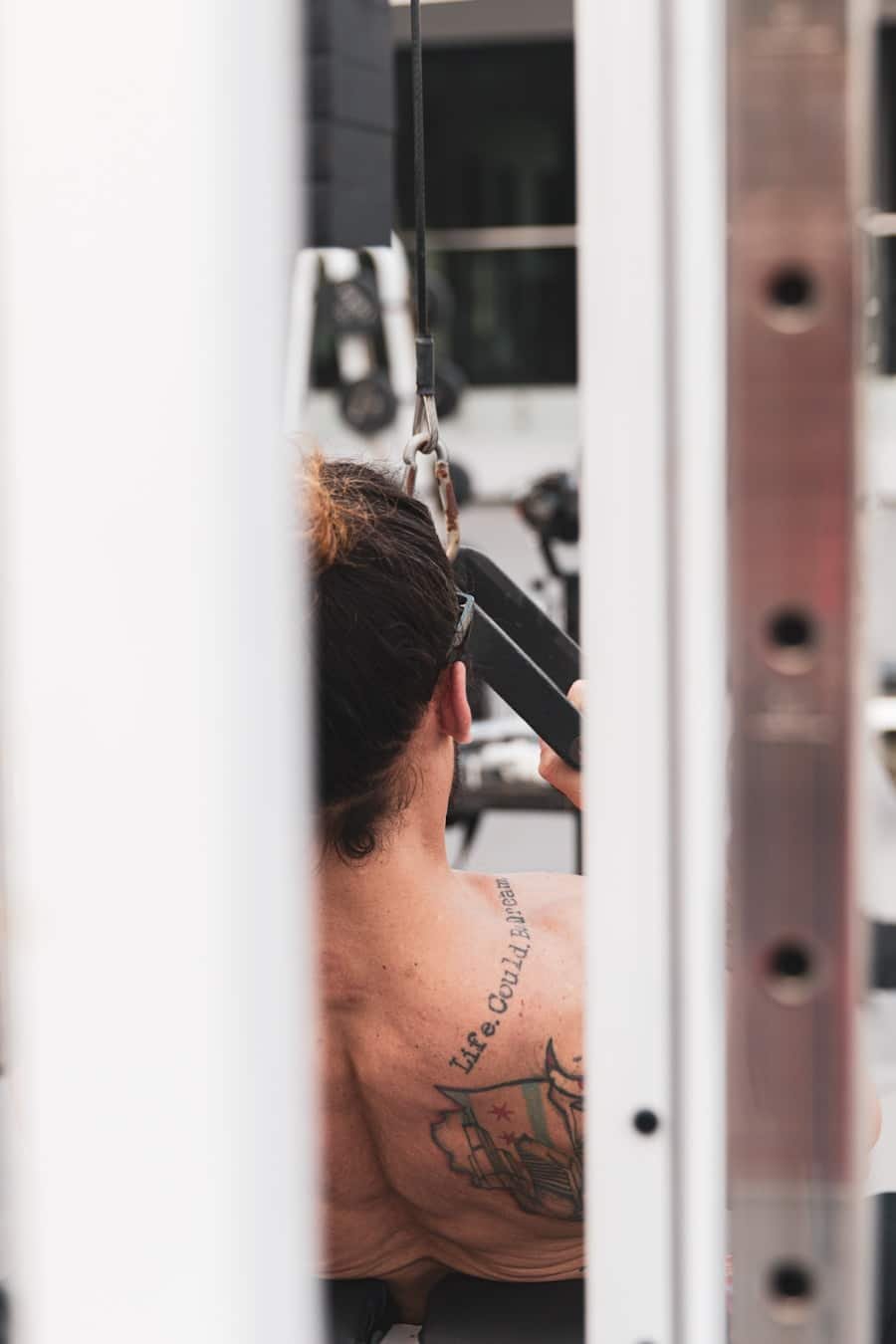
In today’s digital age, social media plays a significant role in shaping perceptions of body image, particularly in the realm of muscle building. Platforms like Instagram and TikTok are flooded with images and videos showcasing idealized physiques, often leading you to question your own progress and appearance. While these platforms can serve as sources of inspiration and motivation, they can also perpetuate unrealistic standards that may negatively impact your body image.
It’s essential to approach social media with a critical eye, recognizing that many images are curated and edited to present an idealized version of reality. To navigate the influence of social media effectively, consider curating your feed to include accounts that promote body positivity and realistic representations of fitness journeys. Engaging with content that celebrates diversity in body types and emphasizes health over aesthetics can help counteract negative comparisons.
Additionally, remember that social media often highlights only the highlights; behind every impressive transformation is a story filled with struggles and setbacks. By acknowledging this reality, you can foster a healthier relationship with both social media and your body image.
The Psychological Benefits of Muscle Building
The psychological benefits of muscle building extend far beyond physical appearance. As you engage in regular strength training, you may experience improvements in mood and mental clarity. Exercise has been shown to release endorphins, which are natural mood lifters that can help alleviate feelings of anxiety and depression.
The discipline required for muscle building can also instill a sense of routine and structure in your life, contributing to overall mental well-being. Moreover, the act of pushing through physical challenges in the gym can translate into increased resilience in other areas of life. As you learn to overcome obstacles during workouts, you may find yourself better equipped to handle stressors outside the gym.
This newfound resilience can enhance your problem-solving skills and improve your ability to cope with adversity. Ultimately, muscle building can serve as a powerful tool for personal growth, fostering not only physical strength but also mental fortitude.
The Potential Pitfalls of Muscle Building on Mental Health
While muscle building offers numerous benefits, it’s essential to be aware of potential pitfalls that may arise concerning mental health. One significant concern is the risk of developing an unhealthy obsession with fitness and appearance. As you become more invested in your muscle-building journey, it’s possible to fall into the trap of perfectionism, where you constantly strive for an unattainable ideal.
This mindset can lead to feelings of frustration and disappointment when progress stalls or when you don’t meet self-imposed standards. Additionally, the pressure to maintain a certain physique can result in unhealthy behaviors such as extreme dieting or overtraining. These practices not only jeopardize physical health but can also take a toll on mental well-being.
It’s crucial to prioritize balance and moderation in your approach to muscle building. By setting realistic goals and allowing yourself grace during setbacks, you can cultivate a healthier relationship with fitness that supports both physical and mental health.
How Muscle Building Can Influence Perceptions of Masculinity and Femininity
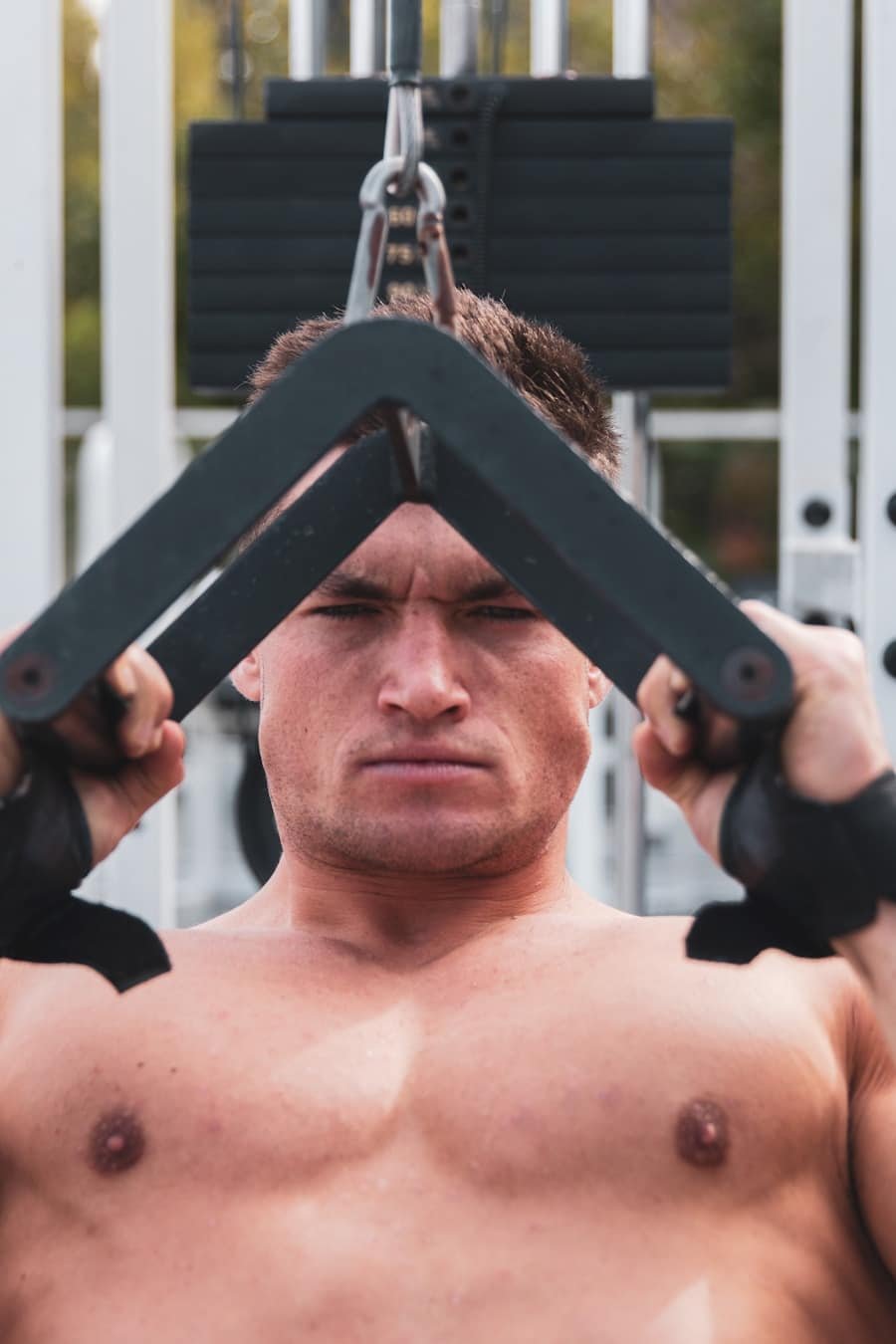
The Pressure to Conform to Traditional Masculinity
For many men, increased muscle mass is associated with traditional notions of masculinity, such as strength, power, and dominance. This cultural narrative can create pressure to conform to specific ideals, leading some men to pursue extreme muscle-building practices in an attempt to embody these traits fully.
The Complex Relationship Between Women and Strength Training
Conversely, women may face societal expectations that emphasize slenderness over muscularity, creating a complex relationship with strength training. While more women are embracing muscle building as a means of empowerment and self-expression, they may still grapple with societal messages that equate femininity with being petite or delicate.
Challenging Stereotypes and Embracing Diverse Representations of Strength
This tension can lead to internal conflict as women navigate their desire for strength alongside societal pressures regarding appearance. Ultimately, it’s essential to challenge these stereotypes and embrace diverse representations of strength that transcend traditional gender norms.
The Connection Between Muscle Dysmorphia and Muscle Building
Muscle dysmorphia is a psychological condition characterized by an obsessive preoccupation with perceived flaws in one’s muscularity or physique. This condition often affects individuals engaged in muscle building, leading them to constantly strive for an idealized version of their bodies that may be unattainable. If you find yourself fixated on achieving a specific look or feeling dissatisfied despite visible progress, it’s crucial to recognize these patterns as potential signs of muscle dysmorphia.
The pursuit of an ideal physique can become all-consuming for those affected by this condition, leading to detrimental behaviors such as excessive training or restrictive dieting. It’s essential to seek support if you suspect that muscle dysmorphia is impacting your mental health or overall well-being. Engaging with mental health professionals who specialize in body image issues can provide valuable insights and coping strategies to help you navigate these challenges.
Strategies for Promoting Positive Body Image and Self-esteem in Muscle Building
Promoting positive body image and self-esteem while engaging in muscle building requires intentional effort and self-reflection. One effective strategy is to practice self-compassion; treat yourself with kindness during setbacks or moments of self-doubt. Acknowledge that everyone’s journey is unique and that progress takes time.
By reframing negative self-talk into supportive affirmations, you can cultivate a more positive mindset. Additionally, consider setting goals that focus on performance rather than appearance. Instead of fixating solely on how your body looks, celebrate achievements such as lifting heavier weights or completing challenging workouts.
This shift in focus can help reinforce the idea that your worth is not solely tied to your physical appearance but also rooted in your dedication and perseverance. Engaging with supportive communities—whether online or in-person—can also foster a sense of belonging and encouragement throughout your muscle-building journey. Surrounding yourself with individuals who share similar goals and values can provide motivation while reinforcing positive body image messages.
Ultimately, by prioritizing self-acceptance and celebrating individual progress, you can create a healthier relationship with both muscle building and body image.
If you are interested in exploring the psychological aspects of muscle building further, you may want to check out this article on musclesbuilder.tips. This website offers valuable information on various topics related to muscle building, including meal plans for muscle gain and the amount of protein needed to build muscle effectively (source, source). Understanding the connection between body image, self-esteem, and muscle building can help individuals achieve their fitness goals in a healthy and sustainable way.
FAQs
What are the psychological aspects of muscle building?
The psychological aspects of muscle building include body image, self-esteem, motivation, and mental well-being. These aspects can have a significant impact on an individual’s overall experience with muscle building.
How does muscle building affect body image?
Muscle building can have a positive impact on body image for many individuals, as it can lead to increased muscle definition and a more toned physique. However, it can also contribute to body image issues, such as muscle dysmorphia, in which individuals become obsessed with achieving an unrealistic level of muscularity.
What role does self-esteem play in muscle building?
Self-esteem can be both positively and negatively affected by muscle building. Achieving fitness goals and improving physical appearance can boost self-esteem, while setbacks or comparisons to others can lead to decreased self-esteem.
How does muscle building impact motivation?
Muscle building can be a source of motivation for individuals, as they work towards achieving their fitness goals and improving their physical strength and appearance. However, it can also lead to feelings of frustration and demotivation if progress is slow or if individuals compare themselves to others.
What is the relationship between muscle building and mental well-being?
Engaging in muscle building activities, such as exercise, can have a positive impact on mental well-being by reducing stress, anxiety, and depression. However, excessive focus on muscle building or body image can contribute to mental health issues, such as body dysmorphic disorder or eating disorders.