As a vegetarian or vegan muscle builder, you may often find yourself navigating the complexities of protein intake. Protein is a crucial macronutrient that plays a vital role in muscle repair and growth. Unlike those who consume animal products, you might face unique challenges in meeting your protein needs.
Understanding the importance of protein can help you make informed dietary choices that support your fitness goals. Adequate protein intake is essential not only for muscle recovery but also for maintaining overall health and well-being. In your journey as a vegetarian or vegan, it’s important to recognize that protein is made up of amino acids, some of which are essential and must be obtained through your diet.
While animal proteins are considered complete, meaning they contain all essential amino acids, many plant-based proteins are incomplete. This means you need to be strategic about combining different protein sources to ensure you’re getting a full spectrum of amino acids. By prioritizing protein in your meals and snacks, you can effectively support your muscle-building efforts while adhering to your dietary preferences.
Key Takeaways
- Protein intake is crucial for muscle building in vegetarian and vegan diets
- Essential nutrients for muscle growth include iron, calcium, zinc, and vitamin B12
- Plant-based sources of protein for muscle building include tofu, tempeh, lentils, and quinoa
- Supplements such as pea protein powder and BCAAs can support muscle building in vegetarian and vegan diets
- Balancing macronutrients is important for muscle building, with a focus on adequate protein and healthy fats
Essential Nutrients for Muscle Growth in a Vegetarian or Vegan Diet
In addition to protein, there are several essential nutrients that play a significant role in muscle growth, particularly in a vegetarian or vegan diet. One of the most critical nutrients is iron, which is vital for oxygen transport in the blood and energy production. Plant-based sources of iron, such as lentils, chickpeas, and spinach, are often less bioavailable than their animal counterparts.
To enhance iron absorption, consider pairing these foods with vitamin C-rich options like citrus fruits or bell peppers. Another important nutrient to focus on is omega-3 fatty acids, which are known for their anti-inflammatory properties and role in muscle recovery. While fish is a common source of omega-3s, you can find plant-based alternatives in flaxseeds, chia seeds, and walnuts.
Additionally, vitamin B12 is crucial for energy metabolism and is primarily found in animal products. As a vegetarian or vegan, you may need to consider fortified foods or supplements to ensure you’re meeting your B12 needs. By paying attention to these essential nutrients, you can create a well-rounded diet that supports your muscle-building goals.
Plant-Based Sources of Protein for Muscle Building
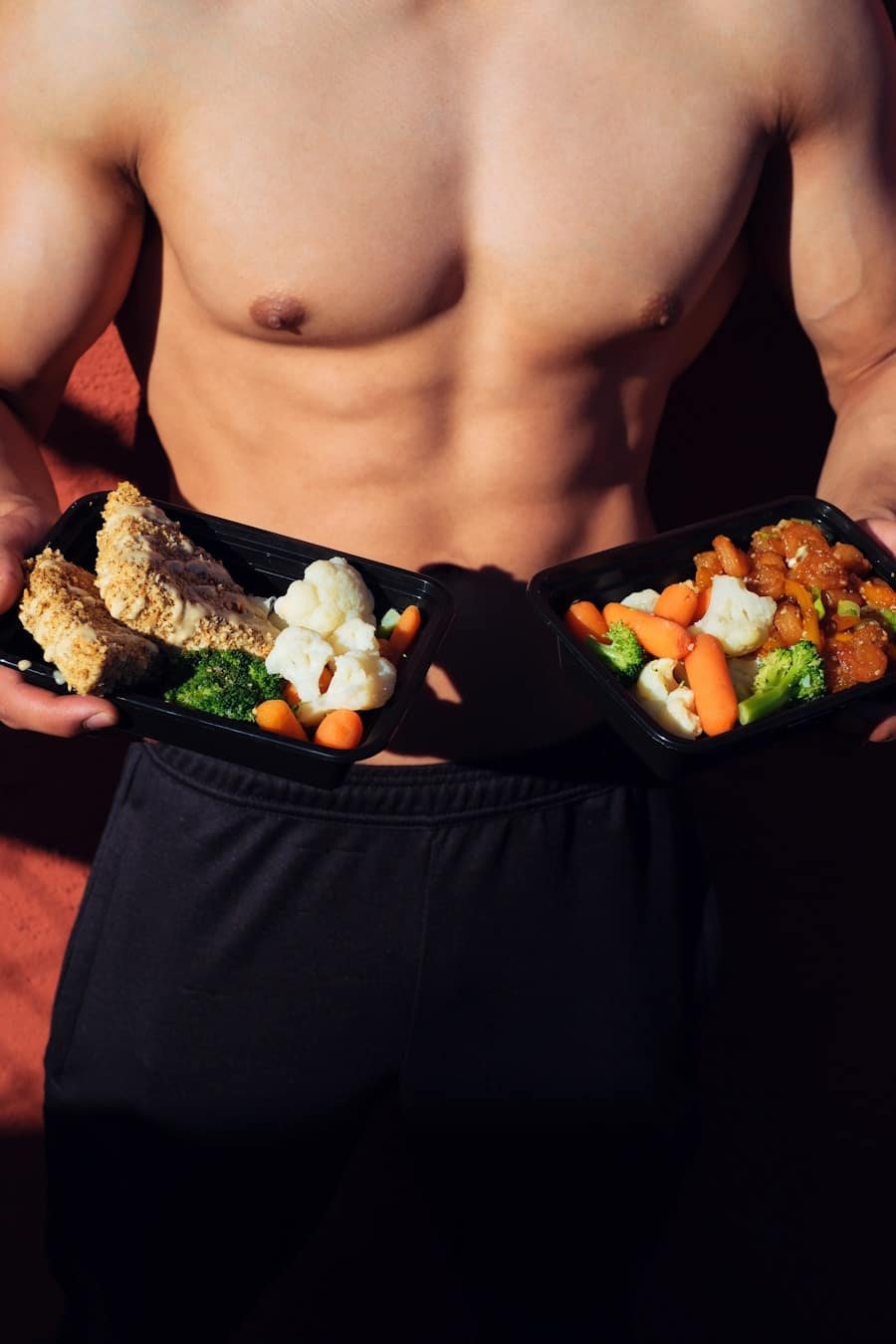
When it comes to building muscle on a vegetarian or vegan diet, knowing where to find quality protein sources is key. Legumes are among the best plant-based protein options available. Beans, lentils, and peas not only provide substantial protein but also offer fiber and other essential nutrients that contribute to overall health.
Incorporating a variety of legumes into your meals can help you meet your protein requirements while keeping your diet diverse and interesting. Nuts and seeds are another excellent source of protein that can easily be added to your diet. Almonds, pumpkin seeds, and hemp seeds are particularly high in protein and can be sprinkled on salads, blended into smoothies, or enjoyed as snacks.
Additionally, whole grains like quinoa and farro provide a good balance of carbohydrates and protein, making them ideal for muscle recovery after workouts. By diversifying your protein sources and including a mix of legumes, nuts, seeds, and whole grains, you can effectively support your muscle-building efforts while enjoying a delicious array of foods.
The Role of Supplements in a Vegetarian or Vegan Muscle Building Diet
While it’s possible to meet your nutritional needs through whole foods alone, supplements can play a valuable role in supporting your muscle-building journey as a vegetarian or vegan. Protein powders derived from plants—such as pea protein, brown rice protein, or hemp protein—can be convenient options for increasing your protein intake without having to consume large quantities of food. These supplements can be particularly useful post-workout when your body requires quick access to amino acids for recovery.
In addition to protein powders, other supplements may be beneficial for vegetarians and vegans focused on muscle growth. Creatine is one such supplement that has been shown to enhance strength and muscle mass. While creatine is naturally found in animal products, plant-based versions are available that can help you achieve similar benefits.
Omega-3 supplements derived from algae can also be an excellent choice for ensuring adequate intake of these essential fatty acids without relying on fish oil. By carefully selecting supplements that align with your dietary preferences, you can further optimize your muscle-building potential.
Balancing Macronutrients in a Vegetarian or Vegan Muscle Building Diet
Achieving the right balance of macronutrients—proteins, carbohydrates, and fats—is crucial for anyone looking to build muscle, especially on a vegetarian or vegan diet. While protein is essential for muscle repair and growth, carbohydrates play a vital role in providing the energy needed for intense workouts. As you plan your meals, aim to include complex carbohydrates such as whole grains, fruits, and vegetables to fuel your body effectively.
Fats should not be overlooked either; they are essential for hormone production and overall health. Focus on incorporating healthy fats from sources like avocados, nuts, seeds, and olive oil into your diet. A well-rounded approach to macronutrients will not only support muscle growth but also enhance your overall performance and recovery.
By being mindful of how you balance these macronutrients, you can create a diet that aligns with your fitness goals while adhering to your vegetarian or vegan lifestyle.
Meal Planning and Timing for Vegetarian or Vegan Muscle Builders
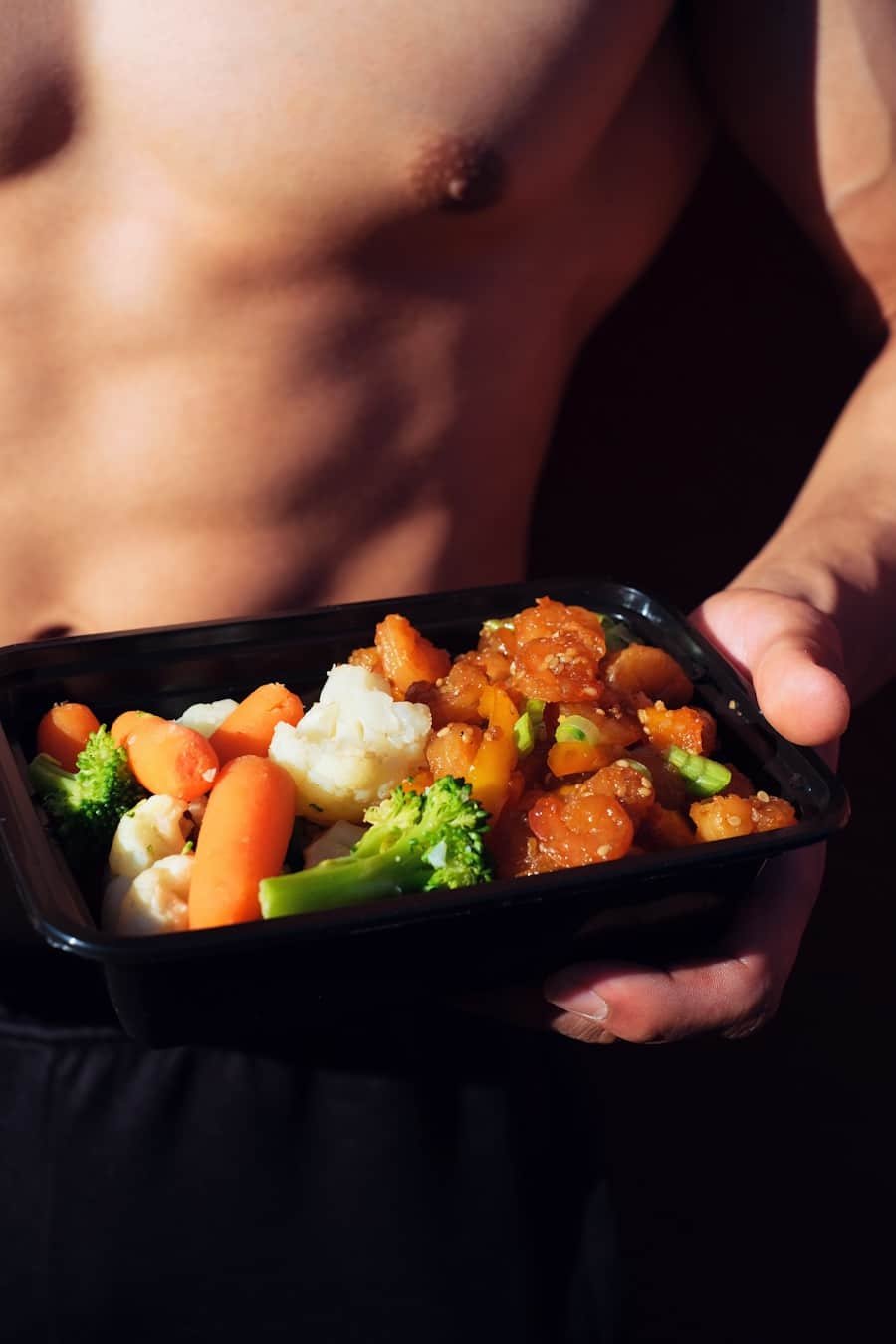
Meal planning is an essential strategy for anyone serious about building muscle on a vegetarian or vegan diet. By preparing meals in advance, you can ensure that you have access to nutritious options that meet your protein needs throughout the week. Consider dedicating time each week to batch-cook meals that incorporate a variety of protein sources along with healthy carbohydrates and fats.
This will not only save you time but also help you avoid the temptation of less nutritious convenience foods. Timing your meals around workouts is another critical aspect of optimizing muscle growth. Consuming a balanced meal or snack containing both protein and carbohydrates within 30 minutes to two hours after exercising can significantly enhance recovery and promote muscle synthesis.
For example, a smoothie made with plant-based protein powder, banana, and spinach can provide the necessary nutrients to support recovery while being quick and easy to prepare. By being intentional about meal planning and timing, you can maximize the effectiveness of your training regimen.
Common Pitfalls to Avoid in a Vegetarian or Vegan Muscle Building Diet
As you embark on your journey as a vegetarian or vegan muscle builder, it’s important to be aware of common pitfalls that could hinder your progress. One major mistake is underestimating your protein needs or failing to consume enough variety in your diet. Relying solely on one or two sources of protein can lead to deficiencies in essential amino acids and other nutrients necessary for muscle growth.
Make it a point to diversify your protein sources to ensure you’re getting all the nutrients required for optimal performance. Another pitfall is neglecting calorie intake altogether. Many individuals transitioning to a vegetarian or vegan diet may inadvertently consume fewer calories than needed due to the lower energy density of plant-based foods.
This can lead to fatigue and hinder muscle growth. To avoid this issue, focus on incorporating calorie-dense foods like nuts, seeds, avocados, and whole grains into your meals while ensuring you’re meeting your overall caloric needs.
Tips for Optimizing Muscle Growth on a Vegetarian or Vegan Diet
To truly optimize muscle growth on a vegetarian or vegan diet, consider implementing several practical tips into your routine. First and foremost, prioritize whole foods over processed options whenever possible. Whole foods tend to be more nutrient-dense and provide the vitamins and minerals necessary for recovery and growth.
Additionally, consider tracking your food intake using apps or journals to ensure you’re meeting your macronutrient goals consistently. Experimenting with different recipes can also keep your meals exciting while ensuring you’re getting adequate nutrition. Try incorporating new ingredients like tempeh or seitan into stir-fries or salads for added protein diversity.
Lastly, don’t hesitate to seek guidance from nutritionists or dietitians who specialize in plant-based diets; they can provide personalized advice tailored to your specific needs and goals. By following these tips and remaining committed to your dietary choices, you can successfully build muscle while enjoying the benefits of a vegetarian or vegan lifestyle.
If you are looking to build muscle fast as a vegetarian or vegan, it is important to consider not only your diet but also the supplements you are taking. In addition to specific dietary considerations, incorporating muscle-building supplements can help you achieve your fitness goals more efficiently. For more information on how to build muscle fast, check out this article on musclesbuilder.tips.
FAQs
What are some important dietary considerations for vegetarian or vegan muscle builders?
Some important dietary considerations for vegetarian or vegan muscle builders include ensuring adequate protein intake, consuming a variety of plant-based protein sources, incorporating sources of essential amino acids, and paying attention to overall calorie and nutrient intake.
How can vegetarian or vegan muscle builders ensure they are getting enough protein in their diet?
Vegetarian or vegan muscle builders can ensure they are getting enough protein in their diet by incorporating plant-based protein sources such as legumes, tofu, tempeh, seitan, quinoa, nuts, seeds, and soy products. They can also consider using protein supplements such as pea protein, rice protein, or hemp protein.
What are some sources of essential amino acids for vegetarian or vegan muscle builders?
Sources of essential amino acids for vegetarian or vegan muscle builders include quinoa, soy products, chia seeds, hemp seeds, and a variety of legumes such as lentils, chickpeas, and black beans. Consuming a combination of these foods can help ensure adequate intake of essential amino acids.
Are there any specific nutrients that vegetarian or vegan muscle builders should pay attention to in their diet?
Vegetarian or vegan muscle builders should pay attention to their intake of nutrients such as iron, calcium, vitamin B12, omega-3 fatty acids, and zinc. These nutrients can sometimes be lacking in a plant-based diet and may require supplementation or careful food choices to ensure adequate intake.
What are some tips for vegetarian or vegan muscle builders to optimize their diet for muscle building?
Some tips for vegetarian or vegan muscle builders to optimize their diet for muscle building include consuming a variety of plant-based protein sources, incorporating sources of essential amino acids, paying attention to overall calorie and macronutrient intake, and considering supplementation for certain nutrients that may be lacking in a plant-based diet. Additionally, focusing on whole, nutrient-dense foods and staying hydrated can also support muscle building efforts.