As you age, maintaining muscle mass becomes increasingly vital for your overall health and well-being. Muscle building is not just about aesthetics; it plays a crucial role in functional fitness, which is essential for daily activities. As you grow older, you may experience a natural decline in muscle mass, known as sarcopenia.
This condition can lead to decreased strength, balance issues, and an increased risk of falls. By engaging in muscle-building activities, you can counteract these effects, enhancing your ability to perform everyday tasks with ease and confidence. Moreover, muscle building contributes significantly to your metabolic health.
As you develop more muscle, your body becomes more efficient at burning calories, which can help manage weight and reduce the risk of chronic diseases such as diabetes and heart disease. Additionally, stronger muscles support your joints and bones, reducing the likelihood of injuries and fractures. Therefore, prioritizing muscle building is not merely a fitness goal; it is a fundamental aspect of maintaining your independence and quality of life as you age.
Key Takeaways
- Muscle building is important for older adults to maintain strength, mobility, and independence as they age.
- Benefits of muscle building for older adults include improved bone density, metabolism, and overall quality of life.
- Common misconceptions about muscle building for older adults include the belief that it is unsafe or unnecessary at an older age.
- Best practices for muscle building for older adults include starting with light weights, focusing on proper form, and gradually increasing intensity.
- Nutrition plays a crucial role in muscle building for older adults, with a focus on protein intake and hydration.
Benefits of Muscle Building for Older Adults
The benefits of muscle building extend far beyond physical appearance. One of the most significant advantages is improved strength and endurance. As you engage in resistance training, you will notice that everyday tasks, such as lifting groceries or climbing stairs, become less daunting.
This newfound strength can enhance your confidence and encourage you to remain active, which is essential for both physical and mental health. In addition to physical benefits, muscle building has profound effects on mental well-being. Engaging in regular exercise releases endorphins, which can elevate your mood and reduce feelings of anxiety or depression.
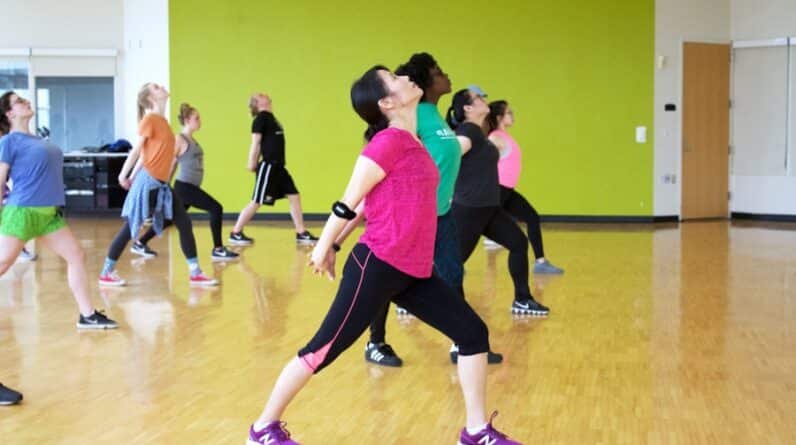
Furthermore, the sense of accomplishment that comes from achieving fitness goals can boost your self-esteem and motivation. Social interactions in group classes or workout sessions can also foster a sense of community, combating feelings of loneliness that some older adults may experience.
Common Misconceptions about Muscle Building for Older Adults
Despite the numerous benefits of muscle building, several misconceptions may deter you from starting or continuing a strength training regimen. One common myth is that lifting weights will make you bulky or overly muscular. In reality, building significant muscle mass requires specific training and dietary strategies that most older adults do not pursue.
Instead, your focus should be on developing functional strength that enhances your daily life without the concern of becoming overly muscular. Another misconception is that older adults should avoid strength training due to the risk of injury. While it is true that safety is paramount, when done correctly, resistance training can actually reduce the risk of injury by strengthening muscles and improving balance.
Many older adults fear that they are too frail to lift weights; however, with proper guidance and a tailored program, you can safely engage in muscle-building activities that suit your individual capabilities.
Best Practices for Muscle Building for Older Adults
To maximize the benefits of muscle building, it is essential to adopt best practices tailored to your needs as an older adult. First and foremost, start with a comprehensive assessment of your current fitness level. Consulting with a healthcare professional or a certified trainer who specializes in working with older adults can help you create a personalized plan that considers any pre-existing conditions or limitations.
Incorporating a variety of exercises into your routine is also crucial. Focus on compound movements that engage multiple muscle groups, such as squats, lunges, and push-ups. These exercises not only build strength but also improve coordination and balance.
Aim for at least two to three sessions per week, allowing adequate recovery time between workouts to prevent overexertion. Remember to listen to your body; if something feels uncomfortable or painful, it’s essential to modify the exercise or seek professional advice.
Nutrition and Muscle Building for Older Adults
Nutrition plays a pivotal role in supporting your muscle-building efforts. As you age, your body’s protein needs may increase to help maintain and build muscle mass. Incorporating high-quality protein sources into your diet—such as lean meats, fish, eggs, dairy products, legumes, and nuts—can provide the necessary building blocks for muscle repair and growth.
Aim to include protein in every meal to optimize muscle synthesis throughout the day. In addition to protein, don’t overlook the importance of other nutrients that support overall health and muscle function. Adequate hydration is essential; as you age, your sense of thirst may diminish, so make a conscious effort to drink enough water throughout the day.
Additionally, ensure you are getting sufficient vitamins and minerals—particularly calcium and vitamin D—to support bone health. A well-rounded diet rich in fruits, vegetables, whole grains, and healthy fats will provide the energy needed for your workouts while promoting recovery.
Safety Considerations for Muscle Building for Older Adults

Safety should always be a top priority when engaging in muscle-building activities. Before starting any new exercise program, it’s wise to consult with your healthcare provider, especially if you have existing health conditions or concerns. They can help determine any limitations or precautions you should take.
When exercising, focus on proper form and technique to minimize the risk of injury. It may be beneficial to work with a qualified trainer who can guide you through exercises and ensure you are using the correct posture. Additionally, consider starting with lighter weights or resistance bands before progressing to heavier loads as your strength improves.
Always warm up before workouts and cool down afterward to prepare your muscles for activity and aid recovery.
Sample Muscle Building Workout for Older Adults
Creating a balanced workout routine can be straightforward and enjoyable. A sample muscle-building workout for older adults might include exercises such as seated leg presses, dumbbell shoulder presses, resistance band rows, and bodyweight squats. Aim for 8-12 repetitions of each exercise for 2-3 sets, allowing rest periods between sets.
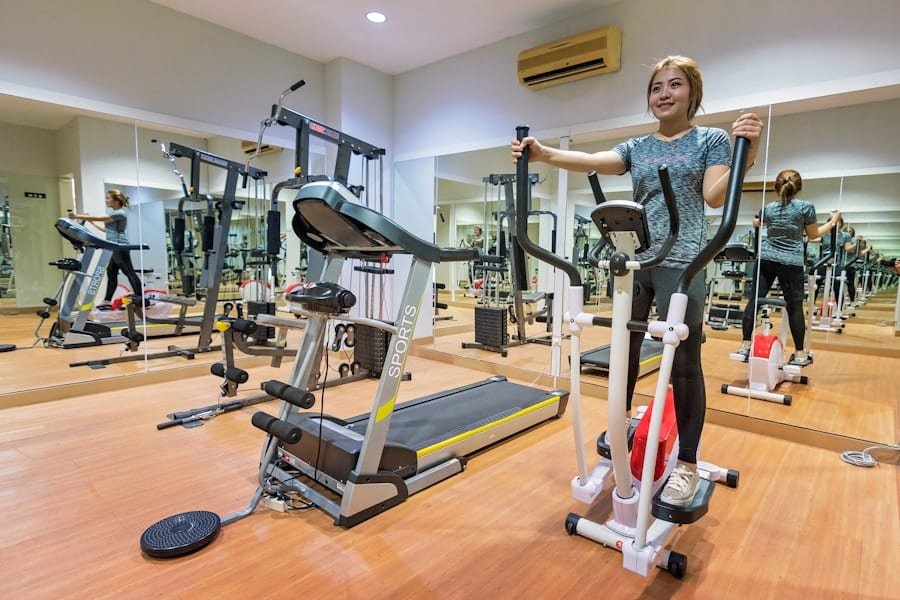
For example, you could start with a warm-up consisting of light cardio—like walking or cycling—for 5-10 minutes to get your blood flowing. Then move on to strength exercises: begin with seated leg presses using a machine or resistance bands to target your lower body. Follow this with dumbbell shoulder presses to strengthen your upper body.
Incorporate resistance band rows to work on back strength and finish with bodyweight squats to engage your core and legs. Conclude with stretching exercises to improve flexibility and promote recovery.
Overcoming Challenges in Muscle Building for Older Adults
You may encounter various challenges when embarking on a muscle-building journey as an older adult. One common hurdle is motivation; it can be difficult to stay committed when results seem slow or when life gets busy. To overcome this challenge, set realistic goals that are specific and measurable.
Celebrate small victories along the way—whether it’s lifting slightly heavier weights or completing an extra set—to keep yourself motivated. Another challenge may be physical limitations or discomfort during exercise. It’s essential to listen to your body and adjust your routine accordingly.
If certain movements cause pain or discomfort, consider alternative exercises that target the same muscle groups without straining your body. Joining a group class or finding a workout buddy can also provide accountability and encouragement as you navigate any obstacles together. In conclusion, muscle building is an essential component of healthy aging that offers numerous benefits for older adults.
By understanding its importance, dispelling misconceptions, following best practices, focusing on nutrition, prioritizing safety, creating effective workout routines, and overcoming challenges, you can embark on a rewarding journey toward improved strength and overall well-being. Embrace this opportunity to enhance your quality of life and maintain independence as you age gracefully.
For older adults looking to build muscle and maintain their fitness as they age, incorporating rest-pause sets for maximum muscle stimulation can be a game-changer. This technique allows for more intensity and volume in workouts, leading to greater muscle growth and strength gains. To complement this training strategy, following a plant-based muscle gain diet can also be beneficial. This article provides valuable insights and tips on how to optimize your nutrition to support muscle building while following a vegetarian or vegan diet. Check out the full article here.
FAQs
What are the benefits of muscle building for older adults?
Muscle building for older adults can help improve strength, balance, and flexibility, which can reduce the risk of falls and injuries. It can also help maintain bone density and metabolism, and improve overall quality of life.
Is it safe for older adults to engage in muscle building exercises?
Yes, with proper guidance and supervision, muscle building exercises can be safe for older adults. It is important to start with light weights and gradually increase intensity to avoid injury.
What are some effective muscle building exercises for older adults?
Effective muscle building exercises for older adults include bodyweight exercises such as squats, lunges, and push-ups, as well as resistance training using bands or light weights. It is important to focus on all major muscle groups for overall strength and balance.
How often should older adults engage in muscle building exercises?
Older adults should aim to engage in muscle building exercises at least 2-3 times per week, with rest days in between to allow for muscle recovery. It is important to listen to the body and not overexert oneself.
Are there any dietary considerations for older adults engaging in muscle building?
Older adults engaging in muscle building should ensure they are consuming enough protein to support muscle growth and repair. It is also important to stay hydrated and maintain a balanced diet with plenty of fruits, vegetables, and whole grains. Consulting with a healthcare professional or nutritionist may be beneficial.