
When you embark on your fitness journey, especially if your goal is to build muscle, you may find yourself inundated with a plethora of terms and jargon that can be overwhelming. Understanding the language of muscle building is crucial for anyone looking to optimize their workouts and achieve their desired physique. This glossary serves as a foundational tool, helping you navigate the complex world of fitness terminology.
By familiarizing yourself with these key concepts, you will not only enhance your knowledge but also empower yourself to make informed decisions about your training and nutrition. As you delve deeper into the realm of muscle building, you will encounter terms that describe physiological processes, nutritional components, and training methodologies. Each term plays a significant role in your overall understanding of how to effectively build muscle and improve your physical performance.
Whether you are a novice or an experienced lifter, having a solid grasp of these concepts will enable you to communicate more effectively with trainers, nutritionists, and fellow fitness enthusiasts. So, let’s explore the essential terms that will guide you on your path to muscle growth and strength.
In the world of muscle building, understanding the difference between anabolic and catabolic states is fundamental. Anabolic processes are those that promote tissue growth and repair, particularly in muscles. When you engage in resistance training, your body enters an anabolic state where it synthesizes proteins to build new muscle fibers.
This is the phase where your hard work in the gym translates into visible gains. To support this anabolic environment, it’s essential to consume adequate nutrients, particularly proteins and carbohydrates, which provide the building blocks for muscle repair and growth. Conversely, catabolic processes involve the breakdown of tissues, including muscle fibers.
This state can occur during intense exercise or when your body is under stress due to inadequate nutrition or insufficient recovery. When in a catabolic state, your body may start to utilize muscle tissue for energy, which is counterproductive to your goals of building strength and size. To maintain an anabolic environment, it’s crucial to balance your training intensity with proper nutrition and recovery strategies.
By understanding these two opposing states, you can better tailor your approach to ensure that you remain in an anabolic state as much as possible.
Key Takeaways
- Understanding the difference between anabolic and catabolic processes is crucial for muscle building.
- Protein synthesis is the process by which cells build new proteins, essential for muscle growth and repair.
- Amino acids are the building blocks of proteins and play a key role in muscle building and recovery.
- Testosterone is a hormone that plays a significant role in muscle growth and development.
- Hypertrophy refers to the increase in muscle size, a key goal of muscle building.
Protein Synthesis
Protein synthesis is a vital process that occurs in your body whenever you engage in resistance training or any form of physical activity that stresses your muscles. This process involves the creation of new proteins from amino acids, which are the building blocks of muscle tissue. When you lift weights or perform high-intensity workouts, tiny tears occur in your muscle fibers.
Your body responds by initiating protein synthesis to repair these tears, ultimately leading to muscle growth and increased strength. To maximize protein synthesis, it’s essential to consume an adequate amount of protein in your diet. Research suggests that consuming protein shortly after your workout can significantly enhance this process.
This is often referred to as the “anabolic window,” a period where your muscles are particularly receptive to nutrients. By ensuring that you have a protein-rich meal or snack post-workout, you can provide your body with the necessary amino acids it needs to kickstart recovery and promote muscle growth. Understanding protein synthesis will help you appreciate the importance of nutrition in your training regimen.
Amino Acids

Amino acids are often referred to as the building blocks of life, and they play a crucial role in muscle building and recovery. There are 20 different amino acids, nine of which are considered essential because your body cannot produce them on its own; they must be obtained through your diet. These essential amino acids are particularly important for muscle repair and growth following exercise.
Among them, leucine stands out as a key player in stimulating protein synthesis, making it vital for anyone looking to build muscle. Incorporating a variety of protein sources into your diet can help ensure that you receive all the essential amino acids necessary for optimal muscle function. Animal-based proteins such as meat, dairy, and eggs are complete proteins, meaning they contain all nine essential amino acids.
On the other hand, many plant-based proteins may lack one or more essential amino acids but can be combined to create a complete profile. For example, pairing rice with beans provides a full spectrum of amino acids. By understanding the role of amino acids in muscle building, you can make more informed dietary choices that support your fitness goals.
Testosterone
Testosterone is often hailed as the primary hormone responsible for muscle growth and development in both men and women, albeit at different levels. This hormone plays a significant role in promoting protein synthesis, increasing muscle mass, and enhancing strength. Higher testosterone levels are generally associated with improved athletic performance and greater gains from resistance training.
As you pursue your fitness goals, understanding how testosterone functions can help you optimize your training and lifestyle choices. Several factors can influence testosterone levels, including age, diet, exercise habits, and sleep quality. Engaging in regular strength training has been shown to boost testosterone levels temporarily, making it an essential component of any muscle-building program.
Additionally, ensuring that you consume healthy fats—such as those found in avocados, nuts, and olive oil—can support hormone production. Prioritizing sleep and managing stress levels are also crucial for maintaining optimal testosterone levels. By being mindful of these factors, you can create an environment conducive to maximizing your muscle-building potential.
Hypertrophy
Understanding the Two Types of Hypertrophy
Hypertrophy refers to the increase in muscle size resulting from resistance training and is a primary goal for many individuals looking to build strength and improve their physique. There are two types of hypertrophy: myofibrillar hypertrophy, which focuses on increasing the size of muscle fibers themselves, and sarcoplasmic hypertrophy, which increases the volume of sarcoplasm—the fluid surrounding muscle fibers—leading to greater endurance capabilities.
Effective Training Techniques for Hypertrophy
To achieve hypertrophy effectively, it’s essential to incorporate various training techniques into your routine. This may include adjusting your rep ranges, utilizing different exercises targeting specific muscle groups, and varying your rest periods between sets. Progressive overload—gradually increasing the weight or resistance used during workouts—is also critical for stimulating hypertrophy.
Challenging Your Muscles for Growth
By consistently challenging your muscles beyond their current capabilities, you encourage them to adapt and grow larger over time.
Progressive Overload
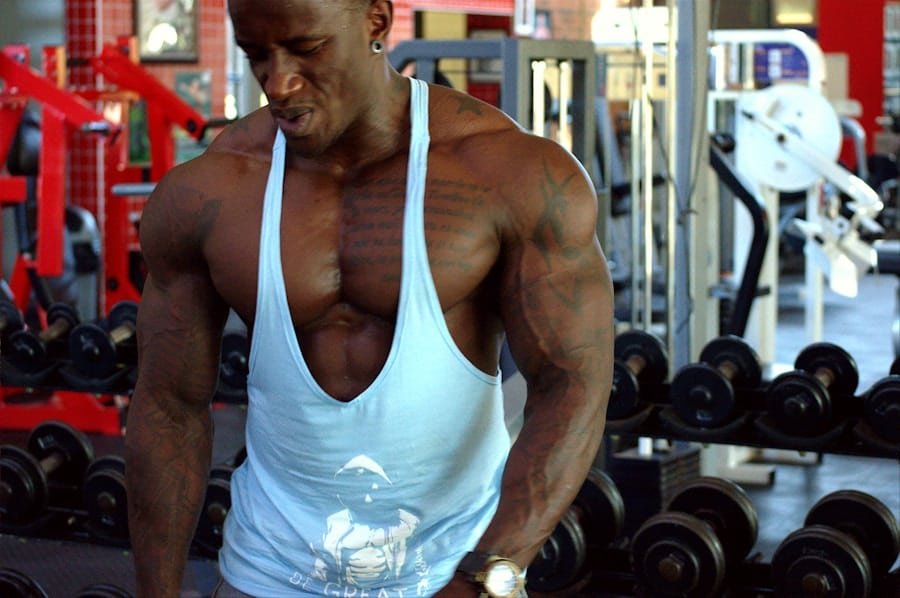
Progressive overload is a fundamental principle in strength training that involves gradually increasing the demands placed on your muscles over time. This concept is crucial for stimulating muscle growth and improving overall strength. Without progressive overload, your muscles may adapt to a specific workload, leading to plateaus in performance and gains.
To continue making progress toward your fitness goals, it’s essential to implement strategies that challenge your muscles consistently. There are several ways to achieve progressive overload in your training regimen. You can increase the weight lifted during exercises, increase the number of repetitions or sets performed, or reduce rest periods between sets to enhance intensity.
Additionally, incorporating variations of exercises can also provide new challenges for your muscles. By regularly assessing your progress and making adjustments to your workouts accordingly, you can ensure that you are continually pushing yourself toward greater strength and size.
Recovery and Rest
Recovery and rest are often overlooked aspects of any successful muscle-building program but are just as important as training itself. When you work out, especially during intense resistance training sessions, you create micro-tears in your muscles that need time to heal. This healing process occurs during rest periods when your body repairs damaged tissues and builds new muscle fibers through protein synthesis.
Without adequate recovery time, you risk overtraining and may hinder your progress. To optimize recovery, it’s essential to prioritize sleep quality and duration since this is when most repair processes occur. Aim for 7-9 hours of quality sleep each night to support hormonal balance and overall recovery.
Additionally, incorporating active recovery days—where you engage in low-intensity activities such as walking or yoga—can help promote blood flow to sore muscles without adding additional strain. Nutrition also plays a critical role in recovery; consuming a balanced diet rich in proteins, carbohydrates, and healthy fats will provide the necessary nutrients for optimal healing. By recognizing the importance of recovery and rest in your training regimen, you can enhance your performance and achieve better results over time.
In conclusion, understanding these key concepts related to muscle building will empower you on your fitness journey. From grasping the differences between anabolic and catabolic states to recognizing the significance of recovery and rest, each element plays a vital role in achieving your goals. By applying this knowledge effectively in both training and nutrition strategies, you will be well-equipped to maximize your potential for muscle growth and overall physical performance.
If you’re looking to build muscle and burn fat, you may want to check out this article on musclesbuilder.tips. It provides valuable information on how to effectively combine workouts to achieve both goals simultaneously. Understanding the importance of a well-rounded workout plan is crucial for beginners, especially females. For those wondering how long it takes to build muscle, another informative article on musclesbuilder.tips breaks down the process and offers realistic timelines for muscle growth. These resources can complement the Muscle Builders Glossary by providing practical insights into achieving your fitness goals.
FAQs
What is a muscle builder?
A muscle builder is a substance or activity that is used to increase muscle mass, strength, and endurance. This can include supplements, exercises, and dietary changes.
What are essential terms and concepts related to muscle building?
Essential terms and concepts related to muscle building include protein synthesis, hypertrophy, macronutrients, resistance training, and anabolic steroids.
What is protein synthesis in muscle building?
Protein synthesis is the process by which cells build new proteins. In the context of muscle building, protein synthesis is essential for repairing and building muscle tissue after exercise.
What is hypertrophy in muscle building?
Hypertrophy refers to the increase in the size of muscle cells. This is a common goal of muscle building and is typically achieved through resistance training and proper nutrition.
What are macronutrients in muscle building?
Macronutrients are nutrients that provide energy and are required in large amounts by the body. In muscle building, the three main macronutrients are protein, carbohydrates, and fats.
What is resistance training in muscle building?
Resistance training is a form of exercise that uses resistance to improve muscle strength, endurance, and size. This can include weightlifting, bodyweight exercises, and resistance bands.
What are anabolic steroids in muscle building?
Anabolic steroids are synthetic variations of the male sex hormone testosterone. They are often used illegally to increase muscle mass and improve athletic performance, but they can have serious side effects and are banned in most sports.