
Functional strength refers to the ability to perform everyday activities with ease and efficiency. It emphasizes the development of strength that is applicable to real-life situations rather than just focusing on aesthetics or isolated muscle groups. When you engage in functional strength training, you are training your body to work as a cohesive unit, enhancing your overall physical capabilities.
This type of training often involves multi-joint movements that mimic the actions you perform in daily life, such as lifting, bending, and twisting. In essence, functional strength is about building a foundation that supports your body’s natural movements. It encourages the use of multiple muscle groups simultaneously, which not only improves strength but also enhances coordination and balance.
By focusing on functional strength, you are preparing your body to handle the physical demands of daily tasks, whether it’s carrying groceries, playing with your children, or participating in sports. This holistic approach to strength training can lead to improved performance in various activities and a reduced risk of injury.
Key Takeaways
- Functional strength refers to the ability to perform everyday activities with ease and efficiency, using muscles in a coordinated manner.
- Functional strength training can improve balance, flexibility, and stability, reducing the risk of injury and enhancing overall physical performance.
- Exercises for functional strength include squats, lunges, deadlifts, push-ups, and planks, focusing on multi-joint movements that mimic real-life activities.
- Incorporating functional strength into your workout routine can be achieved by adding bodyweight exercises, using resistance bands, and incorporating functional movements into traditional strength training exercises.
- Functional strength can improve your ability to perform daily tasks, such as lifting groceries, carrying children, and maintaining good posture, ultimately enhancing your quality of life.
The Benefits of Functional Strength Training
Enhanced Physical Performance
By training your body to move efficiently and effectively, you can improve your agility, balance, and coordination. This translates into better performance in sports and recreational activities, allowing you to enjoy a more active lifestyle.
Injury Prevention
Functional strength training can significantly reduce the risk of injury. By strengthening the muscles, tendons, and ligaments that support your joints, you create a more stable foundation for movement. This stability is crucial for preventing injuries during both everyday activities and high-intensity workouts.
Improved Posture and Overall Well-being
Additionally, functional strength training can improve your posture and alignment, further contributing to injury prevention and overall well-being.
Exercises for Functional Strength
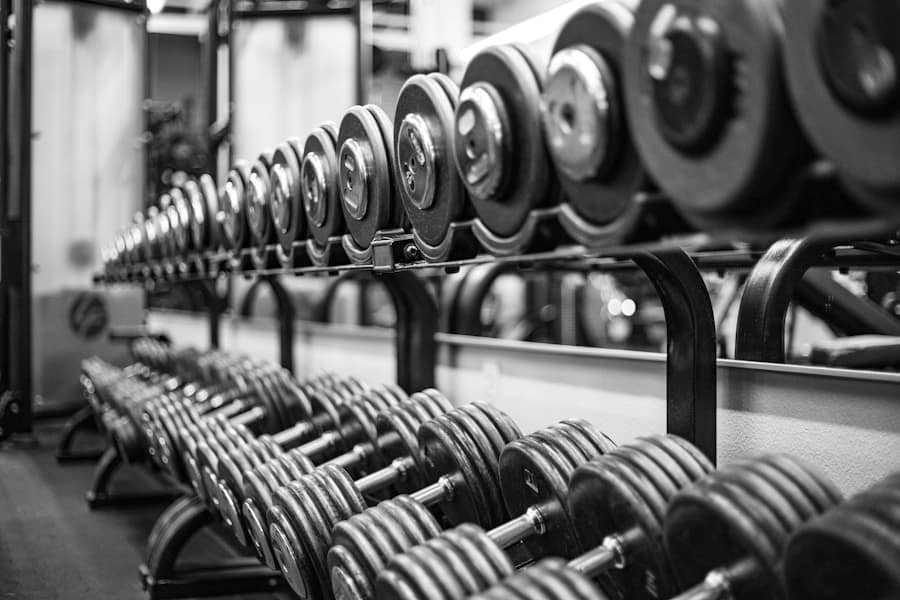
When it comes to exercises that promote functional strength, variety is key. Movements that engage multiple muscle groups and mimic real-life activities are particularly effective. For instance, squats are a fundamental exercise that not only strengthens your legs but also engages your core and improves your balance.
You can perform squats with or without weights, making them adaptable to your fitness level. Another excellent exercise for building functional strength is the deadlift. This movement mimics the action of picking up heavy objects from the ground, making it highly relevant to daily life.
Deadlifts engage your entire posterior chain, including your back, glutes, and hamstrings. Incorporating variations such as sumo deadlifts or single-leg deadlifts can further enhance your strength and stability.
Incorporating Functional Strength into Your Workout Routine
Integrating functional strength training into your workout routine doesn’t have to be complicated. Start by assessing your current fitness level and identifying areas where you want to improve. You can then design a program that includes a mix of functional exercises tailored to your goals.
Aim for at least two to three sessions per week dedicated to functional strength training. To keep your workouts engaging, consider incorporating circuit training or high-intensity interval training (HIIT) that focuses on functional movements. This approach not only builds strength but also boosts cardiovascular fitness.
Additionally, don’t hesitate to explore different environments for your workouts; outdoor settings or group classes can provide a refreshing change of pace while still focusing on functional strength.
Functional Strength for Everyday Activities
One of the most compelling aspects of functional strength training is its direct application to everyday activities. Think about the tasks you perform daily—lifting boxes, climbing stairs, or even playing with your kids. By developing functional strength, you enhance your ability to perform these tasks with greater ease and efficiency.
For instance, improved leg strength from squats can make climbing stairs feel less daunting. Furthermore, functional strength can enhance your overall quality of life by enabling you to engage in activities you love without fear of injury or fatigue. Whether it’s gardening, hiking, or playing sports, having a strong foundation allows you to enjoy these pursuits more fully.
You may find that you have more energy throughout the day and feel less fatigued after completing daily chores.
How Functional Strength Can Improve Your Quality of Life
Enhanced Mobility and Balance
This is particularly important for older adults who may face challenges with mobility and balance.
Boosting Confidence
Moreover, the psychological benefits of functional strength training are significant. As you become stronger and more capable, your confidence levels may rise. You might find yourself more willing to take on new challenges or engage in social activities that require physical exertion.
A More Fulfilling Life
This newfound confidence can lead to a more fulfilling life overall, as you embrace opportunities for adventure and connection with others.
Common Misconceptions about Functional Strength Training
Despite its many benefits, there are several misconceptions surrounding functional strength training that may deter individuals from incorporating it into their routines. One common myth is that functional training is only for athletes or those who are already fit. In reality, functional strength training is accessible to individuals of all fitness levels.
Whether you’re a beginner or an experienced athlete, there are exercises and modifications that can cater to your specific needs. Another misconception is that functional strength training requires expensive equipment or access to a gym. While certain exercises can be performed with weights or machines, many functional movements can be done using just your body weight or minimal equipment like resistance bands or kettlebells.
This makes it easy to incorporate functional strength training into your home workouts or outdoor sessions without breaking the bank.
Tips for Building Functional Strength
To effectively build functional strength, consider implementing a few key strategies into your training regimen. First and foremost, focus on proper form and technique when performing exercises. This not only maximizes the effectiveness of the movement but also minimizes the risk of injury.
If you’re unsure about your form, consider working with a qualified trainer who can provide guidance. Additionally, prioritize consistency in your training routine. Aim for regular workouts that challenge different muscle groups while allowing for adequate recovery time.
Incorporating variety into your exercises will keep things interesting and prevent plateaus in your progress. Lastly, listen to your body; if something doesn’t feel right or causes pain, don’t hesitate to modify the exercise or seek professional advice. In conclusion, embracing functional strength training can lead to significant improvements in both physical performance and overall quality of life.
By understanding what functional strength is and how it applies to everyday activities, you can create a workout routine that not only builds strength but also enhances your ability to enjoy life fully. With the right mindset and approach, you can unlock the benefits of functional strength and experience a more active and fulfilling lifestyle.
If you are interested in setting realistic muscle-building goals, you may want to check out this article on setting realistic muscle-building goals. It provides valuable insights on how to create achievable objectives that align with your fitness journey. Additionally, if you are a woman looking to build muscle, you can also read this article on how to build muscle as a woman or this one on muscle building for women for specific tips and strategies tailored to your needs.
FAQs
What is functional strength training?
Functional strength training is a type of exercise that focuses on building strength in the muscles and movements that are used in everyday activities. This type of training emphasizes movements that mimic real-life activities, such as lifting, pushing, pulling, and carrying.
What are the benefits of functional strength training?
Functional strength training can help improve overall strength, balance, coordination, and flexibility. It can also help reduce the risk of injury during everyday activities and improve performance in sports and other physical activities.
What are some examples of functional strength exercises?
Examples of functional strength exercises include squats, lunges, deadlifts, push-ups, pull-ups, and farmer’s carries. These exercises focus on using multiple muscle groups and movements that are commonly used in everyday life.
Is functional strength training suitable for all fitness levels?
Functional strength training can be adapted to suit all fitness levels, from beginners to advanced athletes. It can be modified by adjusting the intensity, resistance, and complexity of the exercises to meet individual needs and abilities.
How often should I do functional strength training?
It is recommended to do functional strength training exercises at least 2-3 times per week, with a day of rest in between sessions to allow for muscle recovery. The frequency and duration of training can be adjusted based on individual fitness goals and schedules.