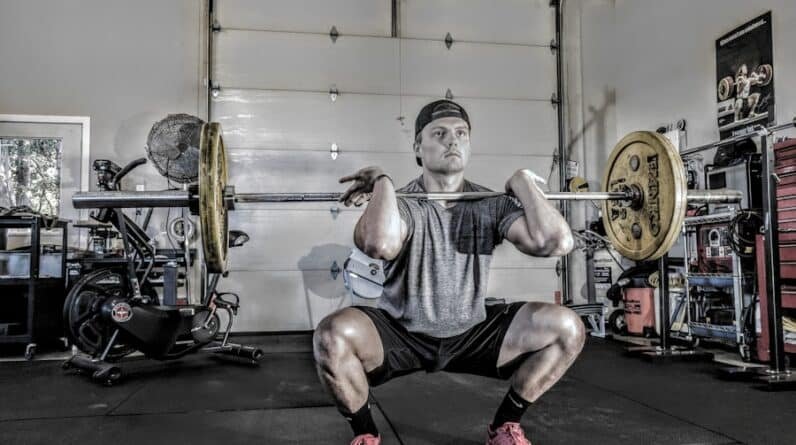
When you think about sports performance, the first thing that often comes to mind is skill and technique. However, muscle building plays a crucial role that cannot be overlooked. As an athlete, you need to understand that your physical strength directly impacts your ability to perform at your best.
Muscle building enhances your power, speed, and endurance, allowing you to execute skills more effectively. Whether you are sprinting down the track, jumping for a rebound, or tackling an opponent, the strength you develop through muscle building is foundational to your success. Moreover, muscle building contributes to injury prevention.
Stronger muscles support your joints and improve your overall stability, reducing the risk of injuries that can sideline you for weeks or even months. By focusing on building muscle, you are not just enhancing your performance; you are also investing in your longevity in the sport. This dual benefit makes muscle building an essential component of any athlete’s training regimen.
Key Takeaways
- Muscle building is crucial for sports performance as it enhances strength, power, and endurance, leading to improved athletic performance.
- Strength training plays a vital role in achieving athletic excellence by increasing muscle mass, improving bone density, and reducing the risk of injury.
- Proper nutrition is essential for fueling athletic performance and supporting muscle building, with a focus on adequate protein intake, carbohydrates for energy, and healthy fats.
- Recovery and rest are key components of muscle building for sports performance, allowing the body to repair and grow muscles, prevent overtraining, and reduce the risk of injury.
- Functional movements, such as squats, deadlifts, and lunges, are important for muscle building in sports performance as they mimic real-life activities and improve overall athleticism.
The Role of Strength Training in Athletic Excellence
Strength training is a vital aspect of muscle building that directly correlates with athletic excellence. As you engage in strength training, you are not only increasing your muscle mass but also improving your neuromuscular efficiency. This means that your brain and muscles communicate more effectively, allowing for quicker and more powerful movements.
For you as an athlete, this translates into better performance on the field or court, as you can react faster and execute movements with greater precision. In addition to enhancing performance, strength training also builds mental toughness. The discipline required to push through challenging workouts fosters resilience and determination—qualities that are essential for any athlete striving for excellence.
When you lift weights or engage in resistance training, you learn to overcome physical barriers, which can translate into a stronger mindset during competitions. This mental fortitude can be just as important as physical strength when it comes to achieving your goals.
Nutrition and Muscle Building: Fueling Athletic Performance
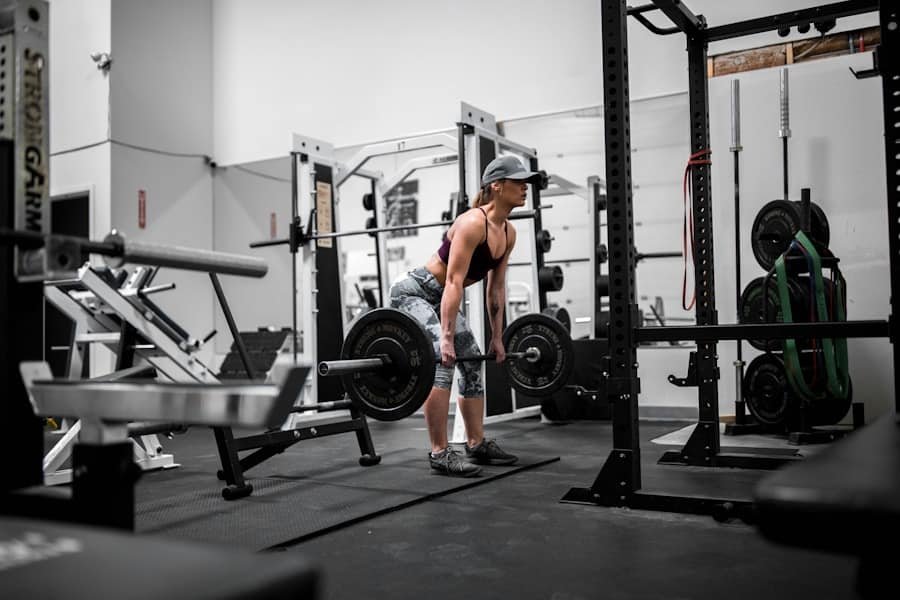
Nutrition is the cornerstone of effective muscle building and overall athletic performance. As an athlete, you must recognize that what you put into your body directly affects your ability to build muscle and recover from workouts. Consuming a balanced diet rich in protein, carbohydrates, and healthy fats is essential for fueling your training sessions and promoting muscle growth.
Protein, in particular, is crucial for repairing and building muscle tissue after intense workouts. You should aim to include high-quality protein sources such as lean meats, fish, eggs, and plant-based proteins in your meals. Carbohydrates also play a significant role in your nutrition strategy.
They provide the energy needed for high-intensity workouts and help replenish glycogen stores after exercise. Incorporating whole grains, fruits, and vegetables into your diet will ensure that you have the energy necessary to perform at your best. Additionally, don’t overlook the importance of hydration; staying well-hydrated is vital for optimal performance and recovery.
By prioritizing nutrition, you set yourself up for success in both muscle building and overall athletic performance.
The Importance of Recovery and Rest in Muscle Building for Sports Performance
Recovery is often an overlooked aspect of muscle building, yet it is just as important as the training itself. When you engage in strength training or intense workouts, you create micro-tears in your muscle fibers. It is during the recovery phase that these fibers repair and grow stronger.
As an athlete, you need to prioritize rest days and ensure that you are allowing adequate time for recovery between workouts. This not only helps prevent overtraining but also maximizes the benefits of your training efforts. Incorporating active recovery techniques can also enhance your recovery process.
Activities such as light stretching, yoga, or low-intensity cardio can promote blood flow to your muscles and aid in recovery without putting additional strain on your body. Additionally, getting enough sleep is crucial; during sleep, your body releases growth hormones that facilitate muscle repair and growth. By understanding the importance of recovery and rest, you can optimize your muscle-building efforts and enhance your overall sports performance.
Incorporating Functional Movements in Muscle Building for Sports Performance
Functional movements are exercises that mimic everyday activities or specific movements related to your sport. Incorporating these movements into your muscle-building program can significantly enhance your athletic performance. As an athlete, you want to focus on exercises that improve not only strength but also coordination, balance, and agility.
Movements such as squats, deadlifts, lunges, and kettlebell swings engage multiple muscle groups and promote functional strength that translates directly to your sport. By prioritizing functional movements in your training regimen, you can improve your overall athleticism while reducing the risk of injury. These exercises help develop the core stability necessary for explosive movements and enhance your ability to change direction quickly—skills that are essential in most sports.
As you incorporate functional movements into your routine, you’ll find that they not only build muscle but also improve your performance on the field or court.
Avoiding Common Mistakes in Muscle Building for Sports Performance
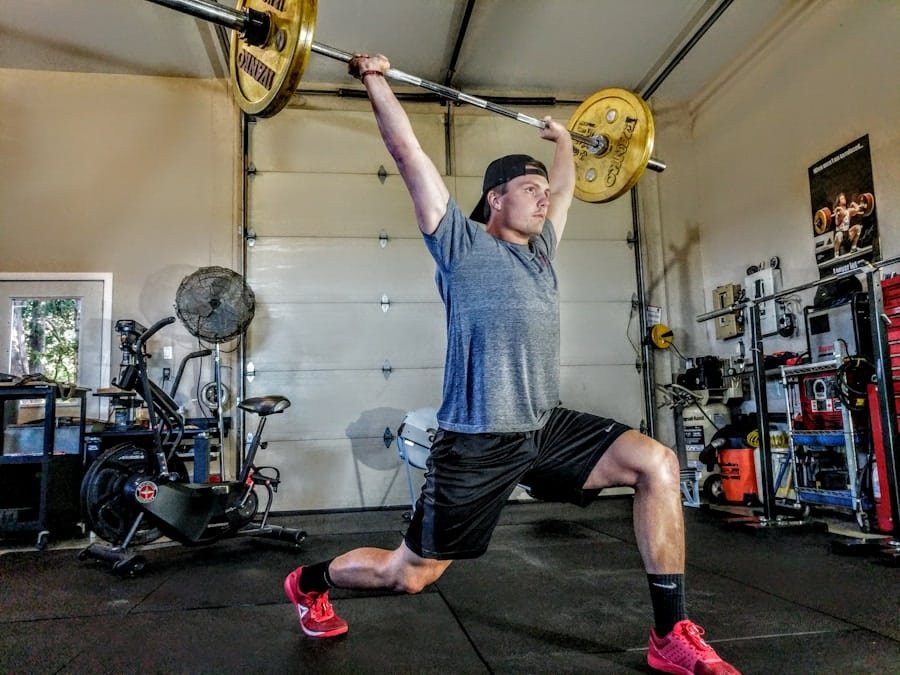
As you embark on your muscle-building journey, it’s essential to be aware of common mistakes that can hinder your progress. One prevalent mistake is neglecting proper form during exercises. While it may be tempting to lift heavier weights or rush through sets, poor form can lead to injuries and ineffective workouts.
Always prioritize technique over weight; this will ensure that you are targeting the right muscles and minimizing the risk of injury. Another common pitfall is failing to set specific goals. Without clear objectives, it can be challenging to measure progress or stay motivated.
Take the time to establish realistic short-term and long-term goals for your muscle-building efforts. Whether it’s increasing the weight you lift or improving your endurance during workouts, having defined goals will help keep you focused and accountable on your journey toward athletic excellence.
The Role of Proper Technique in Muscle Building for Sports Performance
Proper technique is paramount when it comes to muscle building for sports performance. As an athlete, mastering the correct form for each exercise not only maximizes effectiveness but also minimizes the risk of injury. Engaging in strength training with improper technique can lead to imbalances and strain on certain muscles or joints, which could sideline you from competition or practice.
Therefore, it’s crucial to invest time in learning the correct techniques for each movement. Consider working with a coach or trainer who can provide guidance on proper form and technique tailored to your specific sport. They can help identify any weaknesses or imbalances in your body that may need addressing before progressing to heavier weights or more complex movements.
By prioritizing proper technique in your training regimen, you will build a solid foundation for muscle growth while enhancing your overall athletic performance.
Creating a Well-Rounded Muscle Building Program for Athletic Excellence
To achieve athletic excellence through muscle building, it’s essential to create a well-rounded program that addresses all aspects of strength development. Your program should include a variety of exercises targeting different muscle groups while incorporating both compound and isolation movements. Compound exercises like squats and bench presses engage multiple muscles at once, while isolation exercises like bicep curls focus on specific muscles.
Additionally, consider incorporating different training modalities such as resistance bands, free weights, and bodyweight exercises into your routine. This variety will not only keep your workouts engaging but also challenge your muscles in different ways, promoting growth and adaptation. Remember to periodically reassess and adjust your program based on progress and changing goals; this will ensure that you continue to make strides toward athletic excellence while building muscle effectively.
In conclusion, understanding the multifaceted approach to muscle building is essential for any athlete looking to enhance their sports performance. By focusing on strength training, nutrition, recovery, functional movements, proper technique, and avoiding common mistakes, you can create a comprehensive program that supports both muscle growth and athletic excellence. Embrace this journey with dedication and commitment; the rewards will be evident in both your performance and overall enjoyment of the sport you love.
For more information on strategies for overcoming common challenges for women in muscle building, check out the article here. This article provides valuable insights and tips specifically tailored for women looking to enhance their athletic performance through muscle building. It offers practical advice on how to navigate obstacles and achieve success in reaching fitness goals.
FAQs
What is muscle building for sports performance?
Muscle building for sports performance refers to the process of increasing muscle mass, strength, and power to improve athletic performance in various sports.
Why is muscle building important for sports performance?
Muscle building is important for sports performance as it can enhance an athlete’s strength, power, speed, and overall physical capabilities, leading to improved performance in their respective sports.
What are the benefits of muscle building for sports performance?
The benefits of muscle building for sports performance include increased strength, power, speed, agility, endurance, and overall athletic performance. It can also help reduce the risk of injury and improve recovery time.
How can athletes build muscle for sports performance?
Athletes can build muscle for sports performance through a combination of resistance training, proper nutrition, adequate rest, and recovery. This may include weightlifting, plyometric exercises, and other strength training methods.
What role does nutrition play in muscle building for sports performance?
Nutrition plays a crucial role in muscle building for sports performance as it provides the necessary nutrients, such as protein, carbohydrates, and fats, to support muscle growth, repair, and recovery. Adequate hydration is also important for optimal muscle function.
Are there any potential risks or considerations for muscle building in sports performance?
While muscle building can offer numerous benefits for sports performance, it is important for athletes to approach it with caution and seek guidance from qualified professionals. Overtraining, improper form, and inadequate recovery can lead to injuries and hinder performance.