
When you embark on a journey to build muscle, hydration is often an overlooked yet crucial component of your training regimen. Water is not just a basic necessity; it plays a vital role in various physiological processes that directly impact your muscle-building performance. As you push your body to its limits, the need for adequate hydration becomes even more pronounced.
Proper hydration helps maintain optimal blood volume, which is essential for delivering oxygen and nutrients to your muscles during intense workouts. Without sufficient water intake, you may find that your performance suffers, leading to subpar results in your muscle-building efforts. Moreover, hydration is essential for regulating body temperature.
When you exercise, your body generates heat, and sweating is your natural response to cool down. However, if you are not adequately hydrated, your body’s ability to sweat diminishes, which can lead to overheating. This not only affects your performance but can also pose serious health risks.
Therefore, understanding the importance of hydration is fundamental to maximizing your muscle-building potential. By prioritizing water intake, you set the stage for improved strength, endurance, and overall workout efficiency.
Key Takeaways
- Proper hydration is crucial for optimal muscle-building performance as it helps maintain muscle function and supports muscle growth.
- Dehydration can negatively impact muscle-building performance by reducing strength, endurance, and overall workout performance.
- Adequate hydration is essential for maintaining strength and endurance during workouts, as even mild dehydration can impair physical performance.
- Water plays a key role in delivering nutrients to muscles, aiding in muscle recovery and growth.
- Staying hydrated is important for muscle recovery, as it helps flush out metabolic waste and supports the repair and growth of muscle tissue.
The Effects of Dehydration on Muscle-building Performance
Dehydration can have a profound impact on your muscle-building performance, often manifesting in ways that are not immediately obvious. When you are dehydrated, even mild levels of fluid loss can lead to decreased strength and endurance. You may notice that your muscles fatigue more quickly, making it challenging to complete your sets or maintain proper form.
This decline in performance can hinder your progress and prevent you from reaching your muscle-building goals. Additionally, dehydration can impair your cognitive function, making it harder to focus on your workouts and execute your training plan effectively. The effects of dehydration extend beyond just immediate performance issues; they can also have long-term consequences for muscle growth.
Chronic dehydration can lead to a decrease in muscle protein synthesis, the process by which your body builds new muscle tissue. When you are not adequately hydrated, the efficiency of this process diminishes, ultimately stalling your progress. Therefore, recognizing the signs of dehydration and taking proactive measures to stay hydrated is essential for anyone serious about building muscle.
How Hydration Affects Strength and Endurance during Workouts
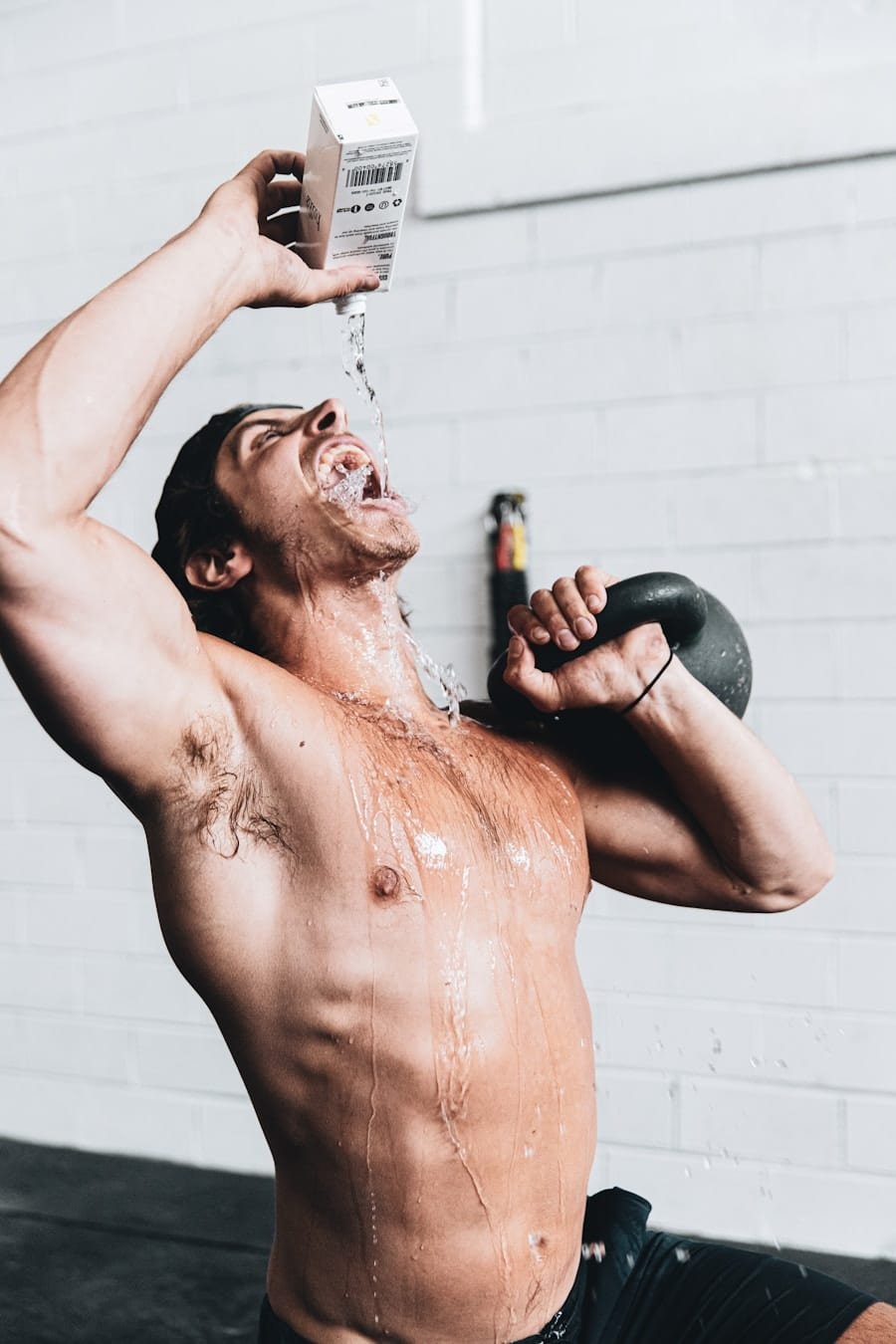
Hydration plays a pivotal role in both strength and endurance during workouts. When you are well-hydrated, your muscles are better equipped to perform at their peak. Water helps maintain the balance of electrolytes in your body, which is crucial for muscle contractions.
If you find yourself feeling weak or unable to lift as much weight as usual, it could be a sign that you need to increase your fluid intake. Staying hydrated allows for optimal muscle function, enabling you to push through those last few reps that are often the most critical for growth. Endurance is equally affected by hydration levels.
During prolonged workouts or high-intensity training sessions, your body loses fluids through sweat. If you do not replenish these lost fluids, you may experience a decline in endurance, making it difficult to sustain your energy levels throughout the session. This can lead to premature fatigue and a reduced ability to perform at high intensities.
By ensuring that you are adequately hydrated before, during, and after your workouts, you can enhance both your strength and endurance, ultimately leading to better muscle-building outcomes.
The Role of Water in Nutrient Delivery to Muscles
Water serves as a vital medium for transporting nutrients throughout your body, including those essential for muscle growth and recovery. When you consume protein-rich foods or supplements designed to aid muscle building, water helps dissolve these nutrients and facilitates their absorption into the bloodstream. This process is crucial because without adequate hydration, the delivery of amino acids and other vital nutrients to your muscles can be compromised.
As a result, even if you are consuming the right foods, dehydration can hinder their effectiveness in promoting muscle growth. Additionally, water plays a key role in maintaining cellular function within your muscles. Hydrated cells are more efficient at utilizing nutrients and expelling waste products.
This means that when you are well-hydrated, your muscles can better utilize the nutrients they receive from food and supplements, leading to improved recovery and growth. Therefore, prioritizing hydration not only supports nutrient delivery but also enhances the overall efficiency of your muscle-building efforts.
Hydration and Muscle Recovery
Recovery is an integral part of any successful muscle-building program, and hydration plays a significant role in this process. After an intense workout, your muscles need time to repair and grow stronger. Adequate hydration aids in this recovery by helping to flush out toxins and metabolic waste products that accumulate during exercise.
When you are dehydrated, this recovery process can be slowed down, leading to prolonged soreness and fatigue. Furthermore, water is essential for maintaining joint lubrication and reducing the risk of injury during recovery. Proper hydration helps keep the synovial fluid in your joints at optimal levels, allowing for smoother movement and reducing discomfort.
By ensuring that you stay hydrated post-workout, you not only enhance your recovery but also prepare your body for future training sessions. This cyclical relationship between hydration and recovery underscores the importance of making water intake a priority in your muscle-building journey.
Tips for Staying Hydrated for Optimal Muscle-building Performance
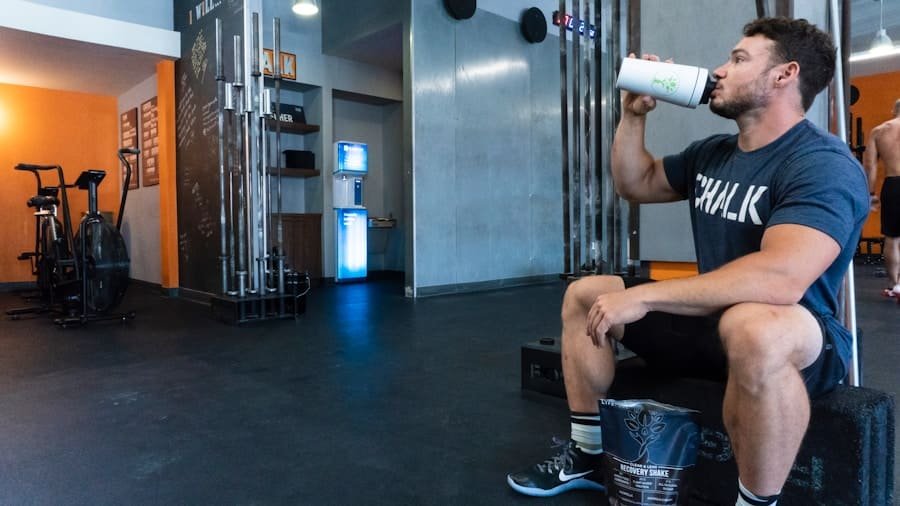
Staying hydrated may seem straightforward, but it requires conscious effort and planning, especially when you’re focused on building muscle. One effective strategy is to establish a routine around your water intake. Start by setting specific goals for how much water you want to consume each day—aiming for at least half of your body weight in ounces is a good benchmark for many individuals.
Carrying a reusable water bottle with you throughout the day can serve as a constant reminder to drink more water. Another useful tip is to incorporate hydrating foods into your diet. Fruits and vegetables like watermelon, cucumbers, and oranges have high water content and can contribute significantly to your overall hydration levels.
Additionally, consider drinking water before meals and snacks; this not only helps with hydration but can also aid digestion and prevent overeating. By combining these strategies with regular monitoring of your hydration status—such as checking the color of your urine—you can ensure that you remain adequately hydrated throughout your muscle-building journey.
Hydration and Muscle Cramping
Muscle cramping is a common issue that many individuals face during intense workouts or after prolonged physical activity. One of the primary causes of cramping is dehydration; when your body loses fluids and electrolytes through sweat without adequate replenishment, it can lead to involuntary muscle contractions. These cramps can be painful and disruptive, hindering your ability to perform exercises effectively.
To combat muscle cramping related to dehydration, it’s essential to maintain proper fluid balance before, during, and after exercise. Incorporating electrolyte-rich beverages or foods into your diet can also help replenish lost minerals like sodium and potassium that are crucial for muscle function. By staying vigilant about hydration and electrolyte balance, you can minimize the risk of cramping and ensure that your workouts remain productive and enjoyable.
The Connection Between Hydration and Muscle Growth
The connection between hydration and muscle growth is often underestimated but is undeniably significant. As previously mentioned, adequate hydration supports nutrient delivery and enhances recovery—two critical factors in promoting muscle growth. When you are well-hydrated, your body operates more efficiently at a cellular level, allowing for optimal protein synthesis and muscle repair after workouts.
Moreover, staying hydrated helps maintain hormonal balance within the body. Hormones such as testosterone and growth hormone play vital roles in muscle development; dehydration can disrupt their production and function. By prioritizing hydration as part of your overall fitness strategy, you create an environment conducive to muscle growth while maximizing the effectiveness of your training efforts.
In conclusion, hydration is an essential yet often overlooked aspect of muscle-building performance. From enhancing strength and endurance during workouts to facilitating nutrient delivery and recovery processes, water plays a multifaceted role in supporting your fitness goals. By understanding the importance of staying hydrated and implementing effective strategies for fluid intake, you can optimize your muscle-building journey and achieve the results you desire.
If you are interested in learning more about building muscle, especially for those over the age of 60, you may want to check out the article “How Much Protein to Build Muscle” offers insights on the optimal protein intake for muscle-building. Lastly, if you are looking to simultaneously build muscle and lose fat, the article “How to Build Muscle and Lose Fat” provides tips on how to achieve both goals effectively.
FAQs
What is the impact of hydration on muscle-building performance?
Proper hydration is essential for optimal muscle-building performance. Dehydration can lead to decreased strength, endurance, and overall performance during workouts, which can hinder muscle growth.
How does dehydration affect muscle-building performance?
Dehydration can lead to decreased blood flow to the muscles, reduced nutrient delivery, and impaired muscle recovery. This can result in decreased muscle protein synthesis and hinder the body’s ability to build and repair muscle tissue.
What are the signs of dehydration during workouts?
Signs of dehydration during workouts include increased thirst, dry mouth, fatigue, decreased urine output, dark-colored urine, dizziness, and muscle cramps. It’s important to stay hydrated before, during, and after exercise to prevent these symptoms.
How much water should I drink to support muscle-building performance?
The general recommendation is to drink at least 8-10 glasses of water per day, but individual needs may vary based on factors such as body size, activity level, and climate. It’s important to listen to your body and drink water consistently throughout the day, especially before, during, and after workouts.
Are there any specific hydration strategies for muscle-building performance?
In addition to drinking water, consuming electrolyte-rich fluids and eating hydrating foods such as fruits and vegetables can help support hydration and muscle-building performance. It’s also important to monitor urine color and body weight to ensure adequate hydration.