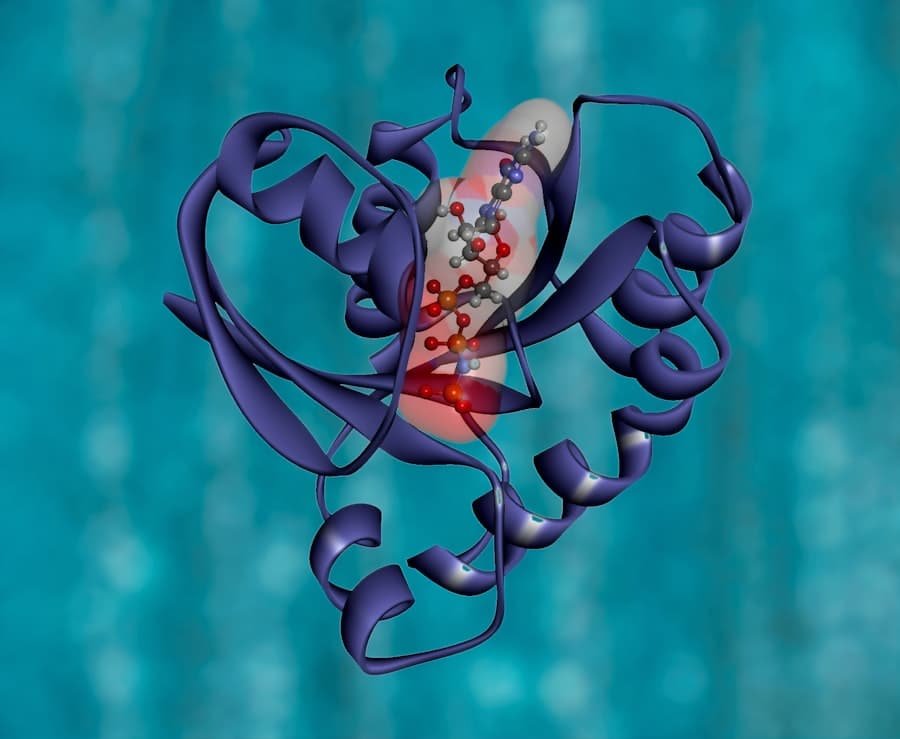
When you embark on a journey to build muscle, understanding the role of protein is crucial. Protein serves as the building block for your muscles, playing a vital role in muscle repair and growth. As you engage in resistance training or any form of exercise that challenges your muscles, tiny tears occur in the muscle fibers.
It is during the recovery phase that protein comes into play, helping to repair these tears and ultimately leading to muscle hypertrophy. Therefore, ensuring you consume adequate protein is essential for anyone looking to enhance their physique and strength. In addition to its role in muscle repair, protein also contributes to overall health and well-being.
It supports various bodily functions, including hormone production, immune response, and enzyme activity. As you consider your dietary choices, it’s important to recognize that not all protein sources are created equal. The quality of the protein you consume can significantly impact your muscle-building efforts.
In this article, we will explore various protein sources, from lean meats to plant-based options, and help you identify the best choices for your muscle-building goals.
Key Takeaways
- Protein is essential for muscle building and repair
- Lean meats are a great source of high-quality protein for muscle growth
- Plant-based proteins can also be effective for building and repairing muscles
- Dairy products provide a rich source of muscle-building protein
- Seafood is a nutrient-dense protein source that can aid in muscle development
Lean Meats: The Ultimate Protein Source
The Importance of Lean Meats in a Balanced Diet
Lean meats are often considered the gold standard when it comes to protein sources. Chicken breast, turkey, and lean cuts of beef are packed with high-quality protein that is easily digestible and rich in essential amino acids. These amino acids are crucial for muscle repair and growth, making lean meats an excellent choice for anyone serious about building muscle.
Nutritional Benefits Beyond Protein
Incorporating lean meats into your diet can provide you with the necessary fuel to support your workouts and recovery. Moreover, lean meats are not just about protein; they also offer a wealth of other nutrients. For instance, beef is an excellent source of iron, which is vital for oxygen transport in the blood, while chicken and turkey provide B vitamins that play a role in energy metabolism.
Supporting Overall Health and Performance
By including a variety of lean meats in your diet, you can ensure that you are not only meeting your protein needs but also supporting your overall health and performance. A balanced diet that includes lean meats can help you achieve your fitness goals while also providing essential nutrients for optimal health.
Plant-Based Proteins: A Viable Option for Muscle Growth

If you prefer a plant-based diet or are looking to reduce your meat consumption, you’ll be pleased to know that there are plenty of viable plant-based protein sources available. Legumes such as lentils, chickpeas, and black beans are excellent options that provide substantial amounts of protein along with fiber and other essential nutrients. These foods can easily be incorporated into salads, soups, or even as a base for hearty veggie burgers.
Additionally, whole grains like quinoa and brown rice also contribute to your protein intake while offering complex carbohydrates that provide sustained energy for your workouts. Nuts and seeds, such as almonds, chia seeds, and hemp seeds, are not only rich in protein but also contain healthy fats that can support overall health. By diversifying your protein sources with plant-based options, you can create a balanced diet that supports muscle growth while aligning with your dietary preferences.
Dairy Products: A Rich Source of Muscle-Building Protein
Dairy products are another excellent source of protein that can aid in muscle building. Milk, yogurt, and cheese are not only rich in protein but also provide calcium and other essential nutrients that support bone health. For those who tolerate dairy well, incorporating these products into your diet can be an effective way to boost your protein intake while enjoying delicious flavors.
Greek yogurt, in particular, stands out as a powerhouse of protein. With its thick texture and creamy taste, it offers a higher protein content than regular yogurt, making it an ideal post-workout snack. You can enjoy it plain or mix it with fruits and nuts for added flavor and nutrition.
Cheese can also be a great addition to meals; just be mindful of portion sizes due to its higher fat content. By including dairy products in your diet, you can enhance your muscle-building efforts while enjoying a variety of tasty options.
Seafood: A Nutrient-Dense Protein Source for Muscle Development
Seafood is often overlooked as a protein source but deserves recognition for its nutrient density and health benefits. Fish such as salmon, tuna, and mackerel are not only rich in high-quality protein but also packed with omega-3 fatty acids. These healthy fats have been shown to reduce inflammation and support recovery after intense workouts, making seafood an excellent choice for muscle development.
Incorporating seafood into your diet can also provide you with essential vitamins and minerals like vitamin D and selenium. These nutrients play important roles in bone health and immune function. Whether you enjoy grilled salmon or a fresh tuna salad, seafood offers a delicious way to meet your protein needs while reaping additional health benefits.
By diversifying your protein sources to include seafood, you can enhance both your muscle-building efforts and overall well-being.
Eggs: The Complete Protein for Muscle Repair and Growth
Eggs are often hailed as one of the most complete sources of protein available. They contain all nine essential amino acids that your body cannot produce on its own, making them an ideal choice for muscle repair and growth. The high biological value of egg protein means that it is efficiently utilized by your body, making it a staple in many athletes’ diets.
In addition to their impressive protein content, eggs are also rich in vitamins and minerals such as vitamin B12, choline, and selenium. These nutrients support various bodily functions, including energy production and brain health. Whether you prefer them scrambled, poached, or hard-boiled, eggs are versatile and easy to incorporate into meals throughout the day.
By including eggs in your diet, you can ensure that you are providing your body with the necessary nutrients to support your muscle-building goals.
Protein Supplements: Enhancing Muscle Recovery and Growth
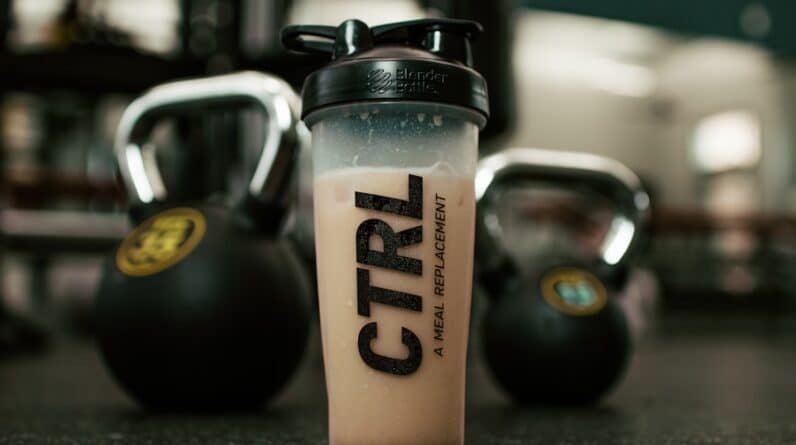
While whole food sources should form the foundation of your protein intake, protein supplements can be a convenient way to meet your needs—especially if you’re on the go or have increased demands due to intense training. Whey protein powder is one of the most popular options among athletes due to its rapid absorption rate and high-quality amino acid profile. Consuming whey protein post-workout can help kickstart the recovery process by providing your muscles with the nutrients they need.
Plant-based protein powders are also gaining popularity as more individuals seek alternatives to dairy-based products. Options like pea protein, brown rice protein, and hemp protein offer effective ways to supplement your diet without compromising on quality. When choosing a protein supplement, it’s important to consider factors such as taste, digestibility, and any dietary restrictions you may have.
By incorporating supplements wisely into your routine, you can enhance muscle recovery and growth while ensuring you meet your overall protein requirements.
Choosing the Best Protein Sources for Your Muscle-Building Goals
As you navigate the world of muscle building, understanding the importance of protein is paramount. With a variety of sources available—from lean meats and dairy products to plant-based options and seafood—you have the flexibility to choose what works best for you. Each source offers unique benefits that can contribute to your overall health while supporting your muscle-building efforts.
Ultimately, the key is to maintain a balanced diet that includes a mix of these protein sources to ensure you’re getting all the essential nutrients needed for optimal performance and recovery. Whether you’re a seasoned athlete or just starting out on your fitness journey, prioritizing high-quality protein will set you on the path toward achieving your muscle-building goals effectively. Embrace the diversity of protein options available to you and enjoy the journey toward a stronger, healthier you.
If you are looking to build muscle naturally, you may want to consider incorporating natural muscle-building approaches into your routine. One related article that delves into the benefits of natural muscle-building approaches can be found here. This article discusses the advantages of using natural methods to build muscle, such as avoiding harmful chemicals and synthetic supplements. By focusing on natural approaches, you can optimize your muscle-building potential while also promoting overall health and well-being.
FAQs
What are the best protein sources for building muscle?
The best protein sources for building muscle include lean meats such as chicken, turkey, and beef, as well as fish, eggs, dairy products, and plant-based sources such as tofu, lentils, and quinoa.
How much protein should I consume to build muscle?
It is recommended to consume 1.2 to 2.2 grams of protein per kilogram of body weight per day to support muscle growth and repair. This can vary depending on individual factors such as activity level and fitness goals.
Are there any plant-based protein sources that are effective for building muscle?
Yes, plant-based protein sources such as tofu, tempeh, lentils, chickpeas, quinoa, and edamame are effective for building muscle. These sources provide essential amino acids and can be part of a well-balanced muscle-building diet.
What role does protein play in muscle building?
Protein is essential for muscle building as it provides the necessary amino acids for muscle repair and growth. Consuming an adequate amount of protein supports muscle recovery after exercise and helps to increase muscle mass over time.
Can I get enough protein for muscle building from food alone?
It is possible to get enough protein for muscle building from food alone by consuming a variety of protein-rich foods such as meats, fish, dairy, eggs, and plant-based sources. However, some individuals may choose to supplement with protein powders for convenience.