After an intense workout, your body is in a state of recovery, and the nutrition you provide during this critical period can significantly influence your overall performance and progress. Post-workout nutrition is essential because it helps replenish the energy stores that have been depleted during exercise. When you engage in physical activity, particularly resistance training or high-intensity workouts, your muscles undergo stress and micro-tears.
Proper nutrition post-exercise aids in repairing these muscles, promoting growth, and reducing soreness. Moreover, the right nutrients can enhance your recovery time, allowing you to bounce back quicker for your next workout. This is particularly important if you are training frequently or preparing for an event.
By focusing on post-workout nutrition, you not only support muscle recovery but also optimize your body’s ability to adapt to the stresses of training. This means you can improve your strength, endurance, and overall fitness levels more effectively.
Key Takeaways
- Post-workout nutrition is crucial for muscle recovery and replenishing energy stores.
- The ideal macronutrient ratio for optimal recovery is a combination of carbohydrates and protein.
- Timing of post-workout meals is important, with a window of 30 minutes to 2 hours after exercise being optimal.
- Examples of post-workout meal ideas include a protein smoothie, grilled chicken with sweet potatoes, or a turkey and avocado wrap.
- Hydration after exercise is essential for replacing lost fluids and maintaining performance and recovery.
Macronutrient Ratios for Optimal Recovery
Understanding the right macronutrient ratios is crucial for maximizing your post-workout recovery. Generally, a combination of carbohydrates and protein is recommended to replenish glycogen stores and support muscle repair. Carbohydrates are vital because they provide the energy needed for your next workout, while protein plays a key role in muscle recovery and growth.
A common guideline suggests a ratio of 3:1 or 4:1 carbohydrates to protein, depending on the intensity of your workout. For example, if you’ve just completed a high-intensity interval training session, your body may require more carbohydrates to restore glycogen levels. On the other hand, if your workout was primarily strength-focused, a higher protein intake may be beneficial to facilitate muscle repair.
It’s essential to listen to your body and adjust these ratios based on your individual needs and the type of exercise you’ve performed. Tailoring your macronutrient intake can lead to better recovery outcomes and improved performance in subsequent workouts.
Timing of Post-Workout Meals
The timing of your post-workout meal can significantly impact your recovery process. Ideally, you should aim to consume a meal or snack within 30 to 60 minutes after finishing your workout. This window is often referred to as the “anabolic window,” during which your muscles are particularly receptive to nutrients.
Consuming food during this time can enhance glycogen replenishment and muscle protein synthesis, leading to more effective recovery. However, it’s important to note that while this timing is beneficial, it’s not the only factor that matters. If you’re unable to eat immediately after exercising, don’t stress too much; just ensure that you consume a balanced meal within a few hours.
The key is to prioritize nutrient-dense foods that will support your recovery process throughout the day. By being mindful of when you eat post-workout, you can optimize your body’s ability to recover and prepare for future training sessions.
Examples of Post-Workout Meal Ideas
When it comes to post-workout meals, variety is key to keeping things interesting and ensuring you get a range of nutrients. A simple yet effective option is a smoothie made with protein powder, spinach, banana, and almond milk. This combination provides a good balance of carbohydrates and protein while also delivering essential vitamins and minerals.
You can easily customize this smoothie by adding different fruits or even nut butter for added healthy fats. Another great post-workout meal idea is a quinoa salad topped with grilled chicken, mixed vegetables, and a drizzle of olive oil. Quinoa is an excellent source of complex carbohydrates and protein, making it perfect for recovery.
The addition of vegetables not only enhances the nutrient profile but also adds fiber, which is beneficial for digestion. If you prefer something warm, consider a stir-fry with brown rice, lean beef or tofu, and a variety of colorful vegetables. This dish provides a satisfying mix of macronutrients while being quick and easy to prepare.
Importance of Hydration After Exercise
Hydration plays a crucial role in your post-workout recovery process. During exercise, you lose fluids through sweat, which can lead to dehydration if not replenished adequately. Dehydration can impair performance, hinder recovery, and even lead to serious health issues if left unaddressed.
Therefore, it’s essential to rehydrate after your workout by drinking water or electrolyte-rich beverages. In addition to water, consider incorporating drinks that contain electrolytes, especially after intense workouts or prolonged exercise sessions. Electrolytes such as sodium, potassium, and magnesium help maintain fluid balance in your body and support muscle function.
By prioritizing hydration post-exercise, you can enhance your recovery process and ensure that your body is functioning optimally for future workouts.
Supplements for Post-Workout Recovery

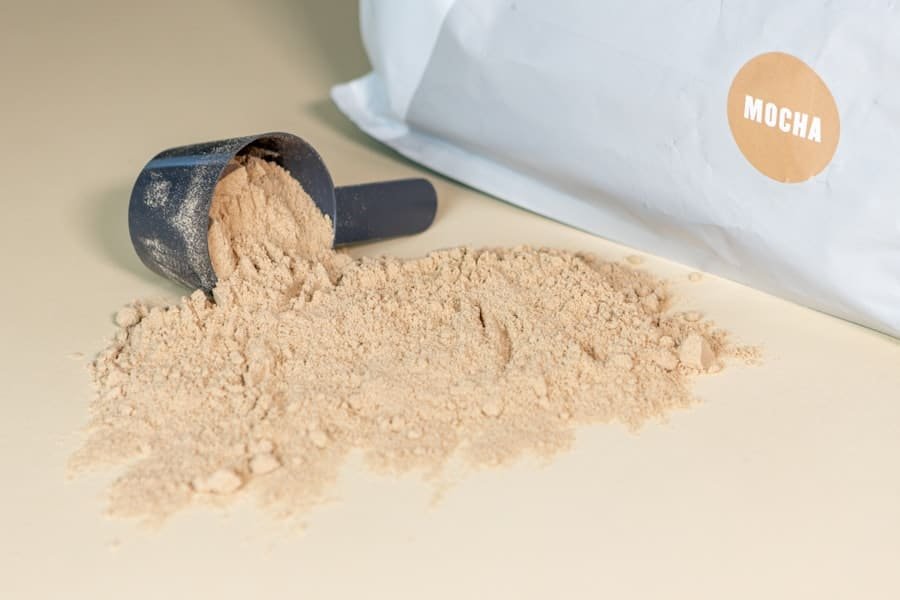
While whole foods should be the foundation of your post-workout nutrition, certain supplements can complement your recovery efforts effectively. Protein powders are among the most popular supplements used for post-exercise recovery. They provide a convenient way to increase your protein intake without having to prepare a full meal immediately after working out.
Whey protein is particularly favored due to its fast absorption rate, making it ideal for muscle repair. In addition to protein supplements, branched-chain amino acids (BCAAs) can also be beneficial for recovery. BCAAs help reduce muscle soreness and fatigue while promoting muscle protein synthesis.
Creatine is another supplement worth considering; it has been shown to enhance strength and power output during high-intensity workouts while also aiding in recovery. However, it’s essential to consult with a healthcare professional before starting any new supplement regimen to ensure it aligns with your individual health needs.
Preparing Post-Workout Meals in Advance
One effective strategy for ensuring you have nutritious post-workout meals ready when you need them is meal prepping. By dedicating some time each week to prepare meals in advance, you can save time and reduce the temptation to reach for less healthy options when you’re tired after exercising. Start by planning out your meals for the week and selecting recipes that are easy to prepare in bulk.
Consider cooking grains like brown rice or quinoa in large quantities and storing them in portioned containers. You can also grill or bake proteins such as chicken or fish ahead of time and pair them with pre-chopped vegetables for quick assembly after your workout. Having these components ready will make it easier for you to create balanced meals without spending too much time in the kitchen when you’re fatigued from exercise.
Post-Workout Meal Ideas for Different Types of Exercise
Your post-workout meal should reflect the type of exercise you’ve just completed. For endurance activities like running or cycling, focus on meals rich in carbohydrates to replenish glycogen stores. A bowl of oatmeal topped with fruit and nuts can be an excellent choice after a long run or bike ride.
If you’ve engaged in strength training or resistance workouts, prioritize protein-rich meals that support muscle repair. A turkey wrap with whole-grain tortillas and plenty of veggies can provide the necessary nutrients for recovery while being easy to prepare on busy days. For those who enjoy high-intensity interval training (HIIT), consider a balanced meal that includes both carbohydrates and protein—such as a whole grain toast topped with avocado and poached eggs—to help restore energy levels while promoting muscle recovery.
By tailoring your post-workout nutrition based on the type of exercise you’ve performed, you can optimize your recovery process and set yourself up for success in future workouts. Remember that consistency is key; making mindful choices about what you eat after exercising will contribute significantly to achieving your fitness goals over time.
After a strenuous workout, it is crucial to refuel your body with the right nutrients to aid in muscle recovery and growth. One important aspect of post-workout nutrition is consuming a well-balanced meal that includes protein, carbohydrates, and healthy fats. For those looking to maximize muscle gain, having a proper meal plan is essential. A helpful article on meal plans for muscle gain provides valuable insights on how to structure your meals to support muscle growth effectively. Additionally, incorporating the right supplements can also aid in muscle gain while losing fat. To learn more about this topic, check out the article on building muscle while losing fat. Lastly, for those looking to enhance their muscle gain journey, understanding the best supplements for muscle gain is crucial. The article on best supplements for muscle gain offers valuable information on the supplements that can help you achieve your muscle-building goals.
FAQs
What is a post-workout meal?
A post-workout meal is a meal or snack that is consumed after a workout or exercise session. It is designed to help the body recover and replenish energy stores.
Why is a post-workout meal important?
A post-workout meal is important because it helps the body recover from the physical stress of exercise, replenishes glycogen stores, and provides essential nutrients for muscle repair and growth.
What should a post-workout meal consist of?
A post-workout meal should consist of a combination of protein and carbohydrates. Protein helps with muscle repair and growth, while carbohydrates help replenish glycogen stores and provide energy.
When should a post-workout meal be consumed?
A post-workout meal should be consumed within 30 minutes to 2 hours after a workout. This is the window of time when the body is most receptive to nutrient uptake and recovery.
What are some examples of post-workout meals?
Examples of post-workout meals include a protein shake with fruit, a turkey and avocado sandwich on whole grain bread, Greek yogurt with berries, or a chicken and vegetable stir-fry with brown rice.