
When you think about muscle building, your mind might immediately gravitate toward protein. However, healthy fats play an equally crucial role in your journey to gain muscle mass. These fats are not just a source of energy; they are essential for hormone production, including testosterone, which is vital for muscle growth.
By incorporating healthy fats into your diet, you can enhance your overall performance and recovery, making them a key player in your muscle-building strategy. Moreover, healthy fats help in the absorption of fat-soluble vitamins such as A, D, E, and K. These vitamins are important for various bodily functions, including immune response and bone health, which can indirectly affect your ability to train effectively.
By understanding the multifaceted role that healthy fats play in muscle building, you can make more informed dietary choices that support your fitness goals.
Key Takeaways
- Healthy fats play a crucial role in muscle building by aiding in hormone production and absorption of fat-soluble vitamins.
- The best sources of healthy fats for muscle building include avocados, nuts, seeds, olive oil, and fatty fish like salmon.
- Healthy fats can aid in muscle recovery and repair by reducing inflammation and providing a steady source of energy.
- Balancing healthy fats with other macronutrients like protein and carbohydrates is essential for optimal muscle growth.
- Incorporating healthy fats into pre- and post-workout meals can help provide sustained energy and support muscle recovery.
The Best Sources of Healthy Fats for Muscle Building
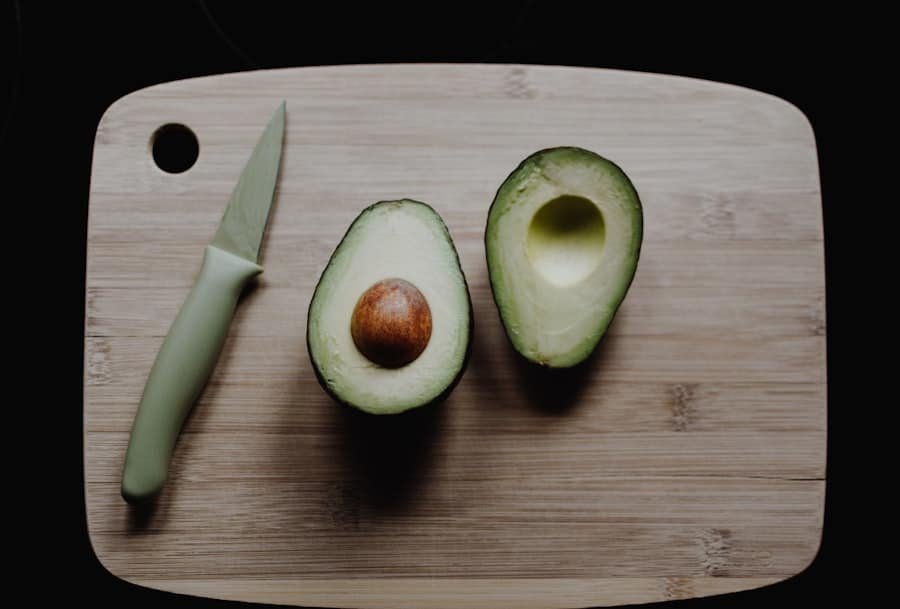
When it comes to selecting healthy fats for muscle building, you have a plethora of options at your disposal. Avocados are a fantastic choice; they are rich in monounsaturated fats and provide a creamy texture that can enhance various dishes. You can easily add them to salads, smoothies, or even spread them on whole-grain toast for a nutritious snack.
Nuts and seeds are also excellent sources of healthy fats. Almonds, walnuts, chia seeds, and flaxseeds not only provide essential fatty acids but also pack a punch of protein and fiber, making them ideal for muscle recovery. Another great source of healthy fats is fatty fish like salmon and mackerel.
These fish are high in omega-3 fatty acids, which have been shown to reduce inflammation and promote muscle recovery after intense workouts. Incorporating these fish into your diet a couple of times a week can significantly benefit your muscle-building efforts. Olive oil is another staple that you should consider; it’s perfect for cooking or drizzling over salads and vegetables.
Its anti-inflammatory properties can help keep your body in optimal condition for training.
How Healthy Fats Can Aid in Muscle Recovery and Repair

Healthy fats are not just about building muscle; they also play a significant role in recovery and repair. After an intense workout, your muscles undergo stress and micro-tears that need to be repaired for growth to occur. Omega-3 fatty acids found in sources like fish and flaxseeds can help reduce inflammation in the body, allowing for quicker recovery times.
This means that by including these fats in your diet, you can get back to training sooner and with greater intensity. Additionally, healthy fats contribute to the overall health of your cell membranes. This is particularly important for muscle cells, as they need to be flexible and resilient to withstand the rigors of training.
By ensuring that you consume adequate amounts of healthy fats, you support the structural integrity of your cells, which can lead to improved performance and reduced risk of injury. Thus, incorporating healthy fats into your post-workout meals can be a game-changer for your recovery process.
Balancing Healthy Fats with Other Macronutrients for Optimal Muscle Growth
While healthy fats are essential for muscle building, it’s crucial to strike a balance with other macronutrients—namely proteins and carbohydrates. Each macronutrient plays a unique role in your body’s functioning and performance. Proteins are the building blocks of muscle tissue, while carbohydrates provide the energy needed for intense workouts.
To optimize muscle growth, aim for a well-rounded diet that includes all three macronutrients in appropriate proportions. A good rule of thumb is to consume a diet where approximately 20-35% of your total caloric intake comes from healthy fats. This allows you to reap the benefits of these fats without compromising your intake of proteins and carbohydrates.
For instance, if you’re planning a meal, consider pairing lean protein sources like chicken or tofu with complex carbohydrates such as quinoa or sweet potatoes, while adding a source of healthy fat like avocado or olive oil. This balanced approach will ensure that you’re fueling your body effectively for both performance and recovery.
Incorporating Healthy Fats into Pre- and Post-Workout Meals
Timing is everything when it comes to nutrition, especially around your workouts. Incorporating healthy fats into your pre- and post-workout meals can enhance your performance and recovery. For pre-workout meals, consider having a small serving of nuts or nut butter along with some fruit.
This combination provides you with sustained energy from carbohydrates while the healthy fats help keep you satiated throughout your workout. Post-workout meals are equally important for recovery. After exercising, your body craves nutrients to repair muscles and replenish energy stores.
A smoothie made with protein powder, spinach, banana, and a tablespoon of flaxseed or chia seeds can be an excellent option. The protein aids in muscle repair while the healthy fats contribute to reducing inflammation and promoting overall recovery. By being mindful of how you incorporate healthy fats around your workouts, you can maximize their benefits.
Cooking and Meal Prep Tips for Including Healthy Fats in a Muscle-Building Diet
Incorporating healthy fats into your diet doesn’t have to be complicated; it can be as simple as making small adjustments to your cooking methods and meal prep routines. For instance, when sautéing vegetables or proteins, opt for olive oil instead of butter or margarine. This simple switch not only enhances flavor but also adds beneficial nutrients to your meals.
Meal prepping is another effective strategy for ensuring that you consistently include healthy fats in your diet. When preparing meals for the week, consider making large batches of dishes that feature healthy fats prominently. For example, you could prepare a quinoa salad with chickpeas, diced avocado, cherry tomatoes, and a drizzle of olive oil as a base for several meals throughout the week.
Having these ready-to-eat options on hand makes it easier to stick to your nutrition goals without feeling deprived or overwhelmed.
Potential Risks of Consuming Too Much or Too Little Healthy Fats for Muscle Building
While healthy fats are essential for muscle building, it’s important to be aware of the potential risks associated with consuming them in excess or insufficient amounts. Overindulging in high-fat foods can lead to an imbalance in your overall caloric intake, which may hinder your muscle-building efforts or lead to unwanted weight gain. It’s crucial to monitor portion sizes and ensure that you’re not exceeding the recommended daily intake of fats.
On the flip side, consuming too little fat can also have negative consequences on your muscle-building journey. Insufficient fat intake may lead to hormonal imbalances that could impede muscle growth and recovery. Additionally, lacking healthy fats can affect your energy levels during workouts, making it difficult to perform at your best.
Striking the right balance is key; aim for moderation while ensuring that you’re meeting your body’s nutritional needs.
Creating a Balanced Meal Plan with Healthy Fats for Muscle Building Goals
To effectively incorporate healthy fats into your muscle-building diet, creating a balanced meal plan is essential. Start by assessing your daily caloric needs based on your activity level and fitness goals. Once you have this baseline, allocate approximately 20-35% of those calories to come from healthy fats.
Next, plan meals that include a variety of protein sources such as lean meats, legumes, or dairy products alongside complex carbohydrates like whole grains and starchy vegetables. Don’t forget to include sources of healthy fats in each meal; this could be as simple as adding avocado slices to a salad or using nuts as toppings on yogurt or oatmeal. By taking the time to create a well-rounded meal plan that includes healthy fats alongside proteins and carbohydrates, you’ll set yourself up for success in achieving your muscle-building goals.
Remember that consistency is key; by making these dietary choices part of your routine, you’ll be well on your way to building the strong physique you desire while enjoying the benefits that come from a balanced diet rich in healthy fats.
If you are looking to break through a muscle-building plateau, you may want to consider implementing some new strategies. One helpful article to check out is Muscle Building Plateau Busting Strategies. In addition to incorporating healthy fats into your diet, balancing cardiovascular training and muscle building is also crucial for optimal results. For more information on how to achieve this balance, be sure to read Balancing Cardiovascular Training and Muscle Building. Developing a muscle gain diet plan that includes the right nutrients, such as healthy fats, is essential for maximizing muscle growth. To learn more about creating an effective muscle gain diet plan, visit Muscle Gain Diet Plan.
FAQs
What are healthy fats?
Healthy fats are unsaturated fats that are beneficial for overall health. They can be found in foods like avocados, nuts, seeds, and fatty fish.
How do healthy fats help with muscle building?
Healthy fats play a crucial role in muscle building by providing a concentrated source of energy, aiding in the absorption of fat-soluble vitamins, and reducing inflammation in the body.
What are some examples of healthy fats for muscle building?
Examples of healthy fats for muscle building include olive oil, coconut oil, avocados, nuts (such as almonds and walnuts), seeds (such as chia and flaxseeds), and fatty fish (such as salmon and mackerel).
How much healthy fats should be consumed for muscle building?
It is recommended to consume about 20-35% of your daily calories from healthy fats for muscle building. This can vary depending on individual needs and goals.
Can healthy fats help with recovery after workouts?
Yes, healthy fats can help with recovery after workouts by reducing inflammation and providing a source of energy for the body to repair and build muscle tissue.