When you embark on a journey to build muscle, the significance of nutrition cannot be overstated. Your body requires a well-balanced diet to support the rigorous demands of training and recovery. Nutrition serves as the foundation upon which your muscle-building efforts are built.
Without the right nutrients, your body may struggle to repair and grow muscle tissue, leading to suboptimal results. You might find yourself hitting plateaus or feeling fatigued, which can be frustrating when you’re putting in the effort at the gym. Moreover, nutrition plays a crucial role in energy levels and overall performance.
When you fuel your body with the right foods, you enhance your ability to lift heavier weights and perform more repetitions. This increased performance not only contributes to muscle growth but also boosts your confidence in your physical capabilities. By prioritizing nutrition, you set yourself up for success, ensuring that your body has the necessary resources to recover and grow stronger after each workout.
Key Takeaways
- Proper nutrition is essential for muscle growth and recovery
- Macronutrients like protein, carbohydrates, and fats play a crucial role in muscle growth
- Micronutrients such as vitamins and minerals are important for overall health and muscle function
- Hydration is key for muscle growth and performance
- Pre-workout and post-workout nutrition are important for fueling workouts and aiding in recovery
Macronutrients for Muscle Growth: Protein, Carbohydrates, and Fats
To effectively support muscle growth, you need to focus on three primary macronutrients: protein, carbohydrates, and fats. Each of these plays a unique role in your body’s ability to build and repair muscle tissue. Protein is often hailed as the most critical macronutrient for muscle growth.
It provides the amino acids necessary for repairing damaged muscle fibers after intense workouts. As you engage in resistance training, your muscles undergo micro-tears, and protein helps to rebuild them stronger than before. You should aim to consume a sufficient amount of high-quality protein sources, such as lean meats, fish, eggs, dairy products, legumes, and plant-based proteins.
Carbohydrates are equally important, as they serve as the primary source of energy for your workouts. When you consume carbs, your body converts them into glucose, which fuels your muscles during exercise. Without adequate carbohydrate intake, you may experience fatigue and decreased performance in the gym.
It’s essential to choose complex carbohydrates like whole grains, fruits, and vegetables that provide sustained energy and essential nutrients. Additionally, healthy fats should not be overlooked; they play a vital role in hormone production and overall health. Incorporating sources of healthy fats such as avocados, nuts, seeds, and olive oil can help support your muscle-building goals.
Micronutrients for Muscle Growth: Vitamins and Minerals
While macronutrients are crucial for muscle growth, micronutrients—vitamins and minerals—also play an essential role in supporting your overall health and performance. These nutrients are involved in various bodily functions that contribute to muscle development and recovery. For instance, vitamins such as vitamin D and B vitamins are vital for energy metabolism and muscle function.
Vitamin D helps regulate calcium levels in the body, which is essential for muscle contractions. You should consider incorporating foods rich in these vitamins or even discussing supplementation with a healthcare professional if needed. Minerals like calcium, magnesium, and zinc are equally important for muscle growth.
Calcium is necessary for muscle contractions and bone health, while magnesium plays a role in energy production and muscle relaxation. Zinc is crucial for protein synthesis and immune function. By ensuring that you consume a diverse range of fruits, vegetables, whole grains, nuts, and seeds, you can help meet your micronutrient needs.
A well-rounded diet rich in vitamins and minerals will not only support your muscle-building efforts but also enhance your overall well-being.
Hydration and Muscle Growth
Hydration is often an overlooked aspect of nutrition when it comes to muscle growth. However, staying adequately hydrated is essential for optimal performance and recovery. Water plays a critical role in various physiological processes, including nutrient transport, temperature regulation, and joint lubrication.
When you’re dehydrated, your performance can suffer significantly; you may experience fatigue, decreased strength, and impaired recovery. Therefore, it’s crucial to prioritize hydration before, during, and after your workouts. To ensure you’re drinking enough water throughout the day, consider carrying a water bottle with you or setting reminders to take sips regularly.
The amount of water you need can vary based on factors such as activity level, climate, and individual needs. A general guideline is to aim for at least half your body weight in ounces of water daily. Additionally, pay attention to your body’s signals; if you feel thirsty or notice dark urine, it’s a sign that you need to increase your fluid intake.
By staying hydrated, you’ll support your muscle growth efforts and enhance your overall performance.
Pre-Workout and Post-Workout Nutrition for Muscle Growth
The timing of your meals can significantly impact your muscle growth journey. Pre-workout nutrition is essential for providing your body with the energy it needs to perform at its best during training sessions. Consuming a balanced meal or snack that includes carbohydrates and protein about 30 minutes to an hour before your workout can help fuel your performance.
Carbohydrates will provide quick energy for your muscles, while protein will ensure that amino acids are available for muscle repair during exercise. Post-workout nutrition is equally important as it aids in recovery and muscle growth. After an intense workout, your muscles are primed to absorb nutrients that will help repair the damage caused by exercise.
Consuming a meal or snack rich in protein and carbohydrates within 30 minutes after your workout can optimize recovery. This meal will replenish glycogen stores depleted during exercise while providing the necessary amino acids for muscle repair. Consider options like a protein shake with fruit or a balanced meal containing lean protein sources alongside whole grains and vegetables.
Meal Timing and Frequency for Muscle Growth

Benefits of Frequent Meals
This strategy helps maintain steady energy levels and provides a consistent supply of nutrients to support muscle repair and growth.
Optimal Meal Frequency
Aim for five to six smaller meals or snacks spread throughout the day, ensuring a balance of macronutrients in each. This approach prevents feelings of hunger while providing your body with the necessary nutrients when it needs them most.
Meal Timing Around Workouts
Paying attention to meal timing around workouts can further enhance your results. Consuming protein-rich meals before and after training sessions can maximize muscle recovery and growth.
Supplements for Muscle Growth
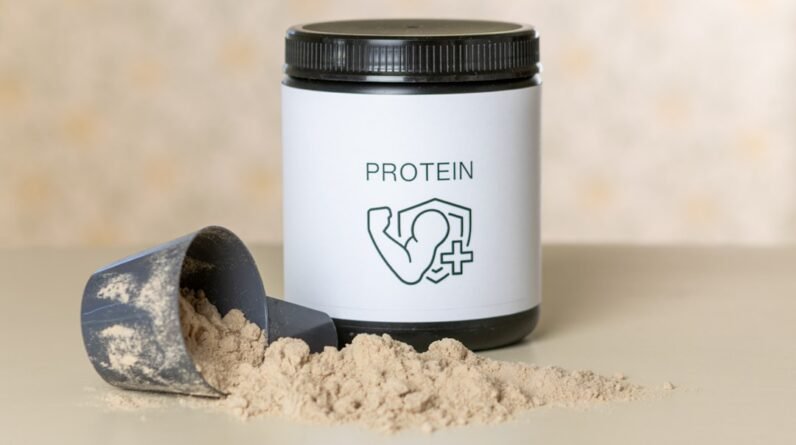
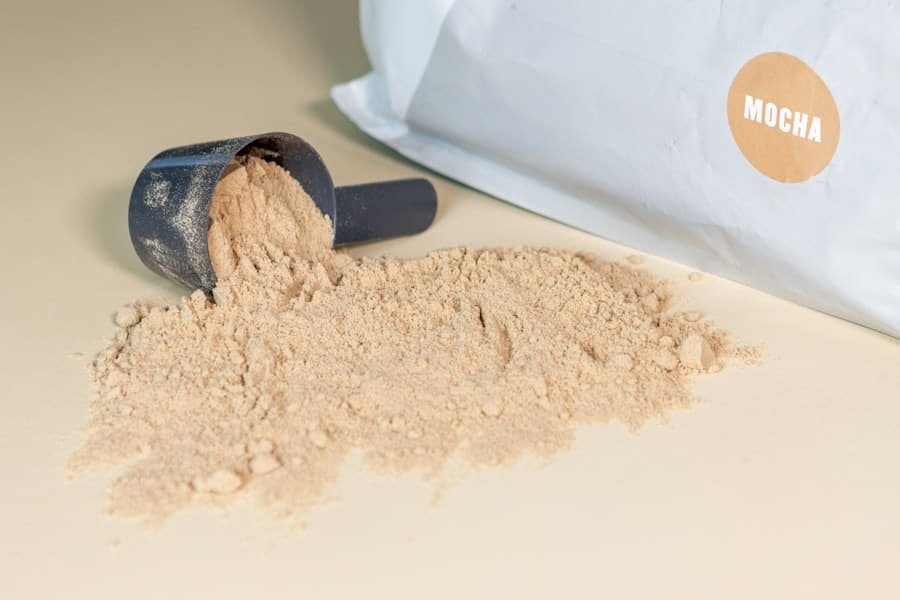
While whole foods should always be the foundation of your nutrition plan, certain supplements can complement your efforts in building muscle. Protein powders are among the most popular supplements used by those looking to increase their protein intake conveniently. They can be particularly useful if you struggle to meet your protein needs through food alone or if you’re on the go.
Other supplements worth considering include creatine monohydrate, which has been shown to enhance strength and power output during high-intensity workouts. Branched-chain amino acids (BCAAs) may also be beneficial for reducing muscle soreness and promoting recovery when taken before or after workouts. However, it’s essential to approach supplementation with caution; always consult with a healthcare professional before adding new supplements to your routine to ensure they align with your individual goals and needs.
Nutrition and Recovery for Muscle Growth
Recovery is an integral part of any successful muscle-building program, and nutrition plays a pivotal role in this process. After intense workouts, your muscles need time to repair and grow stronger; proper nutrition can expedite this recovery phase significantly. Consuming adequate amounts of protein post-workout is crucial for providing the building blocks necessary for muscle repair.
In addition to protein intake, focusing on nutrient-dense foods that provide vitamins and minerals can further enhance recovery. Foods rich in antioxidants—such as berries, leafy greens, and nuts—can help reduce inflammation caused by intense exercise. Furthermore, incorporating healthy fats into your diet can support hormone production and overall recovery processes within the body.
In conclusion, understanding the importance of nutrition for muscle growth is vital for anyone looking to enhance their fitness journey. By focusing on macronutrients like protein, carbohydrates, and fats while also considering micronutrients, hydration, meal timing, supplements, and recovery strategies, you can create a comprehensive approach that supports optimal muscle development. Remember that consistency is key; by making informed nutritional choices over time, you’ll set yourself up for success in achieving your muscle-building goals.
If you are looking to build muscle, it is important to focus on proper nutrition. A related article that provides valuable information on how to build muscle is this article which discusses various strategies and techniques for maximizing muscle growth. Additionally, for those looking to build muscle at home, this article offers insights into effective calisthenics and plyometric workouts. And for individuals over the age of 50 who are interested in building muscle, this article provides helpful tips and advice on how to achieve muscle growth in older adults. By combining proper nutrition with targeted workouts, individuals can effectively build muscle and achieve their fitness goals.
FAQs
What is the role of nutrition in muscle growth?
Nutrition plays a crucial role in muscle growth as it provides the necessary nutrients for muscle repair, recovery, and growth. Consuming the right balance of macronutrients (protein, carbohydrates, and fats) and micronutrients (vitamins and minerals) is essential for optimizing muscle growth.
What are the key nutrients for muscle growth?
Protein is the most important nutrient for muscle growth, as it provides the building blocks (amino acids) necessary for muscle repair and growth. Carbohydrates are also important for providing energy during workouts and replenishing glycogen stores. Additionally, fats, vitamins, and minerals play important roles in supporting overall health and muscle function.
How much protein is needed for muscle growth?
The general recommendation for protein intake for muscle growth is around 1.6-2.2 grams of protein per kilogram of body weight per day for individuals engaging in regular resistance training. However, individual protein needs may vary based on factors such as age, gender, and intensity of exercise.
What are some good sources of protein for muscle growth?
Good sources of protein for muscle growth include lean meats (chicken, turkey, lean beef), fish, eggs, dairy products (milk, yogurt, cheese), legumes (beans, lentils), and plant-based sources such as tofu and tempeh. Protein supplements like whey protein, casein protein, and plant-based protein powders can also be used to meet protein needs.
How does timing of nutrient intake impact muscle growth?
Timing of nutrient intake, particularly protein and carbohydrates, can impact muscle growth. Consuming protein and carbohydrates before and after workouts can help support muscle repair and recovery. Additionally, spreading protein intake evenly throughout the day can also support muscle protein synthesis.
Are there any specific dietary strategies for maximizing muscle growth?
In addition to consuming adequate protein and carbohydrates, individuals looking to maximize muscle growth may benefit from following a balanced diet that includes a variety of nutrient-dense foods. Additionally, staying hydrated, getting enough sleep, and managing stress are important factors for supporting muscle growth.