
Home Gym Strength Equipment
In recent years, the home gym concept has gained immense popularity, transforming the way individuals approach fitness. The convenience of working out in your own space, free from the distractions and crowds of a commercial gym, is incredibly appealing. Home gym strength equipment allows you to tailor your workouts to your specific needs and preferences, making staying committed to your fitness journey easier.
Whether you are a seasoned athlete or just starting, having access to quality strength equipment at home can significantly enhance your training experience.
The rise of home fitness has been fueled by various factors, including busy lifestyles, the desire for privacy, and the increasing availability of affordable equipment. You might be surprised that you don’t need many machines to create an effective home gym.
With just a few key pieces of strength equipment, you can achieve a comprehensive workout that targets all major muscle groups. This article will explore the benefits of having home gym strength equipment, the types available, how to choose the right items for your space and much more.
Key Takeaways
- Home gym strength equipment provides convenience and flexibility for workouts at home.
- Having home gym strength equipment saves time and money on gym memberships and commuting.
- Types of home gym strength equipment include dumbbells, barbells, kettlebells, resistance bands, and weight machines.
- When choosing home gym strength equipment, consider your fitness goals, available space, and budget.
- Setting up a home gym with strength equipment requires proper planning, organization, and safety considerations.
Benefits of Having Home Gym Strength Equipment
One of the most significant advantages of investing in home gym strength equipment is its convenience. Imagine working out whenever it fits into your schedule, without the need to commute to a gym or adhere to its hours of operation. This flexibility can particularly benefit those with busy lives or family commitments.
You can easily squeeze in a workout during your lunch break or after putting the kids to bed, making maintaining a consistent fitness routine easier. Additionally, having your strength equipment can lead to cost savings over time. While the initial investment may seem substantial, consider how much you spend on gym memberships, travel expenses, and even classes.
You eliminate those recurring costs once you have your equipment set up at home. Moreover, you can choose high-quality items that will last years, ensuring your investment pays off in the long run. Working out at home allows you to focus more on your fitness goals without the distractions often found in a public gym setting.
Types of Home Gym Strength Equipment
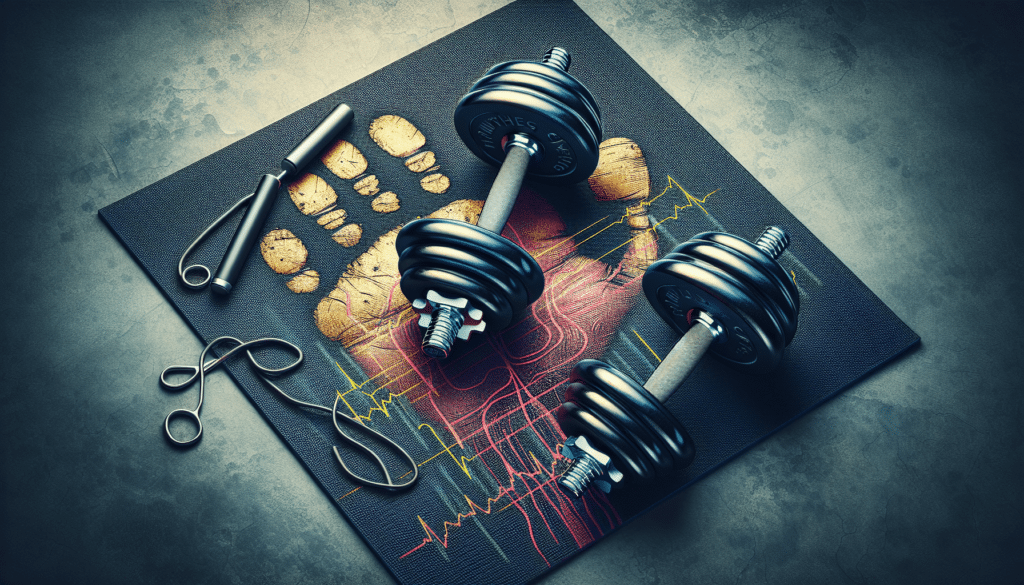
When it comes to home gym strength equipment, a wide variety of options are available to suit different fitness levels and preferences. Free weights, including dumbbells and kettlebells, are among the most popular choices. These versatile tools allow you to perform various exercises targeting various muscle groups.
You might appreciate how easy they are to store and how they can be used for strength training and functional movements. Resistance bands are another excellent addition to your home gym. They are lightweight and portable and can provide varying levels of resistance depending on their thickness.
You can use them for strength training, rehabilitation exercises, or even as part of a warm-up routine. If you want something more comprehensive, consider investing in a multi-gym or a power rack. This equipment offers multiple exercise options in one compact unit, allowing you to perform everything from squats to bench presses without an extensive setup.
How to Choose the Right Home Gym Strength Equipment
Given the multitude of options available, selecting the right home gym strength equipment can feel overwhelming. You can start by assessing your fitness goals and current skill level. Are you looking to build muscle mass, improve endurance, or maintain overall fitness?
Understanding your objectives will help you determine which types of equipment will best support your training regimen. Next, could you consider the space you have available for your home gym? You may have limited room, so you’ll want to prioritize compact and versatile equipment.
For instance, adjustable dumbbells can save space while still providing a range of weights for different exercises. Additionally, consider your budget; while it’s tempting to go for high-end brands, plenty of affordable options offer excellent quality. Researching reviews and seeking recommendations can help you make informed decisions that align with both your goals and financial constraints.
Setting Up a Home Gym with Strength Equipment
Once you’ve chosen your strength equipment, it’s time to set up your home gym. The first step is to find an appropriate space that allows movement and is free from distractions. Ideally, this area should have enough room for you to perform exercises safely without feeling cramped.
If space is limited, consider using a spare room, basement, or a corner of your living room. After you designate your workout area, please think about how to arrange your equipment for maximum efficiency. Could you place frequently used items within easy reach while ensuring enough space for movement between different pieces of equipment?
Consider adding a mirror; this helps you monitor your form during exercises and adjust as needed. Finally, don’t forget to create an inviting atmosphere—adding motivational posters or playing your favorite workout music can enhance your experience and motivate you.
Safety Tips for Using Home Gym Strength Equipment
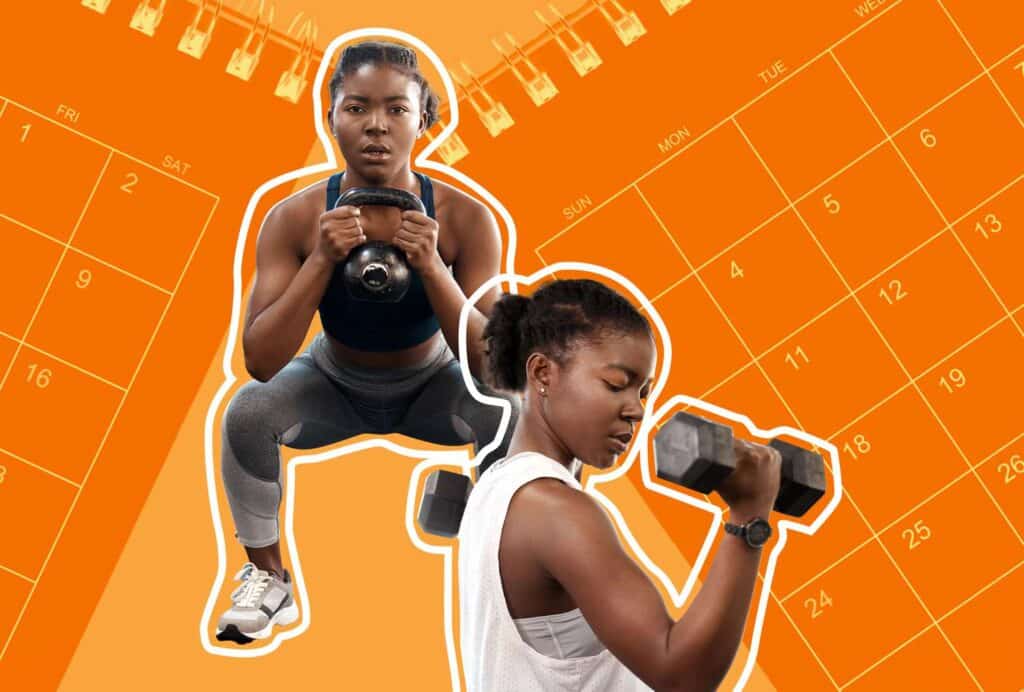
Safety should always be a top priority when using home gym strength equipment. Before starting any workout routine, ensure that you are familiar with how each piece of equipment works and follow any provided instructions carefully. If you’re unsure about the proper form or technique for specific exercises, consider watching instructional videos or consulting a fitness professional.
Also, always warm up before you dive into your workout. A proper warm-up increases blood flow to your muscles and prepares your body for more intense activity, reducing the risk of injury. As you progress in your training, listen to your body; if something feels off or painful, don’t hesitate to take a break or modify the exercise.
Finally, ensure that your workout area is free from clutter and hazards that could cause accidents.
Maintenance and Care for Home Gym Strength Equipment
Use appropriate cleaning solutions based on the material of your equipment—most metal surfaces can be wiped down with a damp cloth, while rubber or foam components may require specialized cleaners.
Additionally, periodically check for any signs of damage or wear on your equipment. Inspect cables on machines for fraying or wear and ensure that all bolts and screws are correctly tightened. If you notice any issues, address them immediately to prevent further damage or potential injury during use.
By taking care of your equipment, you’ll extend its lifespan and ensure a safe and effective workout environment.
Alternatives to Home Gym Strength Equipment
While having dedicated strength equipment at home is beneficial, some alternatives can provide effective workouts without requiring significant investment or space.
Bodyweight exercises are an excellent option; movements like push-ups, squats, lunges, and planks utilize your weight as resistance and can be performed anywhere. Incorporating these exercises into your routine helps build strength without needing additional equipment.
Another alternative is utilizing household items such as makeshift weights or resistance tools. For example, filled water bottles can serve as light dumbbells, while sturdy chairs can be used for step-ups or tricep dips. Additionally, outdoor activities such as hiking or running can complement your strength training by improving overall fitness and endurance.
By exploring these alternatives, you can maintain an effective workout regimen even if you’re not ready to invest in traditional strength equipment just yet. Creating a home gym with strength equipment offers numerous benefits that cater to various lifestyles and fitness goals. By understanding the types of equipment available and how to choose what’s right for you, setting up an adequate workout space becomes an achievable task.
Remember to prioritize safety and maintenance while considering alternative workout methods when necessary. With dedication and the right tools, you can embark on a fulfilling fitness journey right from the comfort of your own home.
If you want to build muscle and burn fat with your home gym strength equipment, check out this article on Musclesbuilder. Tips. It provides valuable tips and strategies for maximizing your workouts and achieving your fitness goals.
Additionally, it helps you understand the importance of macronutrients, as discussed in this article on musclesbuilders. Tips can help you fuel your body correctly for optimal performance. And if you’re specifically interested in arm workouts and exercises to complement your strength training routine, this article on musclesbuilder.tips offer a variety of effective options to target and strengthen your arms.
FAQs
What are the benefits of having home gym strength equipment?
Home gym strength equipment allows you to conveniently work out anytime without traveling to a gym. It also provides privacy and flexibility in your workout schedule.
What types of strength equipment are suitable for a home gym?
Common types of strength equipment for a home gym include dumbbells, barbells, weight benches, power racks, and resistance bands. Other options include kettlebells, weight plates, and cable machines.
How much space is needed for home gym strength equipment?
The space needed for home gym strength equipment depends on the specific equipment and your workout needs. However, a dedicated area of at least 10×10 feet is recommended to accommodate most strength equipment.
What are some safety considerations when using home gym strength equipment?
Ensuring the equipment is set up and used properly to prevent injuries is essential. This includes using proper form and spotters when necessary and regularly maintaining the equipment.
What are some popular brands of home gym strength equipment?
Popular home gym strength equipment brands include Bowflex, Rogue Fitness, NordicTrack, Weider, and Marcy. These brands offer a range of equipment to suit different workout preferences and budgets.
Can home gym strength equipment be used for different types of workouts?
Home gym strength equipment can be used for various workouts, including strength training, bodybuilding, circuit training, and high-intensity interval training (HIIT). Its versatility allows for a wide range of exercises and routines.
Related Topics About Home Gym Strength Equipment
At Home Gym Equipment Strength Training,
Can You Build Muscle At Home With Weights,
Home Gym Equipment List,
Home Gym Equipment Power Rack,
Home Gym Equipment Recommendations,
Home Gym Equipment Workout Routine,
Home Gym Exercise Equipment Online,
Home Gym Machine Exercise Chart,
Home Gym Machine Exercise Chart Pdf,
Home Gym Machine Workout Chart,
Home Gym Strength Equipment,
Home Gym Strength Training Equipment,
Home Gym Strength Training Machine,
Home Gym Workout Cable Machine,
Home Gym Workout Equipment At,
Home Gym Workout Equipment Sale,
Home Gym Workout Without Equipment,
Home Workout Gym Equipment Set,
How To Use Home Gym Equipment,
Multi Gym Exercise Equipment For Sale,
What Equipment For Home Gym,
What Is The Most Effective Home Gym Equipment
===========
Content 10/10/G