
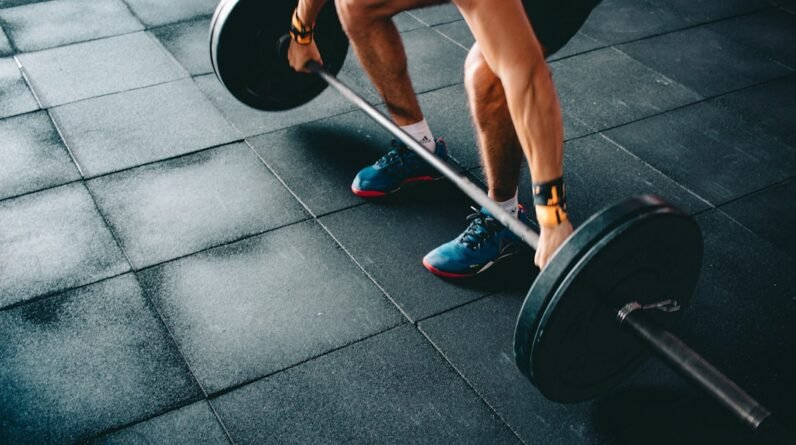
Proper Lifting Techniques
Understanding the proper techniques for lifting is crucial for your safety and well-being, whether in the workplace or at home. Proper lifting techniques help you avoid injuries and ensure that you can perform tasks efficiently and effectively. You may not realize it, but how you lift objects can significantly impact your physical health.
Proper methods protect your back, joints, and muscles from unnecessary strain. This article will explore the fundamentals of proper lifting techniques, the risks associated with improper lifting, and how to prepare yourself for a lift. You will also learn about body mechanics, the importance of appropriate equipment, and tips for safe lifting practices.
By the end of this discussion, you will have a comprehensive understanding of how to lift safely and effectively, which is essential for anyone who regularly handles heavy objects.
Key Takeaways
- Proper lifting techniques are essential for preventing injuries and strains.
- Improper lifting can lead to serious risks, such as back injuries and muscle strains.
- Before lifting, it’s essential to warm up and assess the object to be lifted.
- Using proper body mechanics, such as bending at the knees and keeping the back straight, is crucial for safe lifting.
- Using the right equipment and tools can make lifting tasks safer and more efficient.
Understanding the Risks of Improper Lifting
Improper lifting can lead to many injuries, some of which can be severe and long-lasting. When you lift incorrectly, you place undue stress on your muscles and joints, particularly in your back. This can result in strains, sprains, or even more serious conditions like herniated discs.
You might think that a single instance of poor lifting won’t have consequences, but repeated improper techniques can accumulate over time, leading to chronic pain and discomfort. Moreover, the risks of improper lifting extend beyond physical injuries. You may also experience decreased productivity and increased absenteeism due to pain or recovery time.
In a workplace environment, this can affect not only your performance but also that of your colleagues. Understanding these risks is vital; it reminds us that taking the time to learn and implement proper lifting techniques is an investment in our long-term health and productivity.
Preparing for a Lift: Warm-Up and Assessment
Preparing your body adequately before you lift an object is essential. Just like athletes warm up before a game, you should engage in a warm-up routine to prepare your muscles for the task ahead. Simple stretches targeting your back, legs, and arms can increase blood flow and flexibility, reducing the risk of injury.
Please take a few minutes to perform dynamic stretches that mimic the movements you’ll be doing during the lift. This will help activate the muscles you’ll rely on. In addition to warming up, I would also like to point out that assessing the object you plan to lift is also essential. Consider its weight, size, and shape.
Is it awkwardly shaped or bulky? Will you be able to maintain a clear line of sight while lifting? These questions are crucial for determining whether you can lift the object safely on your own or if you need assistance or equipment.
Taking the time to evaluate both your physical readiness and the characteristics of the object can make all the difference in ensuring a safe lifting experience.
Proper Body Mechanics for Lifting
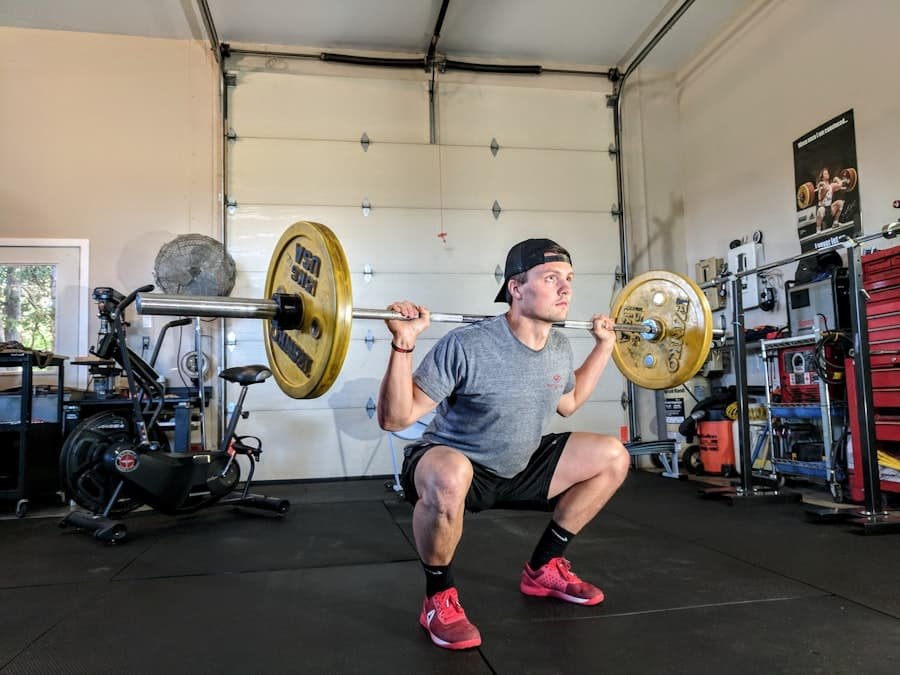
Understanding proper body mechanics is fundamental to lifting safely. When preparing to lift an object, position yourself close to it; this minimizes strain on your back and allows you to use your legs for power. Bend at your knees rather than your waist; this technique engages your leg muscles instead of putting pressure on your back.
As you lift, keep your back straight and maintain a neutral spine position. This alignment helps distribute weight evenly across your body and reduces the risk of injury. Additionally, using your legs to lift is essential rather than relying solely on your upper body strength.
As you rise from the squat position, engage your core muscles to provide additional support. If you’re carrying an object, hold it close to your body; this reduces leverage on your spine and makes it easier to maintain balance. Remember that turning or twisting while lifting can lead to injuries; instead, pivot with your feet to change direction while keeping your body aligned.
Using Proper Equipment and Tools for Lifting
Proper equipment can significantly enhance safety during lifting tasks in many situations. Tools such as dollies, forklifts, or hoists are designed to assist with heavy loads and reduce physical strain. If you’re working in a daily heavy-lifting environment, please familiarize yourself with the available equipment and how to use it correctly.
This knowledge not only protects you but also promotes a culture of safety within your workplace. Even simple tools like lifting straps or harnesses can make a difference when handling awkwardly shaped items. These tools help distribute weight more evenly and provide additional support during lifts.
You can continue to assess whether mechanical assistance is available before attempting to lift something heavy. Utilizing the right equipment can minimize risks and ensure that lifting tasks are completed safely and efficiently.
Tips for Safe and Effective Lifting
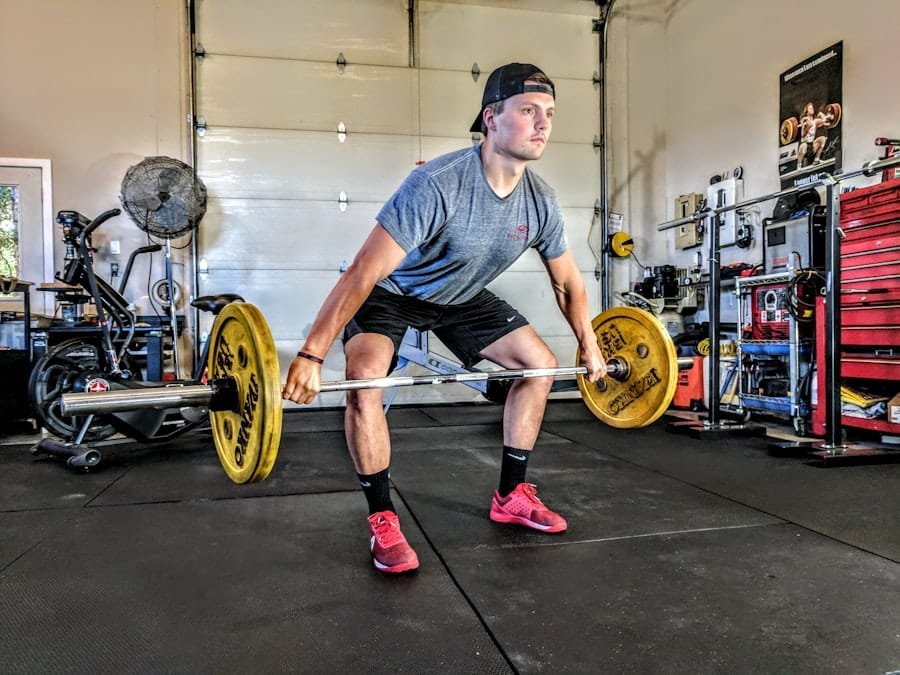
Please consider implementing some practical tips into your routine to help reduce lifting safety. First and foremost, always ask for help when needed; there’s no shame in seeking assistance for heavy or awkward loads. Teamwork makes lifting more manageable and reduces the risk of injury for everyone involved.
If you’re working alone, take breaks as necessary; fatigue can lead to poor lifting techniques and increase the likelihood of accidents. Another helpful tip is to maintain a clear path before you begin lifting. Remove any obstacles that could cause you to trip or lose balance while carrying an object.
Additionally, ensure that you have a designated spot where you plan to place the item once lifted; this will help you avoid awkward movements or sudden shifts in weight that could lead to injury. Incorporating these simple yet effective strategies into your lifting routine can significantly enhance your safety and efficiency.
Common Mistakes to Avoid When Lifting
If an object feels too heavy or awkward, don’t hesitate to seek help or use equipment designed for such tasks. Another standard error is neglecting proper posture during lifts. Many people instinctively bend at their waists rather than their knees, which places excessive strain on their backs.
Failing to engage core muscles while lifting can lead to instability and increase injury risk. Being mindful of these mistakes is essential; by recognizing them and consciously avoiding them, you can significantly improve your lifting technique and overall safety.
Importance of Practicing Proper Lifting Techniques
Practicing proper lifting techniques is not just about avoiding injuries; it’s about fostering a culture of safety and well-being in all aspects of life. Whether at work or home, understanding how to lift correctly can have lasting benefits for both your physical health and productivity levels. By learning about body mechanics, preparing adequately for lifts, using appropriate equipment, and avoiding common mistakes, you empower yourself to handle tasks more effectively.
Ultimately, prioritizing safe lifting practices is an investment in yourself. The knowledge gained from understanding proper techniques will serve you well throughout your life, allowing you to engage in physical activities with confidence and ease. Remember that safety should always come first; by making conscious choices about how you lift today, you’re setting yourself up for a healthier tomorrow.
Proper lifting techniques are essential for preventing injuries and maximizing muscle gains. A related article on breaking through training plateaus discusses the importance of varying your workout routine to continue making progress in your fitness journey. By incorporating different exercises and techniques, you can challenge your muscles in new ways and avoid hitting a plateau. Check out the article here for more tips on overcoming stagnation in your workouts.
FAQs
What are proper lifting techniques?
Proper lifting techniques involve lifting and carrying objects to minimize the risk of injury to the back and other body parts.
Why is it important to use proper lifting techniques?
Proper lifting techniques are essential to prevent back injuries, muscle strains, and other physical injuries when lifting heavy objects.
What are some standard proper lifting techniques?
Standard proper lifting techniques include bending at the knees, keeping the back straight, using the legs to lift, and avoiding twisting while lifting.
How can I improve my lifting technique?
You can improve your lifting technique by practicing proper body mechanics, using lifting aids when necessary, and seeking guidance from a physical therapist or trainer.
What are the consequences of not using proper lifting techniques?
Not using proper lifting techniques can lead to back pain, muscle strains, herniated discs, and other serious injuries that can impact your ability to work and perform daily activities.
Related Topics About Proper Lifting Techniques
6 Steps For Proper Lifting Techniques,
Correct Lifting Technique Steps,
Ergonomics Plus Proper Lifting Techniques,
Explain Proper Lifting Techniques,
Proper Lifting Technique Order,
Proper Lifting Technique To Avoid Injury,
Proper Lifting Techniques At Work,
Proper Lifting Techniques Ati Template,
Proper Lifting Techniques Construction,
Proper Lifting Techniques Culinary,
Proper Lifting Techniques Ergonomics,
Proper Lifting Techniques Harris Teeter Answers,
Proper Lifting Techniques Harris Teeter Quizlet,
Proper Lifting Techniques In Spanish,
Proper Lifting Techniques In Warehouse,
Proper Lifting Techniques Include Osha Quizlet,
Proper Lifting Techniques Include Quizlet,
Proper Lifting Techniques Includes
Which Of These Guidelines,
Proper Lifting Techniques Of Patients,
Proper Lifting Techniques Osha Pdf,
Proper Lifting Techniques Osha Video,
Proper Lifting Techniques Safety Talk,
Proper Lifting Techniques Spanish,
Proper Lifting Techniques Steps,
Proper Lifting Techniques Toolbox Talk,
Proper Lifting Techniques Training,
Proper Lifting Techniques Video,
Proper Lifting Techniques Warehouse,
Proper Lifting Techniques Worksafebc,
Safe Lifting Technique Steps,
Safe Lifting Techniques Of Children,
Safe Lifting Techniques Safety Moment,
Use Proper Lifting Techniques,
Using Proper Lifting Techniques Is An Example Of
============
Content 10/10/G