Welcome to the world of muscle gain! If you’re looking to bulk up and increase your strength, you’ve come to the right place. This article will guide you through a muscle gain diet plan that will help you achieve your fitness goals. From the best foods to eat to the importance of proper nutrition, we’ve got you covered. Get ready to fuel your body and see the results you’ve been working hard for! Have you been hitting the gym regularly but feel like you’re not seeing the muscle gain results you desire? Your diet may be the missing piece of the puzzle. Building muscle requires not only hard work in the gym but also proper nutrition to fuel your body and support muscle growth. In this article, we will discuss the importance of a muscle gain diet plan and provide you with tips and guidance on how to create one that works for you. Let’s get started!
Importance of a Muscle Gain Diet Plan
When it comes to building muscle, what you eat is just as important as how you train. A muscle gain diet plan is crucial for providing your body with the nutrients it needs to repair and grow muscle tissue. Without the right balance of macronutrients and calories, your body will struggle to build muscle effectively, no matter how hard you work out.
Fueling Your Workouts
One of the key roles of a muscle gain diet plan is to provide your body with the energy it needs to power through intense workouts. Carbohydrates are your body’s primary source of energy during exercise, so ensuring you have an adequate intake of carbs in your diet is essential for optimizing your performance in the gym.
Supporting Muscle Growth
Protein is the building block of muscle tissue, making it a crucial component of any muscle gain diet plan. Adequate protein intake is necessary to repair and rebuild muscle fibers that are broken down during resistance training. Without enough protein in your diet, your body will struggle to repair and grow muscle tissue effectively.
Macronutrients for Muscle Gain
Creating a muscle gain diet plan involves paying attention to your macronutrient intake. Macronutrients are the three main components of food: carbohydrates, proteins, and fats. Balancing these macronutrients correctly can help you achieve your muscle gain goals.
Carbohydrates
Carbohydrates are the body’s primary source of energy and play a crucial role in fueling intense workouts. Including an adequate amount of carbs in your muscle gain diet plan can help optimize your performance in the gym and support muscle growth. Focus on consuming complex carbohydrates like whole grains, fruits, and vegetables for sustained energy levels.
Proteins
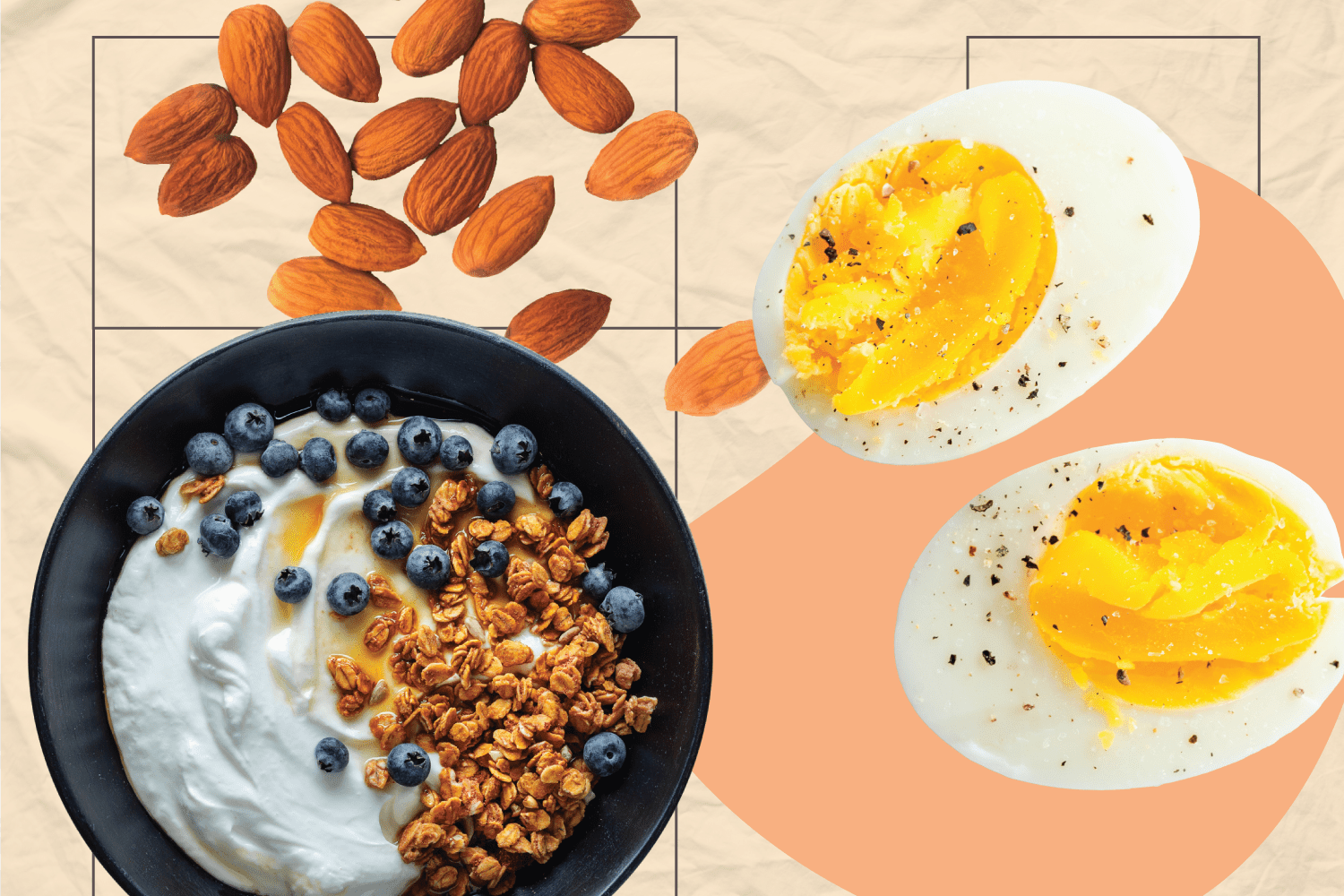
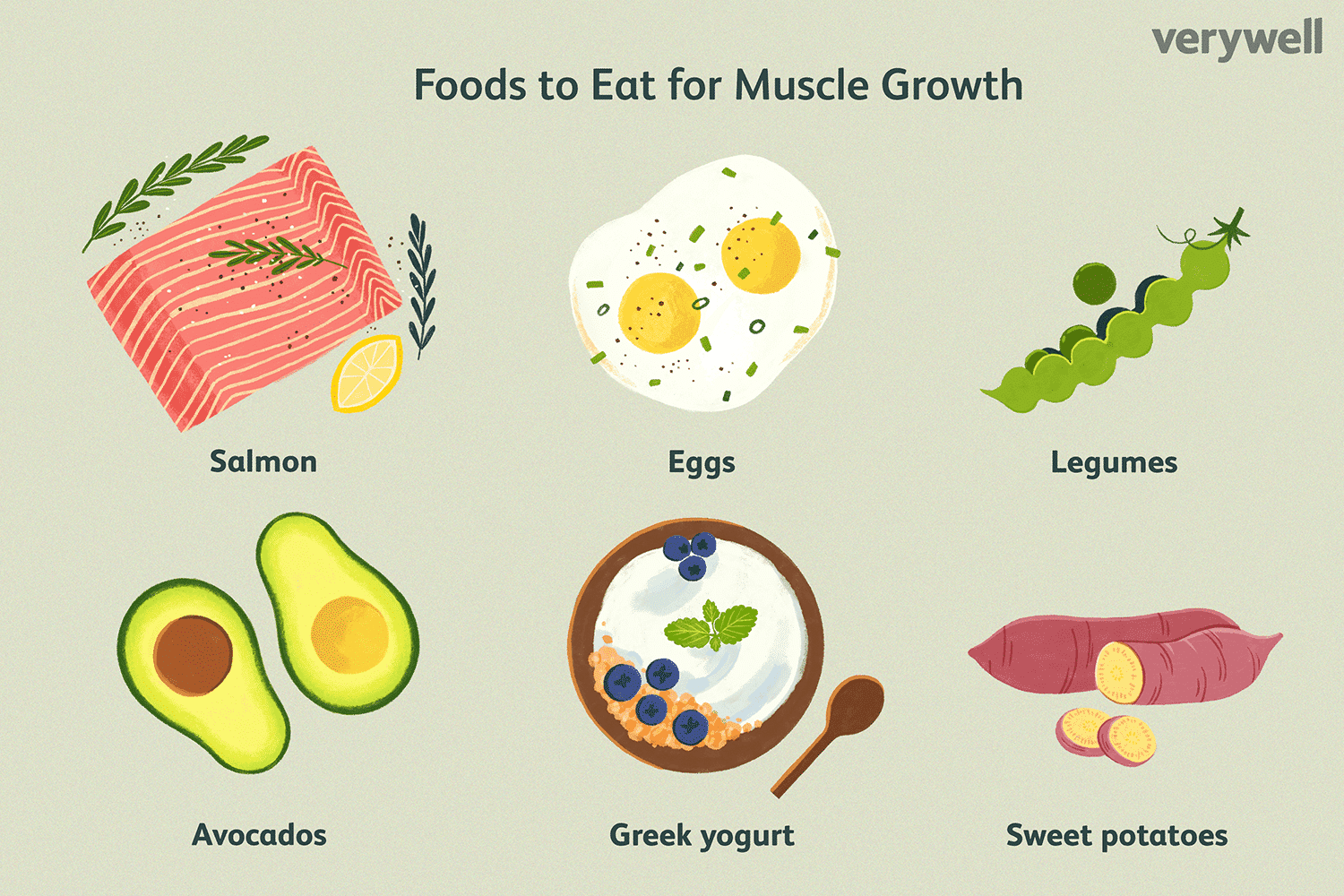
Proteins are essential for building and repairing muscle tissue. Including sources of high-quality protein in your muscle gain diet plan, such as lean meats, poultry, fish, eggs, dairy products, and plant-based proteins, can help support muscle growth and recovery. Aim to include a source of protein in every meal and snack throughout the day.
Fats
While often overlooked, fats are an important part of a muscle gain diet plan. Healthy fats play a role in hormone production, energy storage, and nutrient absorption. Include sources of unsaturated fats like avocados, nuts, seeds, and olive oil in your diet to support overall health and muscle growth.
Caloric Intake for Muscle Gain
In addition to balancing your macronutrient intake, caloric intake plays a crucial role in supporting muscle gain. Consuming the right number of calories for your activity level and muscle gain goals is essential for providing your body with the energy it needs to build muscle effectively.
Calculating Your Basal Metabolic Rate (BMR)
Your basal metabolic rate (BMR) is the number of calories your body needs to maintain basic physiological functions at rest. Calculating your BMR can help you determine your daily caloric intake for muscle gain. Several online calculators can help you estimate your BMR based on factors like age, weight, height, and activity level.
Adjusting Your Caloric Intake
Once you know your BMR, you can adjust your caloric intake based on your activity level and muscle gain goals. To build muscle, you’ll need to consume more calories than your body burns through exercise and daily activities. Aim to consume a slight caloric surplus of 250-500 calories per day to support muscle growth without excessive fat gain.
Tracking Your Progress
Monitoring your caloric intake and adjusting as needed is essential for effective muscle gain. Keep track of your food intake and adjust your caloric intake based on your progress in the gym and changes in your body composition. Remember that consistency is key when it comes to achieving your muscle gain goals.
Meal Timing and Frequency
In addition to the macronutrient and caloric content of your diet, meal timing and frequency can also play a role in optimizing muscle gain. Paying attention to when and how often you eat can help support muscle growth and recovery.
Pre-Workout Nutrition
Eating a balanced meal or snack before your workout can help fuel your performance in the gym and support muscle growth. Aim to consume a combination of carbohydrates and protein 1-2 hours before your workout to provide your body with the energy it needs to train effectively.
Post-Workout Nutrition
After your workout, it’s essential to refuel your body with a combination of carbohydrates and protein to support muscle recovery and growth. Consuming a protein-rich meal or shake within 30 minutes to an hour after your workout can help repair muscle tissue and replenish glycogen stores.
Meal Frequency
Some people find that eating smaller, more frequent meals throughout the day can help support muscle gain by providing a steady source of nutrients to the body. Experiment with different meal frequencies to see what works best for you and supports your muscle gain goals.
Hydration for Muscle Gain
Hydration plays a critical role in overall health and muscle gain. Staying properly hydrated is essential for supporting digestion, nutrient absorption, and muscle function. Dehydration can negatively impact your workout performance and recovery, so it’s important to prioritize hydration as part of your muscle gain diet plan.
Water Intake
Aim to drink an adequate amount of water throughout the day to stay hydrated. The general recommendation is to aim for 8-10 glasses of water per day, but your individual water needs may vary based on factors like your activity level and climate. Pay attention to signs of dehydration like dark urine, fatigue, and headaches, and increase your water intake accordingly.
Electrolyte Balance
Electrolytes like sodium, potassium, and magnesium play a crucial role in fluid balance, muscle function, and nerve signaling. Including electrolyte-rich foods like fruits, vegetables, nuts, and seeds in your muscle gain diet plan can help maintain proper electrolyte balance and support muscle health.
Supplements for Muscle Gain
While a well-rounded diet should provide you with the nutrients you need to support muscle gain, some individuals may benefit from supplementing their diet with certain nutrients or products. Before adding any supplements to your routine, it’s essential to consult with a healthcare provider or nutritionist to ensure they are appropriate for your needs.
Protein Supplements
Protein supplements like whey protein powder can be a convenient way to increase your protein intake and support muscle growth. Consuming a protein shake post-workout or as a snack throughout the day can help you meet your protein needs and support muscle recovery.
Creatine
Creatine is a popular supplement that can help improve athletic performance, increase muscle mass, and enhance strength gains. While creatine is naturally found in small amounts in animal products, supplementing with creatine monohydrate can help elevate your body’s creatine stores and support muscle gain.
Branched-Chain Amino Acids (BCAAs)
BCAAs are essential amino acids that play a role in muscle protein synthesis and muscle recovery. Supplementing with BCAAs before, during, or after your workouts can help support muscle growth, reduce muscle soreness, and improve exercise performance.
Creating Your Muscle Gain Diet Plan
Now that you have a better understanding of the key components of a muscle gain diet plan, it’s time to create a plan that works for you. Keep in mind that everyone’s nutritional needs and preferences are different, so it may take some trial and error to find a diet that supports your muscle gain goals effectively.
Assessing Your Current Diet
Start by assessing your current diet to identify any areas where you may be lacking in essential nutrients or calories. Keep a food journal for a few days to track your meals, snacks, and beverages and analyze your macronutrient intake. Look for patterns or deficiencies that may be impacting your muscle gain efforts.
Setting Realistic Goals
Before making any changes to your diet, it’s essential to set realistic and achievable goals for your muscle gain journey. Consider factors like your current body composition, activity level, and muscle gain timeline when setting your goals. Remember that muscle gain is a gradual process that requires consistency and dedication.
Planning Your Meals
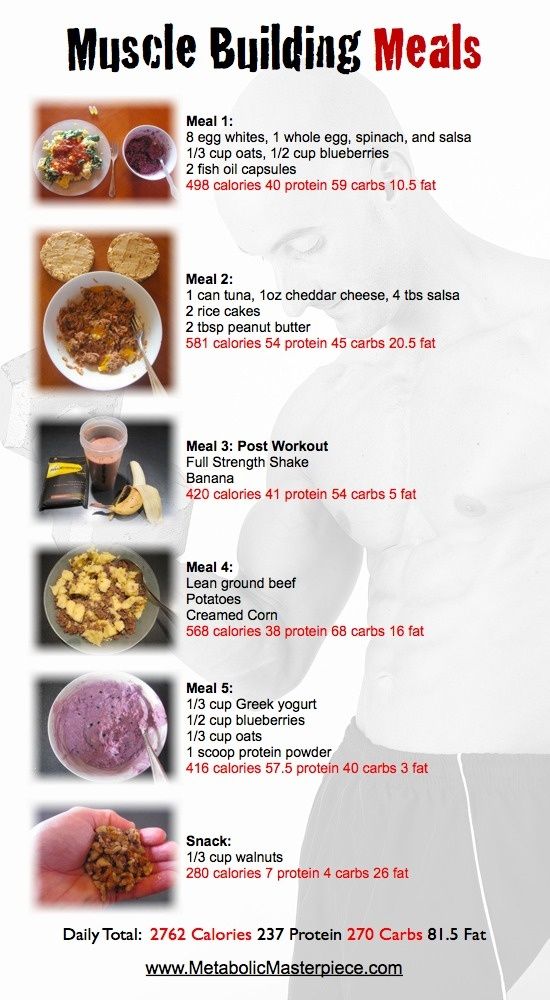
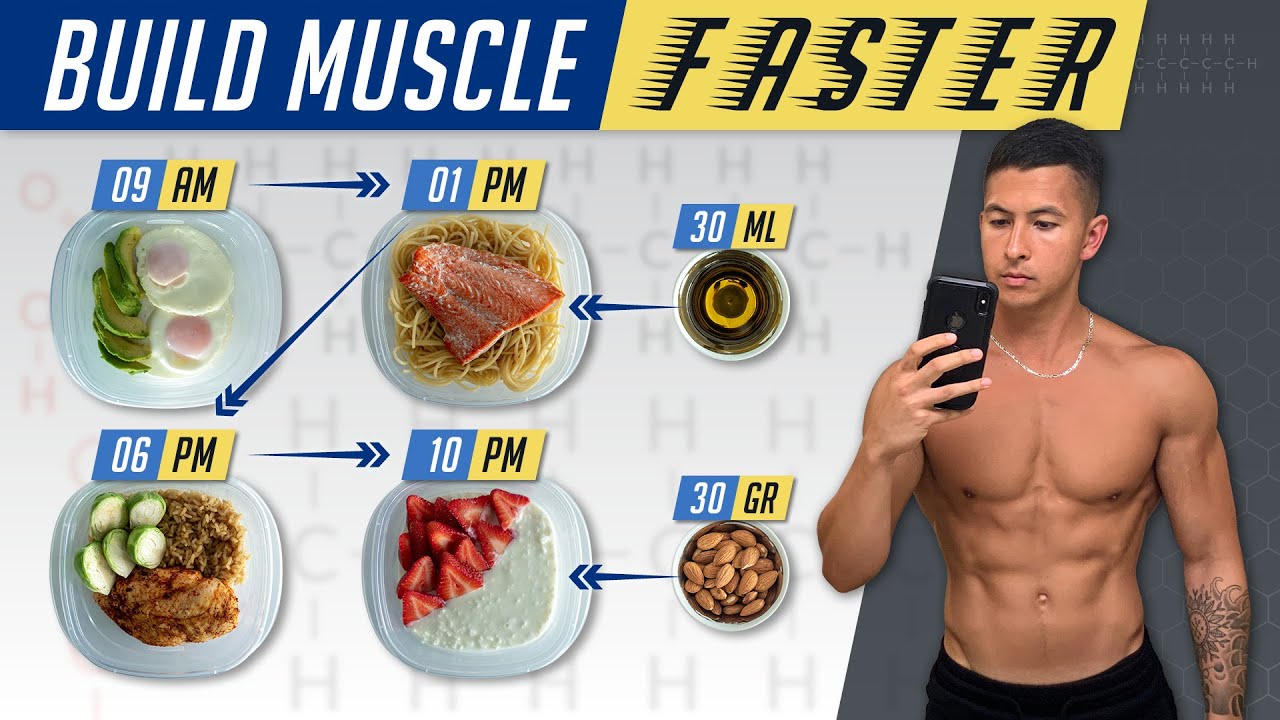
Once you have a better understanding of your nutritional needs and goals, it’s time to plan your meals accordingly. Focus on including a balance of carbohydrates, proteins, and fats in each meal and snack throughout the day to support muscle growth and recovery. Experiment with different recipes and cooking methods to keep your meals exciting and enjoyable.
Adjusting Based on Feedback
As you progress with your muscle gain diet plan, pay attention to how your body responds to changes in your diet. Monitor your energy levels, workout performance, and muscle growth to determine if your current plan is effective. Don’t be afraid to adjust your diet based on feedback from your body and make changes as needed.
A muscle gain diet plan is a crucial component of any successful muscle building journey. By balancing your macronutrient intake, caloric intake, meal timing, and hydration, you can support muscle growth, optimize performance in the gym, and achieve your muscle gain goals effectively. Remember that consistency, patience, and listening to your body are key when it comes to building muscle and improving your overall health and fitness. With the right nutrition and training regimen, you can take your muscle gain journey to the next level and see the results you desire. Good luck!
Related Topics About Muscle Gain Diet Plan
Best Muscle Building Diet Plan Pdf,
Cheap Muscle Gain Diet Plan,
Diet Plan To Gain Muscle And Lose Belly Fat,
Diet Plan To Gain Muscle And Lose Fat,
Diet Plan To Gain Muscle Vegetarian,
Diet Plan To Gain Muscle Women,
How Many Meals Should I Eat To Gain Muscle,
How To Gain Muscle At Home Diet,
Muscle Building Diet And Exercise Plan,
Muscle Building Diet And Workout Plan,
Muscle Building Diet Plan In Summer,
Muscle Building Diet Plan Without Supplements,
Muscle Gain Diet And Workout Plan,
Muscle Gain Diet Plan,
Muscle Gain Diet Plan For Office Workers,
Muscle Gain Diet Plan Sample,
Sample Diet For Lean Muscle Gain,
The Best Muscle Gain Diet Plan,
What Is The Best Food For Putting On Muscle