Welcome to the ultimate guide on how much protein you need to build muscle each day. Protein is essential for muscle growth and repair, but figuring out the right amount to consume can be confusing. In this article, we will break down the recommended daily protein intake, the best sources of protein, and how to incorporate protein into your diet to optimize muscle building. Whether you’re a fitness enthusiast or just looking to enhance your strength, this article will help you reach your muscle-building goals. So grab a protein-packed snack and get ready to learn how to fuel your muscles effectively! Have you ever wondered how much protein you need to build muscle every day? Well, you’ve come to the right place. In this article, we will break down the science behind protein intake for muscle growth and provide you with a detailed guide on how much protein you should be consuming daily to maximize your gains. Let’s dive in!
Understanding Protein and Muscle Growth
Protein is an essential macronutrient that plays a crucial role in building and repairing muscles. When you exercise, especially resistance training, you create micro-tears in your muscle fibers. To repair and grow stronger, your body needs an adequate supply of protein.
Protein and Amino Acids
Proteins are made up of amino acids, which are the building blocks of muscle tissue. There are 20 different amino acids, nine of which are essential, meaning your body cannot produce them on its own. These essential amino acids must be obtained through your diet.
So, when it comes to building muscle, protein is key. But how much protein do you need to consume to support muscle growth effectively? Let’s find out.
Protein Requirements for Muscle Building
The amount of protein you need to build muscle depends on various factors, including your age, sex, weight, activity level, and fitness goals. A general guideline for protein intake for muscle building is based on your body weight.
Protein Intake Based on Body Weight
Sedentary Individuals
For sedentary individuals with minimal physical activity, the recommended dietary allowance (RDA) for protein is 0.8 grams per kilogram of body weight. This amount is sufficient to meet basic bodily functions but may not be enough to support muscle growth.
Active Individuals
For active individuals and athletes who engage in regular resistance training, the recommended protein intake is higher. It is generally recommended to consume between 1.2 to 2.2 grams of protein per kilogram of body weight to support muscle growth and recovery.
Factors Affecting Protein Needs
- Age: Older adults may require more protein to prevent muscle loss and maintain muscle mass.
- Sex: Men typically have higher muscle mass and may require more protein than women.
- Activity Level: The more active you are, the higher your protein needs.
- Fitness Goals: If your goal is to build muscle, you may need to increase your protein intake.

Timing Your Protein Intake for Muscle Growth
In addition to the total amount of protein you consume each day, the timing of your protein intake can also impact muscle growth.
Pre-Workout Protein
Consuming protein before a workout can help provide your muscles with the necessary amino acids to support growth and repair. Aim to consume a protein-rich snack or meal 1-2 hours before your workout.
Post-Workout Protein
After a workout, your muscles are primed to utilize protein for repair and recovery. Consuming a protein-rich meal or shake within 1-2 hours post-exercise can help maximize muscle protein synthesis and promote muscle growth.
Protein Throughout the Day
To optimize muscle protein synthesis and support muscle growth, it is important to distribute your protein intake evenly throughout the day. Aim to include a good source of protein in each meal and snack to keep your muscles fueled and growing.
Best Sources of Protein for Muscle Building
Not all protein sources are created equal when it comes to supporting muscle growth. Some sources of protein are higher in essential amino acids and are more easily digestible, making them ideal for muscle building.
Complete Protein Sources
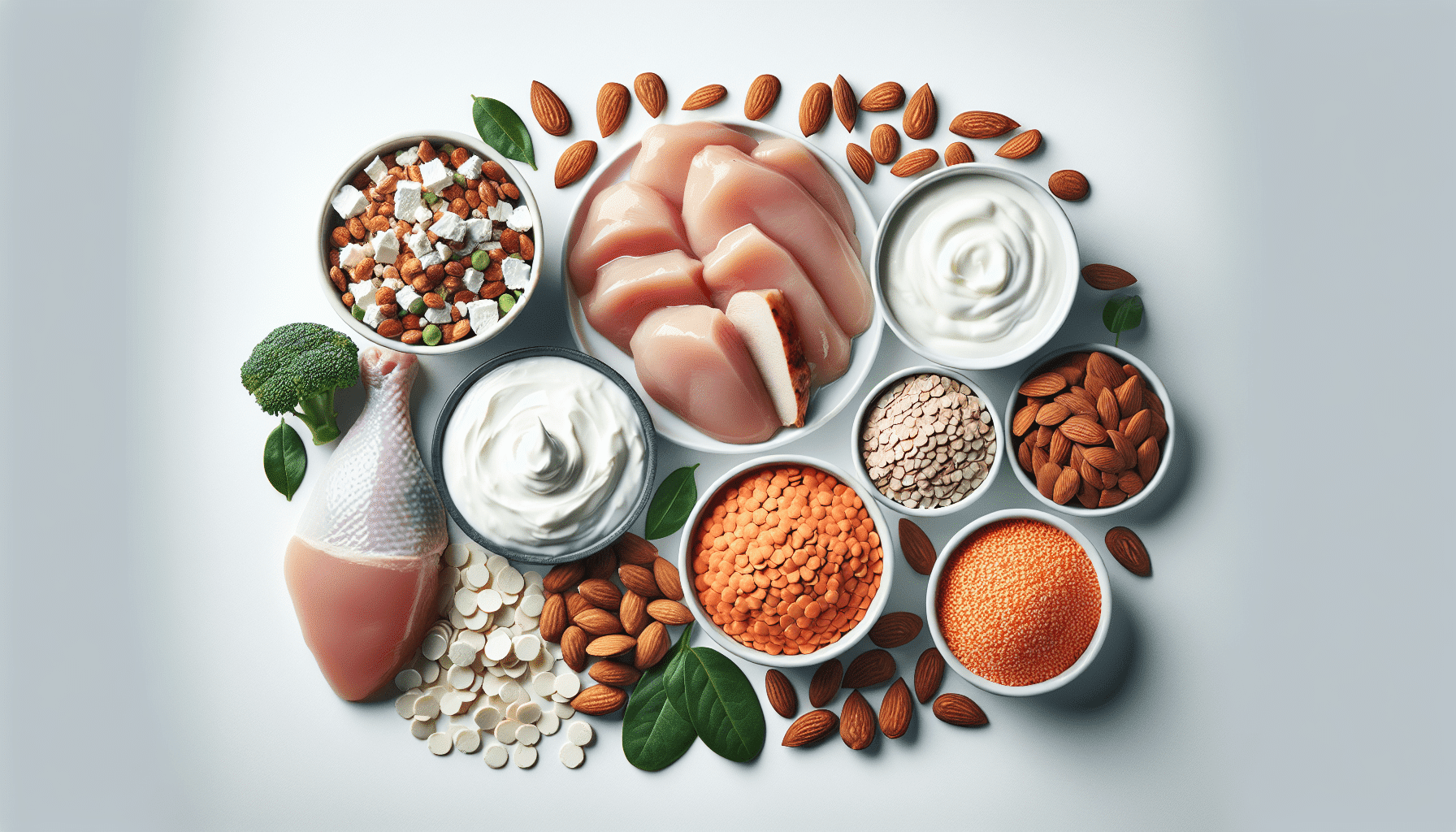
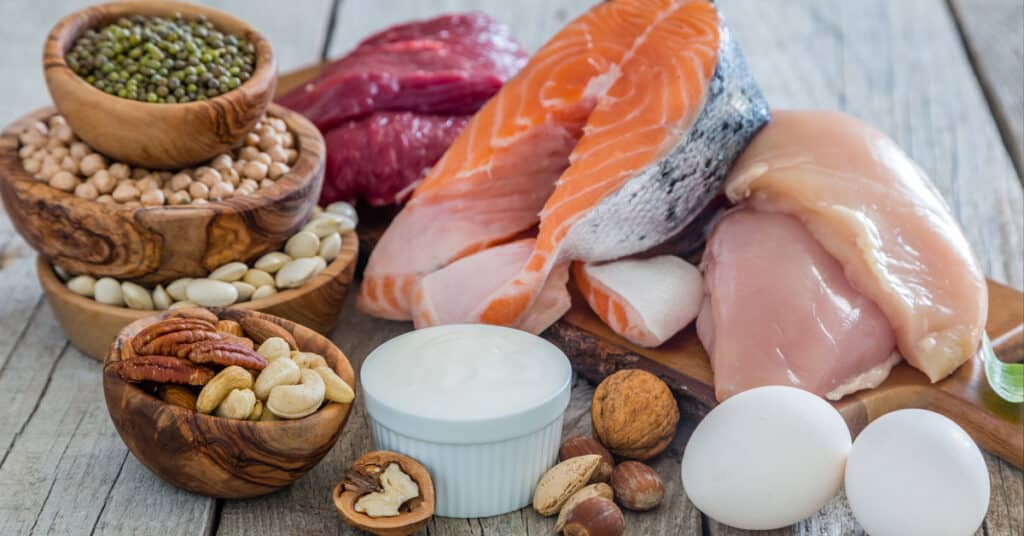
Complete proteins contain all nine essential amino acids in the right ratios needed by the body. Animal-based protein sources like meat, poultry, fish, eggs, and dairy are considered complete proteins and are excellent choices for muscle building.
Incomplete Protein Sources
Plant-based protein sources like beans, legumes, nuts, seeds, and grains are considered incomplete proteins as they may lack one or more essential amino acids. To ensure you get all the essential amino acids, it is important to combine different plant-based protein sources throughout the day.
Protein Supplements
Protein supplements such as whey protein, casein protein, and plant-based protein powders can be a convenient way to increase your protein intake, especially for those who struggle to meet their protein needs through whole foods alone.
Calculating Your Protein Intake for Muscle Growth
Now that you understand the importance of protein for muscle building and the best sources of protein, let’s calculate how much protein you need to consume daily based on your specific goals and body weight.
Example Calculation
Let’s say you are an active individual who weighs 70 kilograms (154 pounds) and your goal is to build muscle. To calculate your protein intake, you can use the following formula:
- Minimum Protein Intake: 1.2 grams/kg x 70 kg = 84 grams
- Maximum Protein Intake: 2.2 grams/kg x 70 kg = 154 grams
Based on this calculation, you should aim to consume between 84 to 154 grams of protein per day to support muscle growth effectively.
Common Myths About Protein and Muscle Growth
There are several myths and misconceptions surrounding protein intake for muscle growth. Let’s debunk some of the most common ones:
Myth #1: You Need Massive Amounts of Protein to Build Muscle
Contrary to popular belief, consuming excessive amounts of protein will not necessarily lead to more muscle growth. Your body can only utilize a certain amount of protein for muscle synthesis, and anything beyond that will be excreted.
Myth #2: You Must Consume Protein Immediately After a Workout
While it is beneficial to consume protein post-workout to support recovery, the anabolic window (the time immediately after exercise where protein synthesis is elevated) is longer than previously thought. As long as you consume protein within a few hours after your workout, you can still promote muscle growth effectively.
Myth #3: Plant-Based Proteins Are Inferior to Animal-Based Proteins
While animal-based proteins are complete proteins and may have higher essential amino acid content, plant-based proteins can still be a valuable source of protein for muscle growth. By combining different plant-based protein sources, you can get all the essential amino acids you need to support muscle repair and growth.
Protein is a vital nutrient for building muscle and supporting overall health and wellness. By understanding how much protein you need to build muscle, timing your protein intake effectively, choosing the best protein sources, and dispelling common myths about protein and muscle growth, you can optimize your protein intake for maximum gains.
Remember, everyone’s protein needs are unique, so it’s essential to listen to your body, experiment with different protein intake levels, and adjust as needed based on your fitness goals and progress. With the right balance of protein, along with a well-rounded diet and regular exercise, you can achieve your muscle-building goals and maintain a strong, healthy body.
So, are you ready to fuel your muscles with the right amount of protein and take your gains to the next level? Keep these tips in mind, stay consistent with your protein intake, and watch your muscles grow stronger day by day. You’ve got this!
Related Topics About How Much Protein To Build Muscle Per Day
How Many Grams Of Protein Do You Need To Build Muscles,
How Many Grams Of Protein Needed Per Day For Build Muscle,
How Much Extra Protein Do I Need To Build Muscle,
How Much Protein A Day When Building Muscle,
How Much Protein Do I Need A Day For Building Muscle,
How Much Protein Do I Need To Build Muscle Fast,
How Much Protein Should I Eat Everyday To Gain Muscle,
How Much Protein To Build Muscle In A Day