
Welcome to the world of achieving your fitness goals with the perfect balance of muscle gain and weight loss. In this article, we will explore how you can effectively build muscle while shedding unwanted pounds to achieve the physique you desire. From proper nutrition and exercise routines to the importance of rest and recovery, we will provide you with the essential tips and techniques to help you reach your fitness goals. Whether you are a beginner or a seasoned athlete, this article will guide you on your journey to a healthier, stronger, and more confident you. Let’s get started on this exciting adventure towards a fitter and happier life! Have you been trying to achieve both muscle gain and weight loss at the same time, but struggling to find the right balance in your fitness routine? It can be a challenging goal to accomplish, but with the right knowledge and strategies, you can successfully work towards both muscle gain and weight loss simultaneously. Let’s dive into how you can effectively achieve these two goals and create the body you desire.
Understanding Muscle Gain and Weight Loss
When it comes to fitness goals, muscle gain and weight loss are often seen as conflicting objectives. People often think they need to focus on one or the other, but the truth is that it is possible to achieve both simultaneously. Understanding the basics of muscle gain and weight loss is crucial in setting realistic goals and creating a sustainable plan.
Muscle Gain
Muscle gain, also known as muscle hypertrophy, is the process of increasing the size and strength of your muscles through resistance training and proper nutrition. When you engage in weightlifting or resistance exercises, you create microtears in your muscle fibers. Through proper rest and nutrition, these muscle fibers repair and grow, resulting in increased muscle mass.
Weight Loss
Weight loss, on the other hand, is the process of reducing body fat while maintaining lean muscle mass. To lose weight, you need to create a calorie deficit, which means you burn more calories through physical activity and metabolism than you consume through your diet. This deficit forces your body to tap into its fat stores for energy, resulting in weight loss.
Finding the Balance
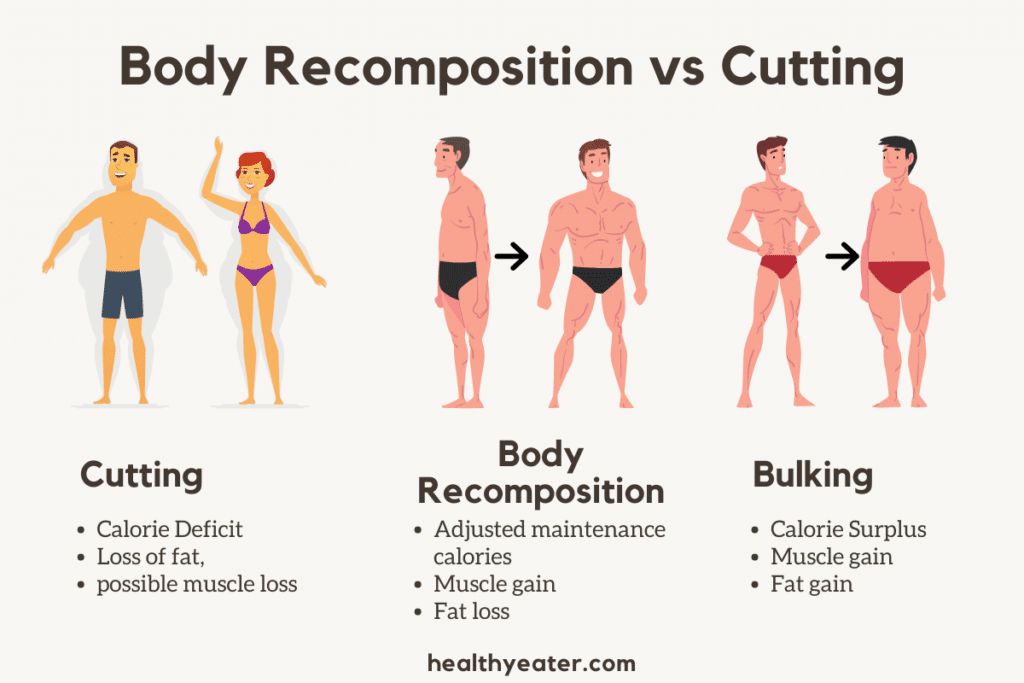
To achieve both muscle gain and weight loss, you need to find the right balance between your calorie intake and expenditure. You want to create a calorie deficit to promote weight loss, but you also need enough nutrients to support muscle growth. It’s essential to tailor your diet and exercise regimen to meet these dual objectives effectively.

Nutrition for Muscle Gain and Weight Loss
Nutrition plays a critical role in both muscle gain and weight loss. To achieve your goals, you need to focus on eating the right balance of macronutrients and micronutrients to support your body’s needs. Here are some key principles to keep in mind when it comes to nutrition for muscle gain and weight loss.
Protein
Protein is essential for muscle growth and repair. It provides the building blocks (amino acids) needed to build and maintain muscle mass. Aim to include a source of protein in every meal and snack to support your muscle-building goals. Good sources of protein include lean meats, poultry, fish, eggs, dairy products, legumes, and plant-based sources like tofu and tempeh.
Carbohydrates
Carbohydrates are your body’s primary source of energy, especially during high-intensity workouts. While it’s essential to control your carbohydrate intake for weight loss, you still need an adequate amount to fuel your workouts and support recovery. Focus on whole grains, fruits, vegetables, and legumes for quality carbohydrates that provide essential nutrients and energy.
Fats
Healthy fats are crucial for hormone production, including testosterone, which is essential for muscle growth. Include sources of unsaturated fats like avocados, nuts, seeds, and olive oil in your diet to support your muscle gain and weight loss goals. Be mindful of portion sizes, as fats are calorie-dense and can add up quickly.
Caloric Intake
To achieve both muscle gain and weight loss, you need to find the right balance of calories to support your goals. Start by calculating your Total Daily Energy Expenditure (TDEE), which is the number of calories you burn in a day. From there, adjust your calorie intake based on your objectives. Aim to create a moderate calorie deficit to support weight loss while providing enough energy for muscle growth.
Timing
Meal timing can also play a role in supporting muscle gain and weight loss. Aim to eat protein-rich meals and snacks throughout the day to support muscle protein synthesis, especially post-workout. Timing your carbohydrate intake around workouts can help fuel your training sessions and optimize recovery. Be consistent with your eating schedule to support your body’s needs.
Exercise for Muscle Gain and Weight Loss
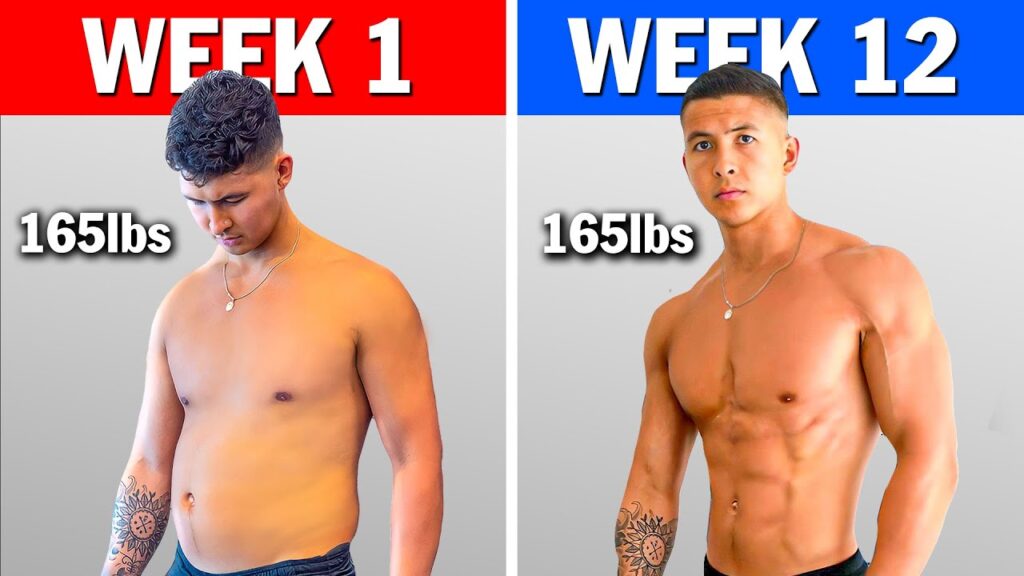
Exercise is another crucial component of achieving both muscle gain and weight loss. By incorporating a combination of resistance training and cardiovascular exercise into your routine, you can maximize your results and work towards your goals effectively.
Resistance Training
Resistance training, such as weightlifting, bodyweight exercises, or resistance band workouts, is essential for promoting muscle growth. Focus on compound exercises that target multiple muscle groups, such as squats, deadlifts, bench presses, and rows. Aim to progressively overload your muscles by increasing weight, reps, or sets over time to stimulate muscle growth.
Cardiovascular Exercise
Cardiovascular exercise, such as running, cycling, swimming, or HIIT workouts, is crucial for calorie burning and supporting weight loss. Incorporate cardio sessions into your weekly routine to create a calorie deficit and improve cardiovascular fitness. Balance your cardio workouts with resistance training to maintain muscle mass while losing weight.
Rest and Recovery
Rest and recovery are often overlooked but essential aspects of muscle gain and weight loss. Adequate sleep, hydration, and recovery days are crucial for muscle repair and growth. Allow your body time to recover between workouts to prevent overtraining and injuries. Listen to your body’s signals and adjust your training regimen as needed to support your goals.
Consistency
Consistency is key when it comes to achieving muscle gain and weight loss simultaneously. Stay committed to your nutrition and exercise plan, even on days when you don’t feel motivated. Set realistic goals and track your progress to stay accountable and motivated. Remember that progress takes time, so be patient and trust the process.
Supplements for Muscle Gain and Weight Loss
While whole foods should be your primary source of nutrients, supplements can be helpful for supporting your muscle gain and weight loss goals. However, it’s essential to approach supplements with caution and consult with a healthcare professional before adding them to your regimen. Here are some supplements that may benefit your fitness goals:
Protein Powder
Protein powder can be a convenient way to increase your protein intake and support muscle growth. Whey protein, casein protein, and plant-based protein powders are popular options for supplementing your diet. Use protein powder as a post-workout shake or meal replacement to support your muscle-building goals.
Creatine
Creatine is a naturally occurring compound that helps regenerate ATP, the primary energy source for high-intensity exercise. Supplementing with creatine can improve muscle strength and performance during resistance training sessions. Consider adding creatine to your pre-workout routine to enhance your workouts and support muscle gain.
BCAAs
Branched-chain amino acids (BCAAs) are essential amino acids that support muscle growth and recovery. BCAAs, such as leucine, isoleucine, and valine, can be taken as a supplement to promote muscle protein synthesis and reduce muscle soreness. Consider incorporating BCAAs into your pre- or post-workout routine to support your muscle gain goals.
Omega-3 Fatty Acids
Omega-3 fatty acids are important for reducing inflammation, supporting heart health, and promoting overall well-being. Supplementing with fish oil or algae oil can provide essential omega-3s, such as EPA and DHA, which are beneficial for muscle recovery and joint health. Consider adding omega-3 fatty acids to your daily supplement regimen for additional support.
Tracking Progress and Adjusting Your Plan
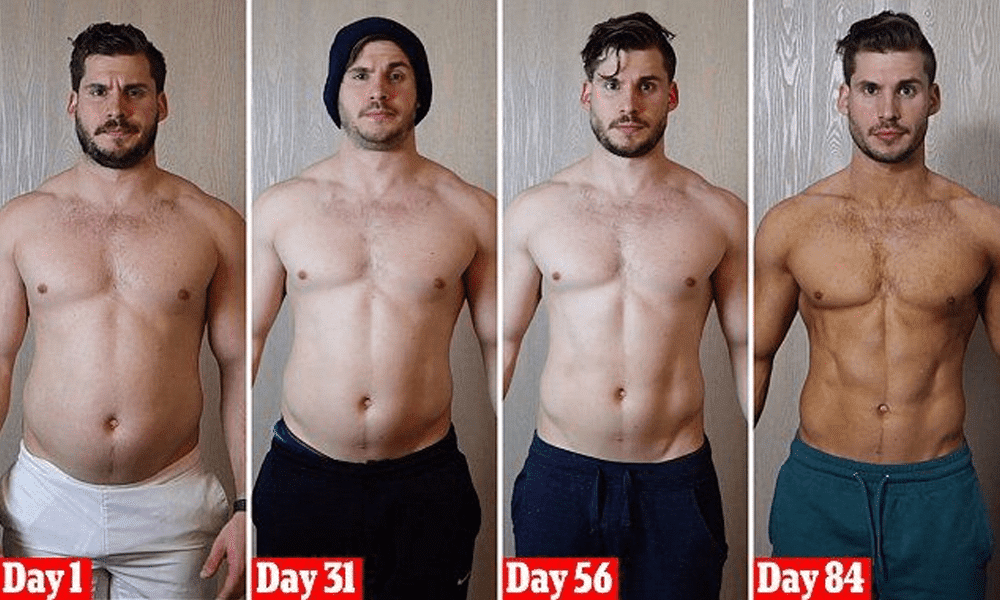
To effectively achieve both muscle gain and weight loss, it’s essential to track your progress and adjust your plan as needed. Regularly monitor your body composition, strength gains, and energy levels to assess your progress towards your goals. Here are some strategies for tracking progress and making adjustments:
Body Measurements
Tracking your body measurements, such as waist circumference, hip circumference, and muscle size, can provide valuable insights into your progress. Take measurements regularly and compare them over time to see changes in your body composition. Remember that the scale may not always reflect changes in muscle mass, so body measurements can be a more accurate indicator of progress.
Strength Gains
Monitoring your strength gains in the gym can also help track your progress towards muscle gain. Keep a workout log to record your exercises, sets, reps, and weights lifted. Aim to progressively overload your muscles by increasing weight or volume over time. Celebrate improvements in strength as a sign of progress towards your muscle gain goals.
Energy Levels
Pay attention to your energy levels and recovery capacity to gauge whether your nutrition and exercise plan is working for you. If you feel fatigued, sore, or low on energy consistently, it may be a sign that you need to adjust your caloric intake, macronutrient ratios, or training volume. Listen to your body’s signals and make changes as needed to support your goals.
Adjustments
Based on your progress and feedback from tracking, be prepared to make adjustments to your nutrition and exercise plan. This could involve tweaking your calorie intake, changing your macronutrient ratios, adjusting your training split, or modifying your supplement regimen. Experiment with different strategies to find what works best for your body and goals.
Achieving both muscle gain and weight loss simultaneously is a challenging but achievable goal with the right knowledge, strategies, and commitment. By focusing on proper nutrition, exercise, rest, and supplements, you can work towards building muscle while losing body fat. Remember to prioritize consistency, patience, and self-care throughout your fitness journey. With dedication and perseverance, you can create the body you desire and maintain a healthy balance between muscle gain and weight loss. Start implementing these strategies today and watch your progress unfold.
Related Topics About Muscle Gain And Weight Loss
Build Muscle And Lose Fat Simultaneously,
Building Muscle And Losing Fat Woman,
Can Gaining Muscle Make You Lose Weight,
Gain Muscle And Lose Fat Calories,
Gain Muscle And Lose Fat On Keto,
Gain Muscle And Lose Fat Same Time,
Gain Muscle And Lose Weight Reddit,
How To Build Muscle After Rapid Weight Loss,
How To Lose Weight And Gain Muscle In 30 Days,
Muscle Building Weight Loss Exercise,
Muscle Gain After Weight Loss,
Muscle Gain And Fat Loss Calculator,
Muscle Gain And Weight Loss Supplements,
Muscle Gain And Weight Loss Workout,
Muscle Gain Or Weight Loss,
Muscle Gain To Weight Loss,
Weight Loss And Muscle Gain Tips,
What To Eat For Muscle Gain And Weight Loss,
Why Am I Losing Weight When Trying To Build Muscle,
Why Am I Losing Weight While Gaining Muscle