
Welcome to the Muscle Gain Calculator! This handy tool will help you track your progress as you work towards building muscle and achieving your fitness goals. By simply entering information such as your weight, height, activity level, and goals, the Muscle Gain Calculator will provide you with personalized recommendations on caloric intake and macronutrient distribution to help optimize your muscle growth. It’s time to take control of your fitness journey and see real results with the Muscle Gain Calculator. Start today and unlock your full potential! Have you ever wondered how much muscle you can gain based on your body type, workout routine, and nutrition? Figuring out the right balance of these factors can be overwhelming, but fear not! With the Muscle Gain Calculator, you can take the guesswork out of your muscle-building journey. Let’s break down everything you need to know about using a muscle gain calculator to optimize your gains.
What is a Muscle Gain Calculator and How Does It Work?
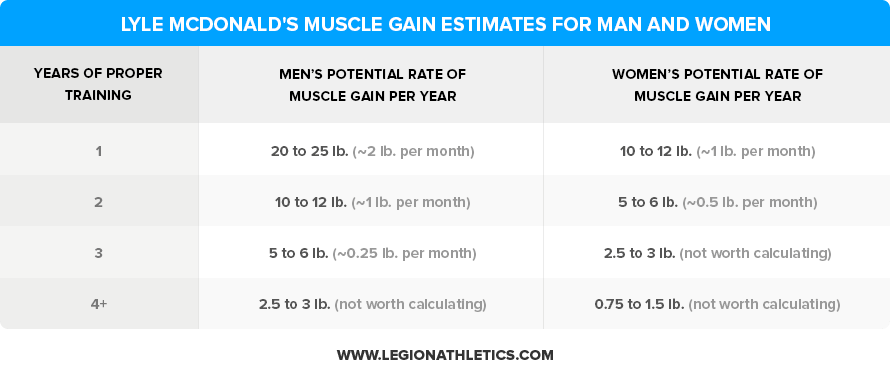
A Muscle Gain Calculator is a tool designed to estimate how much muscle mass you can potentially gain over a certain period. It takes into account factors like your age, gender, body weight, body fat percentage, activity level, and fitness goals to give you a personalized estimate of your muscle-building potential. By inputting your information into the calculator, you can get a better understanding of how to tailor your workout and nutrition plan to maximize muscle growth.
Understanding Your Basal Metabolic Rate (BMR)
Your Basal Metabolic Rate (BMR) is the number of calories your body needs to maintain basic functions at rest, such as breathing and circulating blood. This is the starting point for calculating your Total Daily Energy Expenditure (TDEE) and determining how many calories you need to consume to support muscle gain. Use a BMR calculator to estimate your daily calorie needs, then adjust for your activity level and fitness goals.
Factors Influencing Muscle Gain Potential
Everyone’s muscle gain potential is unique and influenced by a variety of factors. Understanding these factors can help you set realistic expectations and tailor your training and diet plan accordingly.
Genetics
Your genetic makeup plays a significant role in determining how much muscle you can gain. Factors like muscle fiber type, muscle length, muscle insertions, and hormonal profile can impact your muscle-building potential. While you can’t change your genetics, you can optimize your training and nutrition to work with your body’s natural abilities.
Training Program
The type, intensity, frequency, and duration of your workouts will influence how much muscle you can gain. Resistance training is essential for muscle growth, so make sure your workout routine includes a mix of compound exercises targeting major muscle groups. Progressive overload is key to stimulating muscle growth over time, so gradually increase the weight or resistance you lift as you get stronger.
Nutrition
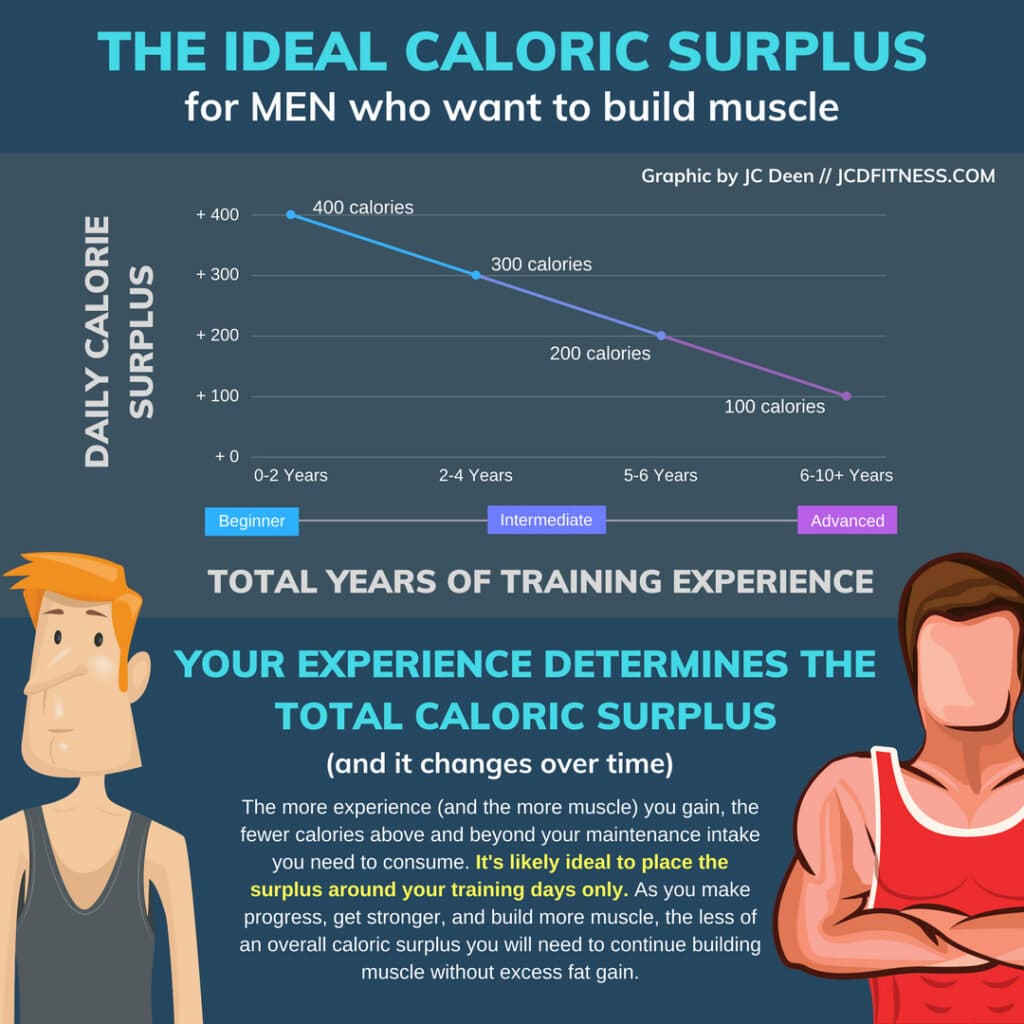
Proper nutrition is crucial for muscle gain, as it provides the essential nutrients your body needs to repair and build muscle tissue. Make sure you’re consuming an adequate amount of protein to support muscle growth, along with carbohydrates and healthy fats for energy and recovery. Aim to eat a calorie surplus to fuel muscle growth, but be mindful of quality and nutrient-dense foods to support overall health.
Rest and Recovery
Muscle growth occurs during periods of rest and recovery, so prioritize getting enough sleep and allowing your muscles to recover between workouts. Overtraining can hinder muscle growth, so listen to your body and give yourself time to recharge. Incorporate rest days into your routine and consider factors like stress management and hydration to support optimal recovery.
How to Use a Muscle Gain Calculator
Using a Muscle Gain Calculator is simple and can provide valuable insights into your muscle-building journey. Follow these steps to effectively use a muscle gain calculator and make informed decisions about your training and nutrition plan.
Step 1: Gather Your Information
Before using a muscle gain calculator, gather key information such as your age, gender, height, weight, body fat percentage, activity level, and fitness goals. Having this information readily available will ensure accurate results when calculating your muscle gain potential.
Step 2: Input Your Information
Enter your information into the Muscle Gain Calculator to generate an estimate of your potential muscle gain. The calculator will analyze your data and provide you with personalized recommendations on how to optimize your training and nutrition plan for muscle growth.
Step 3: Review Your Results
Review the results provided by the Muscle Gain Calculator to better understand your muscle gain potential. Take note of your estimated muscle gain over a given period and compare it to your fitness goals. Use this information to adjust your workout routine, nutrition plan, and overall strategy for achieving optimal muscle growth.
Body Composition and Muscle Gain Visualization
Understanding your body composition and how it relates to muscle gain can help you set realistic goals and track your progress effectively. Visualizing the changes in your muscle mass and body fat percentage can be motivating and provide valuable feedback on the effectiveness of your training and nutrition plan.
Body Composition Analysis
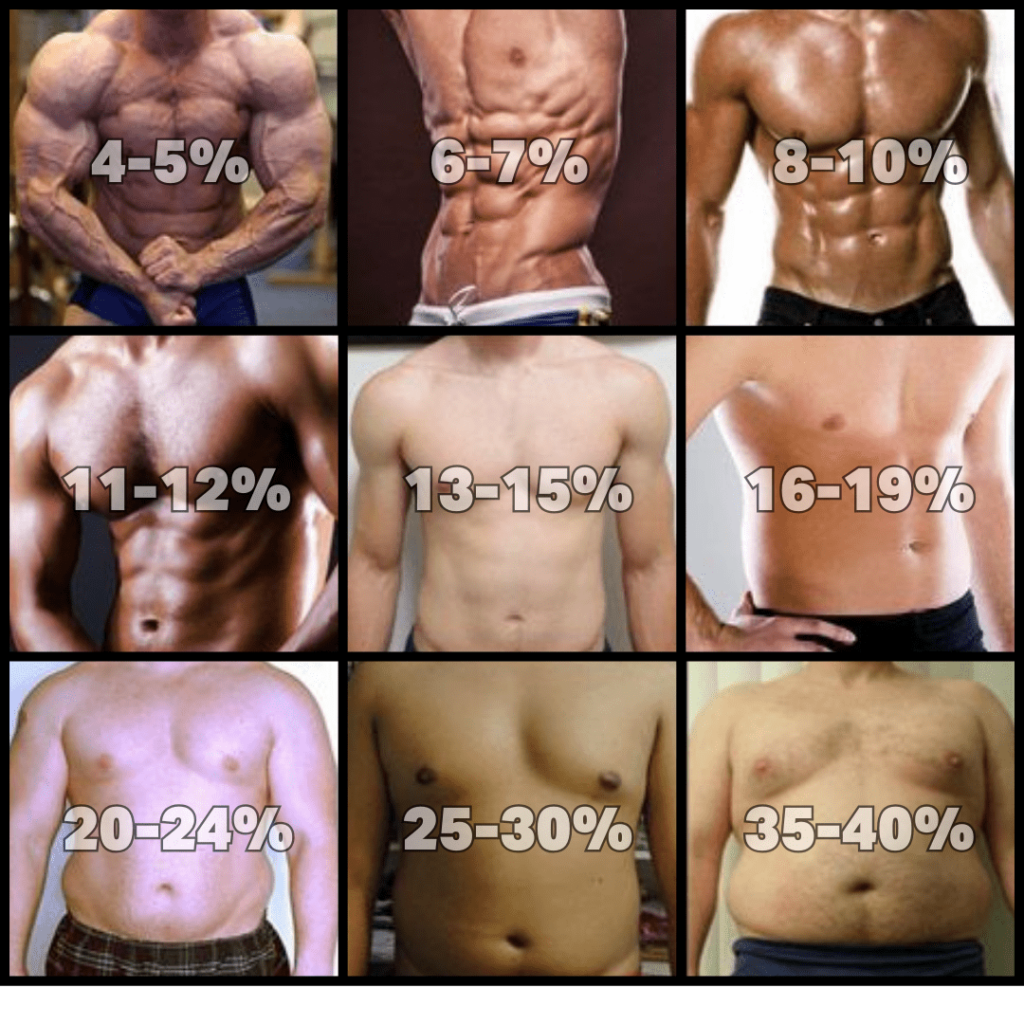
Body composition analysis involves measuring your body fat percentage, muscle mass, bone density, and water weight to get a comprehensive view of your overall health and fitness level. DEXA scans, bioelectrical impedance analysis (BIA), and skinfold measurements are common methods used to assess body composition and track changes over time.
Muscle Gain Visualization
Tracking changes in muscle mass and body fat percentage visually can help you stay motivated and on track with your muscle-building goals. Use progress photos, body measurements, and body composition tests to monitor your progress and make adjustments to your training and nutrition plan as needed. Seeing tangible results can be a powerful motivator in your muscle-building journey.
Setting Realistic Muscle Gain Goals
Setting realistic muscle gain goals is essential for staying motivated and making consistent progress. By establishing clear objectives and timelines, you can track your results, adjust your plan as needed, and celebrate your achievements along the way.
SMART Goals
Use the SMART goal-setting framework to establish Specific, Measurable, Achievable, Relevant, and Time-bound goals for muscle gain. For example, aim to increase your muscle mass by 10% in six months by following a structured workout plan and nutrition program. Setting clear and actionable goals will help you stay focused and motivated throughout your muscle-building journey.
Progressive Overload
Incorporate the principle of progressive overload into your training program to challenge your muscles and stimulate growth over time. Gradually increase the weight, reps, or intensity of your exercises to ensure that your muscles are continuously adapting and growing. Tracking your progress and adjusting your workouts regularly will help you achieve your muscle gain goals effectively.
Tracking Your Muscle Gain Progress
Monitoring your muscle gain progress is crucial for evaluating the effectiveness of your training and nutrition plan. By tracking key metrics and assessing changes in your body composition, strength, and performance, you can make informed decisions about how to optimize your muscle-building journey.
Measuring Muscle Mass
Use tools like body composition scales, calipers, and tape measures to track changes in your muscle mass and overall body composition. Keep a log of your measurements and compare them regularly to see how your muscle gain progress is progressing over time. Investing in professional assessments like DEXA scans or Bod Pod tests can provide more accurate data on muscle mass changes.
Tracking Strength Gains
Monitoring your strength gains is another way to assess your muscle gain progress and performance improvements. Keep a workout log of the weight, reps, and sets you perform for each exercise and track your progress over time. Increasing your strength levels is a good indicator of muscle growth, so aim to progressively overload your muscles and challenge yourself in each workout.
Assessing Performance Metrics
Assessing performance metrics like endurance, speed, agility, and flexibility can also give you insights into your muscle gain progress. Record benchmarks such as your mile time, maximum push-ups, flexibility tests, and other performance indicators to see how your overall fitness is improving alongside your muscle gain. Celebrate small victories and milestones along the way to stay motivated and engaged in your fitness journey.
Common Muscle Gain Calculator Formulas
When using a Muscle Gain Calculator, you may encounter various formulas and equations to estimate your muscle gain potential. Understanding these common formulas can help you interpret the results accurately and make informed decisions about your muscle-building strategy.
Lean Body Mass (LBM) Calculations
Lean Body Mass (LBM) is the weight of your body minus the weight of your fat mass and is a key determinant of your muscle gain potential. Calculating your LBM can give you a better estimate of how much muscle mass you can expect to gain over a specific period. Use the following formula to calculate your Lean Body Mass:
Lean Body Mass (lbs) = Body Weight (lbs) x (1 – Body Fat Percentage)
Maximum Muscular Potential Calculations
Determining your Maximum Muscular Potential can give you a rough estimate of the maximum amount of muscle mass you can gain based on your genetics and body composition. Use the following formula to calculate your Maximum Muscular Potential:
Maximum Muscular Potential (lbs) = Lean Body Mass (lbs) / (1 – Maximum Muscular Potential Limit)
Total Daily Energy Expenditure (TDEE) Calculations
Your Total Daily Energy Expenditure (TDEE) is the total number of calories your body needs to maintain its current weight and support daily activities. Calculating your TDEE can help you determine the optimal caloric intake for muscle gain. Use the following formula to estimate your Total Daily Energy Expenditure:
TDEE (calories) = BMR x Activity Factor
Where BMR is your Basal Metabolic Rate and Activity Factor is a multiplier based on your level of physical activity.
Using a Muscle Gain Calculator can provide valuable insights into your muscle-building potential and help you optimize your training and nutrition plan for optimal gains. By understanding the factors influencing muscle gain, setting realistic goals, tracking your progress, and utilizing common formulas, you can make informed decisions about your muscle-building journey. So go ahead, give the Muscle Gain Calculator a try, and embark on your path to achieving your muscle gain goals! Remember, consistency, dedication, and perseverance are key to building muscle and achieving your desired physique. Happy lifting!
Related Topics About Muscle Gain Calculator
Calculator To Gain Muscle,
Calculator To Gain Muscle And Lose Fat,
Calorie Surplus For Muscle Gain Calculator,
Calories To Gain Muscle Calculator,
Fat Intake For Muscle Gain Calculator,
Fat Loss And Muscle Gain Calculator,
How Much Muscle Can I Gain Calculator,
How Much Muscle Can You Gain In A Month Calculator,
How Much To Gain Muscle Calculator,
How To Calculate Muscle Gain,
Macro Calculator For Muscle Gain Reddit,
Macro Calculator For Muscle Gain Women,
Maximum Muscle Gain Calculator,
Muscle Gain Calculator,
Muscle Gain Calculator Protein,
Muscle Gain Calculator Women,
Muscle Gain Per Week Calculator,
Muscle Gain Potential Calculator Women,
Muscle Mass Calculation Testing,
Muscle Mass Calculator In Kg,
Muscle Mass Calorie Calculator,
Muscle Mass Ratio Calculator,
Protein Calculator For Muscle Gain Reddit,
Protein Calculator For Muscle Gain Uk,
Protein To Gain Muscle Calculator,
Scooby Muscle Gain Calculator