Welcome to your guide on how to build muscle and lose fat at the same time! It may seem like a daunting task, but with the right approach, it can be achieved. By combining a balanced diet with regular exercise, including both strength training and cardio, you can optimize your body composition and achieve your fitness goals. In this article, we will explore the best practices for building muscle and burning fat simultaneously, so get ready to achieve the body you’ve always wanted. Have you been wanting to build muscle and lose fat but don’t know where to start? Don’t worry, you’re not alone. It can be overwhelming trying to navigate the world of fitness and nutrition, but with the right information and guidance, you can achieve your goals. In this article, we will provide you with tips and strategies on how to effectively build muscle and lose fat. Let’s get started!
Setting Realistic Goals
Before diving into a new fitness routine, it’s important to set realistic goals for yourself. Trying to build muscle and lose fat at the same time can be challenging, so it’s crucial to have a clear plan in place. Set specific, measurable, achievable, relevant, and time-bound (SMART) goals that will help keep you motivated and on track.
Setting realistic goals can prevent you from getting frustrated and giving up. Make sure to celebrate small victories along the way to keep yourself motivated and focused on your long-term goals. Remember, progress takes time, so be patient with yourself as you work towards your desired results.
Designing Your Workout Routine
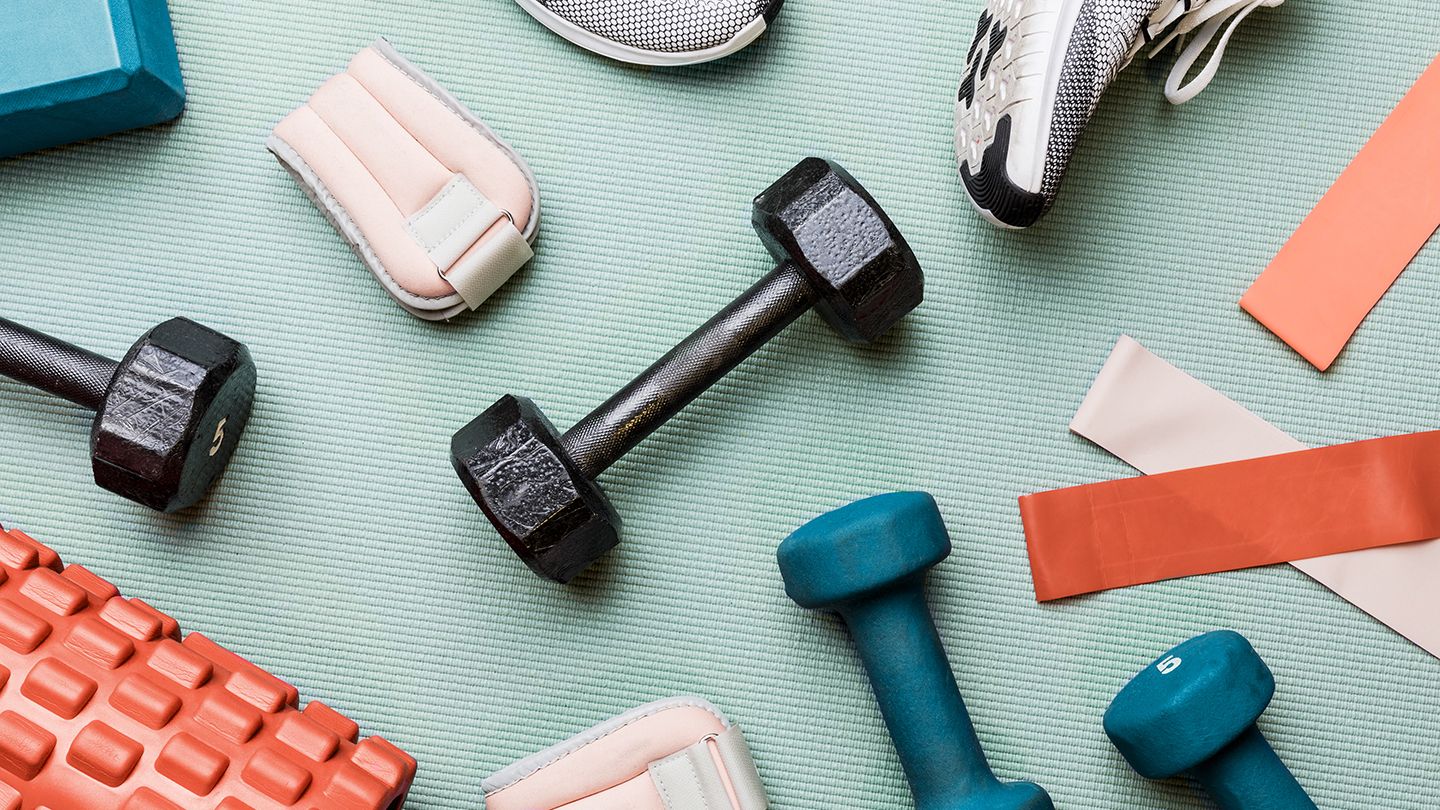
When it comes to building muscle and losing fat, your workout routine plays a crucial role in your success. Incorporate a combination of resistance training and cardiovascular exercise into your routine to maximize your results. Resistance training helps build muscle, while cardiovascular exercise helps burn fat and improve overall fitness.
Be sure to include a variety of exercises that target different muscle groups to promote balanced muscle development. Focus on compound movements such as squats, deadlifts, bench presses, and rows, as they engage multiple muscle groups and are effective for building strength and muscle mass. For fat loss, high-intensity interval training (HIIT) can be a great addition to your routine, as it helps boost your metabolism and burn calories more efficiently.
Nutrition Strategies for Building Muscle and Losing Fat
Nutrition is a key component of any successful fitness program. To build muscle and lose fat, you must fuel your body with the right nutrients at the right times. Focus on consuming an adequate amount of protein to support muscle growth and repair, as well as carbohydrates to provide energy for your workouts. Healthy fats are also important for hormone production and overall health.
Incorporate whole, nutrient-dense foods into your diet such as lean meats, fish, eggs, fruits, vegetables, whole grains, nuts, and seeds. Aim to eat a balanced meal containing protein, carbohydrates, and fats every 3-4 hours to keep your metabolism revved up and maintain steady energy levels throughout the day. Stay hydrated by drinking plenty of water and limit your intake of sugary beverages and processed foods.
Understanding Macronutrients
Macronutrients, or “macros” for short, are the three main components of your diet: protein, carbohydrates, and fats. Each macronutrient plays a specific role in your body and has a unique impact on your fitness goals. Understanding the basics of macronutrients can help you make informed decisions about your dietary choices and optimize your results.
-Protein: Protein is essential for muscle growth and repair. Aim to consume 0.8-1 gram of protein per pound of body weight per day to support your muscle-building goals. Good sources of protein include lean meats, poultry, fish, eggs, dairy, legumes, and plant-based protein sources.
-Carbohydrates: Carbohydrates are your body’s primary source of energy. Choose complex carbohydrates such as whole grains, fruits, vegetables, and legumes, which provide sustained energy and essential nutrients. Timing your carbohydrate intake around your workouts can help fuel your training sessions and promote muscle recovery.
-Fats: Healthy fats are important for hormone production, joint health, and brain function. Include sources of monounsaturated and polyunsaturated fats in your diet such as olive oil, avocados, nuts, seeds, and fatty fish. Limit your intake of saturated and trans fats, which can negatively impact your health and fitness goals.
Meal Planning and Preparation
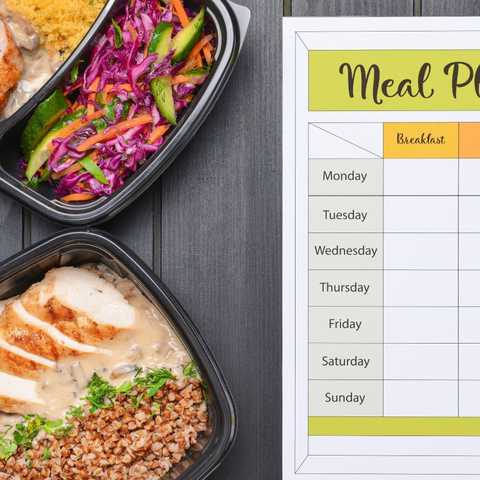
Meal planning and preparation are essential for staying on track with your nutrition goals. By preparing your meals in advance, you can ensure that you have healthy options available when hunger strikes and avoid making impulsive food choices that may derail your progress. Create a weekly meal plan that includes a balance of protein, carbohydrates, and fats, and batch cook meals to save time and simplify your routine.
Invest in quality food storage containers, a meal prep bag, and kitchen essentials such as a cutting board, knives, and cooking utensils to make meal preparation a breeze. Set aside time each week to plan your meals, grocery shop for ingredients, and cook meals in bulk to have ready-to-eat options throughout the week. By prioritizing meal planning and preparation, you can set yourself up for success and make healthy eating a sustainable habit.
Supplements for Muscle Growth and Fat Loss
While a well-rounded diet should be your primary source of nutrients, supplements can be beneficial for filling nutritional gaps and supporting your fitness goals. When used strategically, supplements can enhance your performance, recovery, and results. Keep in mind that supplements are not a substitute for a balanced diet, exercise, and adequate rest.
-Protein Powders: Protein powders are a convenient way to increase your protein intake and support muscle growth and recovery. Whey protein, casein protein, and plant-based protein powders are popular options that can be consumed as a post-workout shake, added to smoothies, or used in baking recipes.
-Creatine: Creatine is a naturally occurring compound that helps increase strength, power, and muscle mass. It can be particularly beneficial for high-intensity activities like weightlifting and sprinting. Consider adding creatine monohydrate to your supplementation regimen to enhance your performance and muscle-building potential.
-Omega-3 Fatty Acids: Omega-3 fatty acids are essential fats that play a key role in heart health, brain function, and inflammation regulation. Fish oil supplements are a convenient way to ensure an adequate intake of omega-3s for overall health and well-being. Consider adding an omega-3 supplement to your daily routine to support your fitness goals.
Rest and Recovery
Rest and recovery are equally important as exercise and nutrition when it comes to building muscle and losing fat. Your body needs time to repair and rebuild muscle tissue, replenish energy stores, and adapt to the stress of training. Prioritize quality sleep, active recovery, and stress management techniques to optimize your results and prevent burnout.
Ensure you are getting 7-9 hours of quality sleep each night to support hormone production, muscle growth, and overall recovery. Incorporate active recovery activities such as yoga, stretching, foam rolling, and light cardio to reduce muscle soreness, improve flexibility, and enhance circulation. Manage stress through mindfulness practices, relaxation techniques, and hobbies that promote mental well-being and work-life balance.
Tracking Your Progress
Tracking your progress is essential for monitoring your results, staying motivated, and making adjustments to your fitness program. Keep a workout journal to record your exercises, sets, reps, and weights, as well as notes on how you feel during and after your workouts. Use a food diary or tracking app to monitor your meals, snacks, and hydration habits to ensure you are meeting your nutritional needs.
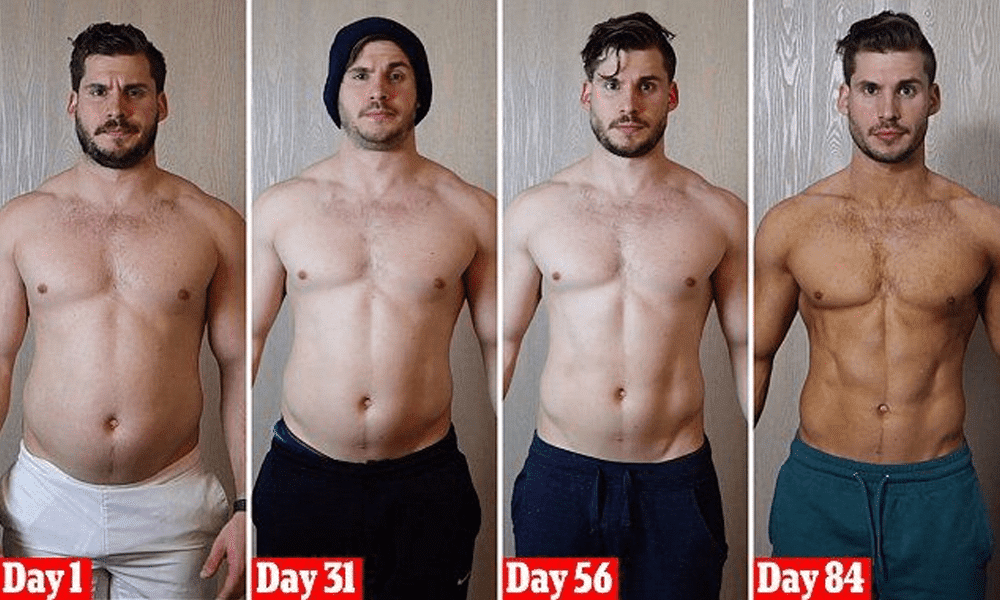
Take progress photos regularly to visually track changes in your body composition, muscle definition, and overall physique. Use a measuring tape to measure your waist, hips, chest, arms, and thighs to monitor changes in body fat and muscle mass over time. Consider using a body composition scale or DEXA scan to get more accurate measurements of your body fat percentage, muscle mass, and bone density.
Staying Consistent and Adapting to Challenges
Achieving your fitness goals requires consistency, dedication, and resilience in the face of challenges. There will be days when you feel unmotivated, tired, or overwhelmed, but it’s important to stay focused on your long-term vision and take small steps towards progress each day. Learn to adapt to setbacks, plateaus, and obstacles by making small changes to your routine and seeking support from a coach, trainer, or fitness community.
Set yourself up for success by creating a supportive environment that aligns with your goals and values. Surround yourself with like-minded individuals who encourage and inspire you to be your best self. Stay committed to your fitness journey by prioritizing self-care, self-discipline, and self-improvement, and remember that progress is a process that takes time, patience, and perseverance.
Building muscle and losing fat is a challenging but rewarding journey that requires a combination of exercise, nutrition, supplements, rest, and consistency. By setting realistic goals, designing a workout routine, focusing on nutrition, understanding macronutrients, meal planning and preparation, supplementing strategically, prioritizing rest and recovery, tracking your progress, and staying consistent, you can achieve your desired results and transform your body and mind.
Remember that everyone’s fitness journey is unique, and what works for one person may not work for another. Listen to your body, trust the process, and stay committed to your goals through the ups and downs of your fitness adventure. Celebrate your accomplishments, learn from your setbacks, and keep moving forward with resilience and determination. You have the power to build muscle, lose fat, and become the best version of yourself. Believe in yourself, stay motivated, and never give up on your dreams. You’ve got this!
Related Topics About How To Build Muscle And Lose Fat
Build Muscle And Lose Fat Calculator,
Build Muscle And Lose Fat On Keto,
Can You Lose Body Fat And Gain Muscle At The Same Time,
Can You Lose Fat And Build Muscle At The Same Time,
Eggs To Build Muscle And Lose Fat,
How Can I Build Muscle And Lose Weight,
How Do I Build Muscle And Lose Fat,
How To Build Muscle And Lose Fat Exercise,
How To Build Muscle And Lose Fat Simultaneously,
How To Build Muscle And Lose Fat Women,
How To Build Muscle And Still Lose Weight,
How To Build Muscle In Lose Weight,
How To Build Muscle While Losing Fat,
How To Build Muscle While Losing Weight,
How To Eat To Build Muscle And Lose Fat,
How To Gain Muscle And Lose Fat At The Same Time Reddit,
How To Put On Lean Muscle And Lose Fat,
How To Stop Building Muscle And Lose Weight,
Trying To Build Muscle And Lose Fat