Welcome to our article on how to best optimize your protein intake in order to build muscle and lose fat efficiently. Finding the right balance of protein in your diet is crucial for achieving your fitness goals. Research suggests that consuming around 0.8-1 gram of protein per pound of body weight each day can help support muscle growth and fat loss. By incorporating lean sources of protein like chicken, fish, and legumes into your meals, you can fuel your muscles and boost your metabolism. Stay on track with your fitness journey by prioritizing your protein intake and making smart food choices.
How Much Protein To Build Muscle And Lose Fat
Have you ever wondered how much protein you should be consuming to build muscle and lose fat effectively? There is a lot of information out there, but it can be overwhelming to figure out exactly what your body needs. In this article, we will break down the science behind protein intake and provide you with a clear guide on how much protein you need to reach your fitness goals.
Understanding Protein and Muscle Building
Protein is an essential nutrient that is crucial for building and repairing tissues in our bodies, including muscle tissue. When we engage in resistance training or other forms of exercise that challenge our muscles, we create small tears in the muscle fibers. In order to repair and rebuild these muscles stronger and bigger, our bodies need an adequate supply of protein.
How Protein Builds Muscle
Proteins are made up of smaller units called amino acids, which are often referred to as the building blocks of protein. When we consume protein-rich foods, our bodies break down these proteins into amino acids, which are then used to repair and build new muscle tissue. This process is known as muscle protein synthesis.
Importance of Protein for Muscle Growth
Protein is particularly important for muscle growth because it provides the necessary amino acids for muscle repair and growth. Without an adequate supply of protein, our bodies cannot effectively repair the muscle fibers damaged during exercise, which can hinder muscle growth and recovery.
Protein Requirements for Muscle Building
Now that we understand the role of protein in muscle building, let’s dive into how much protein you should be consuming to support muscle growth effectively.
Protein Intake for Muscle Growth
The general recommendation for protein intake for muscle growth is about 1.2 to 2.2 grams of protein per kilogram of body weight per day. However, individual protein requirements can vary depending on factors such as age, sex, activity level, and fitness goals.
Determining Your Protein Needs
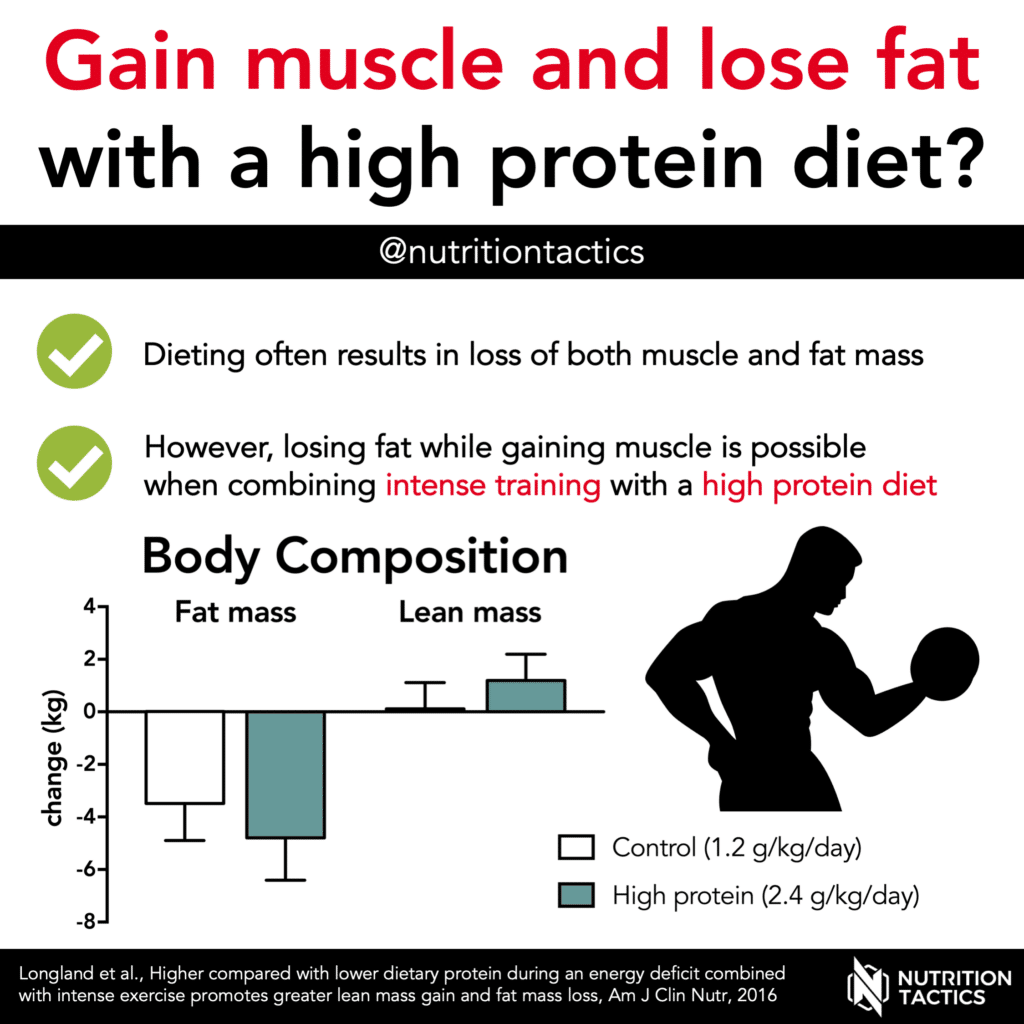
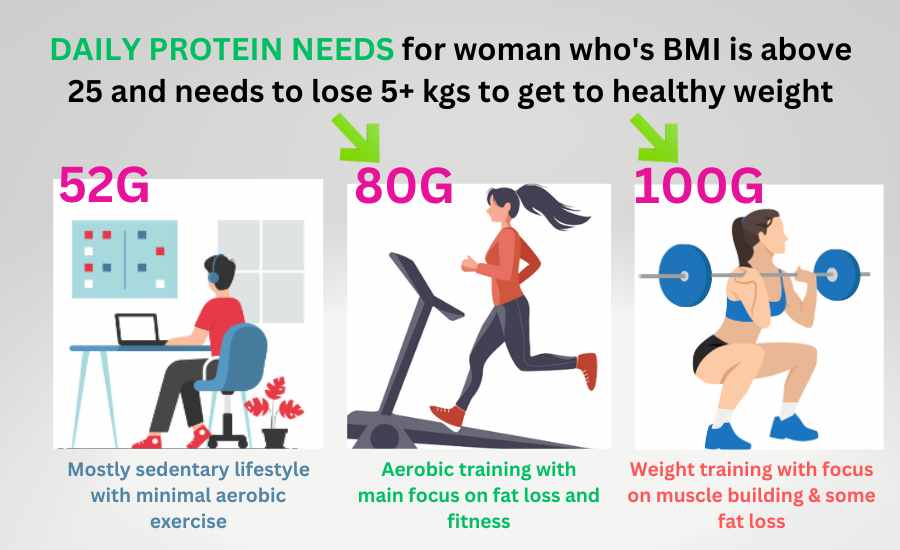
To determine your specific protein needs for muscle building, consider your current body weight, muscle mass, activity level, and fitness goals. If you are looking to build muscle mass, aim for the higher end of the recommended protein intake range. On the other hand, if your goal is weight loss while maintaining muscle mass, aim for the lower end of the range.
Protein Timing for Muscle Growth
In addition to the total amount of protein consumed, the timing of protein intake can also impact muscle growth. Consuming protein-rich foods or supplements within an hour of completing a workout can help stimulate muscle protein synthesis and enhance muscle recovery and growth.
Protein and Fat Loss
Protein is not only important for building muscle but also essential for losing fat and maintaining a healthy body composition. Let’s explore how protein can support fat loss and help you achieve your fitness goals.
Protein’s Role in Fat Loss
Protein is a satiating nutrient, meaning it can help you feel full and satisfied, which can prevent overeating and support weight loss efforts. Additionally, protein has a higher thermic effect compared to fats and carbohydrates, which means that your body burns more calories digesting and metabolizing protein.
Protein Intake and Fat Loss
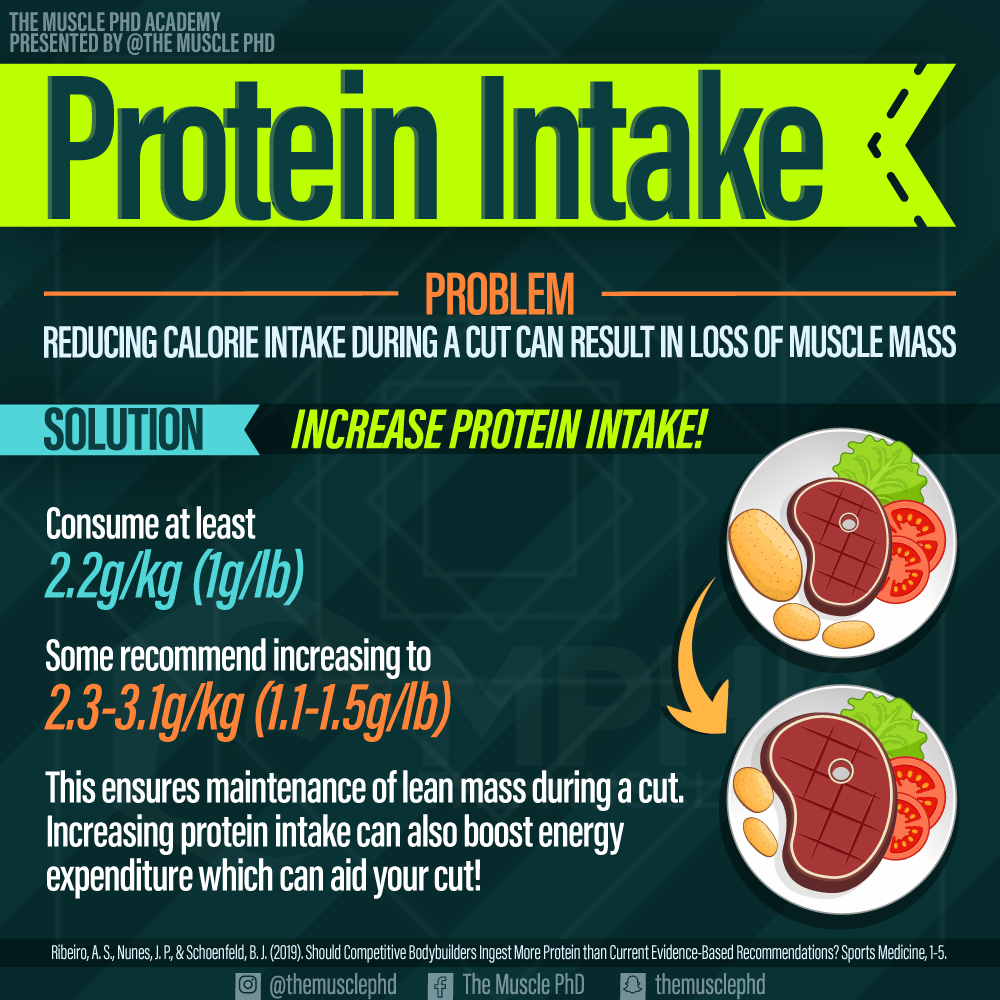
When aiming to lose fat, it is recommended to consume a moderate to high-protein diet to support muscle retention, metabolic rate, and satiety. Research suggests that consuming 25-30% of total daily calories from protein can help support fat loss while preserving lean muscle mass.
Protein Sources for Fat Loss
Incorporate lean protein sources into your diet, such as poultry, fish, eggs, dairy, legumes, and plant-based protein sources like tofu and tempeh. These protein-rich foods can help you meet your daily protein needs while supporting your fat loss goals.
Protein Recommendations for Muscle Building and Fat Loss
To optimize both muscle building and fat loss, it is essential to find the right balance of protein intake that supports your fitness goals. Here are some general guidelines to help you determine the ideal protein intake for building muscle and losing fat.
Ideal Protein Intake Range
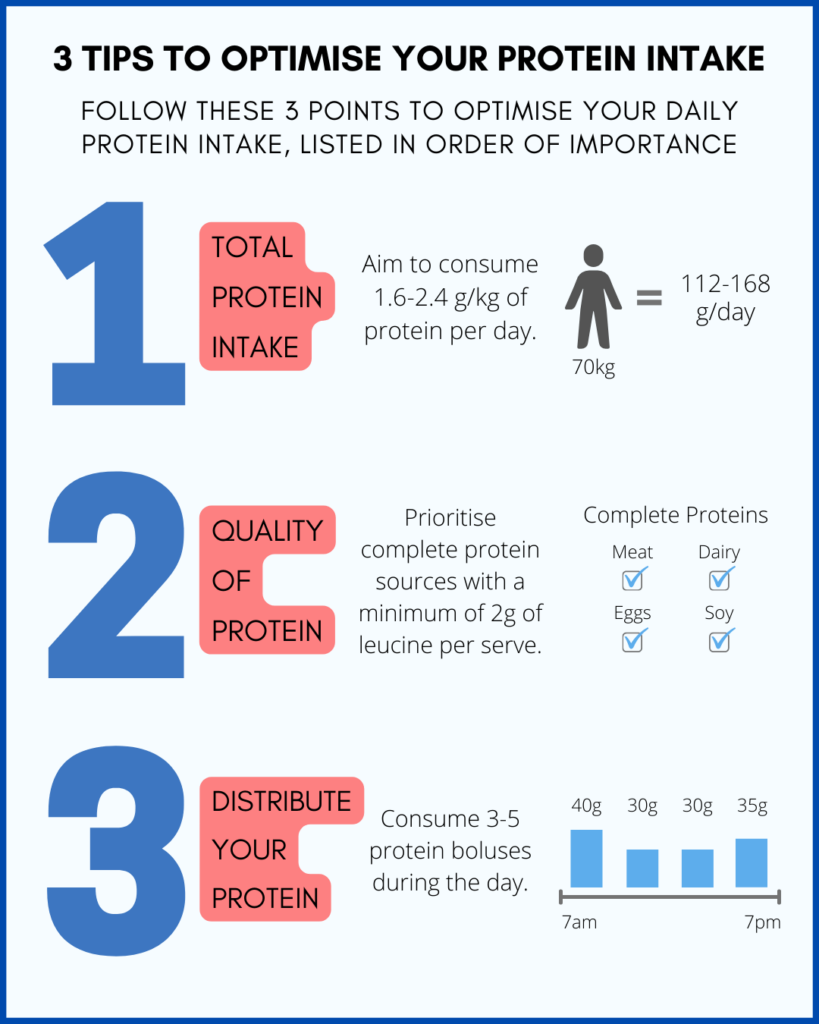
For individuals looking to build muscle and lose fat simultaneously, aim for a protein intake of 1.6 to 2.2 grams per kilogram of body weight per day. This range can help support muscle growth, fat loss, and overall body composition improvements.
Meal Distribution
Spread your protein intake evenly throughout the day to support muscle protein synthesis and optimize muscle recovery and growth. Aim to include a good source of protein in each meal and snack to meet your daily protein needs effectively.
Protein Supplements
If you struggle to meet your daily protein needs through whole foods alone, consider incorporating protein supplements such as whey protein, casein protein, or plant-based protein powders. Protein supplements can be a convenient and effective way to increase your protein intake and support your muscle-building and fat loss goals.
Protein plays a crucial role in building muscle, losing fat, and optimizing body composition. By understanding the science behind protein intake and its impact on muscle growth and fat loss, you can better tailor your diet to support your fitness goals effectively. Remember to consider your individual protein needs based on your body weight, activity level, and fitness goals to maximize your results. Incorporate a variety of protein-rich foods into your diet and adjust your protein intake as needed to support your muscle-building and fat loss efforts. With the right balance of protein intake and timing, you can achieve your desired physique and improve your overall health and well-being.
Related Topics About How Much Protein To Build Muscle And Lose Fat
How Much Protein Do I Need To Build Muscle And Lose Fat,
How Much Protein To Build Muscle And Lose Fat